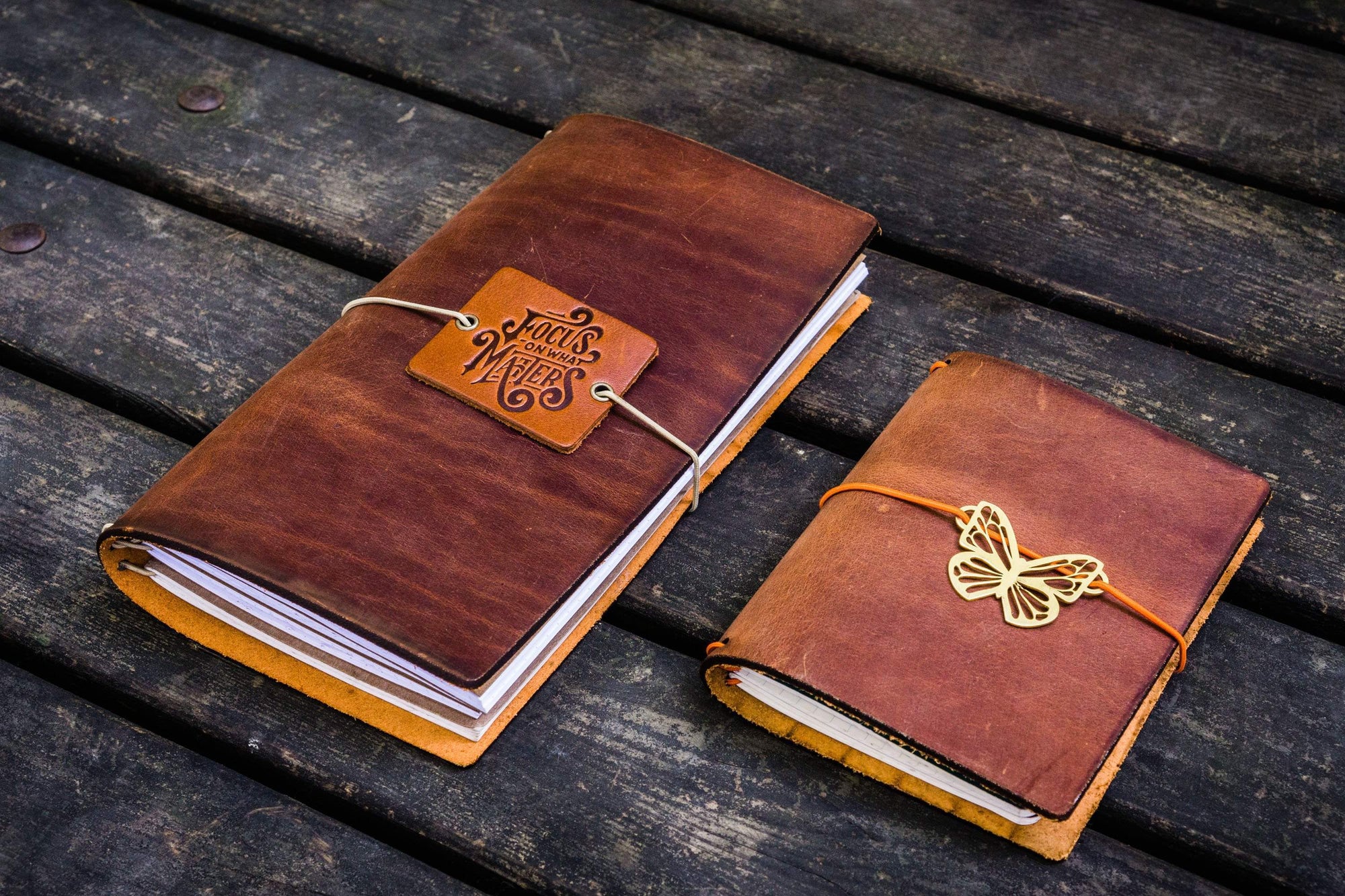




In a world dominated by digital tools and instant communication, the humble handcrafted journal stands as a reminder of a slower, more thoughtful way of recording thoughts, memories, and dreams. Unlike their mass-produced counterparts, handcrafted journals embody the spirit of artistry, tradition, and individuality. They appeal not just to writers, but to creatives, dreamers, and anyone looking for a more personal connection to their thoughts. So, what makes handcrafted journals so special? Let’s dive into the factors that elevate these beautifully made, one-of-a-kind books beyond their utility.
1. The Craftsmanship Behind Each Journal
When we talk about handcrafted journals, we aren’t just referring to a product that’s made by hand—we’re talking about a deep process of skill, time, and passion. Every journal begins with an artisan, someone who dedicates hours to crafting the cover, selecting the right paper, and binding everything together in a way that enhances the user experience. These craftsmen (and craftswomen) often employ techniques passed down through generations, ensuring that each journal has a unique and personal touch.
The care taken in stitching the pages together, the choice of materials, and the hand-pressing of the leather or fabric used for the cover all add layers of meaning to the final product. Each stitch is a testament to the time and patience spent in creating something of true value. In contrast to mass-produced items, where machines handle most of the work, handcrafted journals are imbued with a level of detail that cannot be replicated by machines.
2. Unique Materials for a Unique Experience
The materials used in handcrafted journals are often sourced from all over the world, carefully chosen for their durability and aesthetic quality. Whether it’s the rich, textured leather used for covers, the handmade paper that feels luxurious to the touch, or the elegant fabrics that add flair, every element is selected with purpose.
Leather, in particular, is a popular choice for many artisans. Over time, leather ages beautifully, developing a patina that only adds to the charm of the journal. Unlike synthetic covers, leather tells a story—its texture changing as the journal is used, marking the owner’s journey. Some journals even include recycled or handmade paper, a process that gives each page a distinctive texture and weight, perfect for writing, sketching, or jotting down fleeting thoughts.

Even the inks used in hand-crafted journals are often more special than their mass-produced counterparts. Artisans sometimes hand-mix inks or use traditional methods to ensure that the journal isn’t just functional, but aesthetically pleasing in every detail. The tactile experience of writing on such high-quality materials is something that can’t be matched by digital devices.
3. The Personal Touch: Customization and Individuality
A handcrafted journal often comes with a personal touch that reflects the individuality of both the creator and the user. Many artisans offer customization options, allowing buyers to add initials, a favorite quote, or even a meaningful design to the cover. This personalization turns a simple journal into a cherished keepsake, something uniquely your own.
Moreover, because handcrafted journals are often made in limited quantities (or even as one-of-a-kind pieces), the user can feel a deeper connection to their journal. It’s not just an item off the shelf—it’s a work of art that’s designed with thoughtfulness and care.
This level of personalization extends beyond just the exterior. Inside, handcrafted journals may feature specific design elements, such as bookmarks, intricate page borders, or even hidden compartments for storing mementos or notes. Every page offers a little surprise, making the act of journaling not only functional but also a creative experience in itself.
4. A Mindful Approach to Writing
The tactile nature of a handcrafted journal encourages a slower, more mindful approach to writing. The weight of the journal in your hands, the texture of the paper under your pen, and the act of physically turning each page can bring a sense of presence that’s often missing from the speed of digital writing. Writing by hand has been shown to improve memory retention and foster deeper connections to the ideas being expressed.
In our fast-paced world, where screens dominate most of our interactions, the act of writing in a handcrafted journal is a form of self-care. It offers a space for reflection, creativity, and introspection—things that are often hard to find in the blur of online content and notifications. With each entry, a handcrafted journal becomes not just a record of your thoughts, but a tool for mindfulness and mental clarity.
Moreover, using a handcrafted journal encourages you to slow down and put your thoughts on paper with intention. There’s no autocorrect, no distractions, and no rush. It’s just you, the paper, and the ink.
5. Eco-Friendly and Sustainable Practices

Sustainability is an important consideration for many people when choosing a journal. Handcrafted journals, particularly those made by artisans who focus on eco-friendly materials, are often much more sustainable than mass-produced alternatives. From recycled paper to vegetable-tanned leather and biodegradable inks, many artisanal journals are crafted with an eye toward minimizing environmental impact.
In addition to the sustainability of materials, handcrafted journals are typically made with a focus on durability. These journals are built to last, often aging gracefully over time, which means they don’t end up in landfills as quickly as cheaper, mass-produced journals. By investing in a high-quality, handcrafted journal, you’re not just getting a unique item for yourself—you’re also supporting environmentally-conscious practices.
6. The Emotional Connection to Handcrafted Items
In a world where mass production often leads to products that feel disposable, handcrafted items are filled with soul and character. Owning a handcrafted journal means owning a piece of artistry and craftsmanship. It’s something that transcends its functional purpose. When you hold a handcrafted journal, you are holding a piece of someone else’s creativity, labor, and love.
There’s a deep emotional connection between the maker and the buyer. Artisans often pour their heart and soul into their creations, and knowing that you are part of that journey makes the experience of using the journal much more meaningful. Every time you write in your journal, you’re continuing a story that started with the hands of the maker and will end with your own unique experiences.
7. The Perfect Companion for Creativity and Expression
Handcrafted journals are often favored by creatives, whether they’re writers, artists, or anyone who values self-expression. The beauty of these journals lies not only in their appearance but in their ability to inspire. When an artist looks at a blank canvas, they see endless possibilities—and the same is true when they look at the blank pages of a handcrafted journal.
The high-quality materials, smooth texture, and unique design invite creativity. Many users of handcrafted journals are drawn to them for their versatility. These journals are often used for everything from sketching and drawing to writing poetry, personal thoughts, and even planning future projects. The act of creating in such a beautiful space feels more intentional, almost as if the journal itself is encouraging you to be your best creative self.
For those who prefer to keep their journals for more personal uses, like tracking moods, dreams, or goals, a handcrafted journal can become a lifelong companion. It holds more than just memories—it’s a place for growth, a place to map out the future, and a space to work through the ups and downs of life.
8. The Connection to Tradition
In an age of technology, there’s something incredibly grounding about returning to a tradition as old as civilization itself: writing by hand. Journals have been around for centuries, from the ancient scribes of Mesopotamia to the illuminated manuscripts of medieval Europe. The process of documenting thoughts and experiences in a journal is one that connects us to history, to culture, and to the collective human experience.
Handcrafted journals honor this tradition, embodying the techniques and values passed down through generations. By purchasing a handcrafted journal, you are not just buying a product, you are participating in a long-standing cultural practice. Whether you’re using the journal for reflection, creativity, or keeping a record of daily life, you’re carrying forward the tradition of thoughtful documentation that has spanned thousands of years.
Conclusion
In conclusion, handcrafted journals are so much more than just tools for writing—they are a statement of artistry, mindfulness, and sustainability. They encourage a more intentional, creative way of living and offer a personal, tangible experience that cannot be matched by digital devices. The materials, craftsmanship, and emotional connection that go into making each journal make it not only a functional item, but a work of art, a personal companion, and a timeless treasure. If you’ve ever held a handcrafted journal in your hands, you’ll understand that it’s not just about writing—it’s about embracing the experience of creating something meaningful.