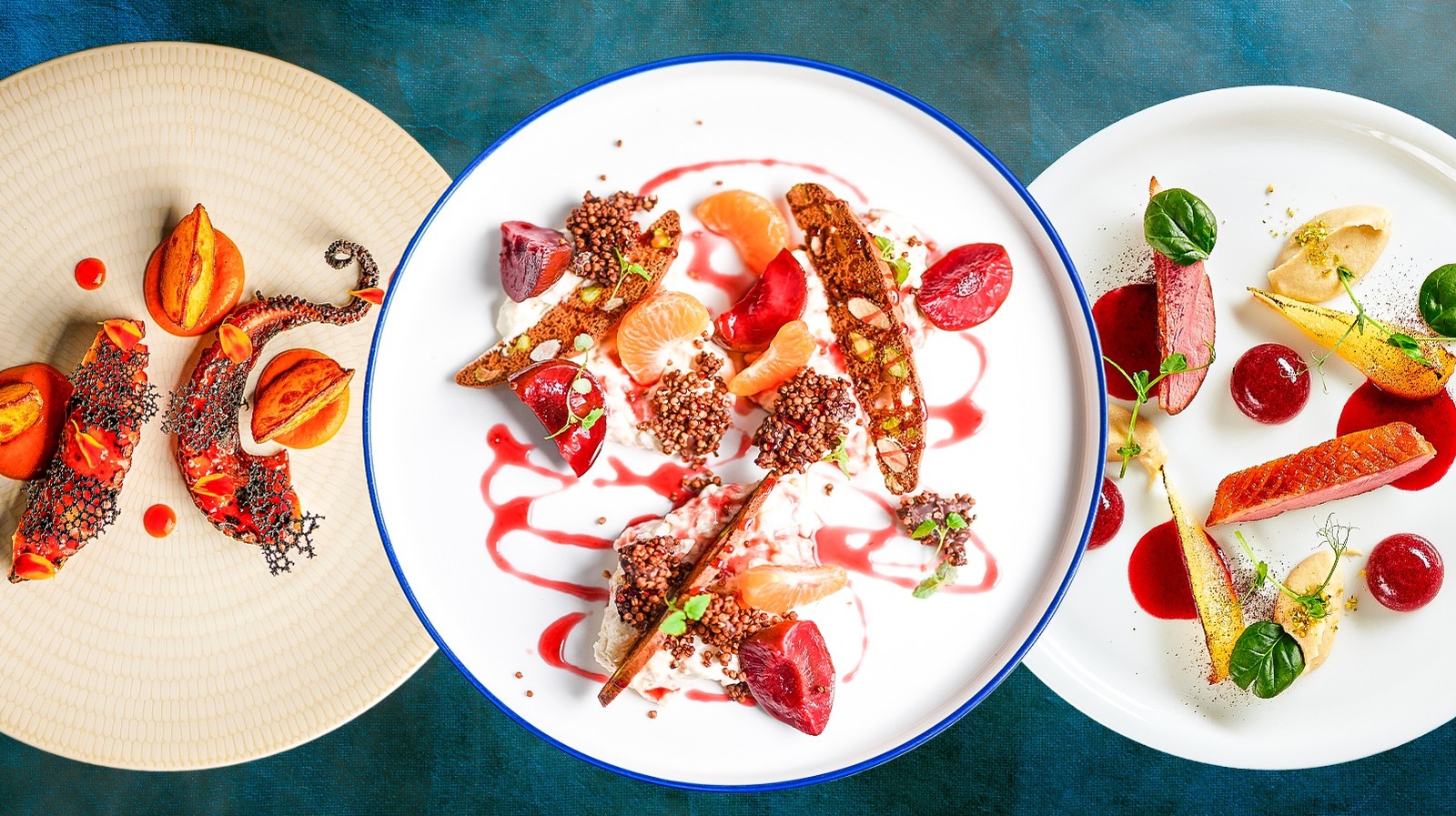




Molecular gastronomy, often hailed as the cutting-edge of culinary innovation, has made waves in kitchens around the world, from experimental restaurants to home kitchens. A term coined by French chemist Hervé This and Hungarian physicist Nicholas Kurti in the 1980s, molecular gastronomy involves the application of scientific principles to the art of cooking, blending technology, chemistry, and food in exciting and sometimes unexpected ways. While some view this approach as a departure from traditional cooking, others believe it complements the classic techniques of the culinary world.
This article explores the impact of molecular gastronomy on traditional cooking, diving into its history, techniques, and how it has influenced both the professional and home cooking scenes.
What is Molecular Gastronomy?
At its core, molecular gastronomy explores the physical and chemical changes that occur during cooking. It’s not about making food look like science experiments (though that’s often a fun part of it) but rather understanding how different cooking processes—from boiling to baking to frying—affect the food at a molecular level. This understanding opens up new doors for chefs to innovate, creating new textures, flavors, and presentations that wouldn’t be possible using traditional methods alone.
Molecular gastronomy is about transforming ingredients by manipulating their physical properties. For example, a chef might use liquid nitrogen to freeze food in an instant or employ a vacuum chamber to cook food at very precise temperatures, ensuring uniformity and depth of flavor. The main difference between this and traditional cooking techniques is the use of scientific tools and the precise control over cooking conditions.
The Rise of Molecular Gastronomy
The 1980s marked the birth of molecular gastronomy. While the concept had been in the works for decades, it wasn’t until the late 20th century that molecular gastronomy became a recognized part of the culinary world. Chefs like Ferran Adrià, who pioneered the use of molecular gastronomy at his restaurant El Bulli in Spain, brought the concept to international attention. Adrià’s innovative techniques such as foam-making, spherification (creating liquid-filled spheres that burst in your mouth), and creating edible gels helped define the modern molecular cuisine movement.
The science behind the art was also a driving force in the rise of molecular gastronomy. As chefs began to collaborate with scientists and explore how ingredients reacted under different conditions, they unlocked new possibilities for flavor, texture, and presentation. The result? A food revolution that changed how we view ingredients and cooking.
How Molecular Gastronomy Differs from Traditional Cooking
Traditional cooking, as we know it, has been passed down through generations, relying on intuition, experience, and often centuries-old techniques. Dishes were created based on cultural and regional preferences, and cooking was as much about tradition as it was about flavor. It was an art driven by sensory feedback—taste, smell, sight, and touch.
Molecular gastronomy, however, takes a scientific approach to cooking, focusing on the molecular and chemical aspects of ingredients. It introduces novel tools like liquid nitrogen, vacuum sealers, and centrifuges, which are not typically found in conventional kitchens. This allows chefs to manipulate ingredients on a molecular level to achieve flavors and textures that would be impossible with traditional methods.
For example, in traditional cooking, when you make a sauce, you might simmer ingredients to reduce it and concentrate the flavors. In molecular gastronomy, chefs might use a technique called “reverse spherification,” where a liquid is dropped into a calcium chloride solution to create small, delicate spheres of liquid. These spheres burst in your mouth with concentrated flavor, providing an entirely different experience than simply reducing a sauce.
Key Techniques in Molecular Gastronomy
While the list of techniques used in molecular gastronomy is vast, some are more commonly seen in restaurants and even in home kitchens:

- Spherification: This technique creates small, gel-like spheres that can hold liquids inside them. When the spheres burst in your mouth, they release intense flavors. It’s commonly used for liquids like juices or alcohol.
- Foaming: Using a whipped cream dispenser or a siphon, chefs can create foams from liquids like fruit juice or consommé. The foam adds a light, airy texture to dishes and can intensify flavors.
- Sous-Vide Cooking: Sous-vide (French for “under vacuum”) involves cooking food in a vacuum-sealed bag at precise, low temperatures in water. This results in incredibly tender meats and vegetables, often more flavorful than traditional cooking methods.
- Liquid Nitrogen: By quickly freezing ingredients with liquid nitrogen, chefs can create innovative textures or even use it for dramatic presentations, such as making instant ice cream or creating fog effects.
- Gelification: This process uses gelling agents like agar-agar or gelatin to turn liquids into gels or jellies. It’s a way of manipulating texture while still maintaining the original flavor of the liquid.
- Centrifugation: In this process, food is spun in a centrifuge to separate different components based on their density. This can be used to create clear liquids from mixtures or to separate flavors from a single ingredient.
Impact on Traditional Cooking
Innovation and Creativity
Molecular gastronomy has undeniably pushed the boundaries of creativity in the kitchen. By using scientific principles, chefs can experiment with new ways to combine flavors, textures, and presentations, transforming traditional dishes into something completely unexpected. For instance, molecular gastronomy allows chefs to create dishes like “hot ice cream,” which might look like an ordinary scoop of vanilla but is actually frozen instantly with liquid nitrogen.
These innovations have sparked a whole new way of thinking about food. Even within traditional cooking, chefs can now incorporate these techniques to enhance the dining experience. For example, a traditional soup might be reimagined with foam or presented in an unexpected form, such as a gel or a delicate sphere.
New Flavor Experiences
One of the most significant impacts of molecular gastronomy on traditional cooking is the way it has revolutionized how we experience flavor. By manipulating the texture and form of food, chefs can enhance or even change the way we perceive taste.
For example, by creating foams or gels, molecular gastronomy adds a new sensory layer to dishes, offering flavor in a form that can surprise and delight diners. The ability to alter textures also plays a role in intensifying flavors—liquids can be concentrated, and solid foods can be transformed into light, airy forms that provide unexpected bursts of taste.
Precision and Consistency
Traditional cooking often relies on the cook’s judgment, intuition, and experience. This can lead to inconsistency, especially in high-volume settings like restaurants. Molecular gastronomy, with its emphasis on precision and control, provides a way to achieve consistent results. Sous-vide cooking, for example, allows for perfect doneness every time, with meats cooked evenly from edge to edge, a feat that can be difficult to achieve with traditional methods.

Presentation and Aesthetics
Traditional cooking often places emphasis on the presentation of a dish, using garnishes, sauces, and plating techniques to make food visually appealing. Molecular gastronomy takes this a step further by introducing elements of spectacle and surprise. Dishes might arrive with dramatic effects, such as smoke wafting from liquid nitrogen or foams billowing from siphons. The emphasis is not just on taste but also on creating an immersive, multi-sensory dining experience.
Sustainability and Efficiency
Another area where molecular gastronomy intersects with traditional cooking is in sustainability. By using techniques like sous-vide or vacuum-sealing, chefs can reduce food waste by more precisely controlling cooking times and temperatures. Furthermore, molecular gastronomy allows chefs to extract and concentrate flavors, which can be used to create dishes that are more flavorful while using fewer ingredients.
Additionally, molecular gastronomy often focuses on the use of natural, fresh ingredients in new ways, emphasizing quality and sustainability. This can create more environmentally conscious cooking practices, as chefs become more aware of how ingredients are sourced and used.
The Challenges and Criticisms of Molecular Gastronomy
Despite its many contributions to modern cooking, molecular gastronomy is not without its critics. Some purists believe it undermines the tradition and culture of food. They argue that by relying on scientific techniques and specialized equipment, chefs may lose the artistry and soul of cooking. The emphasis on precision and innovation could detract from the emotional and sensory experience that traditional cooking often provides.
Another criticism is that molecular gastronomy can sometimes prioritize appearance over flavor. Some critics claim that certain techniques, like foam-making, can lead to dishes that look impressive but lack depth or balance in taste.
Additionally, the cost of equipment like centrifuges, vacuum sealers, and liquid nitrogen can be prohibitive for many home cooks, making it challenging to adopt molecular gastronomy techniques outside high-end restaurants. This has led to questions about whether these innovations are accessible or sustainable in the long run.
The Future of Molecular Gastronomy and Traditional Cooking
While the debate between molecular gastronomy and traditional cooking continues, it’s clear that both have their place in the culinary world. Molecular gastronomy has helped expand the possibilities of what can be achieved in the kitchen, pushing chefs to think more scientifically about flavor, texture, and presentation. At the same time, traditional cooking remains essential for preserving culinary heritage and passing down time-honored skills and recipes.
The future likely lies in a blend of both worlds. Chefs will continue to incorporate molecular techniques into their repertoires, using them to complement and enhance traditional dishes, rather than replace them. As more home cooks experiment with molecular gastronomy, we may see these techniques become more integrated into everyday cooking, leading to an exciting fusion of old and new.
Conclusion
Molecular gastronomy has undoubtedly had a profound impact on traditional cooking, introducing new techniques, tools, and approaches that challenge the way we think about food. It has expanded the boundaries of flavor, texture, and presentation, allowing chefs to create more innovative and immersive dining experiences. Yet, despite its rise in popularity, traditional cooking remains an essential part of the culinary landscape, grounded in history, culture, and the joy of shared meals.
By finding a balance between the science of molecular gastronomy and the artistry of traditional cooking, chefs and home cooks alike have the opportunity to create dishes that are not only delicious but also exciting, inspiring, and full of possibilities.