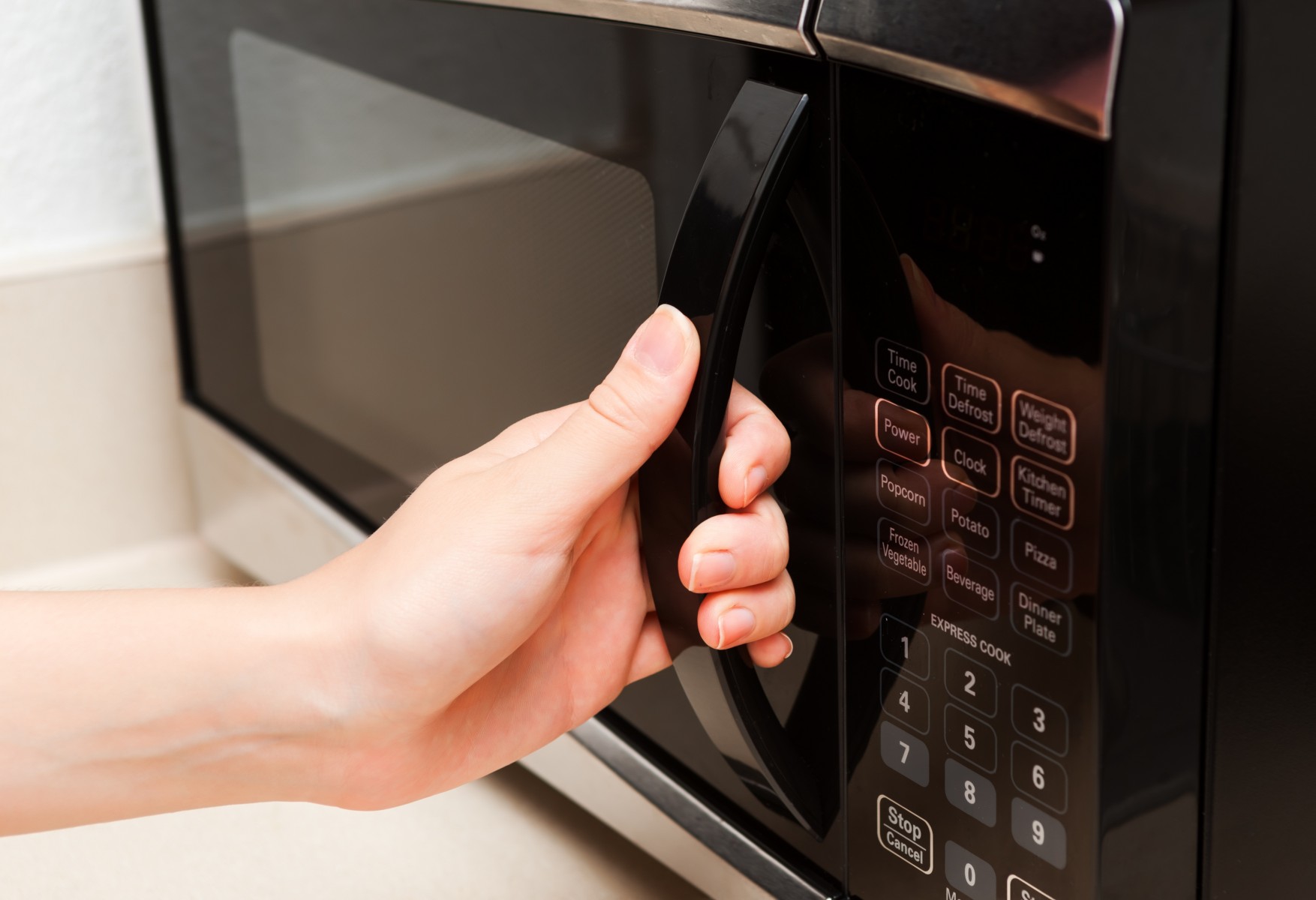




When it comes to cooking meat, the microwave is often seen as the last resort. Many people think of it as a quick way to reheat leftovers, but cooking raw meat in the microwave can seem like a risky proposition. There’s the looming fear that you’ll end up with rubbery, overcooked, and dry meat. However, with the right techniques, cooking meat in the microwave can be just as successful as other methods—without sacrificing tenderness or flavor.
In this article, we’ll explore how to cook meat in the microwave without drying it out. We’ll also look at the science behind microwave cooking, the factors that affect moisture retention, and some tips and tricks to ensure your microwave meals are tender, juicy, and delicious.
Understanding the Microwave Cooking Process
Before diving into the cooking tips, it’s essential to understand how the microwave works. Unlike traditional cooking methods, such as grilling or frying, the microwave uses electromagnetic waves (microwaves) to heat food. These waves cause water molecules in the food to vibrate rapidly, generating heat. The heat then spreads through the food, cooking it from the inside out.
While microwaving is efficient, it also has a reputation for uneven cooking. This can sometimes lead to portions of the meat being overcooked and dry while others remain undercooked. The key to preventing dryness lies in understanding the factors that contribute to moisture loss.
Key Factors That Affect Meat Cooking in the Microwave
- The Cut of Meat: Different cuts of meat have varying levels of fat and collagen, which influence moisture retention. Lean cuts, like chicken breast or turkey, tend to dry out more quickly, while fattier cuts, such as ribeye steak or pork shoulder, hold moisture better. Choosing the right cut for microwave cooking is crucial to preventing dryness.
- Microwave Power and Settings: Microwaves vary in wattage, and this can affect the way heat is distributed throughout the food. Cooking meat on a high setting can lead to rapid moisture loss, whereas lower settings allow for more gradual cooking, which helps the meat retain its juiciness.
- Cooking Time: Overcooking is the enemy of moist meat, especially in the microwave. While it’s tempting to leave your meat in for longer, short bursts of cooking followed by checking can give you better control over the outcome.
- Moisture Retention: Microwaving meat tends to strip it of moisture, especially if it’s not covered properly. Using moisture-retaining techniques, such as covering the meat with a lid or using a microwave-safe cover, can help trap steam and keep the meat from drying out.
- Resting Time: Just like with any other cooking method, resting meat after microwaving is important. Letting the meat rest allows the juices to redistribute, keeping it juicy and tender when you cut into it.
![How to Steam Chicken Breast in the Microwave! They become soft and easy to remove the muscle! [entabe.com]](https://image.entabe.jp/upload/20210126/images/chicken9.jpg)
Best Practices for Cooking Meat in the Microwave
Now that we have a basic understanding of how microwaving works and the factors that influence moisture retention, let’s dive into the best practices for cooking meat without drying it out.
- Choose Moisture-Rich Cuts
If you’re microwaving a lean piece of meat, consider adding a marinade or a bit of extra fat (such as olive oil or butter) before cooking. This helps to lock in moisture during the microwaving process. For fattier cuts, such as pork belly or chicken thighs, there’s less need to worry about drying out, as they naturally contain more fat to retain moisture. - Cover the Meat
One of the most important steps in microwaving meat is covering it properly. Use a microwave-safe lid, parchment paper, or microwave-safe plastic wrap to cover the meat while it cooks. This traps steam and moisture, preventing the meat from becoming dry. Be sure to leave a small gap or vent for steam to escape to avoid creating a “boiling” effect inside the microwave. - Cook on Low Power
Cooking on high power might seem like a faster way to get your meat cooked, but it can lead to uneven heating and moisture loss. Instead, try cooking on 50-60% power. This allows the heat to spread more evenly and ensures that the meat cooks more gently. This is particularly important for thicker cuts, as they need time to cook through without drying out the exterior. - Use a Meat Thermometer
If you want perfectly cooked meat, a meat thermometer is your best friend. Microwaves can cook unevenly, so checking the internal temperature helps you avoid overcooking. Different types of meat have different recommended temperatures. For example, chicken should reach an internal temperature of 165°F (74°C), while beef should reach at least 145°F (63°C) for medium rare. - Add Moisture
If you’re concerned about drying out the meat, consider adding a little moisture to the cooking process. You can drizzle a bit of broth, water, or sauce over the meat before microwaving it. This extra moisture will steam the meat, ensuring it stays tender and juicy. Be careful not to add too much, as this could lead to a soggy texture. - Rest the Meat
After microwaving, let the meat rest for a few minutes. Resting allows the juices, which are pushed to the surface during cooking, to redistribute throughout the meat. This results in a more tender, juicier bite. Avoid cutting into the meat immediately after microwaving, as you’ll lose valuable moisture. - Stir or Flip During Cooking
If you’re cooking smaller pieces of meat, such as ground beef or chicken strips, stir or flip them halfway through the cooking time. This helps ensure even cooking and prevents some portions from becoming overcooked. Microwaves tend to heat in a circular pattern, which can lead to hot spots, so turning the meat during cooking helps to avoid that issue.

Microwaving Different Types of Meat
- Chicken
Chicken is a popular choice for microwave cooking, but it can easily dry out if not handled correctly. To microwave chicken breast without drying it out, consider the following:- Pound the chicken breast to an even thickness to ensure uniform cooking.
- Marinate or coat the chicken in oil to lock in moisture.
- Cover it during cooking and check frequently for doneness.
- If you’re cooking a whole chicken, consider cutting it into smaller pieces for even cooking.
- Beef
Beef can be a bit trickier in the microwave because it tends to dry out quickly, especially lean cuts like sirloin. Here are some tips for microwaving beef:- Use ground beef for a quicker, more even cook.
- If microwaving a steak, cook it on low power and check for doneness with a meat thermometer.
- For ground beef, break it up and stir halfway through to avoid overcooking.
- Pork
Pork is similar to beef in that lean cuts can dry out easily. However, fattier cuts, like pork chops, hold up better in the microwave. Follow these tips:- Pork chops should be covered with a microwave-safe lid to retain moisture.
- Cook pork on a lower power setting to prevent the meat from becoming tough.
- For ground pork, stir it frequently to avoid overcooking.
- Fish
Fish cooks faster than most meats and can be especially susceptible to drying out in the microwave. Here’s how to cook fish:- Use a microwave-safe dish with a cover to trap moisture.
- Cook on medium power and check frequently.
- Add a squeeze of lemon or a pat of butter to enhance flavor and moisture.
Microwave Cooking Mistakes to Avoid
While microwaving meat is relatively easy, there are a few common mistakes that can lead to dry, tough results. Here are some things to avoid:
- Overcooking: This is the number one mistake people make when cooking meat in the microwave. Meat continues to cook after it’s removed from the microwave, so make sure to stop the cooking process a little earlier than you think.
- Skipping the Cover: Always cover your meat while cooking. It’s a simple step that makes a world of difference in moisture retention.
- Using High Power: Cooking on high power might seem faster, but it can cause the meat to dry out. Lower the power setting to cook more evenly.
- Not Resting the Meat: Let your meat rest for a few minutes after microwaving to allow the juices to redistribute.
Conclusion
So, can you cook meat in the microwave without drying it out? Absolutely! By following these tips and understanding the factors that affect moisture retention, you can successfully microwave various cuts of meat without compromising texture or flavor. From choosing the right cut to using the proper power settings, there are many ways to ensure that your microwave-cooked meat turns out juicy and tender.
The microwave is a convenient tool for cooking, and with the right techniques, you can achieve delicious results that rival more traditional methods. With a little practice and the right know-how, you’ll be microwaving meat like a pro in no time.