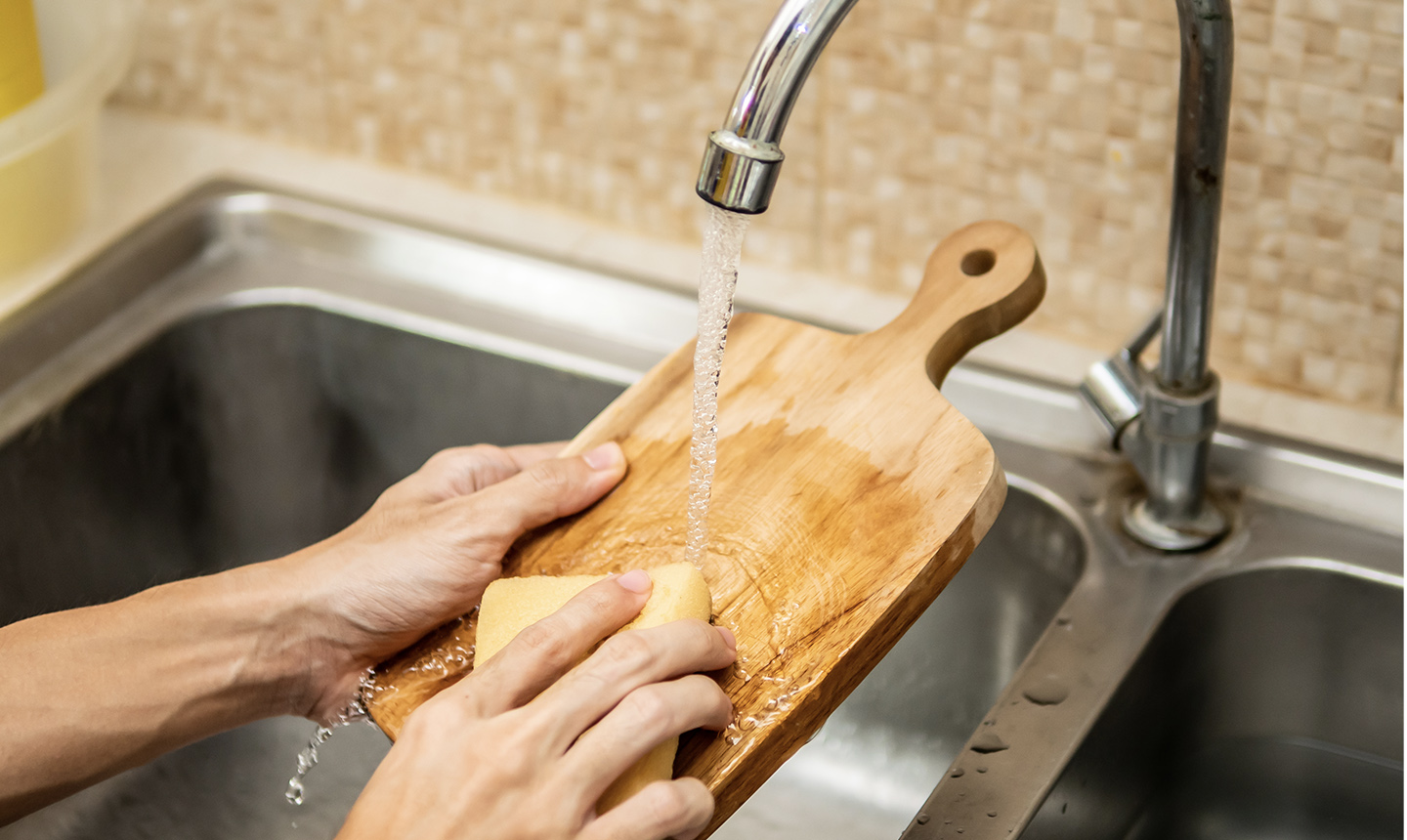




When it comes to preparing chicken for cooking, one of the most common questions that arise is whether or not it is necessary to wash it before cooking. While many home cooks instinctively rinse chicken under cold water to “clean” it, health experts and food safety guidelines suggest otherwise. In this article, we will explore why washing chicken is not only unnecessary but can also pose serious health risks, as well as offer some helpful tips on how to safely handle chicken in the kitchen.
The Myths About Washing Chicken
Before diving into the scientific reasons behind not washing chicken, let’s first address some myths surrounding the practice.
- Washing Removes Bacteria: Many people believe that rinsing chicken removes harmful bacteria, including salmonella and campylobacter. The logic behind this is that washing will physically remove the bacteria or make them less harmful. However, this is far from the truth.
- Washing Cleans the Meat: Another misconception is that washing chicken makes it cleaner. The assumption here is that water can somehow rid the meat of contaminants. But this is not the case; the meat itself doesn’t get “cleaner” by washing it under water.
- Washing Helps with the Taste: Some people think washing chicken helps to remove any residual odors or chemicals that might be on the meat. While the odor could stem from improper storage, simply washing it will not address any of those issues. In fact, it may spread bacteria around the kitchen in the process.
Why You Shouldn’t Wash Chicken
The U.S. Department of Agriculture (USDA) and the Centers for Disease Control and Prevention (CDC) both advise against washing chicken. Here’s why:
1. Bacteria Spread Risk
The biggest concern with washing chicken is the potential for cross-contamination. When you rinse raw chicken, water can splash and spread bacteria from the raw meat to surrounding surfaces, including countertops, utensils, and even your sink. The bacteria can travel up to three feet from the sink, contaminating anything in its path.
This creates a breeding ground for harmful bacteria to proliferate, and you may end up with foodborne illnesses rather than a well-cooked meal. Even if you believe you’re rinsing the chicken under a controlled stream of water, tiny droplets can escape, landing on areas that are difficult to clean.
2. High Temperatures Kill Bacteria
Cooking chicken to the right internal temperature—165°F (74°C)—is the most effective way to ensure it is safe to eat. Heat kills harmful bacteria that may be present on the surface or inside the meat. Washing the chicken is unnecessary because the cooking process will eliminate any bacteria, provided that the meat reaches the appropriate temperature.
3. No Evidence of Effectiveness
Despite the common belief that washing chicken can reduce bacteria, studies show no evidence that rinsing raw chicken removes harmful pathogens. In fact, research indicates that rinsing chicken could actually increase the risk of foodborne illness, as water droplets disperse bacteria in ways that cannot be controlled.
4. Bacteria Are Found Deep Inside Chicken
Even if you rinse the chicken, it does nothing to address bacteria that may be inside the meat. For example, salmonella and campylobacter, two common pathogens found in raw chicken, often reside inside the bird’s body, particularly in the intestines. The bacteria cannot be washed away by water since they are not confined to the outer layer of the chicken.
Safe Chicken Handling Practices
Now that we’ve covered the risks associated with washing chicken, let’s look at some proper techniques for safely handling chicken in the kitchen.
1. Thawing Chicken Safely
If you’re working with frozen chicken, never thaw it on the countertop. Bacteria can multiply rapidly at room temperature. Instead, thaw chicken in the refrigerator, microwave, or under cold running water (in a sealed bag) if you need to speed up the process. This helps to prevent harmful bacteria from growing during the thawing process.
2. Use Separate Cutting Boards and Utensils
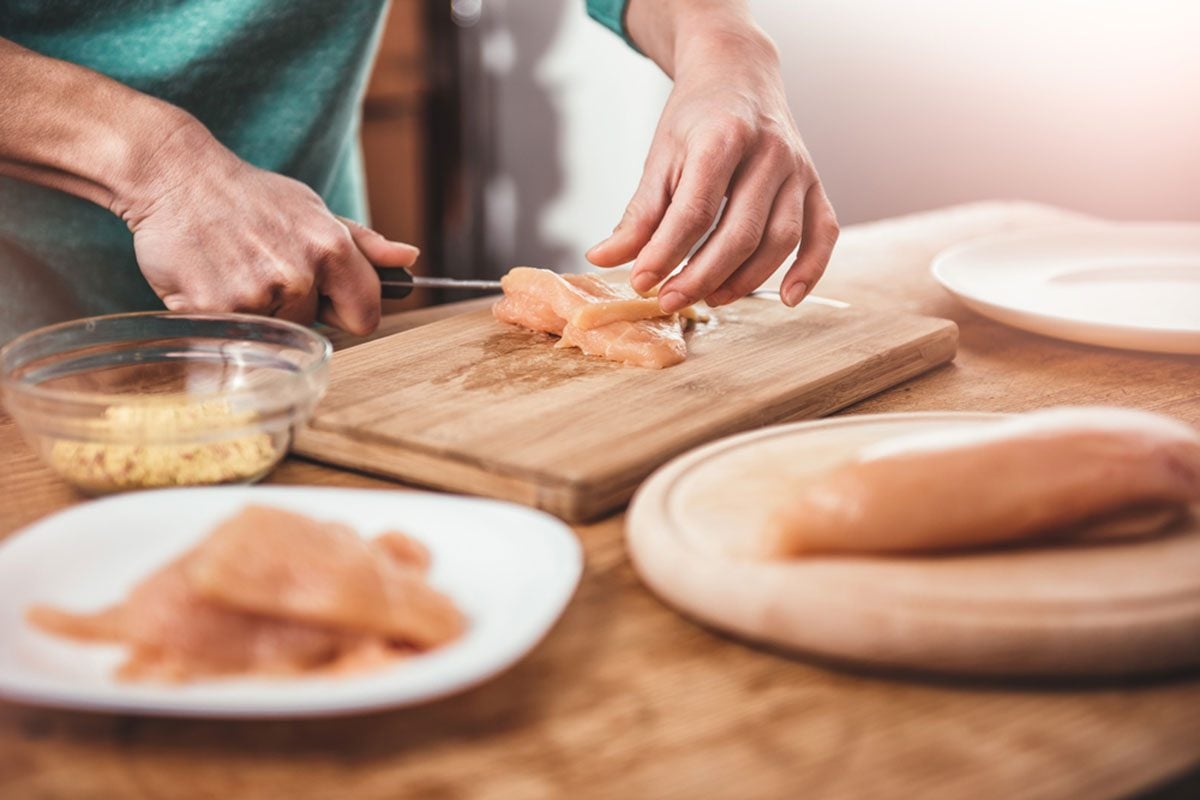
Cross-contamination is a major source of foodborne illness. To prevent this, always use separate cutting boards and utensils for raw meat, poultry, and seafood. After handling raw chicken, immediately wash your hands, cutting boards, knives, and any other utensils with hot, soapy water to remove any residual bacteria.
3. Cook Chicken Thoroughly
As mentioned earlier, cooking chicken to an internal temperature of 165°F (74°C) will kill any bacteria present on the meat. Use a food thermometer to accurately gauge the temperature. Insert the thermometer into the thickest part of the meat, avoiding bones, as they can give false readings.
4. Clean Kitchen Surfaces Regularly
After cooking, make sure to clean any surfaces that came into contact with raw chicken or its juices. This includes countertops, cutting boards, and sinks. Use hot, soapy water, and sanitize with a disinfectant to kill any lingering bacteria. Make sure to clean your hands thoroughly after handling raw chicken.
5. Store Chicken Properly
Store raw chicken in the refrigerator at a temperature of 40°F (4°C) or lower. If you need to store it for longer periods, consider freezing it. When you freeze chicken, place it in an airtight bag or container to prevent freezer burn and cross-contamination.
Alternatives to Washing Chicken
If you’re looking for ways to enhance the flavor or texture of your chicken, there are several alternatives to washing it. Here are a few options:
1. Marinate the Chicken
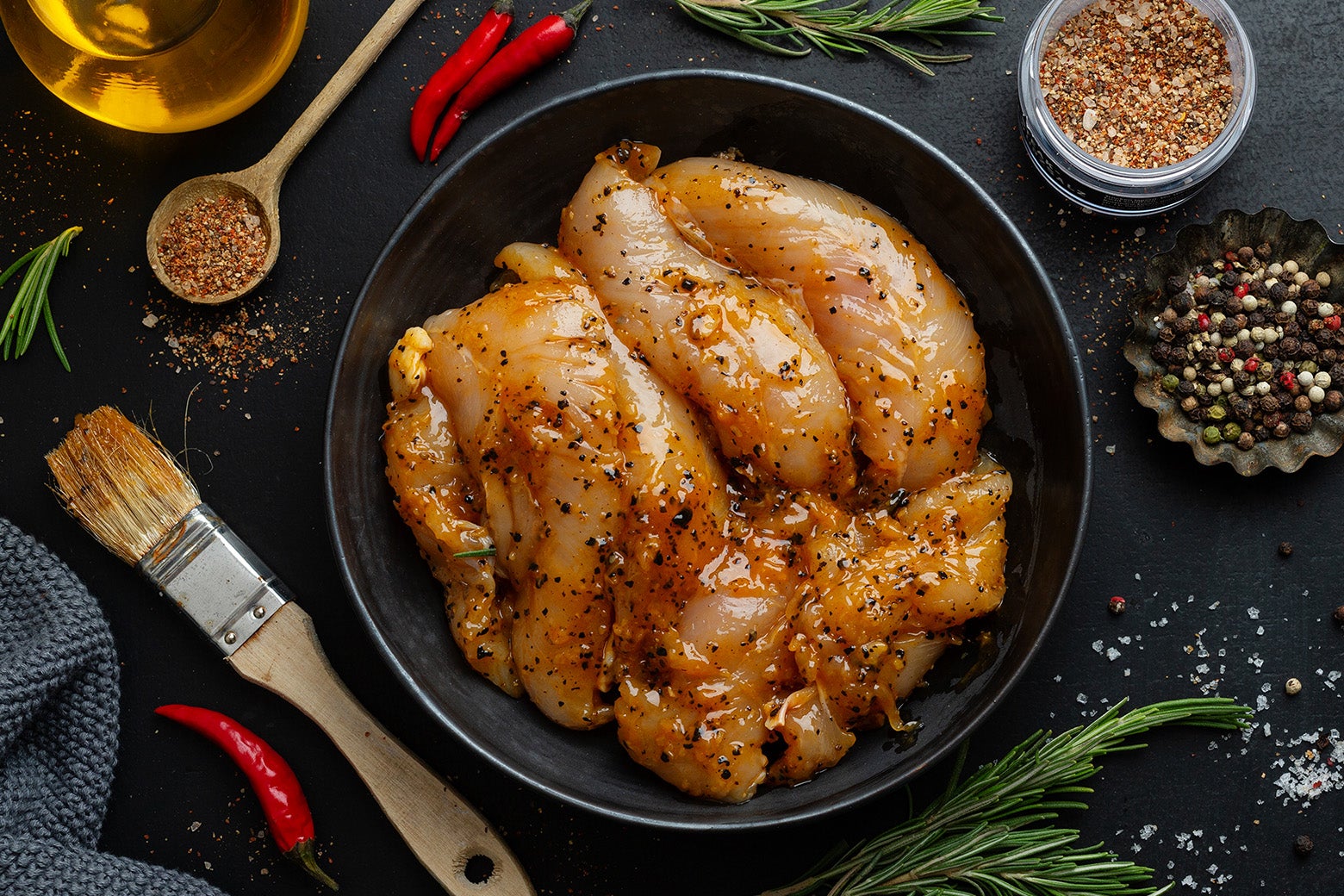
Marinating chicken not only improves its flavor but can also help tenderize the meat. An acidic marinade, like lemon juice or vinegar, can break down muscle fibers and make the chicken more tender without compromising safety.
2. Use Brine for Juicier Meat
Brining is another technique that can improve the taste and texture of chicken. Soaking the chicken in a saltwater solution before cooking helps the meat retain moisture during cooking, resulting in juicier, more flavorful chicken.
3. Spices and Rubs
If you’re looking to infuse additional flavors, consider using a dry rub or spice mix. A combination of salt, pepper, garlic powder, paprika, and other spices can add depth of flavor to your chicken, giving it a delicious kick without needing to wash it beforehand.
4. Cook in a Steaming Method
If you’re concerned about the chicken drying out, you can steam it. Steaming helps retain moisture, which is particularly useful for lean cuts like chicken breasts. You can use a steamer or simply wrap the chicken in foil with some herbs and vegetables and bake it.
5. Roast or Grill with Skin On
Cooking chicken with the skin on allows the fat to render, keeping the meat moist. Whether roasting, grilling, or pan-searing, leaving the skin on until the end helps lock in flavor and moisture.
The Bottom Line
Washing chicken before cooking is a practice that should be avoided for both food safety and hygiene reasons. Rinsing chicken does not eliminate bacteria and only serves to increase the risk of cross-contamination. The best way to ensure chicken is safe to eat is by cooking it thoroughly to the recommended temperature. Proper handling, including using separate utensils and cleaning kitchen surfaces regularly, will keep your cooking environment safe and your chicken delicious.
Remember, safe cooking practices are crucial in the kitchen. Take the necessary precautions, and enjoy your meal without the unnecessary risk associated with washing raw poultry.