




Fermentation has long been a cornerstone of food preservation and culinary tradition. However, its potential goes far beyond simply preventing spoilage or extending shelf life. Fermentation can unlock flavors that would otherwise remain hidden in the raw ingredients, transforming them into complex, rich, and distinctive tastes. From tangy cheeses to the umami in soy sauce, fermentation holds the key to a wealth of flavors that can elevate any dish. But how exactly does this age-old process work to enhance flavors, and why has it become a rising trend in modern cooking?
In this article, we’ll explore the science behind fermentation, its role in flavor development, and how it’s being applied in innovative ways by chefs and food producers today.
What is Fermentation?
Fermentation is a metabolic process where microorganisms like bacteria, yeast, or molds convert carbohydrates (such as sugars and starches) into alcohols, gases, or acids. This biological reaction can occur naturally or be induced by humans to produce specific foods, beverages, and flavors.
Fermentation can happen in both aerobic (with oxygen) and anaerobic (without oxygen) conditions. The most common products of fermentation include lactic acid (found in yogurt, kimchi, and sauerkraut), alcohol (in beer, wine, and spirits), and acetic acid (in vinegar). These compounds are the key players in the flavor transformation that occurs during fermentation.
The process of fermentation is often used for preservation, but it also fundamentally changes the chemical makeup of food, resulting in new flavor profiles. For instance, fermenting milk into yogurt or cheese doesn’t just preserve the milk—it creates new and often complex flavors, including a balance of sweetness, sourness, and umami.
The Science Behind Flavor Development
Fermentation enhances flavors in several key ways:
- Breakdown of Compounds:
Fermentation often breaks down large, complex molecules into smaller compounds that are more easily detected by the human palate. For example, the breakdown of proteins into amino acids can result in savory, umami flavors. In the case of fermented soybeans (like in miso or soy sauce), the enzymatic action breaks down proteins into glutamates, creating that distinctive umami flavor that has become a hallmark of East Asian cuisine. - Acid Production:
Many types of fermentation produce organic acids such as lactic acid, acetic acid, and butyric acid. These acids can add sharpness, tanginess, or even a pleasant sourness to food. A good example is the tartness found in sourdough bread, where the action of lactic acid bacteria produces lactic acid, contributing to the signature sour flavor of the bread. - Increased Complexity:
Fermentation can introduce a wide range of secondary metabolites—aromatic compounds and alcohols—that interact with one another to create a deeper, more layered taste. This is especially noticeable in beverages like wine, where fermentation produces esters, phenols, and other compounds that give wine its unique flavor profile, from fruity and floral notes to earthy and spicy undertones. - Increased Bioavailability of Nutrients:
Beyond flavor, fermentation also increases the bioavailability of nutrients by breaking down anti-nutrients (like phytic acid) that can block the absorption of minerals. This means that fermented foods not only taste better but are also more nutritious than their unfermented counterparts. Fermented foods, like kimchi, are often packed with probiotics, which can benefit gut health and contribute to overall wellness. - Enhancing Maillard Reaction:
In some cases, fermentation can enhance the Maillard reaction, a chemical process that occurs when amino acids and reducing sugars react under heat, producing browned and flavorful compounds. This is seen in fermented foods like the crust of sourdough bread or the rich flavors in aged cheeses.
Types of Fermentation and Their Impact on Flavor
Fermentation can take many forms, each contributing to distinct flavor outcomes. Below are some of the most popular types of fermentation used in food production and how they influence flavor:
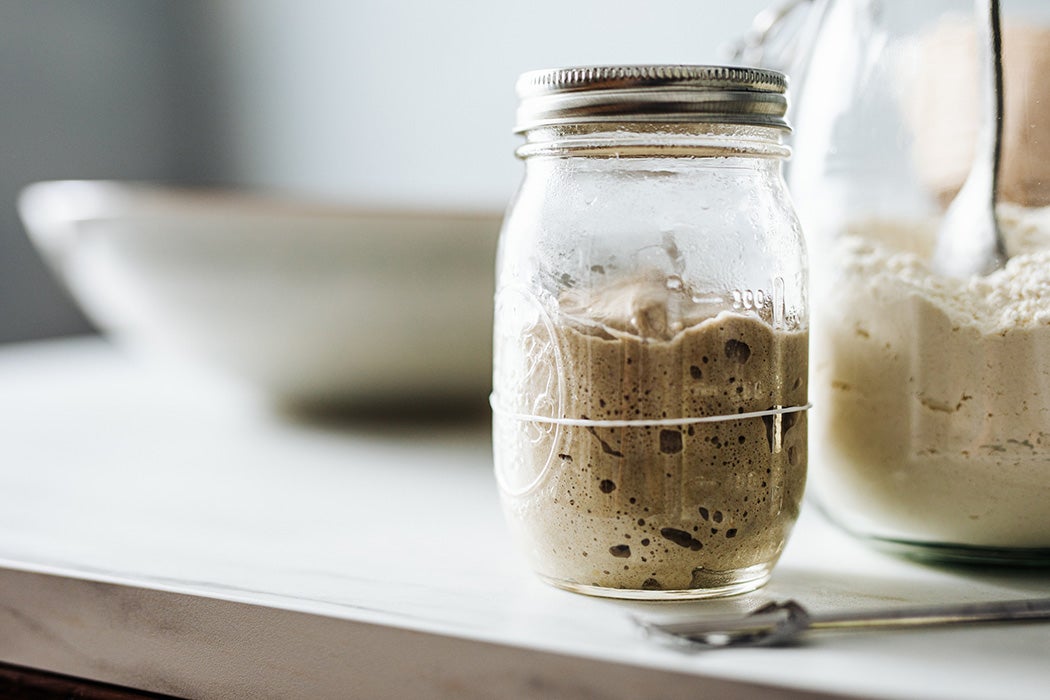
1. Lactic Acid Fermentation
This type of fermentation is perhaps the most widespread, particularly in dairy and vegetable products. Lactic acid bacteria, such as Lactobacillus and Leuconostoc, are responsible for converting sugars into lactic acid.
- Foods Involved: Yogurt, kefir, sauerkraut, kimchi, pickles, sourdough bread, etc.
- Flavor Profile: The flavors range from mildly tangy (as in yogurt) to intensely sour (as in kimchi). The lactic acid produced during fermentation gives these foods their distinctive sour taste and can also bring out additional flavors from the base ingredients.
2. Alcoholic Fermentation
Yeast, most commonly Saccharomyces cerevisiae, is used to ferment sugars into ethanol (alcohol) and carbon dioxide. While the carbon dioxide creates bubbles in beverages, the alcohol imparts unique flavors.
- Foods Involved: Beer, wine, spirits, bread (to a lesser degree).
- Flavor Profile: Depending on the ingredients and fermentation process, alcoholic fermentation can create fruity, floral, yeasty, or even slightly bitter flavors. In beer, hops play a critical role in creating bitterness, while in wine, grape varietals and the fermentation method add different layers of flavor complexity.
3. Acetic Acid Fermentation
Acetic acid bacteria (such as Acetobacter) convert ethanol into acetic acid. This is the process responsible for creating vinegar, a sour liquid that’s often used to enhance dishes.
- Foods Involved: Vinegar, kombucha (to some extent), certain fermented condiments.
- Flavor Profile: Vinegar has a sharp, acidic taste that can range from mild (in white wine vinegar) to intensely sour (in balsamic vinegar). This acidity balances the richness of fatty or rich foods, making it a key ingredient in dressings, marinades, and sauces.
4. Koji Fermentation
Koji is a type of mold (Aspergillus oryzae) that is often used to ferment soybeans, rice, or barley. It is famous for its role in producing soy sauce, miso, and sake.
- Foods Involved: Miso, soy sauce, sake, rice vinegar.
- Flavor Profile: Koji fermentation imparts a deep umami flavor, often described as savory or meaty. This is a key reason why fermented soy products have such a distinctive, savory richness. The mold breaks down starches into sugars, which are then fermented into amino acids, contributing to the umami depth.
5. Wild Fermentation
Wild fermentation relies on naturally occurring microorganisms rather than cultured strains. The results can be unpredictable, but they often offer unique, complex flavors that are tied to specific environments.
- Foods Involved: Sourdough bread, wild-fermented vegetables, naturally fermented beers.
- Flavor Profile: Wild fermentation is less controlled, which means the flavor profiles can vary significantly. Sourdough, for example, might range from mildly tangy to intensely sour, depending on the strain of bacteria and yeast present in the environment.
Fermentation in Modern Culinary Trends
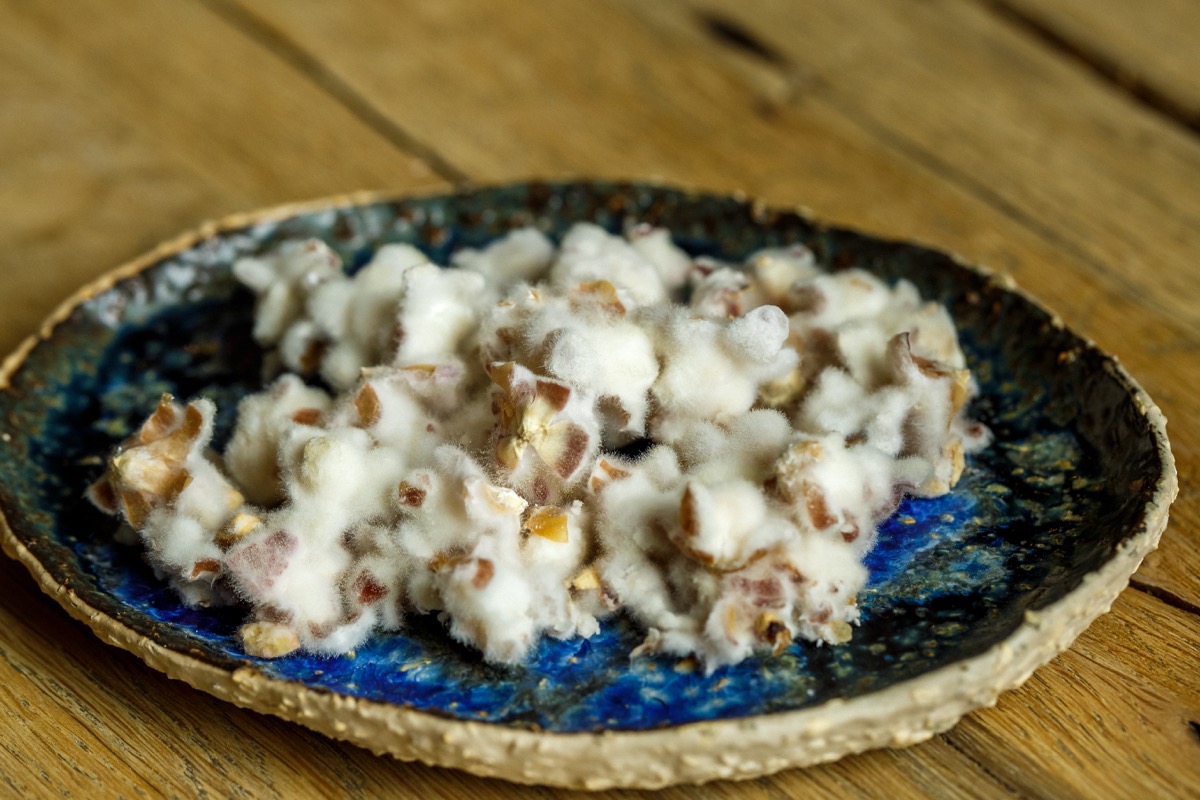
Fermentation has seen a resurgence in recent years, largely driven by chefs and food producers seeking to unlock new flavors and textures. This trend goes hand in hand with the growing interest in sustainability and traditional cooking techniques. Fermented foods and beverages are being used in innovative ways to elevate flavor profiles, whether in avant-garde fine dining or home-cooked meals.
1. Fermented Beverages
Fermented beverages are experiencing a renaissance. Kombucha, a fermented tea, has been trending in health food circles, prized for its probiotic content and tangy, effervescent flavor. Similarly, fermented fruit drinks like kefir and kefir water are gaining popularity for their refreshing, slightly sour taste.
2. Fermented Meats and Fish
Cured meats and fermented fish—think of prosciutto, salami, or Japanese ikura (fermented fish roe)—are part of the global rise in charcuterie boards. Fermentation deepens the flavors of meats, giving them complexity that fresh meat cannot replicate. The tangy, often umami-laden taste of fermented fish, such as in fish sauce or anchovies, adds a depth to dishes like pasta sauces or stews.
3. The Rise of Fermented Vegetables
While sauerkraut and kimchi have long been staples in European and Korean cuisines, respectively, fermented vegetables are making waves globally. Chefs are experimenting with fermenting everything from carrots and radishes to cucumbers, with the intention of creating more complex and adventurous side dishes, condiments, or even main courses.
4. Artisan Cheeses
Fermentation plays an indispensable role in cheesemaking. The bacteria and molds involved in fermentation help develop the texture and flavor of cheese, from the creamy, delicate notes of brie to the sharp, tangy kick of blue cheese. With each variety of cheese, the fermentation process produces different flavor nuances that create a world of possibilities for cheese lovers.
The Future of Fermentation: Unlocking Even More Potential
As interest in fermentation continues to grow, the future promises even more exciting developments in flavor. With the rise of food science and advanced fermentation techniques, we are starting to see more controlled and precise fermentations, resulting in new flavor profiles that weren’t possible in traditional methods. From fermented grains to plant-based proteins, the fermentation of non-animal-based products could open doors to innovative flavor experiences in vegan and vegetarian cuisine.
Additionally, as we learn more about the gut microbiome and its role in health, fermented foods are poised to play a key role in a healthier, more balanced diet. The natural probiotics and prebiotics found in fermented foods can improve digestion, boost immunity, and even enhance mental health.
Conclusion
Fermentation is not just a way of preserving food—it’s an art form that unlocks hidden depths of flavor. Whether through the tang of lactic acid, the complexity of alcohols and esters, or the savory umami created by koji, fermentation holds endless potential to elevate dishes in ways that are both delicious and nutritious. From ancient traditions to modern innovations, fermentation continues to shape and define the food we eat, making it a key ingredient in the future of flavor.