




When it comes to luxury ingredients in the culinary world, few things evoke as much intrigue and reverence as truffles. These enigmatic fungi, often described as the ‘diamonds of the kitchen,’ are a symbol of refinement, indulgence, and rarity in the gastronomic universe. But what is it about truffles that earns them such a prestigious moniker? To truly understand their allure, we must delve into their fascinating history, the uniqueness of their flavor, and the incredible methods of harvesting them.
The Origin of the Title: “Diamonds of the Kitchen”
The phrase “diamonds of the kitchen” isn’t just a clever metaphor; it draws a direct parallel between the truffle and the prized gemstone in terms of rarity, value, and the luxurious experience associated with them. Like diamonds, truffles are extraordinarily difficult to find, require specialized knowledge to unearth, and command a premium price due to their scarcity. These attributes have earned them a place at the pinnacle of haute cuisine, where they are celebrated as the epitome of indulgence.
Truffles belong to the genus Tuber and grow underground in symbiosis with the roots of certain types of trees, primarily oaks, hazelnuts, and beech trees. Unlike many other fungi, which are easy to cultivate, truffles are notoriously elusive. Their growth conditions are delicate, and they take years to mature. This makes them even more akin to diamonds—both rare and precious, with a limited supply.
Rarity and the Search for Truffles
Truffles are among the rarest of foods in the world. While there are various types of truffles, the two most sought-after are the white truffle (Tuber magnatum) and the black truffle (Tuber melanosporum). These species, particularly the white truffle from the Piedmont region of Italy and the black truffle from the Périgord region of France, are considered the crème de la crème.
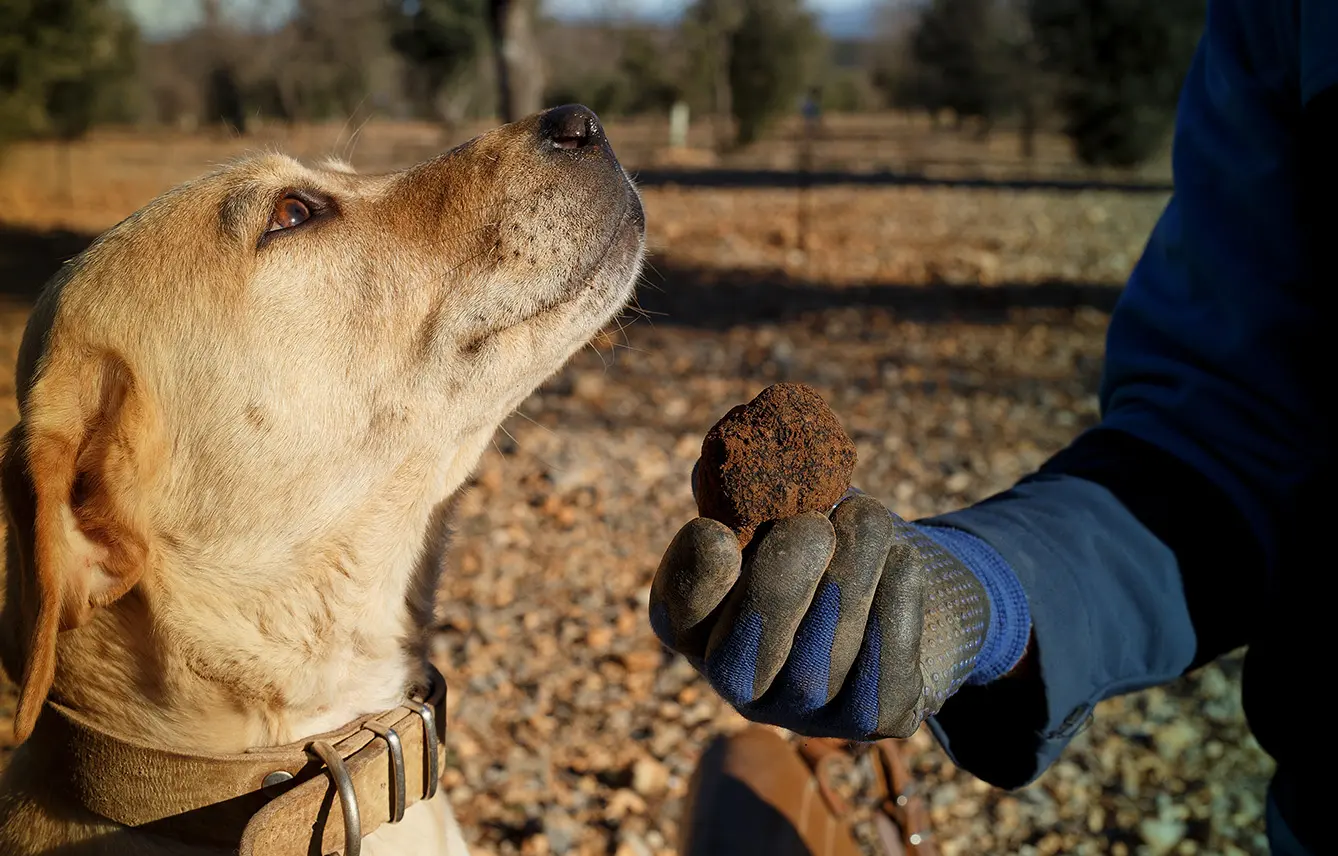
The process of finding truffles is an art in itself. Truffle hunters, often known as “trifolau” in Italy and “truffiers” in France, employ trained animals—typically pigs or, more recently, dogs—to sniff out these underground treasures. Pigs are particularly adept due to their natural attraction to the strong aroma of truffles, though dogs have become increasingly popular as they are easier to control. The process is labor-intensive, requiring both skill and patience. A seasoned truffle hunter can spend hours in the woods, sometimes finding nothing at all.
The rarity of truffles is not just due to the difficulty of finding them but also to the complex factors influencing their growth. Truffles require a very specific combination of soil, climate, and host trees to thrive. In addition, they can only grow in certain geographic locations, often in regions with Mediterranean climates or temperate zones with chalky or calcareous soils. Climate change and overharvesting also pose threats to truffle populations, further driving up their rarity and value.
The Flavor Profile: A Taste of Luxury
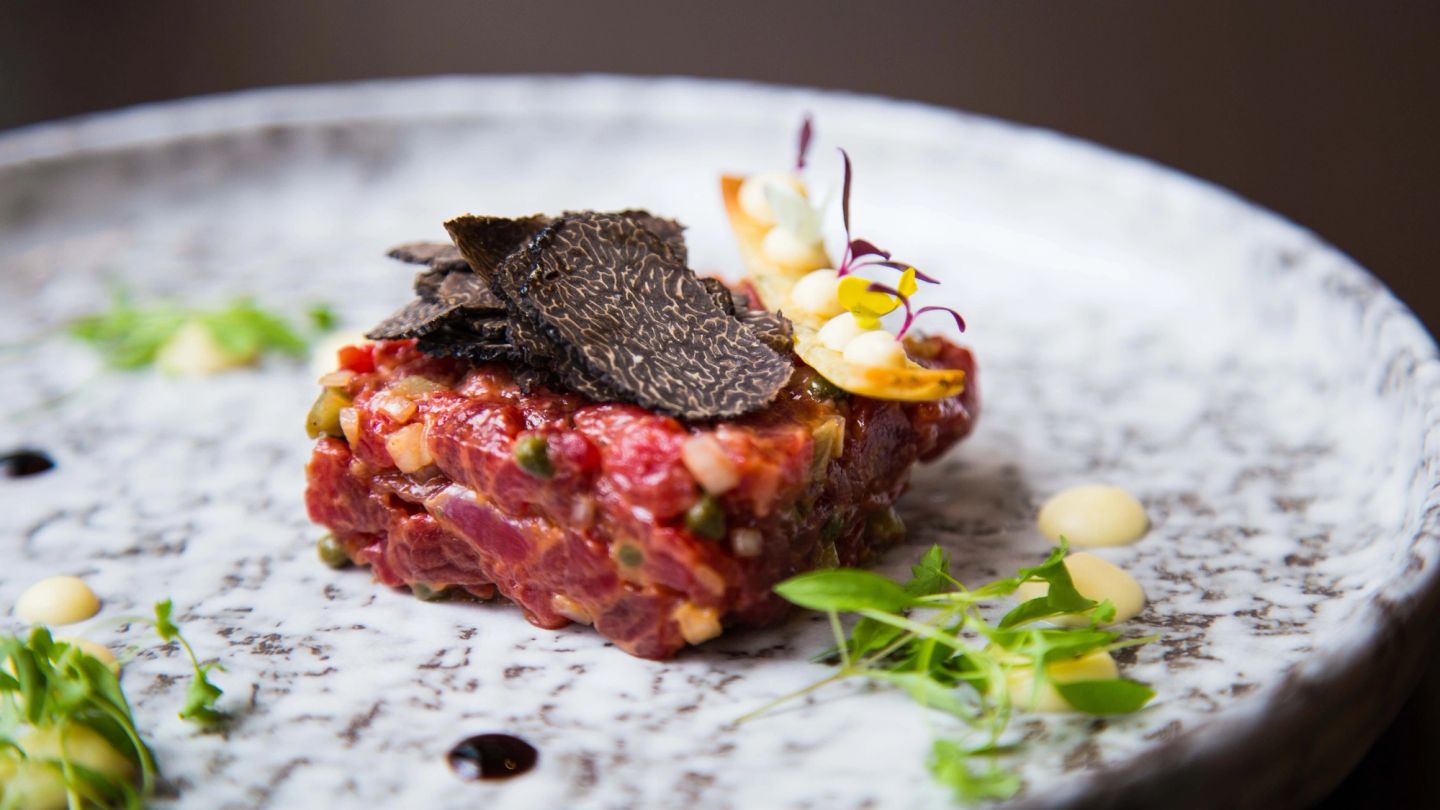
If truffles are diamonds, their flavor profile is the dazzling fire within those diamonds. Describing the taste of truffles is an almost impossible task, as it is unlike anything else in the culinary world. Truffles have a complex, earthy, musky flavor with hints of garlic, nuts, and even a slight woodiness. The aroma of truffles is pungent and intoxicating, which is one of the key reasons they’re so highly sought after. Their flavor can elevate even the most basic dishes into an extraordinary culinary experience.
The culinary world reveres truffles not just for their flavor but also for the way they interact with other ingredients. When shaved or grated over pasta, risotto, or eggs, truffles create an aromatic symphony that lingers in the palate. The oiliness of the truffle helps infuse its flavor deeply into the dish, making it a true luxury experience. The complexity of truffles also allows them to pair well with a wide range of foods, from meats like beef and foie gras to delicate fish or simple vegetable dishes.
Though truffles are often seen as an expensive delicacy, many chefs use them in moderation, adding just a touch to enhance the overall experience. The key is balance—too much truffle can overwhelm a dish, while just the right amount can create a truly transcendent dining experience.
Harvesting: A Labor of Love
The process of harvesting truffles is a tradition steeped in history. In fact, the practice dates back thousands of years to ancient Mesopotamia, where they were considered a prized food for royalty. Truffle hunting has since spread across Europe, where it remains an essential part of culinary culture. However, the methods for finding and harvesting truffles have changed little over the centuries.
Truffle hunters today still rely on the same techniques used by their ancestors. In fact, it’s not uncommon for a truffle hunter to pass down their knowledge to the next generation, keeping the traditions alive. The use of trained animals—pigs or dogs—has been passed down through the ages as well. While pigs are more naturally inclined to find truffles, dogs have become the more preferred choice in modern truffle hunting. The reason? Dogs are easier to train and handle, whereas pigs have been known to eat the truffles once they find them.
Once the truffle is located, it is carefully unearthed using a small spade or rake. Truffle hunters must be very delicate in this process, as the truffle can be easily damaged. Even slight bruising can decrease the truffle’s value, making careful harvesting an art form in itself. Additionally, truffle hunters often take great care in ensuring the truffles they harvest are ripe and ready, as unripe truffles are less flavorful and have a much shorter shelf life.
Truffle Economy: A Billion-Dollar Industry
The demand for truffles is enormous, and their rarity has made them incredibly valuable. White truffles can fetch prices upwards of $3,600 per kilogram, while black truffles are somewhat more affordable, ranging from $800 to $1,200 per kilogram. In fact, truffles have become so coveted that some varieties are now being cultivated in controlled environments. Despite these efforts, truffle cultivation remains a difficult and expensive undertaking, making wild-harvested truffles the gold standard in the industry.
The price of truffles also fluctuates based on various factors, such as seasonality, quality, and location. For instance, the white truffle harvest in Italy typically takes place in the fall, and the price can soar during this time due to limited supply. The black truffle, on the other hand, is harvested in winter, with its peak season running from December to February.
Truffle-related businesses, including truffle farms, truffle oil production, and truffle-based products like truffle butter and truffle salt, have turned into multimillion-dollar industries. High-end restaurants across the globe incorporate truffles into their menus, not just for their flavor but also as a status symbol. Serving truffles is a way for chefs to signal their expertise and commitment to providing the best possible dining experience.
The Environmental Impact and Sustainability of Truffles
As truffles grow in the wild and rely on a delicate ecological balance, sustainability has become a growing concern. Over-hunting of truffles in certain regions, particularly in Italy and France, has led to diminished truffle populations. In response, some countries and regions have enacted laws to regulate truffle harvesting. These regulations aim to prevent over-exploitation and ensure the long-term health of truffle ecosystems.
In recent years, efforts have also been made to cultivate truffles in a more sustainable way. Truffle orchards, known as “truffières,” are being established in regions that have the ideal soil conditions, and these orchards are carefully managed to encourage truffle growth. However, these truffières are still a relatively new phenomenon, and it remains to be seen whether they can meet the global demand for truffles without compromising the wild truffle populations.
As with many luxury food products, the environmental impact of truffles cannot be overlooked. The increasing demand for truffles has led to concerns over deforestation, land degradation, and the loss of biodiversity in some truffle-growing regions. Sustainable practices, including reforestation efforts and careful management of truffle habitats, are critical in ensuring the future of this exquisite ingredient.
Conclusion: The Lasting Allure of Truffles
Truffles are much more than just a rare ingredient in the culinary world—they are a symbol of luxury, tradition, and the art of gastronomy. The title ‘diamonds of the kitchen’ is fitting not only because of their rarity and high value but also because of the unique and complex flavors they bring to a dish. Whether enjoyed in the most exclusive restaurants or incorporated into home-cooked meals, truffles continue to captivate the senses and elevate the dining experience.
Their mystery, history, and the sheer dedication required to harvest them make truffles a true gem in the world of cuisine. As long as there are truffles in the kitchen, the art of fine dining will remain elevated to its most decadent form. So, next time you savor a dish with a sprinkle of truffle, remember that you’re not just tasting an ingredient, you’re experiencing centuries of tradition, craftsmanship, and luxury in every bite.