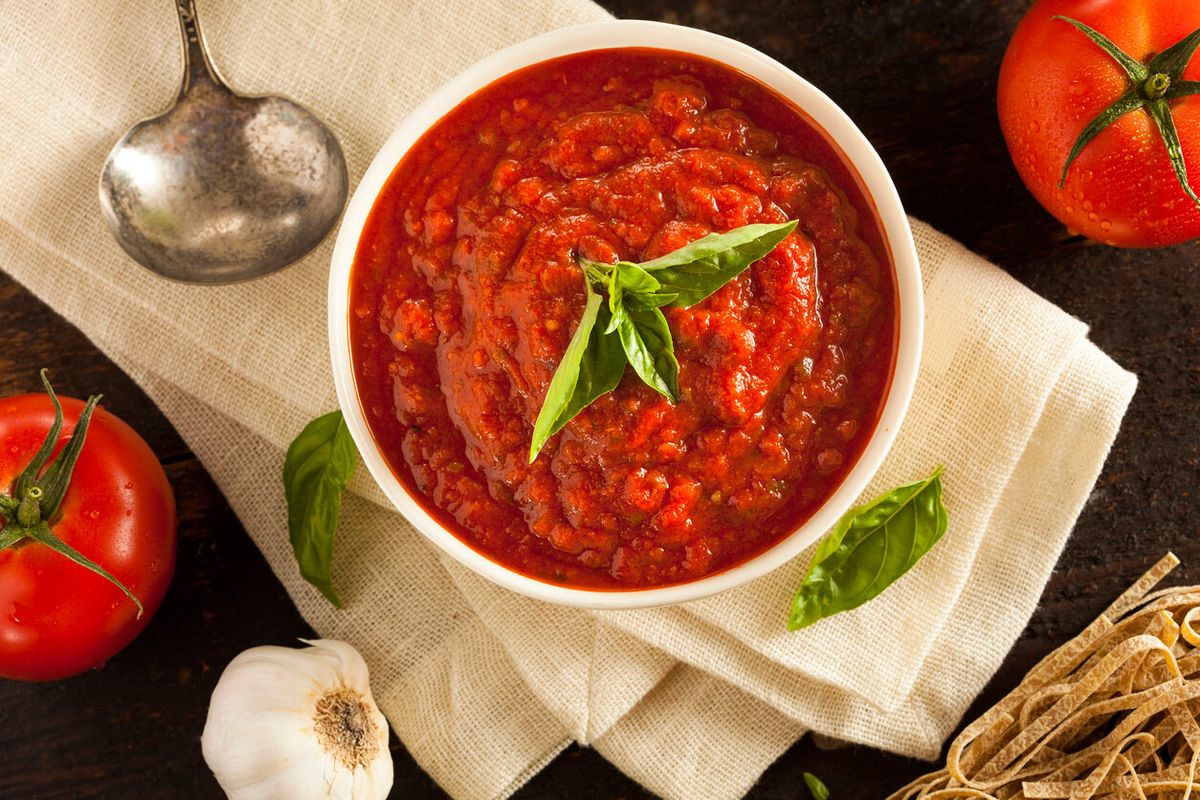




Pasta – a simple dish, yet one that has inspired countless chefs, food lovers, and even philosophers. In its purest form, pasta needs nothing more than water, flour, and a pinch of salt. But somewhere along the way, olive oil entered the equation, transforming the way we cook, serve, and savor this iconic food. The question is, does olive oil truly hold the secret to perfect pasta, or is it merely a culinary myth?
In this exploration, we’ll delve into the science, the techniques, and the hidden gems of pasta cooking that might just change the way you approach this deceptively simple dish.
The Basic Foundation: Pasta, Water, and Salt
Before we dive into the role of olive oil, let’s take a moment to appreciate the essentials of pasta cooking.
- Pasta – Made of durum wheat semolina, pasta is an art form in itself. Its texture, its shape, its ability to absorb sauces, all depend on how it is cooked.
- Water – The primary element when cooking pasta, water needs to be abundant and well-boiling. The larger the pot, the better. This ensures the pasta has enough room to move and cook evenly.
- Salt – A key player that enhances the flavor of the pasta itself. Pasta absorbs salt from the water, making the base of the dish more flavorful.
But why not throw in some olive oil into the mix, especially when it’s so commonly seen in recipes and cooking guides?
Olive Oil in Pasta Water: Friend or Foe?
One of the most common pieces of advice passed down in kitchens worldwide is the recommendation to add olive oil to the pasta cooking water. However, it turns out this practice might not be as beneficial as it seems.
The Myth: Olive Oil Prevents Pasta from Sticking
Many believe that a splash of olive oil in boiling water helps prevent pasta from sticking together. After all, oil is a natural anti-stick agent, so it seems logical that it would work in this case too, right?
Not quite. While olive oil can prevent the pasta from clumping together in the pot, it also creates a slick coating on the pasta’s surface. This is problematic because it makes it harder for sauces to adhere to the noodles. Instead of creating a seamless, flavorful union between pasta and sauce, the oil forms a barrier.
This means that you could end up with a beautifully cooked, non-sticky pile of pasta, but one that’s too slippery to absorb your delicious marinara, carbonara, or pesto.
The Reality: Water Alone Is Best for Pasta
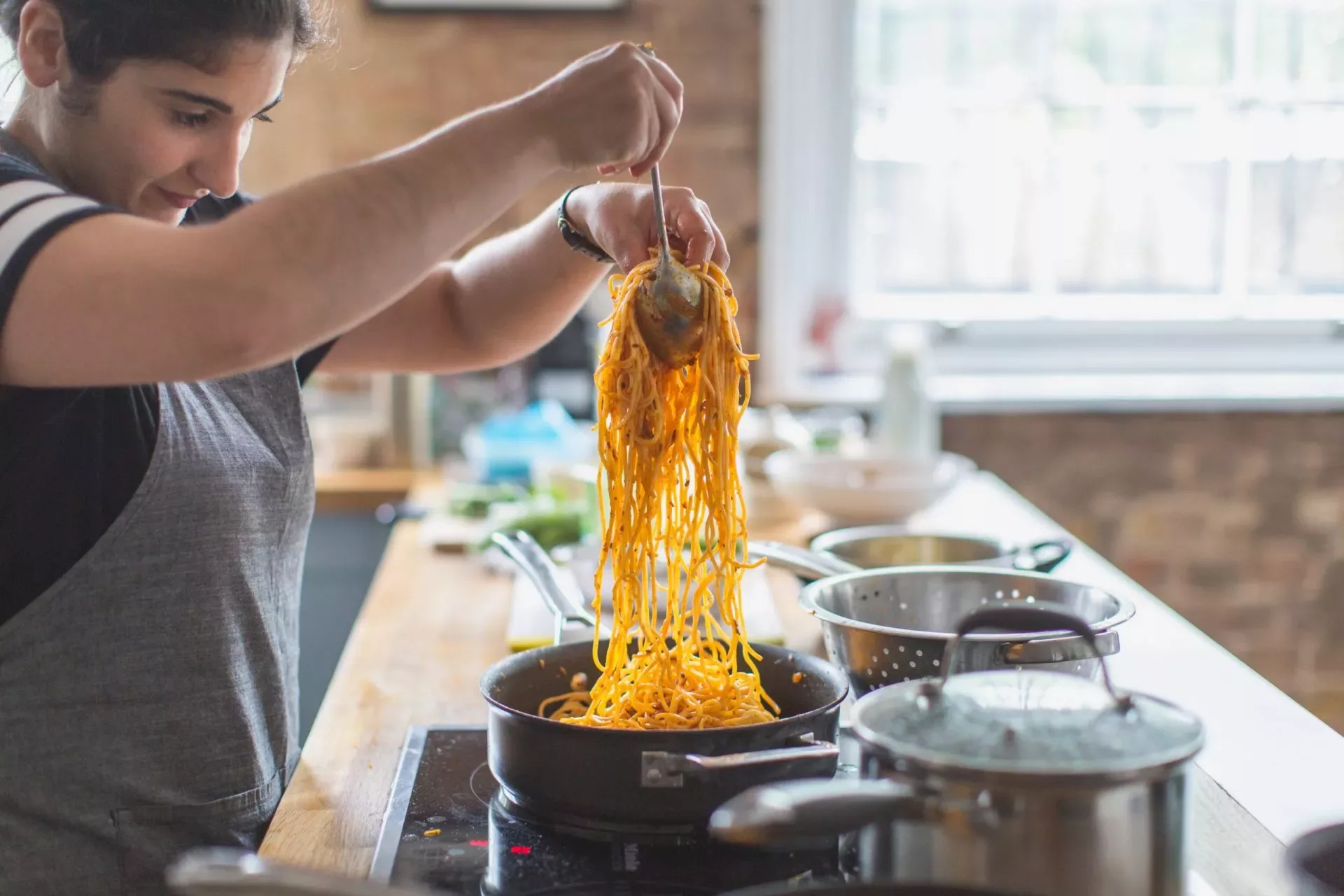
The truth is, the best way to cook pasta is to do so in plenty of water without any oil. The water helps the pasta maintain its texture, allowing it to cook evenly. Additionally, pasta naturally releases some starch into the water, which helps sauces cling better.
When pasta water is salted (preferably generously), it also becomes a flavorful medium, enriching the noodles. The starch in the water helps the sauce emulsify better, ensuring it sticks to the pasta instead of sliding off.
Olive Oil: Where Does It Belong?
While olive oil might not belong in the cooking water, it can play a vital role after the pasta is cooked. It’s all about timing and placement. After draining the pasta, a drizzle of good-quality extra virgin olive oil can serve multiple purposes:
- Flavor Enhancement: A light drizzle of olive oil gives the pasta a rich, velvety finish, making each bite more luxurious.
- Preventing Dryness: If you’re not immediately tossing your pasta with sauce, olive oil can help prevent it from drying out as it waits. A quick toss with oil keeps the noodles smooth and prevents them from sticking together.
- Perfecting Sauces: If you’re making an olive oil-based sauce like aglio e olio (garlic and oil), then the oil is the key ingredient. When used this way, it infuses the pasta with aromatic flavors, enhancing the experience.
The Right Type of Olive Oil: Extra Virgin vs. Regular Olive Oil
Not all olive oils are created equal, and the type of oil you choose will dramatically affect the final result.
- Extra Virgin Olive Oil (EVOO): This is the highest quality olive oil, made from the first cold-pressing of olives. It retains the richest flavor and has a more complex, grassy taste. EVOO is perfect for finishing dishes and enhancing flavor.
- Regular Olive Oil: This oil undergoes more processing and has a lighter flavor. It’s generally used for cooking at higher temperatures but lacks the complexity of EVOO. While it’s okay for use in some dishes, it may not provide the same robust taste when drizzled over pasta.
In terms of enhancing pasta, EVOO is your best bet. Use it sparingly, as a little goes a long way in bringing depth to your dish.
Pasta and Olive Oil: The Key Technique for Cooking Perfection
Let’s take a look at a few other ways olive oil can make your pasta shine:

1. Olive Oil for Sautéing Aromatics
When making pasta sauces, olive oil is often the first thing you’ll use to sauté garlic, onions, or other aromatics. By gently heating the oil, the flavors of these ingredients are released, forming the foundation for a great sauce. For instance, in a simple aglio e olio dish, garlic and red pepper flakes are sautéed in olive oil until fragrant, creating the basis for a delicious, aromatic sauce.
2. Olive Oil in Pasta Sauces
The richness of olive oil is perfect for creating creamy or rich sauces. Whether you’re making a tomato-based sauce or a butter-infused one, olive oil can contribute both flavor and texture, ensuring that the sauce coats the pasta beautifully.
3. Olive Oil for Roasting Vegetables
If your pasta dish includes roasted vegetables, a drizzle of olive oil is essential. The oil helps the vegetables caramelize and bring out their natural sweetness. Plus, it adds flavor depth to the final dish. A pasta with roasted tomatoes, eggplant, and zucchini, all kissed by olive oil, will be both visually appealing and bursting with flavor.
The Science Behind Olive Oil’s Impact on Pasta
Let’s break down the chemistry for a moment. When you add olive oil to the cooking water, it doesn’t mix with the water because oil and water don’t bind together. Instead, it floats on top. Therefore, it doesn’t actually assist in the cooking process itself.
However, when olive oil is used post-cooking, it binds with the surface of the pasta and serves as a fat to help carry fat-soluble flavors (like garlic, herbs, or chili). Fats are essential in transporting and enhancing the complex flavors of the ingredients in the sauce. This is why the proper use of olive oil, whether for cooking or finishing, can elevate a dish.
Making the Perfect Pasta: An Olive Oil-Free Water Guide
To make perfect pasta, follow this simple method:
- Boil plenty of water: For every pound of pasta, use at least 4-6 quarts of water. This gives the pasta room to cook properly.
- Salt generously: Salt the water heavily, like seawater. This will add flavor to the pasta itself.
- Don’t add oil: Resist the urge to throw olive oil into the cooking water. Instead, focus on keeping the water at a rolling boil to prevent sticking.
- Stir occasionally: Stir the pasta every few minutes to ensure it doesn’t clump.
- Taste test: Once the pasta is cooked al dente, drain it and save a bit of pasta water for the sauce. Toss the pasta with your desired sauce and a drizzle of extra virgin olive oil for an added layer of flavor.
In Conclusion: Does Olive Oil Hold the Secret?
The secret to perfect pasta is not as much about olive oil in the water, but rather in how olive oil is used to enhance the flavors of the finished dish. Olive oil is indeed essential, but it’s the technique, timing, and quality of the oil that makes the difference.
So, while olive oil may not be the key to preventing your pasta from sticking in the pot, it remains one of the most powerful tools in your culinary toolkit when used wisely. Whether in your cooking method, sauce preparation, or as a finishing touch, olive oil is an ingredient that elevates pasta from humble to extraordinary.