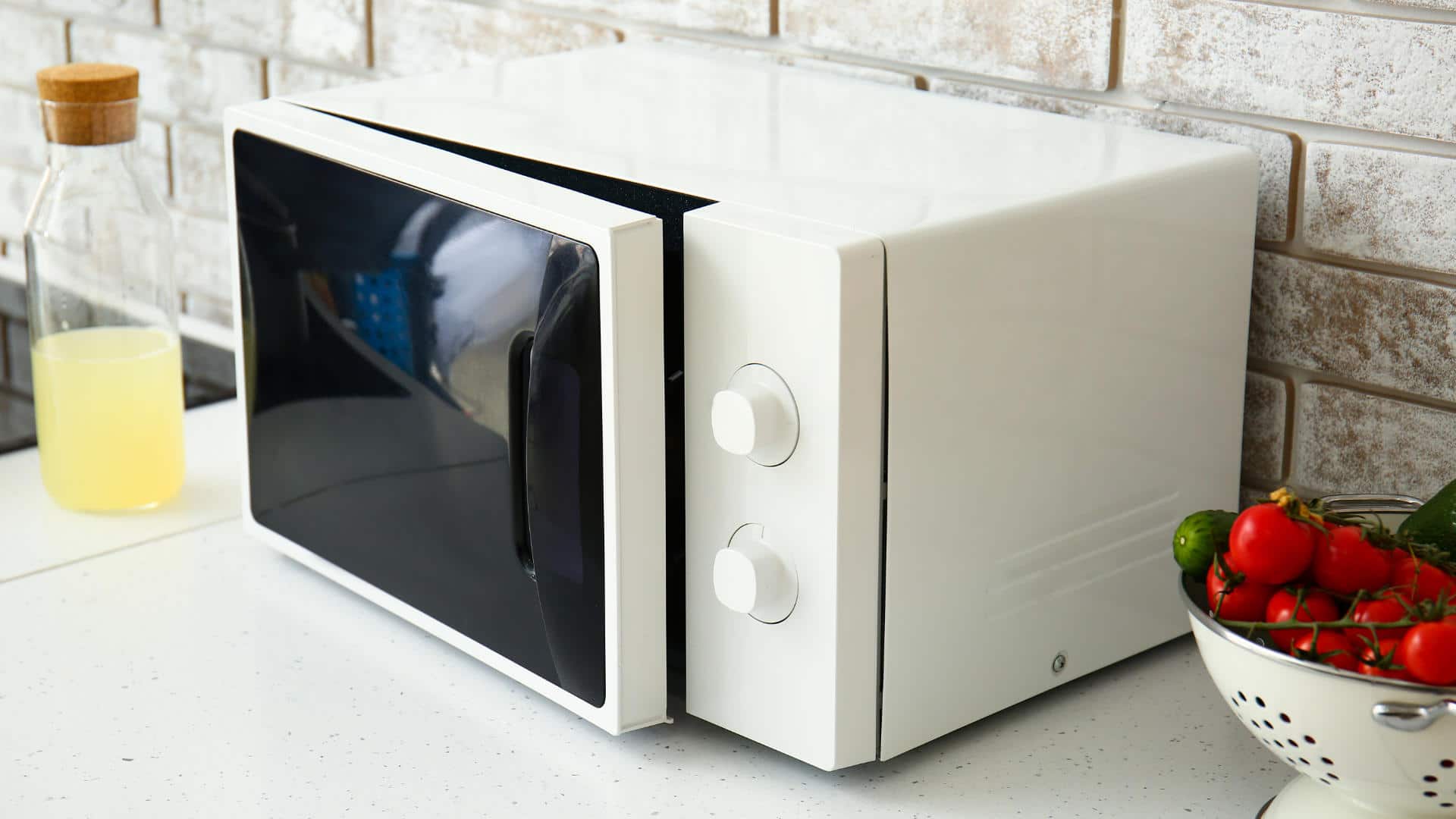




When it comes to modern kitchens, the microwave is one of the most indispensable appliances. Quick, convenient, and versatile, it helps us heat leftovers, defrost frozen foods, and even cook full meals. But while microwaves are great for fast food prep, they come with a few guidelines and rules that should not be ignored. One of the most important (and often violated) rules is the use of aluminum foil in the microwave.
While it might seem harmless to throw in a small piece of aluminum foil or even cover a bowl with it, doing so can result in serious consequences ranging from sparks, fire, and damage to your microwave to potential health risks. But why exactly should you never use aluminum foil in a microwave? Let’s dive into the science and safety of this kitchen conundrum.
The Microwave and Metal: An Incompatible Pair
Before understanding why aluminum foil is a bad idea in the microwave, let’s first get familiar with how microwaves work. At their core, microwaves are a form of electromagnetic radiation that causes water molecules in food to vibrate rapidly. This vibration produces heat, which cooks the food. It’s the same principle behind how your cellphone uses electromagnetic waves to transmit information, but in the case of food, those waves are designed to heat and cook.
Now, here’s where things get tricky: microwaves rely on the interaction between electromagnetic waves and the food’s water molecules. When metal—like aluminum foil—is introduced, it creates an issue. Aluminum, being a metal, does not absorb microwaves like food does. Instead, it reflects and redirects those waves. This disruption can cause a range of problematic reactions.
The Science Behind Sparking
The most immediate and obvious danger of using aluminum foil in a microwave is the risk of sparks. When microwaves hit metal objects like aluminum foil, they cause the metal to move electrons around. These electrons can build up at the edges or points of the foil, where the material is thinner or more pointed. This causes an electric discharge—sparks. You may have seen tiny, glowing sparks or heard a crackling sound when you’ve accidentally microwaved something wrapped in foil.
Why does this happen? The answer lies in the way electric fields behave around sharp points or edges. In a microwave, the electromagnetic waves bounce around and focus on these points of the metal. When the foil is not flat or smooth (for example, when it’s crinkled or folded), the electrical fields concentrate on the raised parts, leading to an increased potential for sparks.
Are Sparks Dangerous?
Yes. While a few small sparks might not set off an immediate fire, they can create enough heat to ignite other materials inside the microwave, such as food packaging, paper towels, or even grease stains on the microwave’s walls. Prolonged sparking can also cause long-term damage to the microwave’s components, particularly the magnetron—the part that generates the microwaves.
Fire Hazards

The microwave’s primary job is to generate heat and cook food, but aluminum foil can disrupt this process by creating intense localized heat. This can lead to fires in certain situations.
When aluminum foil gets too hot, the energy generated by the microwaves can ignite the foil or other nearby materials. This is especially true when the foil is placed near or touches the walls of the microwave, which can reflect the microwaves back onto the foil, increasing the risk of fire.
In extreme cases, when sparks continue to occur over time or when the foil is in close contact with a hot surface, the heat can escalate quickly, leading to a fire. This not only damages the microwave but can also be dangerous to you and your home.
Microwave Damage: A Costly Consequence
Aside from the obvious fire and safety concerns, using aluminum foil in the microwave can also lead to costly damage to the appliance itself. Here’s how:
- Magnetron Damage: The magnetron is the heart of the microwave—it generates the microwaves that heat and cook food. If the magnetron gets exposed to intense electric fields caused by sparking aluminum foil, it can burn out or malfunction, rendering your microwave useless. Replacing a magnetron can be expensive, often costing more than replacing the entire microwave.
- Damage to the Interior: Sparks can cause burns, scorch marks, or pitting on the microwave’s interior. Over time, this damage may accumulate, impacting the efficiency of the appliance and possibly even creating dangerous conditions that compromise safety.
- Fire Risk to the Kitchen: Even if the microwave itself is spared from major damage, sparking aluminum foil can still result in a fire hazard that spreads beyond the appliance. It’s not worth risking a fire in your kitchen for something as simple as covering food with foil.
Aluminum Foil and Uneven Heating
Another reason aluminum foil doesn’t belong in the microwave is its effect on heating. As mentioned earlier, microwaves work by causing water molecules to vibrate, generating heat. When you wrap food in aluminum foil, it blocks those microwaves from reaching the food’s surface, preventing an even distribution of heat.

In some cases, if there is too much foil or if it’s tightly wrapped around the food, the interior of the food may remain cold or underheated. This can lead to uneven cooking or even partially raw food—especially dangerous when cooking meat, which could harbor harmful bacteria if not properly heated through.
The Case of Thin Aluminum Foil
While the main concern with aluminum foil in the microwave is its tendency to spark, not all aluminum foil is created equal. Thin sheets of foil, especially those that are crinkled or folded, can be more prone to sparking than thicker, smoother pieces. However, even thin sheets can cause problems, and they often lead to other issues such as uneven cooking.
To make matters worse, many people use aluminum foil in an attempt to shield certain parts of the food from microwave heat. For example, you might wrap chicken wings or a piece of fish to keep them from drying out. However, aluminum foil does not allow for the uniform heating of the food, and can still create hot spots and cooler areas.
The Exception: Microwave-Safe Foil Trays
While the general rule is to avoid aluminum foil in the microwave, there are certain exceptions to consider. Some specially designed aluminum trays or containers are labeled as microwave-safe. These are often used for ready-to-eat meals or restaurant takeout, and they are manufactured to withstand the heat and energy produced by microwaves without causing sparks or fires.
Even so, it’s important to double-check whether the foil containers are indeed microwave-safe. If they’re not clearly labeled or if you’re unsure, it’s best to avoid using them altogether.
Aluminum Foil in Other Appliances
While the microwave is the appliance most sensitive to aluminum foil, it’s also worth mentioning that this material can behave differently in other cooking appliances. For example, you might use aluminum foil in an oven to line trays or cover food to prevent over-browning. However, in an oven, the foil will not cause sparking because the heat source is not the same as a microwave’s electromagnetic waves.
In contrast, aluminum foil can sometimes be used in grills to help with cooking certain foods, but again, it’s important to follow specific guidelines, as the foil can still create fire hazards if misused.
How to Safely Use Aluminum in the Microwave
To safely use aluminum in the microwave (if it is necessary), follow these guidelines:
- Use Only Small Amounts: If you need to use aluminum foil, do so sparingly. Avoid wrapping food entirely in foil.
- Ensure the Foil Is Smooth: Wrinkled or crinkled foil is more likely to spark. If you must use foil, ensure it is flat and smooth.
- Do Not Let Foil Touch the Walls: Ensure the foil doesn’t touch the microwave walls, as this can create electric arcs, which could cause a fire.
- Cover with Microwave-Safe Lids: Instead of aluminum foil, opt for microwave-safe lids or covers made of glass or microwave-safe plastic to keep food moist or prevent splatters.
Conclusion: Always Be Cautious
Aluminum foil might seem like a convenient solution to certain kitchen dilemmas, but when it comes to the microwave, it’s best to play it safe. The potential for sparking, fires, and damage to your microwave is simply not worth the risk. Next time you need to heat up leftovers or cook a meal, be sure to leave the aluminum foil out of the microwave and choose safer alternatives instead.
By following the proper precautions, you can ensure your microwave stays in tip-top shape, your food is cooked evenly, and your kitchen remains a safe place to prepare meals.