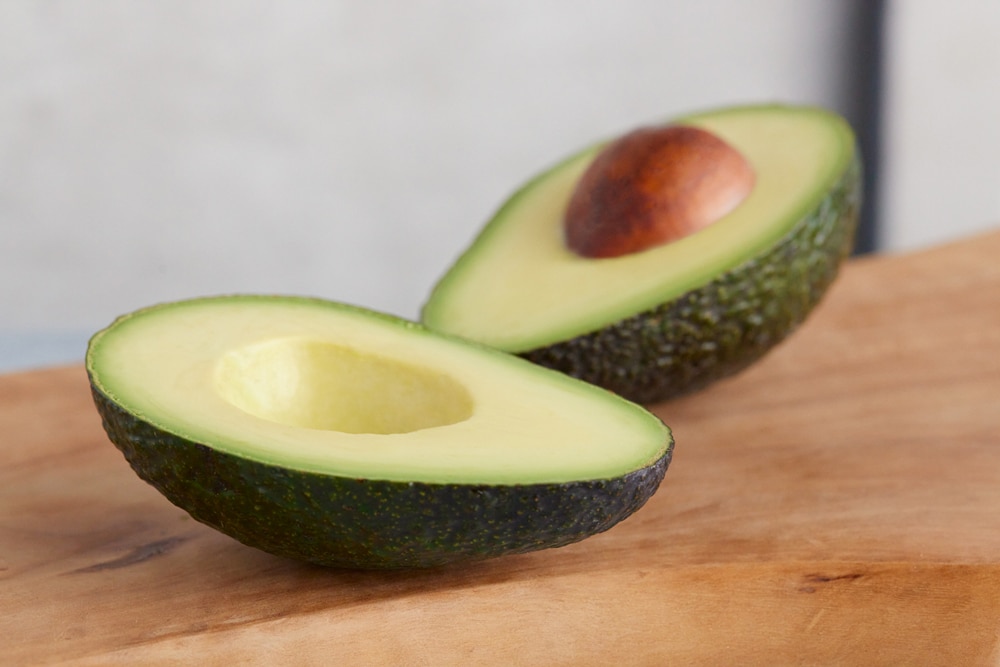




Avocados, with their rich, creamy texture and mild flavor, are a beloved fruit in many households. Whether they’re spread on toast, tossed in a salad, or blended into guacamole, they offer versatility that’s hard to beat. However, as many avocado lovers know, there’s one frustrating downside to this otherwise perfect fruit: it turns brown all too quickly. That vibrant green turns dull and unappetizing, and suddenly your avocado is no longer the centerpiece of your meal—it’s just another sad, brown mush.
So, how do you prevent avocados from turning brown? Fear not—there are a variety of effective methods to keep your avocados looking fresh and vibrant for longer. From simple kitchen hacks to innovative preservation techniques, we’ll dive into the science behind browning and explore the best ways to keep your avocados green and appetizing.
The Science Behind Browning
Before we jump into solutions, it’s important to understand why avocados turn brown in the first place. The culprit is a process called oxidation. When you cut an avocado open, the flesh is exposed to oxygen in the air. In response, enzymes in the fruit (primarily polyphenol oxidase) interact with oxygen and cause a chemical reaction that turns the avocado’s flesh brown. This is the same process that causes apples, bananas, and other fruits to brown when exposed to air.
Additionally, the high fat content of avocados makes the process of browning more visible. The fats oxidize quickly, which is why you’ll often notice the browning occurring more rapidly than with other fruits. While the browning doesn’t affect the taste of the avocado (it can still be eaten safely), it can be unappealing to look at, especially if you’re serving the fruit to guests or preparing a dish ahead of time.
Method 1: Use Lemon or Lime Juice
One of the most popular and effective ways to prevent avocados from turning brown is by using an acid like lemon or lime juice. The acid helps to slow down the oxidation process, as it lowers the pH level of the avocado flesh. This creates an environment that’s less conducive to the enzymatic browning reaction.
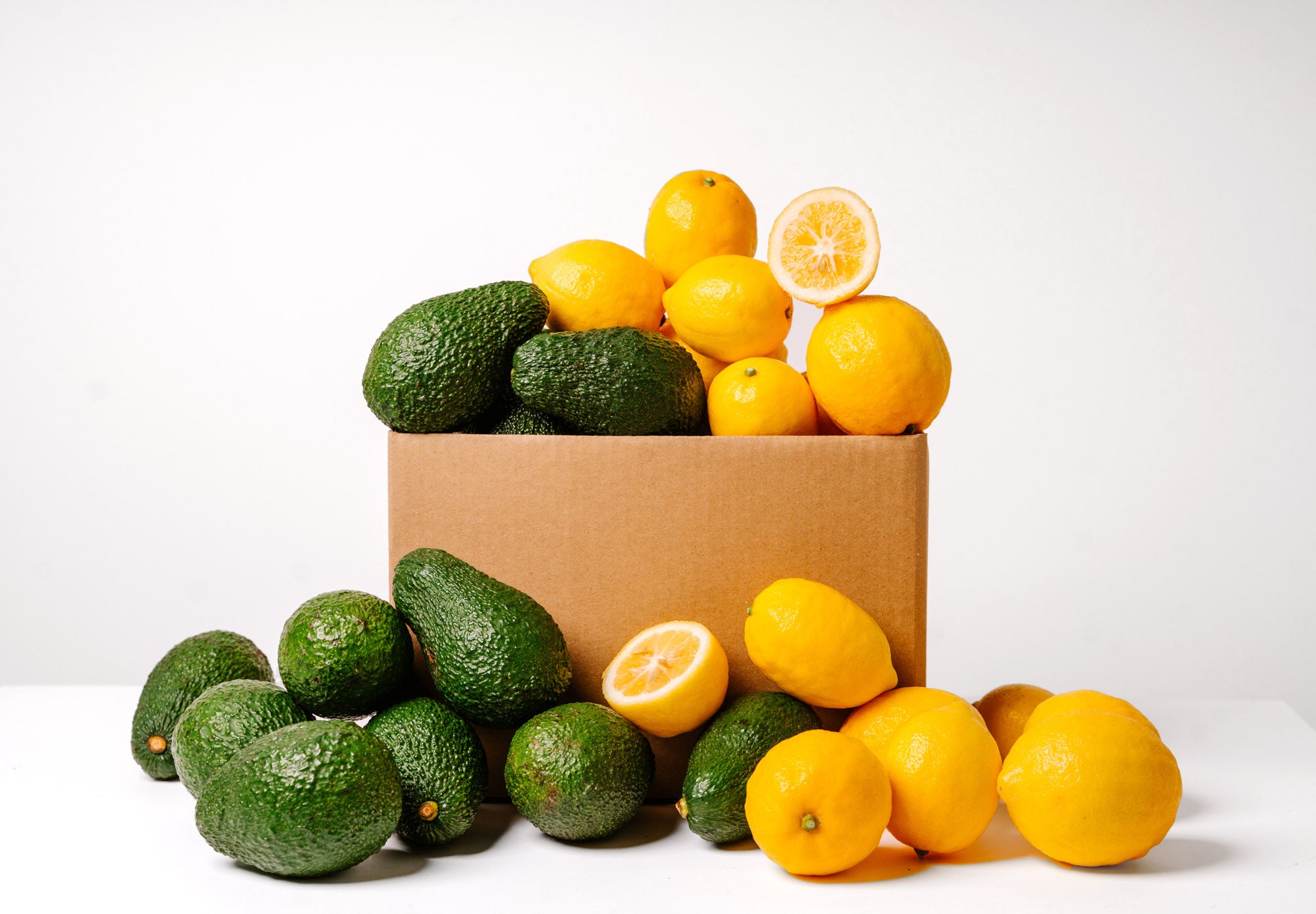
To use this method, simply squeeze fresh lemon or lime juice over the surface of your avocado after cutting it. Make sure the juice covers the exposed flesh evenly. Not only does the acidity help preserve the green color, but it also adds a tangy flavor that complements the avocado’s creamy texture.
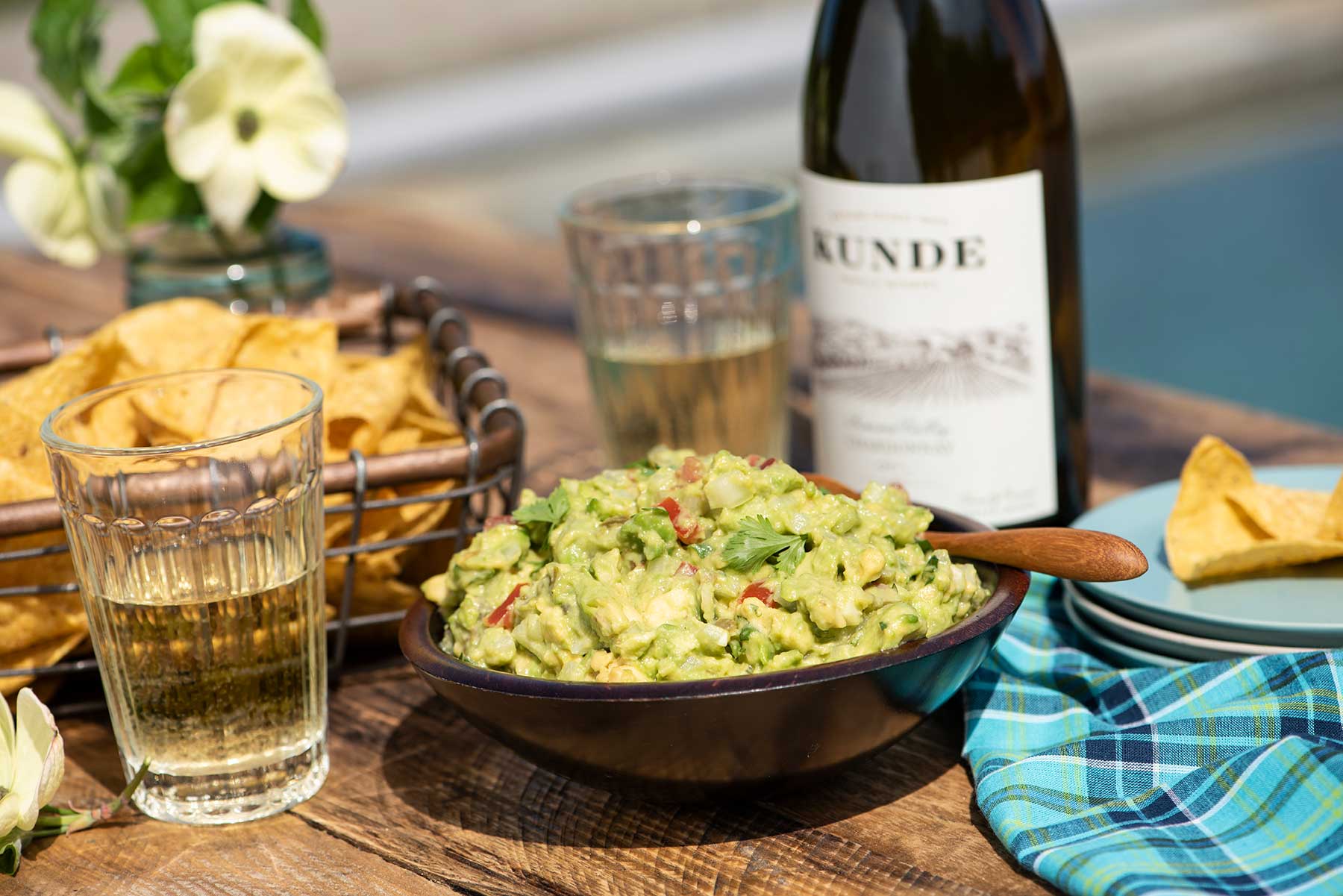
If you’re preparing guacamole, for instance, adding a bit of lime or lemon juice can prevent the mixture from turning brown too quickly. In fact, some chefs recommend adding extra citrus juice to guacamole to help preserve its freshness for a longer period of time.
Method 2: Olive Oil or Other Oils
Another effective technique involves using oil to coat the avocado. The oil creates a thin protective layer over the surface of the fruit, which helps to block oxygen from reaching the flesh and triggering the browning reaction. Extra virgin olive oil is a popular choice, thanks to its mild flavor and health benefits. However, you can also experiment with other oils like coconut oil, avocado oil, or even grapeseed oil.
Simply drizzle a small amount of oil over the cut avocado or guacamole and gently spread it around using a spoon or brush. This will not only help keep the avocado green, but it can also add a little extra flavor and moisture to the fruit, particularly if you’re making guacamole.
Method 3: Keep the Pit in Place
It’s common to see people remove the pit from their avocados after cutting them. While this is generally fine for preparing guacamole or salads, leaving the pit in place can help to reduce browning when you’re storing the leftover half. The pit acts as a natural barrier to oxygen, slowing down the oxidation process in the exposed flesh.
If you’re storing a halved avocado, make sure to leave the pit in the unused half and cover the flesh with plastic wrap or place it in an airtight container. This will keep the surface from being exposed to as much oxygen, helping to prevent browning.
Method 4: Use an Airtight Container
For longer-term storage, an airtight container can be your best friend. Air is the main culprit in causing browning, and by limiting the avocado’s exposure to it, you can extend its shelf life. After cutting your avocado, place the halves or slices in an airtight container and seal it tightly.
If you’ve already added lemon or lime juice, the combination of acid and reduced oxygen exposure will work wonders. For an added level of protection, you can also press a piece of plastic wrap directly onto the exposed flesh before sealing the container. This reduces the amount of air that can come in contact with the avocado.
Method 5: Submerge in Water
If you’re looking to store avocado halves or slices for a longer period of time, you can try submerging them in water. This method is particularly useful if you need to keep the avocado fresh for a day or two. By submerging the fruit in water, you essentially create a barrier between the avocado and the oxygen in the air, which prevents the oxidation process.
To do this, fill a container with water and place the avocado halves, cut side down, into the water. Be sure that the flesh is fully submerged. Seal the container and refrigerate it. This method works well for short-term storage, but it’s important to note that the texture of the avocado might change slightly after being submerged in water. While it may not be as firm as it was when fresh, it will still be usable for most dishes.
Method 6: Use a Vacuum Sealer
If you’re someone who buys avocados in bulk or prepares meals ahead of time, investing in a vacuum sealer can be a game-changer. Vacuum sealing removes air from the storage bag, which significantly reduces the oxygen exposure to the fruit. This is an excellent option for preserving avocados for a longer period of time.
To use a vacuum sealer, simply slice or halve your avocado and place it in a vacuum-seal bag. Follow the instructions on your vacuum sealer to remove the air and seal the bag. Once sealed, place the bag in the refrigerator. This method can keep your avocados fresh for several days, and the fruit will stay green and appetizing for a longer time.
Method 7: Store with Onions
This method may sound a bit strange, but it’s a surprisingly effective way to keep avocados from turning brown. Onions contain sulfur compounds that can help slow down the oxidation process. The key is to store the cut avocado with an onion in an airtight container. The onion’s natural gases help preserve the green color of the avocado.
To use this method, cut a small onion (preferably red onion) into large chunks and place them in the container with your cut avocado. Seal the container tightly and store it in the refrigerator. The onion will impart a slight flavor to the avocado, but the protection against oxidation is worth it if you’re looking to preserve your fruit for a couple of days.
Method 8: Freezing
For those who find themselves with an abundance of ripe avocados and no immediate use for them, freezing is an excellent option. Freezing avocados is a great way to preserve their nutrients and flavor for later use, although it’s best to freeze them in a form that will be easy to use once thawed.
To freeze avocados, start by cutting them in half and removing the pit. You can either freeze the halves, slices, or mash them. If you choose to freeze them in halves, brush the flesh with a bit of lemon or lime juice to reduce browning. If you’re mashing the avocado, mix in some lemon or lime juice and place the mixture in an airtight container or freezer bag.
When you’re ready to use the avocado, simply thaw it in the fridge overnight. While freezing may slightly alter the texture, the flavor will remain largely unchanged, making it perfect for smoothies, guacamole, or spreading on toast.
Method 9: Specialized Commercial Products
If you’re serious about keeping avocados fresh, there are also specialized commercial products available designed specifically to prevent browning. These products are often made with natural preservatives or anti-oxidants, such as ascorbic acid (vitamin C), and are safe to use on your avocados.
One example is the product “Keepers Fresh,” which is a spray that you can apply to your cut avocados. These sprays create a thin protective layer that slows down the oxidation process without altering the taste or texture of the fruit. Though not necessary for everyone, this can be a handy option if you’re looking for a quick and easy solution.
Conclusion: Keep Your Avocados Fresh
While it’s impossible to completely prevent the natural process of oxidation, there are many ways to delay it and keep your avocados looking fresh and green for longer. Whether it’s by adding citrus juice, using oils, storing them in airtight containers, or even freezing them, you can find a method that works for your lifestyle.
In the end, the key is minimizing the avocado’s exposure to oxygen, as well as adding a few ingredients to slow down the browning process. With the tips shared in this article, you’ll never have to worry about brown, mushy avocados ruining your meal again.