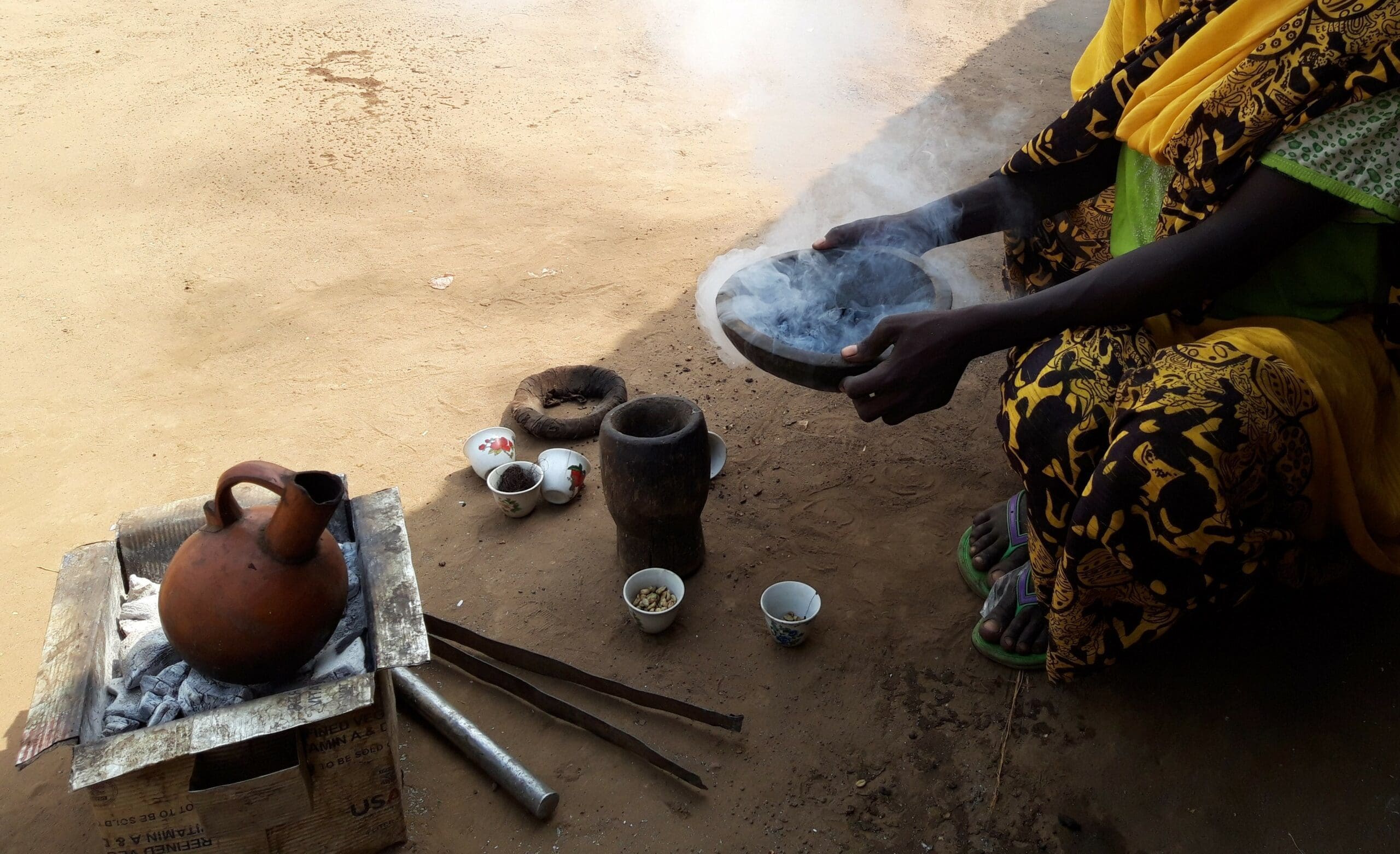




Coffee is more than just a drink; it’s a ritual, a culture, and for many, an essential part of daily life. Whether you’re a seasoned barista or someone who simply enjoys a cup before work, the quality of coffee can vary significantly depending on how it’s prepared. One question that often arises among coffee enthusiasts is whether freshly ground coffee truly tastes better than pre-ground varieties. The short answer is: yes. But why is that the case? Let’s dive into the science, the experience, and the art behind freshly ground coffee.
The Science Behind Coffee Grinding
When coffee beans are ground, they release essential oils and aromatic compounds that contribute to the flavor and aroma of the coffee. Freshly ground coffee ensures that these compounds are at their peak. As soon as beans are ground, the exposed surface area increases, causing the oils and volatile compounds to begin evaporating quickly. The longer ground coffee sits, the more it loses its aromatic potency.
Imagine a freshly baked loaf of bread compared to one that has been sitting out for hours. The initial aroma is powerful, but as time passes, it diminishes. Coffee beans behave similarly. Grinding them just before brewing locks in that fresh, aromatic essence, leading to a more vibrant and flavorful cup.
Why Freshly Ground Coffee Tastes Better
1. Enhanced Freshness and Flavor
:max_bytes(150000):strip_icc()/GettyImages-1385498267-26afb5e579324a5ba94633ee054f66d6.jpg)
The primary reason freshly ground coffee tastes better is because of the preservation of the bean’s volatile compounds. Coffee’s flavor profile is made up of hundreds of compounds, including acids, sugars, oils, and more. When coffee is ground, these compounds are released into the air. Ground coffee that has sat for days or weeks will lose many of these volatile compounds due to exposure to air. Freshly ground coffee retains more of these compounds, resulting in a richer, fuller flavor that’s more aromatic.
2. Improved Aroma
The aroma of coffee is an integral part of its appeal. Studies have shown that aroma plays a significant role in how we perceive the taste of food and beverages. Freshly ground coffee offers an intense, fragrant smell that pre-ground coffee simply cannot match. The smell of a freshly brewed cup of coffee made from beans ground just moments before brewing can elevate the entire experience. It’s not just about taste – the olfactory experience plays a huge role in how we enjoy our coffee.
3. Better Control Over Grind Size
The grind size of coffee has a major influence on the extraction process during brewing. Whether you’re brewing with a drip machine, French press, espresso maker, or pour-over, the grind size determines how the water interacts with the coffee grounds. Freshly ground coffee gives you full control over the grind size, allowing you to tailor it to your brewing method. Pre-ground coffee is usually standardized for one brewing method, which may not suit your particular preferences.
4. Fresher Beans, Better Taste
Coffee beans are roasted to perfection and then packaged for sale. But the clock starts ticking once they’re roasted. Over time, the beans begin to lose their freshness due to oxidation, a natural process where exposure to air breaks down compounds that contribute to the flavor. Grinding the beans just before brewing minimizes the amount of oxidation that happens, as the grinding process immediately exposes the surface area. Therefore, your coffee tastes as fresh as possible when ground just before brewing.
Grind Size: The Key to Flavor Extraction
As mentioned, grind size is essential in determining the outcome of your coffee. Different brewing methods require different grind sizes for optimal extraction. For example, espresso requires a fine grind, while French press coffee benefits from a coarse grind. By grinding your coffee fresh, you can adjust the grind size to match your preferred brewing method, ensuring that the coffee extraction process is just right.
Grind Size and Brewing Methods
- Espresso: Fine grind. The water passes through quickly, requiring a finer grind for proper extraction.
- Drip Coffee: Medium grind. This is a balanced grind that works well with drip machines.
- French Press: Coarse grind. The larger coffee grounds are better suited for steeping in water for longer periods.
- Pour-Over: Medium to medium-fine grind. It’s a delicate balance that requires consistent grind size for even extraction.
When you grind fresh, you can experiment with different grind sizes and find the perfect one for your taste buds.
Coffee Storage: Freshness Matters
It’s not just about the grinding process – how you store your coffee is equally important. Freshly ground coffee needs to be brewed relatively quickly for the best flavor. If you grind too much at once, the remaining coffee should be stored in an airtight container, away from light and heat. The best containers are opaque, airtight, and can hold the coffee in small batches to reduce exposure to air. This helps to preserve the freshness of the coffee for a longer period, but keep in mind that even with the best storage methods, freshly ground coffee starts to lose its vibrancy within hours.
Whole beans, on the other hand, maintain their freshness longer than ground coffee. If you want to keep your coffee tasting fresh, buy whole beans and grind them just before brewing.
The Psychological Effect: Brewing Coffee Is an Experience
For many, grinding coffee beans fresh isn’t just about the taste – it’s about the experience. The sound of the grinder, the rich aroma that fills the kitchen, and the anticipation of that first sip all contribute to the ritual. There’s a certain satisfaction in controlling every step of the brewing process. Grinding fresh beans allows coffee lovers to engage with their drink in a more intimate way, creating a more enjoyable overall experience.
Even if you don’t have the most expensive grinder, the act of grinding your coffee beans can elevate the entire coffee-drinking experience. It’s about taking the time to craft something special.
Types of Coffee Grinders
The type of grinder you use also affects the quality of your coffee. There are two main types of coffee grinders: blade grinders and burr grinders.
- Blade Grinders: These are the most affordable grinders and use a spinning blade to chop the coffee beans. They tend to produce uneven grinds, which can lead to uneven extraction and inconsistent flavor.
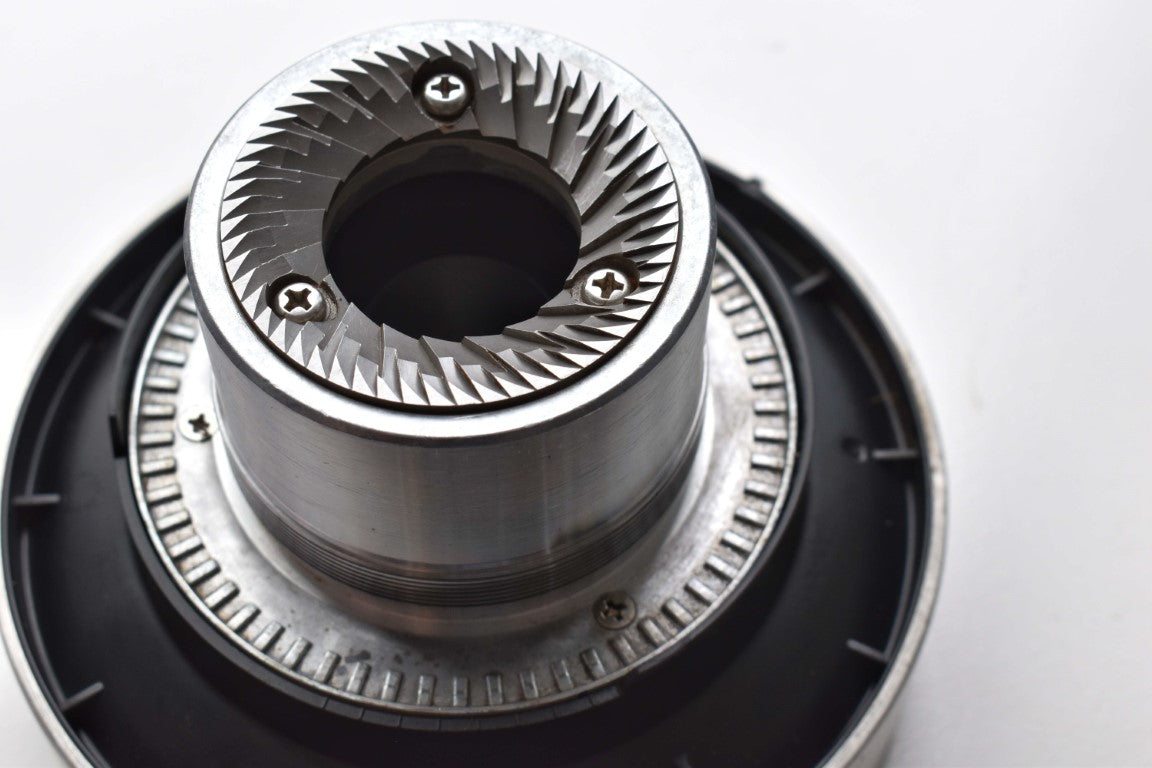
- Burr Grinders: Burr grinders are the preferred choice for coffee aficionados. They crush the beans between two burrs, producing a consistent grind size. This uniformity ensures a more even extraction and, therefore, a better cup of coffee.
If you want to experience the full flavor potential of freshly ground coffee, investing in a burr grinder is worth considering.
The Bottom Line: Does Fresh Ground Coffee Taste Better?
After exploring the science, the experience, and the art of coffee grinding, it’s clear that freshly ground coffee does taste better. The enhanced freshness, improved aroma, and ability to control grind size all contribute to a superior cup of coffee. The fresher the coffee, the more vibrant and flavorful it is. While pre-ground coffee might be convenient, it cannot compete with the richness and depth of flavor that comes from grinding your own beans just before brewing.
For true coffee lovers, grinding beans fresh is an essential step in the journey to the perfect cup. It’s not just about the taste – it’s about fully experiencing coffee, from the moment you grind the beans to the moment you take that first sip.