



Leather crafting is a beautiful balance of art and skill, a world where raw materials transform into functional and stunning works of art. If you’re stepping into this fascinating craft, the tools you choose will be your closest companions. Every cut, stitch, and finish depends on them. But the sheer number of tools available can be overwhelming for beginners. Fear not—this guide will unravel the must-have tools for an aspiring leather crafter, explaining what they are, why they matter, and how to use them like a pro.
Understanding Leather and Its Needs
Before diving into tools, let’s set the stage. Leather is not just fabric—it’s a living, breathing material. Different types of leather—vegetable-tanned, chrome-tanned, oil-tanned—have unique properties. Vegetable-tanned leather is stiff at first but molds beautifully over time. Chrome-tanned leather is soft, pliable, and easier to work with but reacts differently to dyes and finishes. Understanding your leather will guide your tool choices and techniques.
When you craft leather, the process generally involves:
- Cutting: Shaping the leather into the desired pattern.
- Marking: Planning stitches, cuts, and impressions.
- Punching: Creating holes for stitching or decoration.
- Stitching: Joining pieces together.
- Finishing: Edge polishing, dyeing, and sealing.
Each step requires specific tools, and having the right ones ensures clean, professional results.
Cutting Tools: The Precision Starts Here
Cutting leather isn’t like slicing paper. It demands precision, sharpness, and control. The wrong tool can ruin a hide. Here are the essentials:
1. Utility Knife / Craft Knife
A sharp, sturdy knife is indispensable. Look for one with interchangeable blades so you can always maintain a razor edge. For beginners, a standard craft knife works well, but as you progress, consider a rotary cutter for curved lines or intricate shapes.
Pro Tip: Always use a self-healing cutting mat to protect your blades and workspace.
2. Leather Shears
These are heavy-duty scissors made specifically for leather. They’re ideal for cutting large sections quickly. Shears with ergonomic handles reduce hand fatigue.
3. Rotary Cutter
A tool borrowed from fabric crafting, a rotary cutter can glide through thinner leather smoothly. It’s perfect for straight lines and repetitive cuts.
Measuring and Marking Tools: Accuracy Matters
A clean cut is only half the battle. Marking and measuring accurately ensures that pieces fit together perfectly.
4. Ruler and Straightedge
Metal rulers are preferred. They resist cutting marks and provide a firm guide for knives. A clear acrylic ruler is helpful for visibility when working with patterns.
5. Wing Divider
Used for scribing lines and spacing stitching holes, a wing divider is essential for precision. It allows you to mark parallel lines or create equal spacing, critical for hand-stitching.
6. Scratch Awl
A scratch awl is your best friend for marking, scoring, and even piercing leather lightly. It leaves temporary marks that disappear after finishing.
7. Pattern Paper
Tracing and transferring patterns onto leather is easier with sturdy pattern paper. Waxed paper can also prevent sticking when transferring designs.

Punching and Stamping Tools: Adding Function and Flair
Leathercraft is incomplete without holes, slots, and decorative touches.
8. Hole Punch Set
A rotary or individual hole punch is essential for creating stitching holes or rivet slots. Sizes usually range from 1mm to 6mm. Always match the punch size to your thread thickness for clean stitches.
9. Stitching Chisels
These tools punch evenly spaced holes for stitching. They come in prong counts (2-prong, 4-prong, etc.). Using chisels saves time and ensures uniformity, making your work look professional.
10. Edge Creasers
Edge creasers add decorative lines along the edges and help guide stitches. They are small but significantly enhance the aesthetic of your pieces.
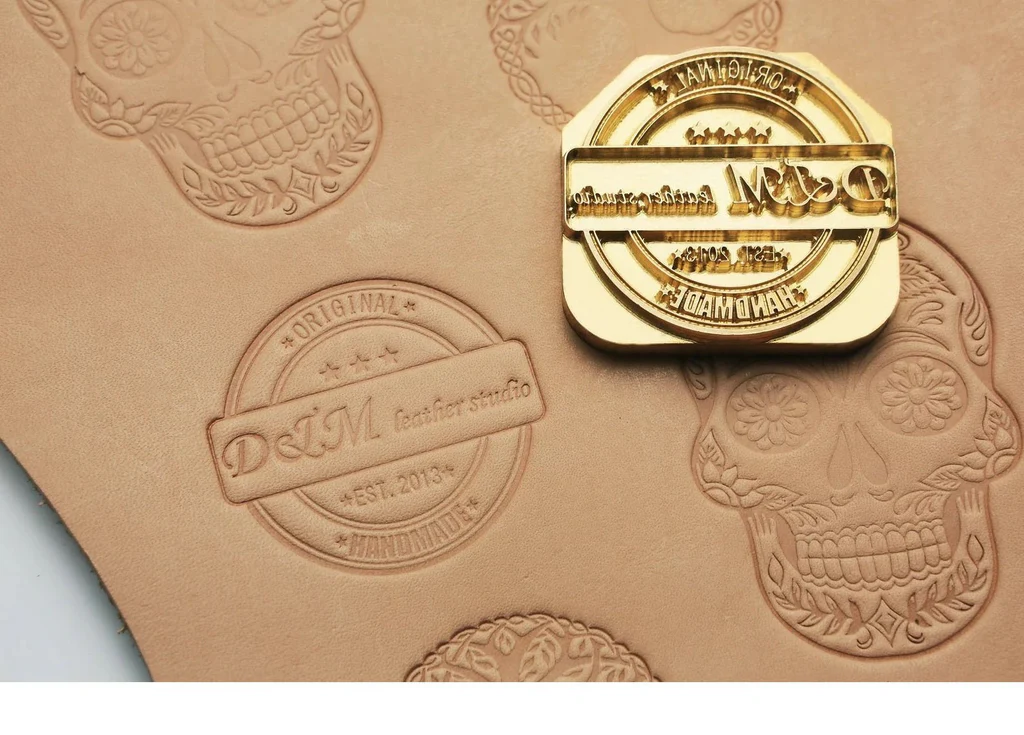
11. Stamping Tools
Want to personalize leather with patterns or logos? Stamping tools allow for embossing letters, textures, or designs. Combined with a mallet, these tools turn plain leather into art.
Stitching Tools: The Heart of Leathercraft
Stitching is where craft meets craftsmanship. Strong, neat stitches make leather products durable and elegant.
12. Needles
Leather needles are thick and strong, designed to pierce tough material without bending. Blunt tip needles are for sewing pre-punched holes, while sharp needles are for piercing through thin leather.
13. Thread
Waxed polyester or nylon thread is standard. Wax adds friction, keeping stitches tight and reducing fraying. Colors vary—matching or contrasting threads create different styles.
14. Thimble
A leather thimble protects your fingers when pushing needles through tough leather. Metal or plastic options are available, but metal provides superior protection for thicker hides.
15. Stitching Pony / Clamp
A stitching pony is a small vice that holds leather pieces together while you sew. It frees both hands for precise stitching and is essential for long projects.
Pro Tip: Hand-stitching with a saddle stitch ensures durability far beyond machine stitching.
Edge Finishing Tools: Smooth is Beautiful
The edges of leather define the overall look. Rough edges can make even a perfectly stitched project look amateurish.
16. Edge Beveler
This tool rounds off sharp edges, giving a clean and professional finish. Bevelers come in various sizes to match leather thickness.

17. Burnishing Tools
Edge burnishers polish edges by friction, giving them a shiny, smooth finish. Materials include wood, bone, or synthetic rods. Combine with water or gum tragacanth for a glossy, professional look.
18. Sanding Blocks
Sanding edges lightly before burnishing can remove unevenness and prep leather for dyeing. Fine-grit sandpaper is recommended.
Dyeing and Finishing Tools: Bringing Leather to Life
Color, texture, and protection are critical. Finishing tools help leather look vibrant while extending its lifespan.
19. Leather Dyes
Available in water- and alcohol-based varieties, dyes penetrate leather to add color. Brushes, sponges, or daubers help apply dye evenly.
20. Applicator Sponges and Brushes
For consistent results, use clean sponges or brushes. Natural fibers often work better for smooth coverage.
21. Leather Conditioner
After dyeing, conditioners restore oils, prevent cracking, and enhance suppleness. Beeswax or specialized leather balms are ideal.
22. Finishing Slickers
These tools help smooth the leather surface and polish it for a professional sheen. Some are used with finishing compounds or wax for extra luster.
Hardware Tools: Assembly Made Easy
Some projects require metal hardware, such as buckles, snaps, or rivets. Specialized tools make installation neat and durable.
23. Rivet Setter
Rivets secure straps or add decorative touches. A proper setter ensures even pressure and prevents damaging leather.
24. Snap Setter
Snaps can replace buttons or clasps. Snap setters come in different sizes for standard or decorative snaps.
25. Hole Punch for Hardware
A specialized punch for buckles, eyelets, or D-rings ensures perfect holes without tearing the leather.
Safety Essentials: Protect Yourself
Leather crafting is fun, but safety matters.
26. Cut-Resistant Gloves
When using knives or chisels, gloves prevent accidental cuts.
27. Protective Apron
Leather shavings, dyes, and tools can create a mess. A thick apron protects clothing and skin.
28. Proper Lighting
A well-lit workspace prevents mistakes and protects your eyes during fine detail work.
Organizing Your Leather Workshop
Having tools is not enough. Organization speeds up workflow, reduces frustration, and makes your workspace inspiring.
- Tool Roll: Keeps frequently used tools handy.
- Storage Boxes: Separate punches, stamps, and hardware.
- Pegboards: Hang tools for easy access and visibility.
Conclusion: Investing in Your Craft
Leather crafting is a journey, and tools are the first step toward mastery. You don’t need every tool on day one, but investing in quality essentials ensures smoother learning, better results, and a more enjoyable experience. Start with knives, rulers, needles, thread, and punches, then gradually expand your toolkit. Remember, great tools paired with patience and practice transform raw leather into timeless creations.