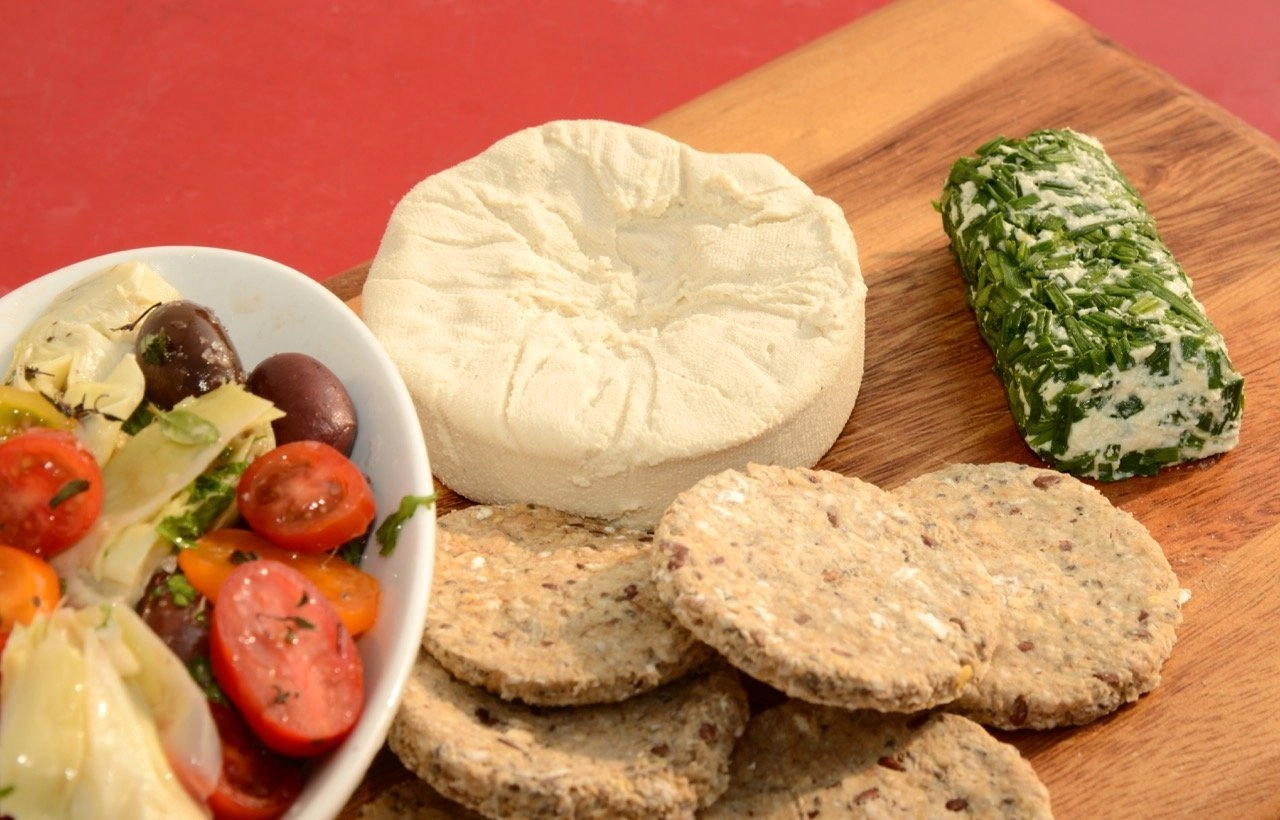




In the world of plant-based foods, few challenges are as elusive as creating the perfect vegan cheese. For those who are accustomed to the creamy, tangy, and melt-in-your-mouth goodness of dairy cheese, the search for a suitable vegan alternative has been a long journey. After all, how can we replicate the taste, texture, and functionality of traditional cheese without any dairy?
Fear not! With the right ingredients, techniques, and a touch of creativity, vegan cheese can be every bit as indulgent as its dairy counterpart. But what’s the secret? Let’s break it down.
The Basics of Vegan Cheese
At its core, vegan cheese is made by replacing the dairy ingredients with plant-based alternatives. The common goal is to mimic the taste, texture, and meltability of cheese, but there’s a lot of science and artistry involved. While you won’t find cow’s milk, cream, or butter in vegan cheese, you will find other ingredients that help create the desired flavors and textures. The key components include:
- Base ingredients: Nuts, seeds, tofu, and legumes are commonly used to form the foundation of vegan cheese. Cashews, for example, are known for their creamy texture, while almonds and sunflower seeds bring their own unique qualities.
- Fermentation: This is the secret ingredient that transforms a basic mixture into something with that “cheese-like” tang. While traditional cheese is fermented with bacterial cultures, in vegan cheese, we can use probiotic-rich foods like miso, nutritional yeast, or fermented plant milks to create the signature sour note.
- Flavoring: This is where the magic happens. A blend of ingredients like garlic, onion, lemon juice, apple cider vinegar, and mustard can give the vegan cheese its flavor depth. Nutritional yeast is often used to give it a cheesy, umami flavor, while a touch of salt helps balance everything.
- Texture enhancers: Agar-agar, tapioca flour, and arrowroot powder are commonly used to mimic the firm, stretchy, or melty texture of traditional cheese. These ingredients help provide structure to the cheese without needing dairy.
- Fat content: Vegan cheeses often rely on fats like coconut oil, olive oil, and avocado to achieve a rich, creamy mouthfeel. The fat helps balance the other ingredients, making the cheese more decadent and satisfying.
The Three Key Components of Perfect Vegan Cheese
To truly nail the art of vegan cheese-making, you need to master three critical elements: taste, texture, and meltability. Let’s dive into each one.
1. Achieving the Perfect Taste
When it comes to flavor, vegan cheese doesn’t have to taste exactly like dairy cheese—it just needs to hit the right notes. Dairy cheese gets its distinctive flavor from the combination of milk fat and fermentation, and vegan cheese can do the same thing with plant-based ingredients.
Fermentation and Probiotics
As mentioned earlier, fermentation is a key part of creating that tangy, sour flavor we associate with cheese. If you’re making a soft cheese, you can use probiotic capsules or fermented foods like miso or sauerkraut to achieve that effect. For firmer cheeses, you can use aged nut cheeses, which naturally develop complex flavors as they sit and ferment.
Flavor Profiles
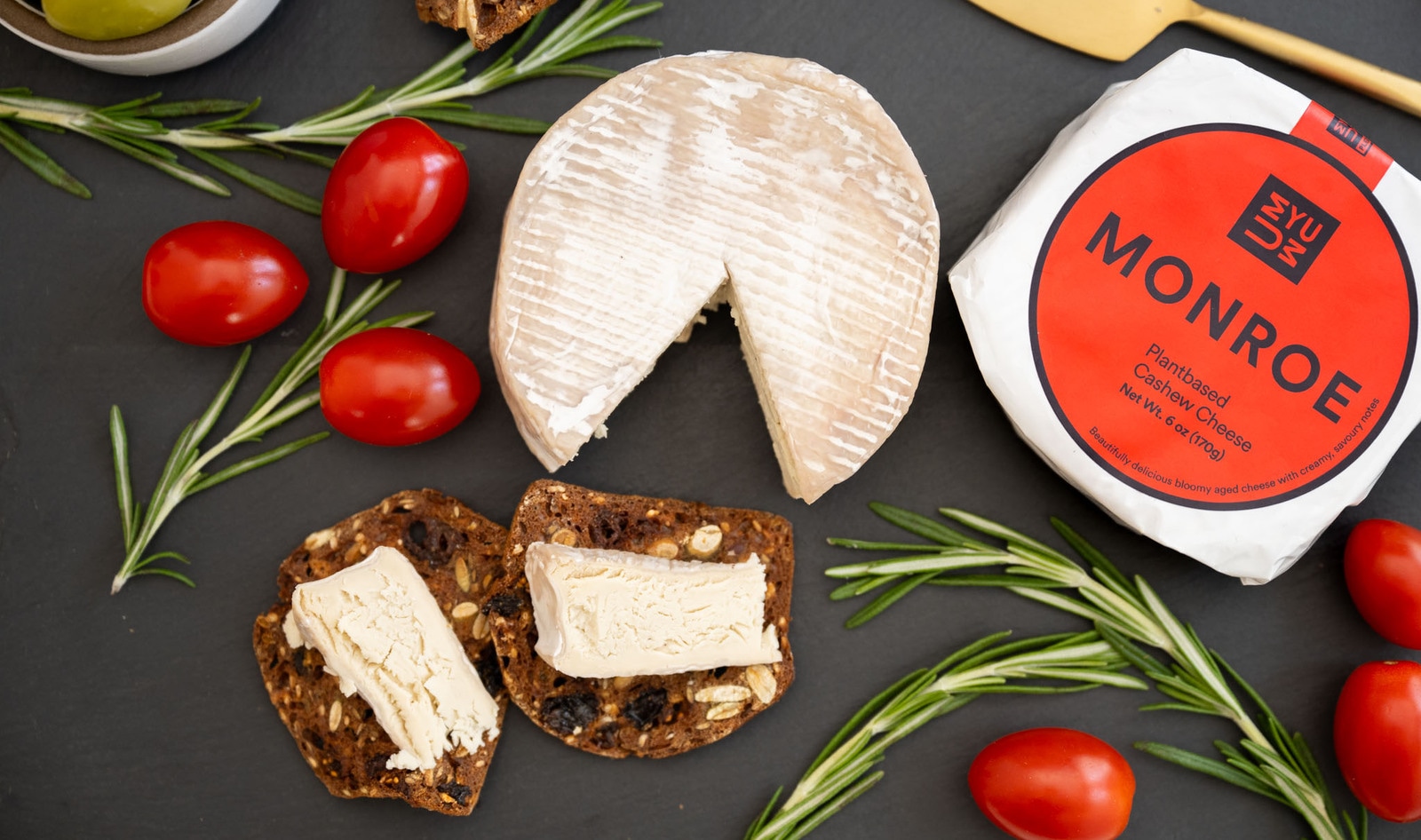
Vegan cheese can come in all sorts of flavor profiles, just like dairy cheese. You can go for a mild, nutty flavor like a cashew-based cream cheese or something sharp and tangy like a cultured almond cheese. Spices and herbs like garlic, onion powder, smoked paprika, and fresh herbs can elevate your cheese to match a specific style (think: herbed goat cheese or smoked cheddar).
A good trick is to experiment with acidifying agents. Apple cider vinegar, lemon juice, and even white wine vinegar can all give a cheese-like acidity that balances the richness of the fat in your base ingredients.
2. Mastering Texture
The texture of cheese is arguably the hardest thing to replicate. Dairy cheese has a variety of textures—some are smooth and creamy, while others are firm and crumbly. To create similar textures in vegan cheese, you need to play around with the right ingredients and techniques.
Creamy, Soft Cheeses
For creamy cheeses like ricotta, cream cheese, or goat cheese, blending cashews, almonds, or sunflower seeds with water creates a smooth base. Adding a small amount of coconut oil or olive oil can help make the cheese more velvety.
Firm, Aged Cheeses
Firm cheeses like cheddar or gouda require a different approach. In this case, you will need to use a thicker base like soaked cashews or soaked almonds combined with agar-agar or arrowroot powder for added structure. Once you’ve blended the ingredients, cook them on low heat to activate the thickening agents. After letting the cheese cool, it will firm up, much like a block of dairy cheese.
Stretchy Cheeses
To achieve a meltable, stretchy cheese (think mozzarella on pizza), tapioca starch is your best friend. It gives the cheese that delightful gooey stretch when melted. You can combine tapioca with a base like soaked cashews and seasonings to make a cheese that stretches beautifully when baked.
3. The Science of Meltability
One of the most debated aspects of vegan cheese is meltability. Many plant-based cheeses just don’t melt the same way dairy cheese does, but the right techniques and ingredients can help mimic the stretchy, melty consistency.
Tapioca Starch and Agar
As mentioned before, tapioca starch is a game-changer for creating that stretchy, meltable consistency. Combine it with a creamy base (like cashew cream or coconut milk), and you’ve got yourself a cheese that will melt into gooey perfection.
Agar-agar is another key ingredient for creating firmness in cheese. While agar doesn’t melt the same way as dairy cheese, it does provide structure. For a firm cheese that slices well, agar is your go-to.

Oil and Fat
Fat plays a significant role in both flavor and meltability. Coconut oil, for example, remains solid at room temperature, which helps create a firm yet melty cheese when combined with other ingredients. Oils like olive oil or avocado oil can also provide that creamy texture when melted.
Types of Vegan Cheese
Once you’ve got the basics down, you can start experimenting with different styles of cheese. Below are some popular types of vegan cheeses and how to create them.
1. Vegan Cream Cheese
Cream cheese is one of the easiest vegan cheeses to make. Start with cashews or almonds as a base, blend with water, and add lemon juice, apple cider vinegar, and salt for tang. For a firmer version, let it sit in the fridge for a few hours to thicken.
2. Vegan Mozzarella
Mozzarella is one of the most challenging vegan cheeses to master, mainly because of its meltability. To get it right, you’ll need a combination of tapioca flour, soaked cashews, lemon juice, and coconut oil. The result is a cheese that stretches when melted, perfect for pizza or lasagna.
3. Vegan Cheddar
Vegan cheddar requires a bit of patience. Soaked cashews combined with nutritional yeast, apple cider vinegar, and a bit of smoked paprika or turmeric for color create a cheddar-like flavor. Use agar-agar or arrowroot powder to give it that firm texture.
4. Vegan Parmesan
Vegan parmesan is one of the simplest vegan cheeses to make. All you need is cashews or almonds, nutritional yeast, garlic powder, and salt. Blend it all together until it’s finely ground, and you’ve got yourself a perfect topping for pasta or salads.
5. Vegan Blue Cheese
Creating a plant-based blue cheese involves fermenting a base of soaked cashews or almonds with a specific blend of probiotics. Add spices like garlic, onion powder, and mustard seeds, and let the mixture ferment in a warm place for several days. The result is a tangy, bold, and complex flavor that resembles dairy-based blue cheese.
The Future of Vegan Cheese
As the demand for plant-based foods grows, so does the innovation in vegan cheese-making. New ingredients and techniques are emerging that promise to make vegan cheese even more realistic. With more and more companies creating plant-based cheeses that mimic traditional varieties, the future of vegan cheese looks bright. From vegan camembert to vegan brie, we’re seeing an expansion of choices that cater to diverse tastes and preferences.
Final Tips for Perfect Vegan Cheese
- Experiment: Don’t be afraid to play with different nuts, seeds, and spices to find the perfect flavor profile for your vegan cheese.
- Be patient: Some cheeses require fermentation or aging to develop depth of flavor, so give yourself plenty of time to experiment and perfect your recipes.
- Store properly: Vegan cheese will last longest when stored in an airtight container in the fridge. For firmer cheeses, wrapping them in parchment paper and storing them in a sealed container will help maintain texture.