




In recent years, plant-based diets have gained enormous popularity—driven by health trends, environmental concerns, and a growing awareness of animal welfare. One of the biggest questions that often arises, though, is: Are plant-based dishes truly as flavorful as their meat-based counterparts?
For many, the rich, savory depth of flavor found in meat dishes seems irreplaceable. The umami that comes from beef, pork, or chicken is distinct and satisfying, and it’s often difficult to imagine a plant-based dish offering the same fullness of taste. But as plant-based cuisine evolves, there’s a growing body of evidence and culinary creativity that suggests these dishes are not only just as flavorful, but in some cases, even more exciting and complex.
In this article, we will dive deep into the science of flavor, explore common plant-based alternatives to meat, and consider how seasoning and cooking techniques can elevate plant-based dishes to rival (and sometimes surpass) meat in flavor complexity.
The Complexity of Flavor
To understand whether plant-based dishes can rival meat in flavor, we first need to understand how flavor works. Flavor is a combination of taste, smell, and texture, all of which contribute to our perception of a dish. While taste is limited to the basic sensations of sweet, salty, bitter, sour, and umami, smell and texture play an enormous role in how flavors are experienced.
Meat Flavors
Meat has a naturally rich, savory taste due to its amino acids, fats, and other compounds. It is particularly known for its umami—the fifth taste—which can be described as savory or meaty. Meat is also rich in fat, which carries flavor and provides a satisfying mouthfeel. The Maillard reaction, which occurs when meat is browned during cooking, further intensifies the depth of flavor and adds complexity.
Plant-Based Flavors
On the other hand, plant-based dishes rely heavily on the diversity of fruits, vegetables, grains, legumes, nuts, and seeds. These ingredients often contain their own naturally occurring sugars, acids, and compounds that contribute to a wide array of flavors. In fact, certain plant-based ingredients—like tomatoes, mushrooms, and fermented soy—can provide significant umami and a rich depth of flavor, sometimes surprising even the most skeptical carnivores.
The Science of Flavor
Flavor is not just about taste—it’s also about smell, texture, and how different components interact in the mouth. Let’s break down some of the key components that contribute to the flavor experience in both plant-based and meat-based dishes.
:max_bytes(150000):strip_icc()/green-pasta-FT-RECIPE0521-510d065cf45940fdb4e86b76000cfd80.jpg)
Umami: The Savory Flavor
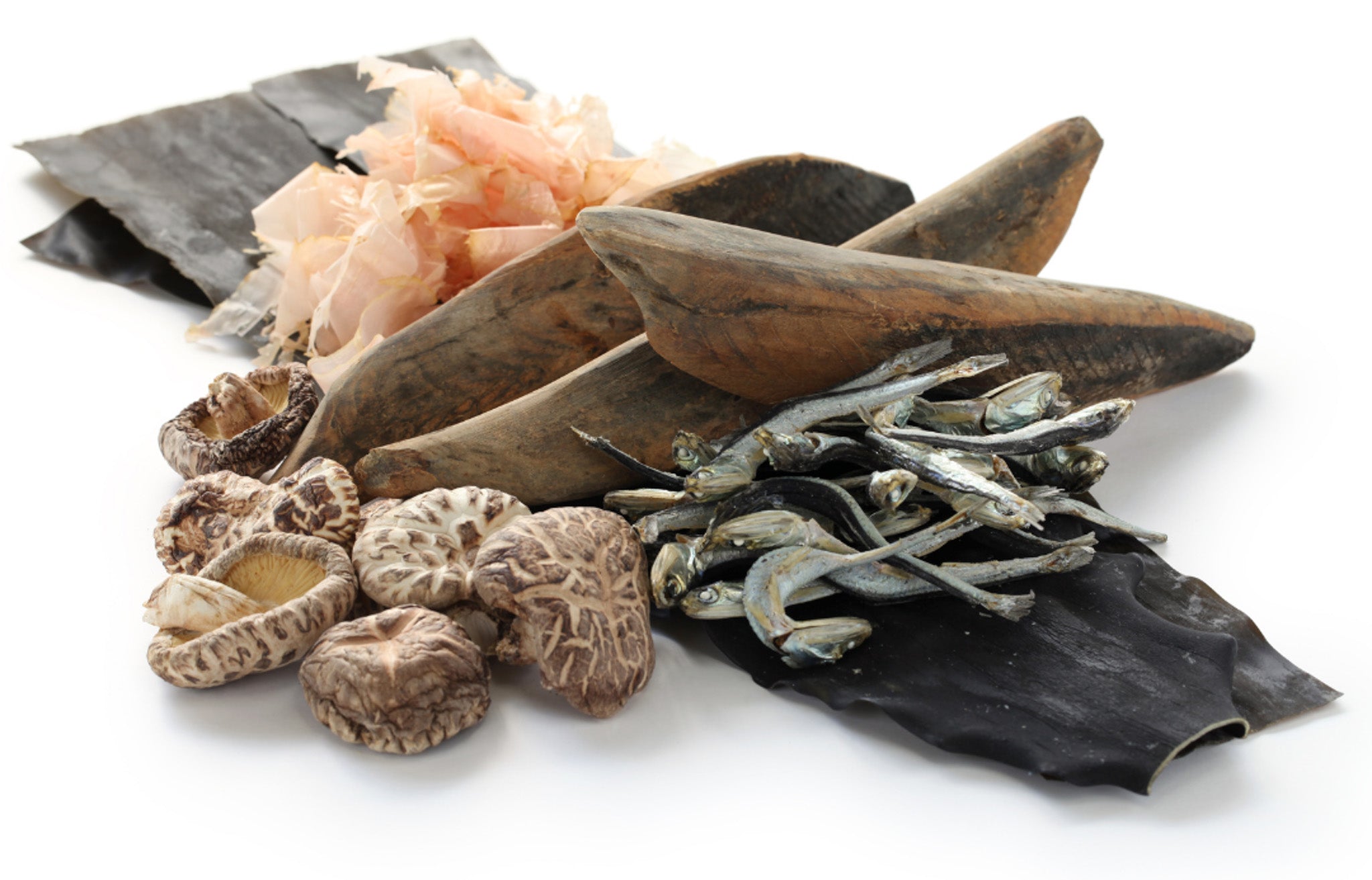
While meat is often associated with umami, plant-based foods are also rich in it. Foods like mushrooms, tomatoes, and seaweed contain glutamate, a compound that triggers the umami taste receptors. This allows them to deliver that savory, “meaty” taste that we crave. Soy products like tofu and tempeh also boast significant umami profiles, especially when fermented.
Sweetness and Acidity
Fruits and vegetables provide natural sugars that add sweetness to plant-based dishes, balancing out more bitter or sour flavors. In contrast to meat, which can be astringent or fatty, plant-based dishes often use vinegar or citrus to bring in acidity, adding brightness and lifting flavors.
Bitterness and Saltiness
Many plants, like kale and arugula, can have a bitter edge, which can be very complementary to other flavors when balanced properly. Additionally, salt is an essential part of any cooking process—both plant-based and meat-based dishes rely on salt to enhance flavors. It’s in the careful use of these elements that the complexity of flavor comes to life.
Common Plant-Based Alternatives to Meat
With advancements in food technology and an increased interest in plant-based eating, there are now a variety of meat alternatives that can mimic the flavor and texture of meat quite effectively. Let’s explore some of the most popular plant-based options.
Tofu
Tofu is perhaps the most well-known meat alternative, made from soybeans. It has a neutral flavor, which makes it an excellent canvas for taking on the taste of marinades and sauces. When cooked properly (e.g., by pressing to remove excess water and frying or grilling), tofu can be crispy on the outside while remaining tender on the inside.
Tempeh
Tempeh is another soy-based product, but it’s made from fermented soybeans, giving it a nutty, earthy flavor. Because it’s fermented, it also carries some of the complexity found in aged meats. Tempeh works well in dishes that require a firmer texture and has a deeper flavor profile than tofu.
Seitan
Seitan is made from wheat gluten and has a chewy, meat-like texture that can mimic the consistency of chicken or beef. It’s perfect for stir-fries, stews, and sandwiches. When seasoned properly, seitan can take on a wide variety of flavors, from smoky and spicy to savory and umami-rich.
Jackfruit
Jackfruit is a large tropical fruit that is often used as a meat substitute in savory dishes due to its fibrous, shredded texture. It’s particularly popular in plant-based versions of pulled pork or tacos. While jackfruit has a mild flavor, its ability to absorb marinades and spices makes it a versatile meat alternative.
Herbs, Spices, and Cooking Techniques
Plant-based cooking isn’t just about finding substitutes for meat—it’s also about unlocking flavor through creativity with herbs, spices, and cooking methods. This is where the real magic happens, as plants naturally have a wealth of flavors to offer when paired with the right seasonings and techniques.
Seasonings
Herbs and spices are the backbone of plant-based dishes. From garlic, onion, and ginger to more exotic spices like cumin, turmeric, and smoked paprika, the options are endless. The umami depth found in foods like miso paste, soy sauce, and tamari can bring plant-based dishes to a level of richness comparable to meat.
Cooking Techniques
The way we cook plant-based ingredients also plays a major role in their flavor. Grilling, roasting, and caramelizing vegetables bring out their natural sweetness and umami. Slow-cooking and fermenting can deepen the flavors of plant-based dishes, just like they do in meat dishes. For instance, fermented foods like sauerkraut or kimchi add an extra layer of tang and complexity.
Comparing Texture and Flavor
Texture is a vital component of how we perceive flavor. The chewiness of meat, the crispiness of skin, and the juiciness of a well-cooked steak all contribute to the flavor experience. While plant-based dishes don’t have the exact same textures as meat, many plant-based ingredients, like tempeh or seitan, can replicate the texture of meat quite well. Others, like avocado, provide a smooth, creamy texture that complements savory flavors.
The Perception of Plant-Based Flavors
Part of the challenge for plant-based dishes is the perception of flavor. Meat has long been considered the “gold standard” for savory flavor, and many people still associate plant-based foods with blandness or insipidity. However, as plant-based cooking becomes more mainstream and chefs continue to experiment, the idea that meat holds the monopoly on flavor is quickly being challenged. In fact, many diners now find plant-based dishes to be more exciting, with layers of complex flavors that surprise and delight.
Conclusion
So, are plant-based dishes truly as flavorful as meat? The answer is yes—and often more. By harnessing the power of umami-rich ingredients, expert use of herbs and spices, and innovative cooking techniques, plant-based dishes can deliver flavor complexity and satisfaction that rival or even surpass traditional meat-based dishes.
Plant-based eating doesn’t have to mean sacrificing flavor. In fact, it opens up a world of possibility for discovering new and exciting flavors that are just as rich, savory, and satisfying as any meat dish.