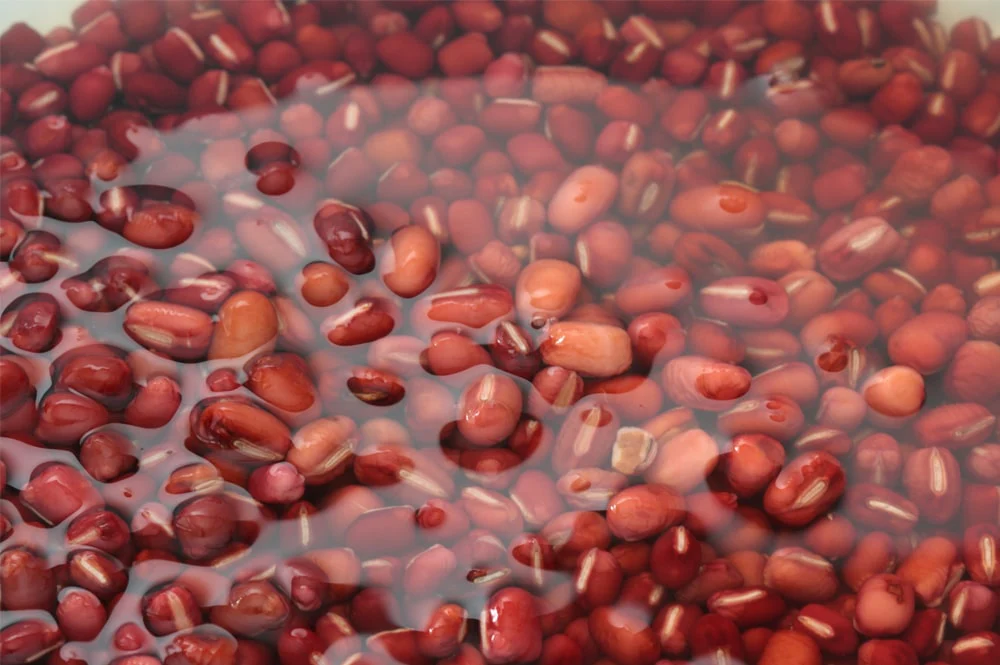




Beans, one of the most versatile and nutritious foods, have been a staple in diets across the world for centuries. They’re used in soups, stews, salads, and dips, providing essential protein, fiber, and minerals. However, when it comes to cooking beans, one crucial step that cannot be overlooked is soaking. The soaking process, whether done overnight or through a quick soak, significantly alters the texture of beans, making them more palatable and easier to cook.
In this article, we’ll dive into the science of soaking beans, why it’s important, and how it impacts their texture. We’ll also explore various methods of soaking and how they compare in terms of results. By the end, you’ll have a solid understanding of why soaking beans is not just a time-consuming step but a necessary one that enhances the eating experience.
The Basics: What Happens When You Soak Beans?
Beans are dry seeds that contain complex structures. When you first pick up a dried bean, it feels hard and brittle. The inside is protected by a tough outer shell that prevents moisture from penetrating. This is where soaking comes into play.
Soaking beans involves submerging them in water for an extended period, allowing them to absorb moisture. This process helps break down some of the chemical compounds that make beans difficult to digest and hard to cook. The change in texture, from a dry, tough seed to a soft and tender bean, is a direct result of this absorption.
Physical Changes
During soaking, water enters the beans through their outer shells and travels to the inner starches, causing them to swell. This process is called hydration, and it significantly impacts the bean’s texture.
- Absorption of Water: Beans are hydrophilic (water-loving), and when they soak, their starches and proteins absorb water and begin to swell. This can increase the bean’s size by up to 50% or more, depending on the type of bean.
- Softening of the Seed Coat: The hard outer layer of the bean softens as it absorbs moisture. This makes it easier to cook and prevents the beans from remaining tough after cooking.
- Protein Changes: Soaking also affects the proteins inside the beans. Water helps break down some of the protein chains, making them easier to digest and altering the texture. The breakdown of proteins is especially noticeable in beans like kidney beans, where soaking can lead to a softer, smoother texture.
- Reduction in Cooking Time: One of the most noticeable changes in texture after soaking is the reduction in cooking time. Beans that have been soaked cook much faster than those that have not been soaked, leading to a more even and consistent texture throughout.
Chemical Changes
Apart from the physical changes, soaking beans also triggers several chemical reactions that influence their texture.

- Reduction of Antinutrients: Beans contain antinutrients like phytic acid and lectins, which can inhibit the absorption of certain nutrients and cause digestive issues. Soaking helps reduce the levels of these antinutrients, making the beans not only easier to digest but also more nutritious.
- Starch Gelatinization: Soaking allows the starches in the beans to begin to gelatinize (absorb water and swell), which makes the beans softer when cooked. This is important for creating a smooth, creamy texture in dishes like hummus or refried beans.
- Leaching of Soluble Fiber: During soaking, some of the soluble fiber in the beans leaches into the water. This fiber is what gives beans their smooth texture once they are cooked. By soaking the beans, you can remove some of the unwanted bitter flavors that are sometimes present in the skins.
Different Methods of Soaking Beans
There are two primary methods of soaking beans: overnight soaking and the quick-soak method. Each method affects the beans’ texture in slightly different ways.
1. Overnight Soaking
The traditional method of soaking beans is to place them in a large bowl of water and let them sit overnight. This method is often the most recommended, especially for larger beans like kidney beans, chickpeas, and black beans. Here’s what happens during this process:
- Slow Absorption: Overnight soaking allows the beans to gradually absorb water, making them swell and soften over a longer period. This slow absorption leads to a more evenly hydrated bean, resulting in a smoother texture when cooked.
- Maximum Softening: The extended soaking period allows the beans to fully hydrate, leading to a softer texture when cooked. This is particularly important for beans like lentils or chickpeas, which can otherwise remain a bit firm without proper soaking.
- Reduced Cooking Time: Beans soaked overnight will cook in a fraction of the time it would take for dry beans, resulting in a texture that’s more uniform throughout.
However, one downside to overnight soaking is that it requires planning ahead, as the beans need to be soaked for at least 8 hours. Additionally, some people prefer to soak beans in the fridge to prevent fermentation, especially in warmer climates.
2. Quick-Soak Method
The quick-soak method is a faster alternative to overnight soaking, which is perfect for those in a time crunch. The process involves boiling the beans for a few minutes, then letting them sit in the hot water for an hour before draining. Here’s how it compares to overnight soaking:
- Rapid Absorption: While not as slow as overnight soaking, the quick-soak method still allows the beans to absorb some water, though not to the same extent. The texture may not be as uniformly soft as with overnight soaking, especially for larger beans like chickpeas.
- Less Even Texture: Beans soaked using the quick-soak method may end up with a slightly uneven texture. While the outer layers may soften quickly, the inner portions may not absorb enough water to achieve the same tender texture.
- Still Reduced Cooking Time: Although not as drastically reduced as with overnight soaking, the quick-soak method will still significantly decrease cooking time.
The quick-soak method is great if you’re short on time, but it may not always yield the same texture as the overnight soak, especially for beans that take longer to soften.
3. No Soaking
Some cooks may skip the soaking process altogether, cooking beans directly from the dry state. While this saves time, it can lead to tough or unevenly cooked beans. Beans that are not soaked will also take longer to cook, which may result in inconsistent texture.
:max_bytes(150000):strip_icc()/__opt__aboutcom__coeus__resources__content_migration__simply_recipes__uploads__2018__11__ht_beans_LEAD00008-7ef9ccbbda004420a8455da1b4b6d855.jpg)
In general, skipping soaking should only be done with smaller beans, such as lentils or split peas, which cook quickly even without soaking. Larger beans, like kidney beans or chickpeas, typically require soaking for the best texture.
Factors That Affect Bean Texture During Soaking
Several factors can affect the texture of beans during the soaking process. These include the type of bean, water temperature, and the presence of minerals in the water.
1. Type of Bean
Different beans have different textures and absorption rates, meaning the soaking process will affect them in varying ways. For example, kidney beans and black beans tend to absorb water well, becoming soft and smooth when cooked. On the other hand, beans like chickpeas and pinto beans can take longer to soften and may need longer soaking times to reach the desired texture.
2. Water Temperature
The temperature of the water used for soaking can influence how quickly and evenly beans absorb moisture. Warm water speeds up the absorption process, while cold water allows for slower hydration. Beans soaked in cold water overnight generally have a firmer texture than those soaked in warm water.
3. Hard Water vs. Soft Water
Water hardness can also impact the texture of beans. Hard water, which contains high levels of calcium and magnesium, can cause beans to remain tough even after soaking. In contrast, soft water allows beans to soften more easily. If you live in an area with hard water, consider using filtered water to soak your beans for the best texture.
4. Salt in Soaking Water
Some people choose to add salt to their soaking water, believing that it can enhance the flavor of the beans. However, adding salt too early can actually affect the texture by making the beans firmer. It’s best to add salt only during cooking, rather than during soaking.
Texture and Cooking
Soaking beans doesn’t just change their texture during the soaking process—it also plays a significant role in how they cook. Properly soaked beans will have a more uniform texture after cooking, with a smoother, creamier consistency.
- Consistency: Soaked beans are more likely to cook evenly, with a tender texture throughout. This is especially important in recipes where the texture of the beans is key, such as in bean dips or purées.
- Smoothness: Soaking helps break down the starches in beans, contributing to a smoother texture when mashed or blended. This is why soaked beans are ideal for recipes like hummus or refried beans, where a creamy, spreadable consistency is desired.
- Avoiding Toughness: Beans that haven’t been soaked often cook unevenly, with some parts becoming overcooked while others remain undercooked. Soaked beans are more likely to cook through without becoming mushy or tough.
Conclusion
Soaking beans before cooking is a simple but essential step that changes their texture in several ways. By absorbing water, beans become softer, smoother, and quicker to cook. The soaking process also reduces cooking time, makes beans easier to digest, and helps create a more consistent, creamy texture. Whether you choose the overnight soak, quick soak, or no soaking method, understanding how soaking affects bean texture allows you to achieve the best possible results in your cooking.
So the next time you’re preparing beans for a recipe, don’t skip the soaking step. It’s a small effort that pays off in a big way when it comes to flavor, texture, and overall eating experience.