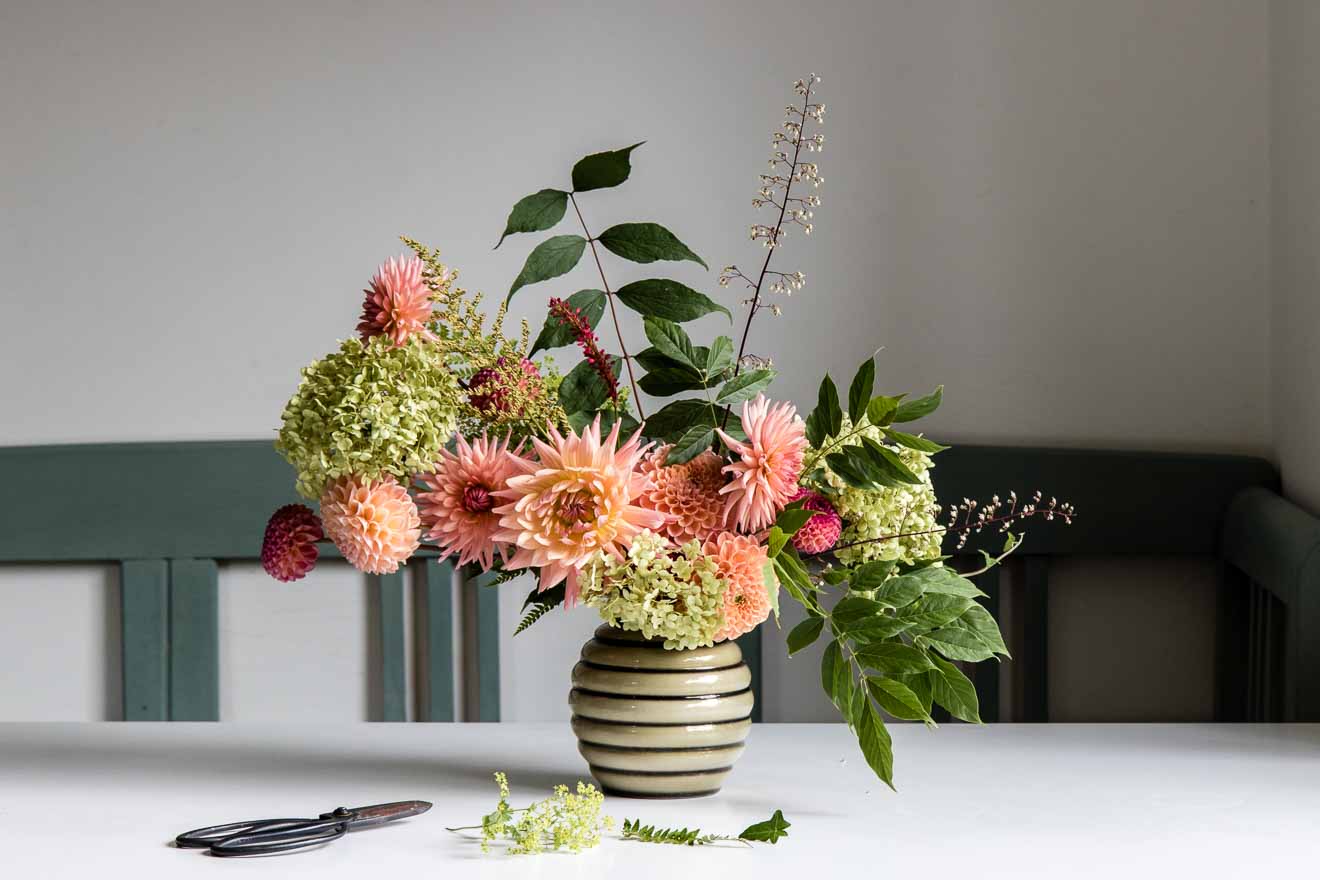




Creating floral arrangements at home may seem like a daunting task, conjuring images of complicated techniques, expensive blooms, and professional florists with years of training. But the truth is, with a little guidance, creativity, and patience, anyone can craft beautiful, vibrant floral arrangements that transform a room. Floral design is both an art and a science—combining color, texture, proportion, and a touch of intuition—but it is far more accessible than many people realize. This article explores whether it’s easy to make your own floral arrangements for your home, offering insights into the practical steps, aesthetic considerations, and tips to turn your living space into a blooming paradise.
Understanding the Basics of Floral Design
Before diving into practical steps, it’s essential to understand the foundational principles of floral design. These principles guide decisions about which flowers to choose, how to arrange them, and how to maintain them.
Color Theory
Color is arguably the most noticeable aspect of any floral arrangement. The right combination can evoke emotions, create harmony, or make a bold statement. In floral design, color theory involves understanding complementary, analogous, and monochromatic schemes:
- Complementary colors: Opposite on the color wheel (e.g., purple and yellow). They create striking contrasts and draw attention.
- Analogous colors: Next to each other on the color wheel (e.g., pink, red, and orange). These arrangements feel cohesive and soothing.
- Monochromatic colors: Variations of a single color. These create subtle elegance and sophistication.
Balance and Proportion
A successful arrangement feels balanced. Balance can be symmetrical, where both sides mirror each other, or asymmetrical, where different shapes and sizes create visual interest without appearing chaotic.
Proportion refers to the size relationship between the flowers and the container. A tiny vase with oversized blooms can feel awkward, while a large vase with tiny flowers may seem sparse. Ideally, the tallest stem should be roughly 1.5 to 2 times the height of the vase.
Texture and Form
Flowers aren’t just about color—they’re about texture. Combining soft petals, spiky stems, or broad leaves can add depth to your arrangement. Similarly, the form—round, elongated, or cascading—affects how your bouquet interacts with the surrounding space.
Rhythm and Focal Points
Just like in music, floral arrangements benefit from rhythm. Repeating certain colors, shapes, or textures guides the eye naturally across the bouquet. Every arrangement should also have a focal point, the flower or cluster that draws the most attention. Usually, this is the largest bloom or the most vibrant color.
Choosing the Right Flowers
Selecting flowers is a critical step, and it’s where many beginners feel overwhelmed. The key is to mix practicality with creativity.
Seasonal Blooms
Seasonal flowers are not only more affordable but also longer-lasting. For example:
- Spring: Tulips, daffodils, hyacinths
- Summer: Roses, lilies, sunflowers
- Autumn: Chrysanthemums, dahlias, marigolds
- Winter: Poinsettias, amaryllis, holly
Seasonal choices often look more natural and harmonious, and they can help you build arrangements that feel in tune with the environment.
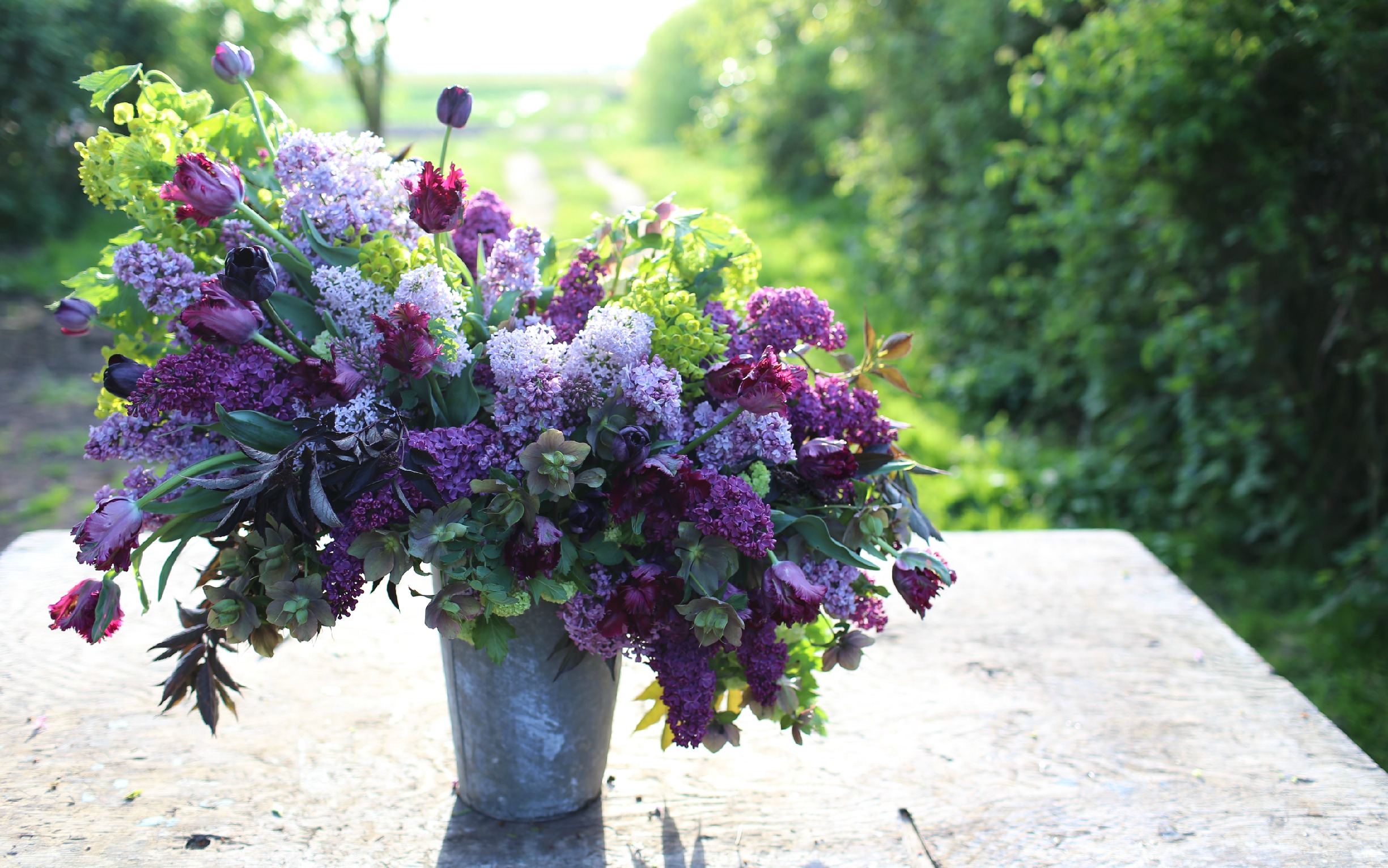
Flower Lifespan
Not all flowers are created equal. Some wilt quickly, while others can last weeks with proper care. Beginners might start with hardy flowers like chrysanthemums, carnations, or alstroemeria before experimenting with delicate orchids or gardenias.
Foliage and Fillers
Greenery is more than a backdrop—it adds texture, volume, and balance. Popular choices include eucalyptus, ferns, ruscus, and ivy. Fillers like baby’s breath or wax flowers can soften the edges and create a polished look without overwhelming the main blooms.
Tools and Supplies
You don’t need an entire florist’s toolkit, but a few essentials make arranging flowers much easier:
- Sharp scissors or floral shears: Clean cuts help flowers absorb water better.
- Floral tape and wire: Useful for securing stems or creating complex arrangements.
- Vases and containers: Experiment with shapes, sizes, and materials—glass, ceramic, or even repurposed jars.
- Floral foam or frog pins (optional): Helpful for keeping stems in place.
A small setup of these tools is enough to start experimenting confidently.
Step-by-Step Guide to Creating Your Own Arrangements
Making your own arrangement can be broken down into simple steps. Following a methodical approach ensures your bouquet looks intentional rather than haphazard.
Step 1: Prepare Your Flowers
Trim the stems at an angle to improve water absorption, remove leaves that will sit below the waterline to prevent bacterial growth, and sort flowers by size and type. Think of this as prepping ingredients before cooking—it makes the process smoother.
Step 2: Start with a Focal Point
Select the largest or most striking bloom to serve as the centerpiece. Place it slightly off-center for a natural, organic look.
Step 3: Add Secondary Flowers
Surround the focal point with slightly smaller blooms. These create layers, add depth, and support the visual hierarchy.
Step 4: Fill in with Greenery and Fillers
Insert foliage to fill gaps and frame the flowers. Pay attention to height, as varying levels create dimension. Fillers like baby’s breath or small blossoms can soften transitions.
Step 5: Check Balance and Symmetry
Step back and examine your work from different angles. Rotate the arrangement, adjust stems, and ensure it looks balanced. Remember, asymmetry is acceptable as long as it feels intentional.
Step 6: Water and Care
Fill the vase with fresh, lukewarm water and add floral preservatives if available. Change water every two days and trim stems slightly to prolong freshness.
:max_bytes(150000):strip_icc()/27552_Dynamic__32w-79f7cebe275c4783bb73ca9b46f28462.jpg)
Creative Tips for Unique Arrangements
Once you master basic arrangements, it’s time to experiment with style and personality.
Play with Containers
Forget conventional vases—mason jars, teapots, bowls, or even vintage cups can serve as charming containers. The container contributes as much to the aesthetic as the flowers themselves.
Mix Unusual Flowers
Combine unexpected blooms for contrast. Pair wildflowers with roses, succulents with orchids, or tropical flowers with delicate daisies. The key is maintaining some visual balance while embracing surprise.
Incorporate Non-Flower Elements
Branches, twigs, berries, dried pods, feathers, or ribbons can add texture and seasonal flair. For instance, autumn arrangements benefit from small pinecones or colorful leaves.
Think in Odd Numbers
Designers often use odd numbers of stems (3, 5, 7) for a more natural and pleasing arrangement. Even numbers can feel rigid and less dynamic.
Seasonal Themes
Celebrate holidays or seasons by adapting your palette and flower selection:
- Spring: Pastels and soft blooms
- Summer: Bright, vibrant colors
- Autumn: Deep reds, oranges, and browns
- Winter: Whites, greens, and metallic accents
Common Mistakes to Avoid
Even the most enthusiastic beginners make errors. Awareness prevents frustration and encourages improvement:
- Overcrowding: Too many flowers can make the arrangement chaotic.
- Ignoring stem length: Mismatched proportions can look awkward.
- Neglecting water care: Flowers wilt faster without proper hydration.
- Color overload: Too many contrasting colors can feel overwhelming; stick to two to three dominant hues.
- Forgetting focal points: Without one, arrangements lack direction.
Benefits of Creating Your Own Floral Arrangements
Besides aesthetic appeal, arranging flowers at home has several advantages:
Enhances Creativity
Experimenting with color, texture, and form stimulates imagination.
Improves Mood
Flowers have been scientifically shown to boost happiness and reduce stress. Arranging them yourself enhances this therapeutic effect.
Cost-Effective
Buying pre-arranged bouquets is convenient but expensive. Making your own allows you to customize with seasonal blooms and greenery.
Personal Touch
Handcrafted arrangements reflect personal style, making your home feel unique and inviting.
Practical Advice for Beginners
- Start small: Begin with simple, compact arrangements.
- Observe nature: Study flower clusters in gardens or parks for inspiration.
- Take notes: Document what works and what doesn’t.
- Don’t rush: Floral arrangements improve with patience and practice.
- Experiment regularly: The more you try, the more intuitive the process becomes.
Conclusion
So, is it easy to make your own floral arrangements for your home? The answer is yes—once you understand the principles, gather the right tools, and embrace creativity. While mastery takes practice, the process itself is enjoyable, meditative, and deeply rewarding. Homegrown arrangements not only beautify a space but also carry the satisfaction of creation. With a little experimentation and attention to detail, you can turn any room into a personal garden of color, texture, and life. Floral arranging is not an exclusive art reserved for professionals; it’s a joyful activity accessible to anyone with a few blooms, some greenery, and a willingness to explore.
Whether you’re brightening your kitchen, decorating your living room, or crafting a centerpiece for a dinner party, making your own floral arrangements is a skill that combines artistry, mindfulness, and fun. The beauty of flowers is fleeting, but the joy of arranging them is lasting—and completely within your reach.