



Introduction: The Power of Seasons
The change in seasons is one of nature’s most noticeable shifts, influencing not just the environment but also the foods we crave and consume. Whether it’s the chill of winter, the heat of summer, or the freshness of spring and fall, our diets are deeply intertwined with the seasons. This dynamic relationship is rooted in cultural, biological, and environmental factors that shape our eating habits in unique ways. Let’s dive into how each season influences our food choices, cravings, and even nutritional needs.
Winter: Comfort, Warmth, and Hearty Nourishment
As winter brings colder weather, our bodies naturally seek warmth and comfort. The winter season encourages the consumption of hearty, energy-dense foods that help us stay warm and energized. Root vegetables like potatoes, carrots, and parsnips, along with hearty grains such as barley and oats, are staples of winter meals. Stews, casseroles, and soups become go-to dishes for many, as these foods not only provide warmth but are also packed with the nutrients our bodies need during colder months.
Winter is also a time when many traditional comfort foods are at their peak. Think of roasted meats, rich broths, and decadent desserts like pies and puddings. These foods are rich in fats, proteins, and carbohydrates—macronutrients that help sustain our energy levels in the face of cold temperatures.
Furthermore, many fruits and vegetables that thrive in winter, such as citrus fruits, pomegranates, and winter squash, offer a burst of vitamins and antioxidants to help boost the immune system during flu season. With fewer fresh fruits and vegetables available locally in some regions, frozen and preserved foods also become key players in winter nutrition.
Spring: Freshness, Growth, and New Beginnings
Spring is a time of renewal, and nature’s bounty begins to reflect this shift. As the weather warms and the days grow longer, we see the return of fresh greens, early vegetables, and delicate fruits. Spring is synonymous with lighter, fresher meals that are often more vibrant and visually appealing.

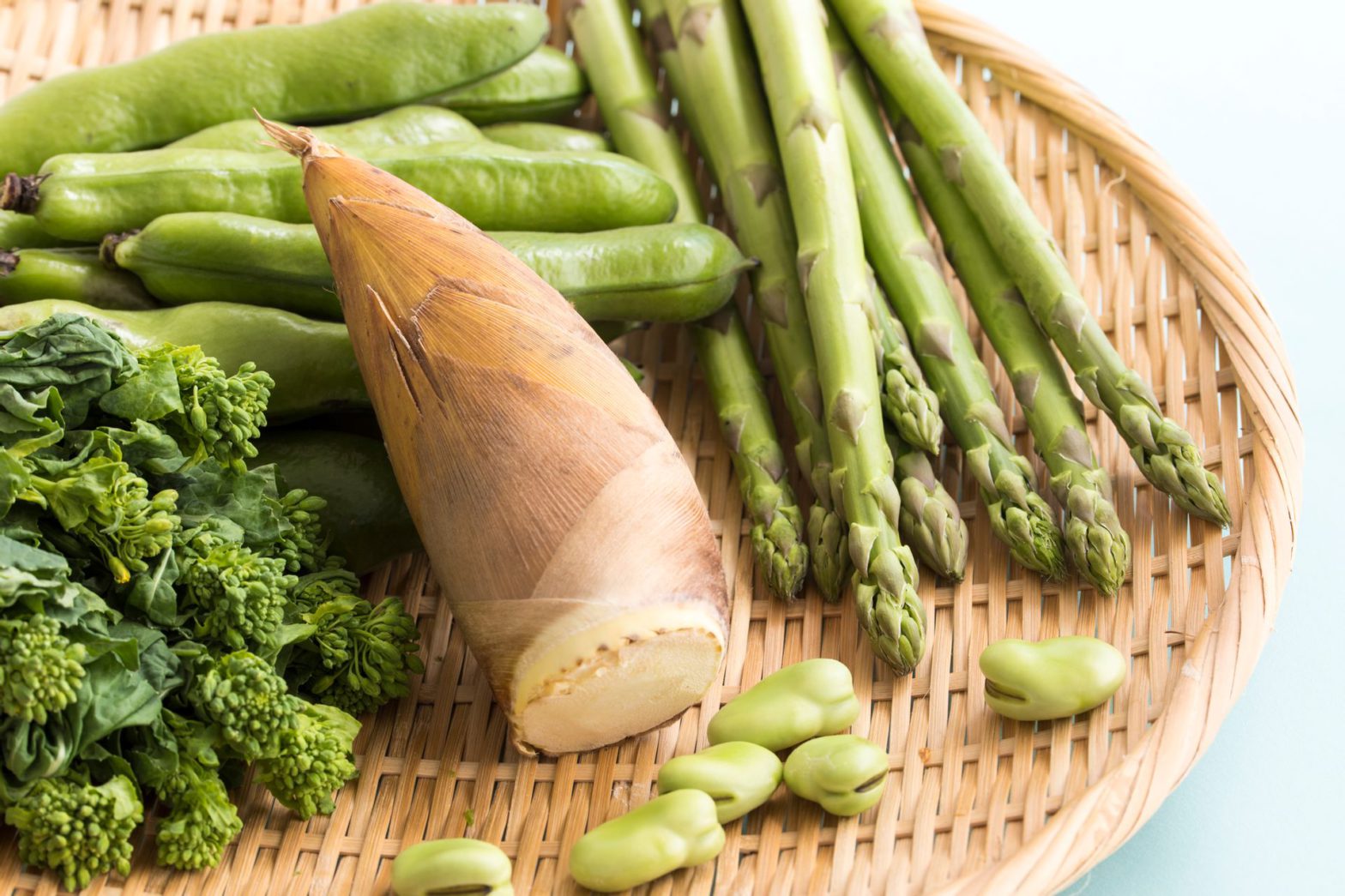
During this time, salads, smoothies, and lighter fare become more popular. Fresh herbs like mint, basil, and parsley begin to emerge, elevating the flavor profiles of dishes and adding a burst of freshness. Vegetables such as asparagus, peas, and radishes, along with fruits like strawberries and rhubarb, mark the beginning of a new growing season and bring an exciting change from the heavier foods of winter.
Spring’s influence on our diets also tends to push us toward more plant-based options. As fresh greens like spinach, lettuce, and kale hit their peak, people tend to crave lighter, more colorful dishes. Nutrient-dense foods like avocados, artichokes, and spring onions also make their way to the dinner table, reflecting the season’s emphasis on health and vitality.
Summer: Vibrancy, Refreshment, and Lightness
Summer brings with it a burst of energy and color, both in nature and in our food choices. The intense heat and long daylight hours drive us to seek out foods that are light, hydrating, and full of flavor. Summer is the season of vibrant fruits and vegetables, and many of the foods we associate with this time of year are packed with water to help keep us cool and hydrated.
Tomatoes, cucumbers, peppers, and summer squash are just a few examples of vegetables that thrive in the heat and are perfect for making refreshing salads, salsas, and cold dishes. Meanwhile, fruits like watermelon, berries, peaches, and cherries are in their prime, offering a sweet, juicy relief from the summer sun.
Summer also invites a more casual approach to eating, with many people turning to barbecues, picnics, and outdoor gatherings. Grilled meats, fish, and vegetables take center stage, with lighter sides like coleslaw, corn on the cob, and fruit salads providing balance. Cooling beverages such as iced teas, lemonades, and fruit-infused water also gain popularity, offering a refreshing break from the heat.
Fall: Harvest, Comfort, and Warm Flavors
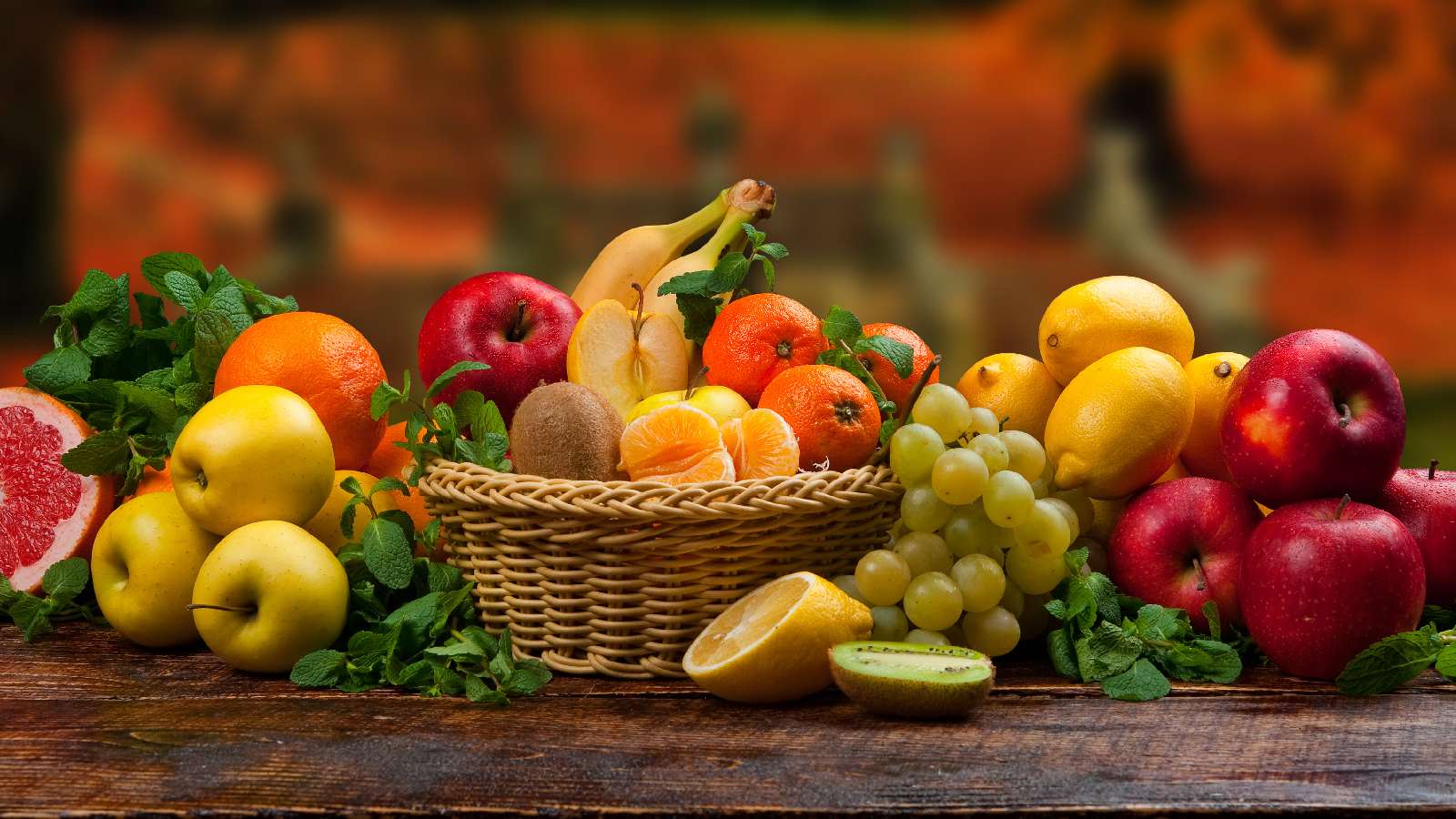
Fall represents a transition period, as the warmth of summer gives way to cooler temperatures. The foods associated with autumn reflect this balance, as they offer warmth and comfort while still celebrating the abundance of the harvest season. Root vegetables like sweet potatoes, beets, and pumpkins become staples, along with apples, pears, and grapes, which are harvested at the height of fall.
The flavors of fall are often spiced, with cinnamon, nutmeg, and cloves being key ingredients in many dishes. These warm spices pair perfectly with dishes like roasted squash, stews, and soups, making fall a season of cozy, comforting meals. Many people also look forward to pumpkin-flavored treats, such as pies, cakes, and lattes, which have become iconic of the autumn months.
In addition to the comforting foods, fall is the season for preserving and storing foods. It’s a time for canning fruits and vegetables, making jams and jellies, and storing root vegetables for the winter months. This makes fall a season of both abundance and preparation, as we stock up on seasonal ingredients that will sustain us through the colder months.
The Influence of Seasonal Changes on Nutritional Needs
The food we eat not only satisfies our tastes and cravings but also plays a key role in meeting our body’s changing nutritional needs throughout the year. Each season brings about subtle shifts in how our bodies function and what nutrients we require to stay healthy.
- Winter often calls for more energy-dense foods because our bodies expend more energy keeping warm. Fats, carbohydrates, and proteins help sustain us, while vitamin D, which is harder to get from sunlight in winter, becomes crucial for maintaining bone health and immune function.
- Spring is a time when our bodies crave lighter, detoxifying foods. After the heavier meals of winter, spring encourages the consumption of foods that support digestion and help cleanse the body, such as leafy greens, citrus fruits, and fresh herbs. The increased exposure to sunlight also boosts vitamin D production.
- Summer demands high-water-content foods that help keep us hydrated and energized. Foods rich in electrolytes, like melons, cucumbers, and coconut water, are especially beneficial during the hot months. Our bodies also crave lighter, lower-calorie foods as the weather heats up.
- Fall shifts our focus toward immune-boosting foods, as the body begins to prepare for colder months. Root vegetables, which are rich in fiber and vitamins, and warming foods that support digestion and metabolism are essential for maintaining health during this transition.
Cultural Traditions and Seasonal Foods
Cultural and regional traditions also play a significant role in how we approach seasonal eating. For many cultures, certain foods are deeply embedded in the rituals of specific seasons. For example, in many European countries, hearty stews and root vegetable dishes are typical in winter, while in the Mediterranean, summer means fresh seafood and salads.
In the United States, fall is often associated with pumpkin-flavored dishes, such as pumpkin pie and pumpkin spice lattes, thanks to the harvest season and the celebration of Thanksgiving. Similarly, in Japan, the cherry blossom season in spring brings with it an array of traditional foods, from cherry blossom-flavored treats to picnic-style meals enjoyed under the blossoms.
These traditions help reinforce the seasonal connection between food and culture, encouraging people to embrace what each season has to offer in both flavor and meaning. Food, in this sense, becomes a way to mark the passage of time and celebrate the cycles of nature.
Conclusion: Embracing the Seasons in Our Diets
From the hearty comfort foods of winter to the light, refreshing dishes of summer, the seasons influence our diets in fascinating ways. Our cravings, nutritional needs, and cultural practices all shape the foods we choose throughout the year. By embracing seasonal eating, we can not only enjoy the freshest and most flavorful ingredients but also connect more deeply with the rhythms of nature.
In a world where food is often available year-round, it’s easy to forget the profound impact that the changing seasons have on what we eat. However, by paying attention to the natural cycles of the year, we can make food choices that support our health, align with the environment, and celebrate the beauty of each season.