



Cooking meat is one of humanity’s oldest and most fascinating culinary practices. Long before written recipes or modern kitchens, people discovered that heat could transform tough, raw flesh into something tender, aromatic, and deeply satisfying. Yet cooking meat is not merely about making it safe to eat. The method of cooking—how heat is applied, how fast, how hot, and in what environment—has a profound influence on flavor, aroma, texture, and even emotional perception of a dish.
This article explores how different cooking methods affect the flavor of meat dishes. We will look at the science behind flavor formation, the physical and chemical changes that occur during cooking, and the sensory experiences created by various techniques. While the topic is technical at its core, it is also intensely human: cooking methods carry cultural meaning, trigger memory, and shape how we enjoy food.
1. Flavor: More Than Just Taste
Before examining cooking methods, it is essential to understand what “flavor” really means.
Flavor is not a single sensation. It is a combination of:
- Taste (sweet, salty, sour, bitter, umami)
- Aroma (volatile compounds detected by the nose)
- Texture (tenderness, juiciness, chew)
- Temperature and mouthfeel
- Sound and appearance, which influence perception before eating
Cooking methods influence all of these elements simultaneously. A grilled steak and a braised beef stew may use the same cut of meat, yet their flavors can feel worlds apart because of how heat interacts with muscle fibers, fats, water, and proteins.
2. Heat as a Creative Force
Heat is the main driver of flavor development in meat. When applied, it triggers several critical processes:
2.1 Protein Denaturation and Coagulation
As meat heats up, proteins unfold and bond in new ways. This affects:
- Texture: tender vs. firm
- Juiciness: how much water is retained or lost
- Flavor release: how aromatic compounds are freed
2.2 Fat Rendering
Fat carries flavor. Cooking melts fat, allowing it to:
- Coat meat fibers
- Dissolve fat-soluble flavor compounds
- Create richness and mouthfeel
2.3 Moisture Loss and Concentration
Water evaporates during cooking. As moisture leaves:
- Flavors become more concentrated
- Meat may become drier or chewier if overcooked
2.4 Browning Reactions
Two major reactions shape cooked-meat flavor:
- Maillard reaction: responsible for savory, roasted, nutty notes
- Caramelization: adds sweetness and complexity
Different cooking methods emphasize these reactions to varying degrees, which is why they taste so different.
3. Dry-Heat Cooking Methods: Bold and Expressive
Dry-heat methods use air, metal, or fat to transfer heat without relying on water-based liquid. These techniques tend to highlight browning and concentrated flavors.
3.1 Grilling: Smoke, Fire, and Intensity
Grilling exposes meat to high heat, often directly from flames or hot coals.
Flavor Impact:
- Intense Maillard browning on the surface
- Smoky aromas from burning fuel and dripping fat
- Slight bitterness balanced by savory depth
Why It Tastes So Good:
- Rapid surface heating creates complex crust flavors
- Smoke compounds adhere to meat fat, amplifying aroma
- Charred notes trigger primal sensory pleasure
Grilling excels with cuts that can withstand high heat, such as steaks, chops, and skewered meats.
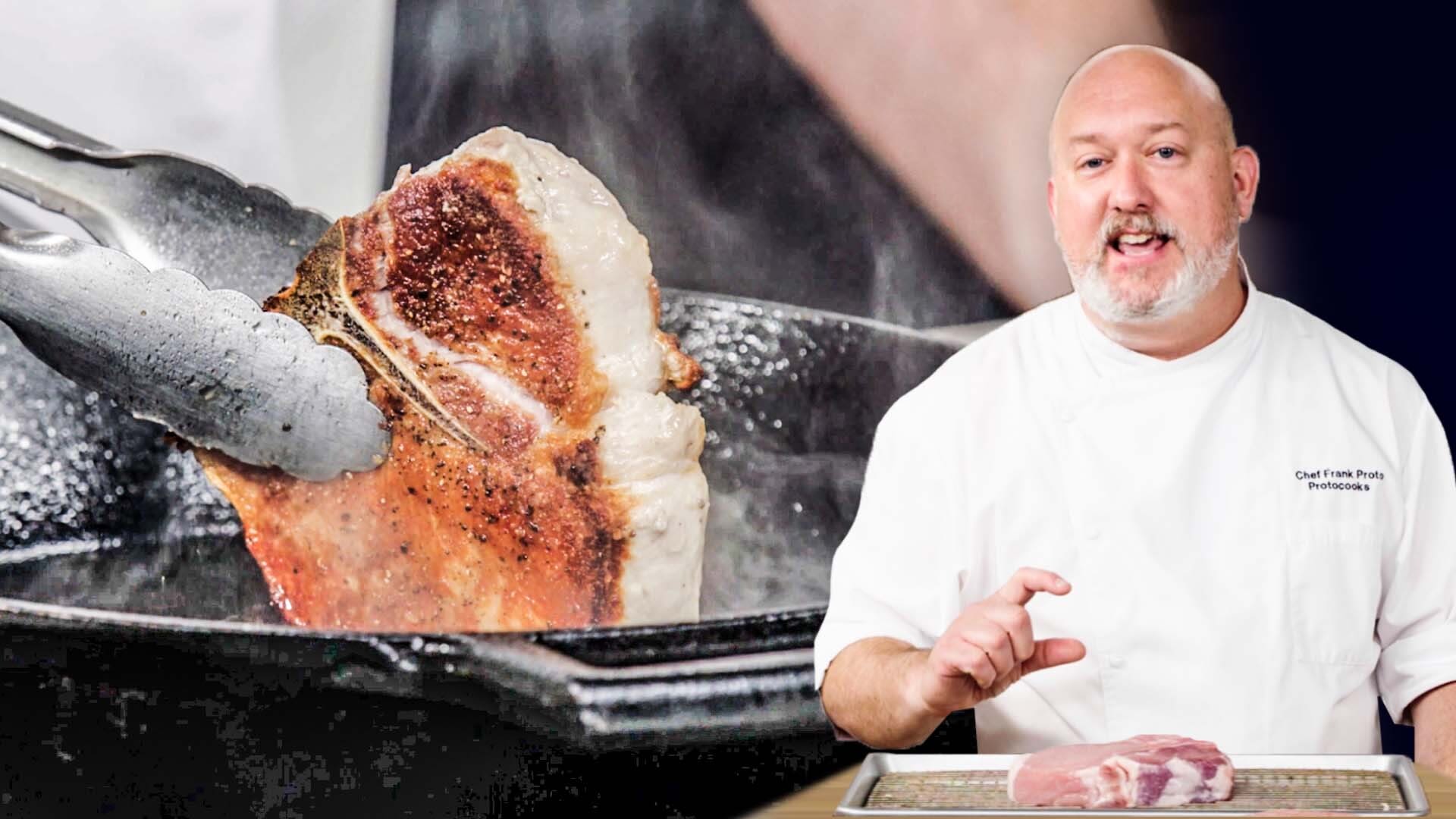
3.2 Pan-Searing: Precision and Control
Pan-searing uses a hot pan, often with a small amount of oil or butter.
Flavor Impact:
- Deep, even browning
- Clean, focused meat flavor
- Opportunity for pan sauces from browned bits
Why It Tastes So Good:
- Direct contact with hot metal maximizes Maillard reactions
- Browning occurs quickly, locking in juices
- Fond (browned residue) adds savory depth when deglazed
Pan-searing is prized in professional kitchens for its reliability and clarity of flavor.
3.3 Roasting: Balanced and Aromatic
Roasting uses dry, circulating heat, typically in an oven.

Flavor Impact:
- Gradual browning
- Well-developed aroma
- Balanced interior tenderness
Why It Tastes So Good:
- Even heat allows fat to render slowly
- Surface browns without burning
- Aromatics and herbs perfume the meat
Roasting is ideal for larger cuts, allowing time for complex flavors to develop.
3.4 Broiling: High Heat from Above
Broiling applies intense radiant heat from above.
Flavor Impact:
- Fast browning
- Slightly aggressive char
- Concentrated surface flavor
Why It Tastes So Good:
- Rapid heat creates strong roasted notes
- Minimal cooking time preserves meatiness
Broiling is dramatic and bold, but requires attention to avoid dryness.
4. Moist-Heat Cooking Methods: Depth and Comfort
Moist-heat methods involve water-based liquids or steam. These techniques prioritize tenderness and integration of flavors over browning.
4.1 Boiling and Simmering: Clean and Mild
Boiling and simmering cook meat submerged in liquid.
Flavor Impact:
- Gentle, restrained meat flavor
- Loss of some surface compounds to liquid
- Clean, comforting taste
Why It Tastes This Way:
- Lower temperatures limit browning reactions
- Flavor migrates into the cooking liquid
- Texture becomes soft, sometimes falling apart
These methods are common in soups, stocks, and traditional comfort dishes.
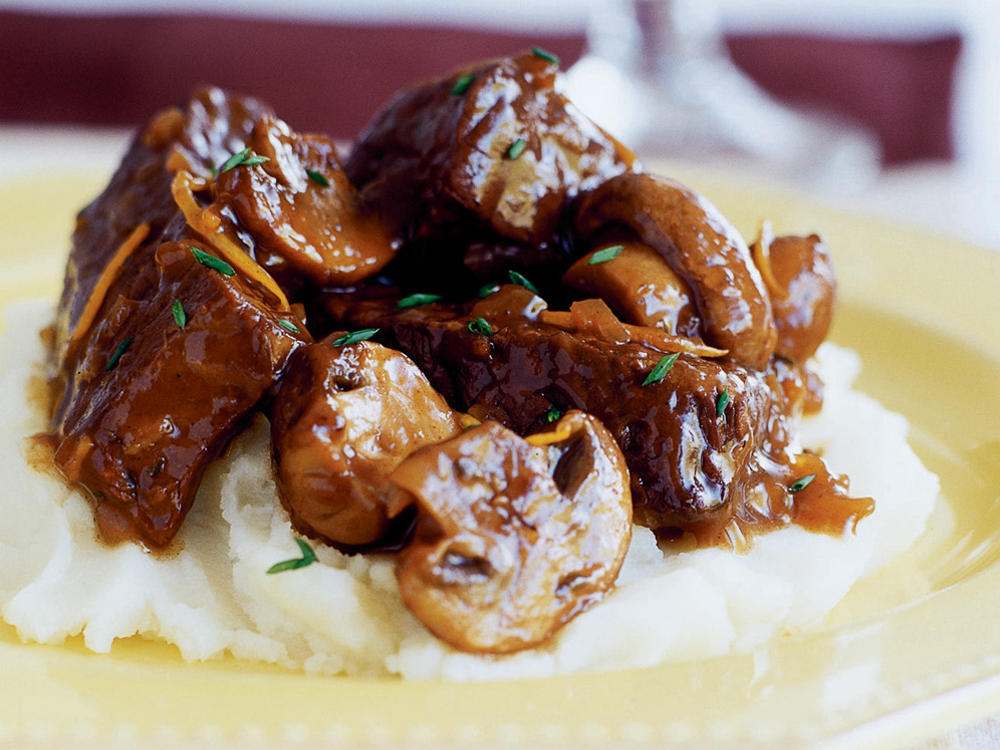
4.2 Braising: The Best of Both Worlds
Braising combines dry and moist heat: meat is first browned, then cooked slowly in liquid.
Flavor Impact:
- Deep, layered flavor
- Tender, juicy texture
- Rich, savory sauce
Why It Tastes So Good:
- Browning adds roasted notes
- Long cooking breaks down connective tissue into gelatin
- Flavors from liquid, meat, and aromatics merge
Braising transforms tough cuts into luxurious dishes, making it one of the most flavor-complex techniques.
4.3 Steaming: Pure and Subtle
Steaming cooks meat with hot vapor rather than direct contact with liquid.
Flavor Impact:
- Pure meat flavor
- Minimal browning
- Light, clean taste
Why It Tastes This Way:
- No Maillard reaction
- Minimal fat loss
- Retains moisture effectively
Steaming highlights natural flavors and is common in cuisines that value delicacy and balance.
5. Low-Temperature Precision: Modern Approaches
Advances in food science have introduced methods that prioritize control over temperature and time.
5.1 Sous Vide: Precision and Consistency
Sous vide involves sealing meat in a bag and cooking it in precisely controlled water.
Flavor Impact:
- Exceptionally even doneness
- Pure, concentrated meat flavor
- Minimal moisture loss
Why It Tastes So Good:
- Proteins cook gently without squeezing out juices
- Flavors remain trapped in the bag
- Final searing adds surface complexity
Sous vide separates texture control from browning, giving chefs unparalleled precision.
5.2 Slow Cooking: Time as an Ingredient
Slow cookers use low heat over long periods.
Flavor Impact:
- Deeply integrated flavors
- Extremely tender meat
- Mild surface flavor
Why It Tastes This Way:
- Extended time breaks down collagen
- Ingredients mingle thoroughly
- Limited browning unless meat is pre-seared
Slow cooking is forgiving and comforting, perfect for hearty, rustic dishes.
6. Frying: Richness and Indulgence
Frying uses hot fat as the cooking medium, either shallow or deep.
6.1 Shallow Frying
Flavor Impact:
- Crisp exterior
- Juicy interior
- Rich, savory taste
6.2 Deep Frying
Flavor Impact:
- Uniform crunch
- Mild interior flavor
- Strong textural contrast
Why Frying Tastes So Good:
- Fat transfers heat efficiently
- Rapid crust formation traps moisture
- Oil carries and amplifies aroma
Frying is powerful because it engages multiple senses at once: crunch, aroma, and richness.
7. Smoke and Fermentation: Flavor Beyond Heat
Some methods rely less on heat and more on time and chemistry.
7.1 Smoking
Smoking exposes meat to aromatic compounds from burning wood.
Flavor Impact:
- Complex smoky aroma
- Slight sweetness or bitterness
- Deep savory notes
Smoking works slowly, allowing flavor compounds to penetrate meat over time.
7.2 Curing and Drying
Curing uses salt, time, and sometimes air-drying.
Flavor Impact:
- Concentrated umami
- Firm texture
- Long-lasting flavor
These methods show that flavor development is not only about cooking temperature but also about controlled transformation.
8. Texture, Emotion, and Cultural Memory
Flavor is inseparable from texture and emotion. Cooking methods shape how meat feels in the mouth, which influences enjoyment.
- Grilled meat feels exciting and bold
- Braised meat feels comforting and luxurious
- Steamed meat feels clean and restrained
Cultural traditions often favor certain methods because they reflect climate, resources, and values. Over time, these methods become emotionally charged, turning flavor into memory.
9. Choosing the Right Method: A Creative Decision
No cooking method is inherently superior. Each creates a different flavor profile and experience.
When choosing a method, consider:
- Cut of meat (tough vs. tender)
- Desired texture
- Flavor intensity
- Time and equipment
- Cultural or emotional context
Understanding how methods affect flavor empowers cooks to make intentional, creative decisions.
10. Conclusion: Heat Writes the Story of Meat
Cooking methods are storytellers. Through heat, time, and technique, they write narratives into meat—stories of fire, patience, precision, or comfort. The same raw ingredient can become wildly different dishes, each with its own personality, simply by changing how it is cooked.
To understand cooking methods is to understand flavor itself. It is where science meets art, and where simple ingredients become unforgettable meals.