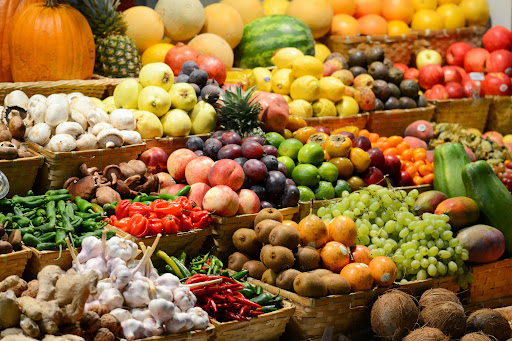




Food is often said to be a reflection of a culture’s soul—its history, geography, and the people that have shaped it over centuries. Whether it’s the fresh produce of a Mediterranean olive grove or the rich spices of an Indian curry, the flavors of a region tell a story that no guidebook or cookbook can quite capture. While many might head straight to upscale restaurants or tourist hotspots when traveling to a new destination, the true essence of regional cuisine is often hidden in the bustling heart of local markets. In this article, we’ll explore whether local markets are the best place to taste authentic, true regional flavors, and what makes these vibrant hubs of culture and food such vital destinations for culinary enthusiasts.
The Heartbeat of a Region: Local Markets as Cultural Hubs
Local markets are more than just places to buy ingredients or souvenirs. They are the pulse of a community, where the everyday life of local people intersects with the traditions, crafts, and flavors of the region. In many parts of the world, markets are where people connect with their heritage—through foods that have been passed down through generations and recipes that are too sacred to be written down. Here, the produce, meats, and spices on display aren’t just items for sale; they are stories waiting to be told.
The beauty of local markets lies in their authenticity. Unlike chain stores or tourist-driven restaurants, these markets cater to locals, and the foods offered are often grown, raised, or made right in the surrounding area. Local producers, farmers, fishmongers, and artisan chefs all gather here to offer fresh, seasonal ingredients and ready-made dishes. It’s a snapshot of daily life, where the flavors on offer change with the seasons and the tastes of the region are preserved.
In addition to fresh produce, these markets often feature street foods and local delicacies that are rarely found in commercial restaurants. For instance, in Thailand’s Chatuchak Market, visitors can sample an array of dishes like pad Thai, spicy papaya salad, or mango sticky rice, often prepared by vendors using recipes that have been passed down through generations.
The Freshness Factor
One of the most significant advantages of eating in a local market is the unparalleled freshness of the ingredients. Whether it’s a farm-fresh tomato plucked from the nearby fields or seafood caught that very morning, market foods are typically as fresh as they come. In comparison to what you might find in a restaurant, local markets often offer ingredients that are closer to their natural state—less processed, less manipulated, and more in tune with the land and sea from which they come.
For example, in the markets of Mexico, you’ll find an array of fresh tortillas made on the spot, the smell of roasting corn filling the air. You can taste the difference between these freshly made tortillas and the pre-packaged, mass-produced versions you might find in a supermarket or restaurant. The same is true for other regional staples like cheeses, meats, or vegetables. They carry the flavors of their origins, which cannot be replicated in large-scale production.
Connecting with Local Producers

When you shop at a local market, you are often buying directly from the person who produced the item, whether it’s a farmer, butcher, or artisan. This direct relationship creates a sense of connection between consumer and producer, one that is often lost in the sterile environment of a supermarket or chain restaurant. Local markets foster this exchange, allowing consumers to ask questions about where the food comes from, how it’s grown, and how to prepare it.
This relationship with food producers is crucial for understanding the nuances of regional flavors. For instance, in places like Italy or Spain, local market vendors might be happy to share recipes or cooking tips using the very ingredients they sell. This kind of knowledge is invaluable for anyone seeking to understand the true taste of a region. Additionally, local markets often feature lesser-known, indigenous ingredients that may not make it onto a restaurant’s menu, giving visitors a chance to taste flavors that are an essential part of the area’s identity.
A Symphony of Flavors: Street Foods and Regional Specialties
No exploration of local markets would be complete without a look at the street food scene. Street food vendors play a crucial role in preserving regional flavors and traditions. These foods are often simple, inexpensive, and prepared right in front of you, making them an excellent way to taste the culture of a place.
In many parts of the world, street food is not just a quick snack—it’s a part of the social fabric. In Morocco, for example, the sprawling souks are filled with vendors selling skewers of grilled meats, falafel, fresh olives, and pastries like baklava. These foods are enjoyed by locals and visitors alike, often shared with friends or family over lively conversation.
Similarly, in Vietnam’s bustling Ben Thanh Market, pho (a rich noodle soup) is served fresh, with the broth simmered for hours and topped with herbs and chili to create a complex, flavorful dish that reflects the essence of Vietnamese culinary tradition. These types of regional street foods aren’t just popular because they taste good—they also tell the story of the region’s history and influence.
In many countries, street foods are created out of necessity. They are portable, affordable, and cater to the working class, but over time, they have evolved into iconic dishes. India’s chaat, for example, encompasses a wide variety of flavors—from sweet to spicy, crispy to creamy—and each region in India offers its own twist on the dish, creating a symphony of tastes that reflect the country’s diverse culinary landscape.
Discovering Local Traditions and Food Preparation Methods
Food in a market is not just about the ingredients; it’s about the methods used to prepare and cook it. Visiting a local market gives you the chance to observe traditional cooking methods that are often centuries old. These techniques, passed down through generations, ensure that the regional flavors are preserved.
Take, for example, the art of fermenting vegetables in Korea. At local markets in Seoul, you can find vendors preparing kimchi, a spicy fermented cabbage dish that is a cornerstone of Korean cuisine. The process of making kimchi involves a careful balance of ingredients, temperatures, and timing, all of which contribute to its unique flavor. The ability to watch this process firsthand allows visitors to gain a deeper appreciation for the tradition behind it.

Similarly, in Ethiopia, the preparation of injera, a spongy flatbread made from teff flour, is an art form. The bread is prepared by fermenting the dough for several days, creating a distinctive tangy flavor. Local markets offer the opportunity to see how it’s made and enjoy it fresh with traditional stews and lentils.
In addition to cooking methods, local markets often give insight into food preservation techniques. For example, in parts of Scandinavia, fish like herring are preserved in barrels, salted or smoked to preserve them for the long, harsh winters. The markets in these regions are often filled with preserved foods that have been made to last, showcasing a regional approach to sustainability and flavor preservation.
A Melting Pot of Flavors
One of the most fascinating aspects of local markets is their ability to reflect the melting pot of cultural influences that shape a region’s cuisine. In many parts of the world, markets are hubs of cultural exchange, where you can find a fusion of flavors from various ethnic groups, colonial histories, and trade routes.
For example, in Singapore’s vibrant food markets, you can find a blend of Chinese, Malay, and Indian influences in dishes like Hainanese chicken rice, laksa, and roti prata. These foods represent the diverse heritage of the country, each one influenced by the migration of people and the movement of spices and ingredients over centuries.
Similarly, in the markets of the Caribbean, you can experience a fusion of African, European, and Indigenous flavors in dishes like jerk chicken, callaloo, and roti. These markets showcase how ingredients from different cultures come together to create a new and unique regional identity.
The Appeal to Travelers
For travelers, local markets represent an opportunity to experience the true flavors of a region. While restaurants may offer carefully curated menus designed for tourists, local markets provide an unfiltered, raw experience of the destination’s food culture. The sights, sounds, and smells of a local market are often more evocative of a place’s character than anything you could find in a high-end restaurant.
Moreover, shopping at a local market can be a more affordable way to explore regional flavors. Street food vendors, in particular, offer a cost-effective way to sample a wide variety of dishes without breaking the bank. Whether it’s a small bowl of soup in Hanoi or a piece of baklava in Istanbul, local markets allow visitors to taste the region’s most beloved foods without the high prices of tourist restaurants.
Sustainable and Ethical Eating
In addition to their cultural significance, local markets often promote sustainable and ethical eating practices. Many market vendors use locally sourced ingredients, support small-scale farmers, and avoid the wastefulness associated with large-scale food production. When you buy food in a market, you are directly supporting local communities and helping preserve traditional farming and cooking methods.
Furthermore, by eating in local markets, you contribute to reducing the carbon footprint associated with transporting food over long distances. The foods you buy and eat have often been produced within a few miles of the market, which contrasts sharply with the heavily processed and packaged foods found in supermarkets.
Conclusion
So, are local markets the best place to taste true regional flavors? The answer is a resounding yes. These markets offer an unparalleled opportunity to taste authentic, fresh, and seasonal foods that represent the very essence of a region’s culture. From street food vendors to artisan producers, the flavors found in local markets are a direct reflection of the land and people that have shaped them. By exploring local markets, travelers and food enthusiasts alike can uncover the hidden gems of a destination’s culinary landscape and experience its culture in a way that no restaurant can replicate.