



Wild mushrooms have long captured the imagination of chefs, foragers, and health enthusiasts alike. Known for their earthy flavors, diverse textures, and culinary versatility, wild mushrooms are more than just a delicacy. As interest in natural and sustainable food sources continues to grow, these fascinating fungi have proven to offer a wealth of hidden benefits, from their medicinal properties to their vital role in ecosystems. But what lies beyond their rich, savory taste? Can wild mushrooms truly provide more than just unique flavors?
This article dives deep into the world of wild mushrooms, exploring their nutritional value, medicinal benefits, environmental importance, and their role in fostering sustainable agriculture. Let’s unravel how these fungi hold immense potential, not only in the kitchen but also in our health and the natural world.
A Flavor Journey
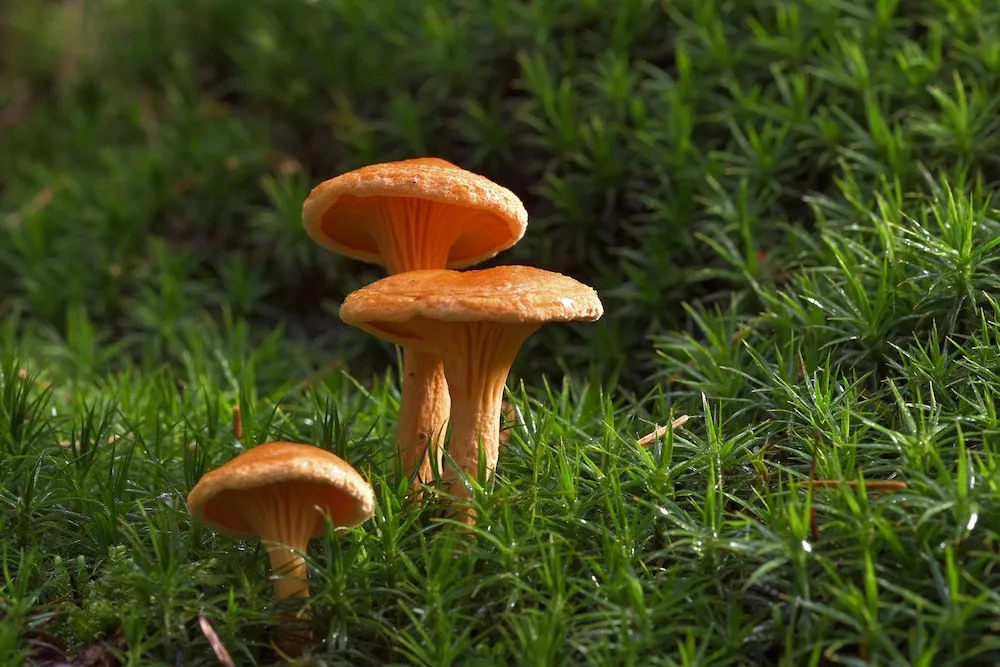
Before we explore their other benefits, it’s important to start with what most people love about wild mushrooms: the flavor. Wild mushrooms stand out in the culinary world due to their complexity and depth of taste. From the delicate, almost sweet flavor of the chanterelle to the earthy umami notes of porcini, wild mushrooms can elevate any dish.
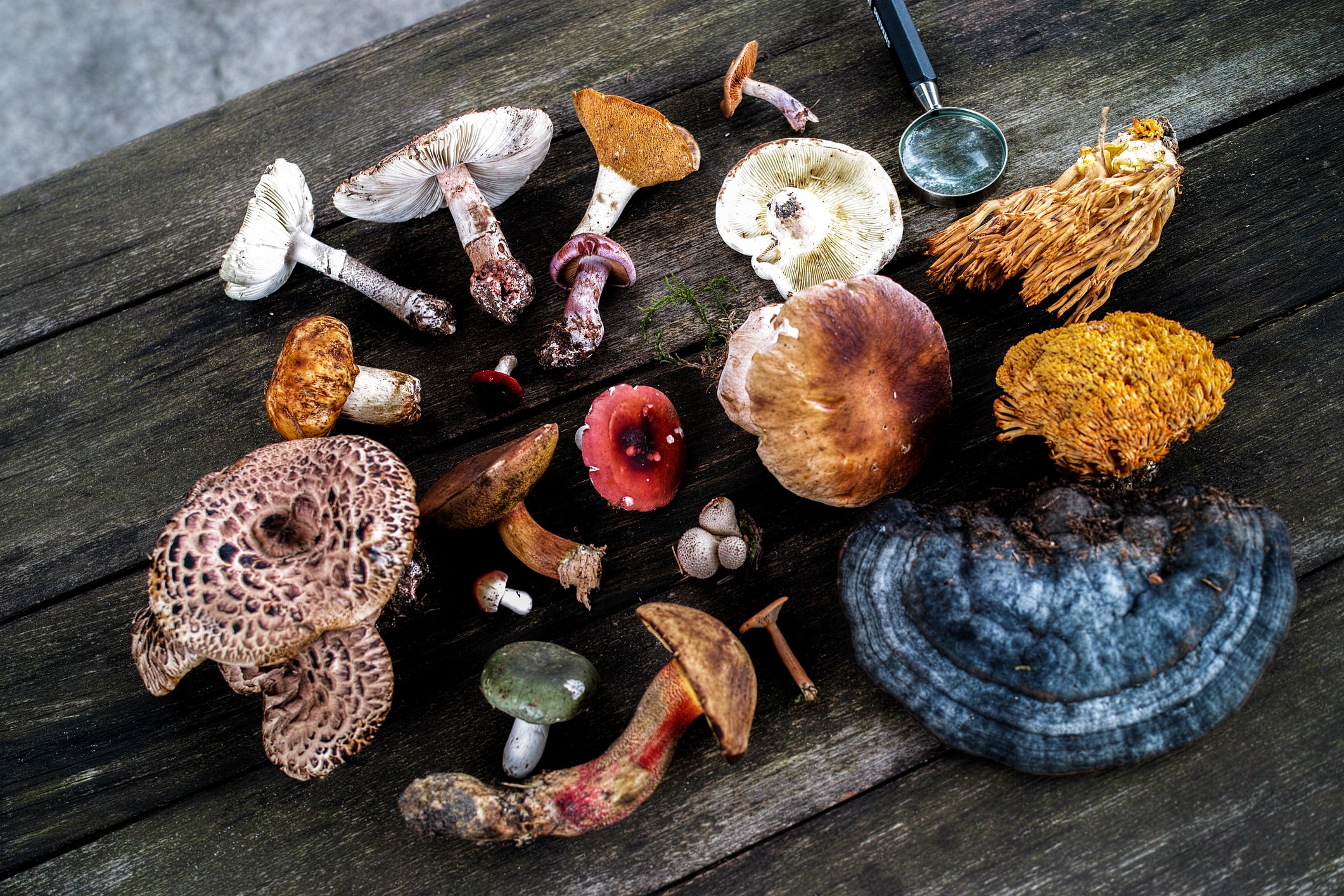
The diversity of wild mushrooms makes them perfect for a variety of culinary applications. Whether sautéed, grilled, stuffed, or even used as a topping for pizza, wild mushrooms offer a flavor profile that cultivated varieties simply can’t replicate. But these mushrooms aren’t just sought after for their taste—they’ve also been prized for their health and environmental benefits for centuries.
Wild Mushrooms and Health: A Powerful Secret
While wild mushrooms are often thought of as simply a delicious addition to a meal, they offer significant health benefits that many might overlook. These mushrooms are not only low in calories but are also rich in vitamins, minerals, antioxidants, and bioactive compounds.
- Immunity Boosters
Certain wild mushrooms, like shiitake and maitake, are known for their immune-boosting properties. They contain beta-glucans, polysaccharides that can help stimulate the immune system and increase the body’s resistance to infections. These compounds are often used in traditional medicine to combat colds, flu, and other illnesses. - Rich in Antioxidants
Wild mushrooms, especially varieties like reishi and lion’s mane, are packed with antioxidants. These antioxidants can help combat oxidative stress and may reduce inflammation, protecting the body from chronic diseases like heart disease, diabetes, and even cancer. - Brain Health
Mushrooms like lion’s mane have been shown to support cognitive health. Research suggests that lion’s mane contains compounds that stimulate nerve growth factor (NGF), which is essential for the maintenance and growth of brain cells. Regular consumption of these mushrooms may help reduce symptoms of cognitive decline and improve memory and focus. - Heart Health
A number of wild mushrooms, including oyster and shiitake, are rich in compounds like ergothioneine and lovastatin, which can contribute to lower cholesterol levels and improved heart health. These mushrooms have been used in some cultures to reduce the risk of heart disease and regulate blood pressure. - Digestive Health
The fiber in wild mushrooms, particularly varieties like maitake and shiitake, is great for digestion. The fiber helps support a healthy gut microbiome, which can prevent constipation, bloating, and other digestive issues. Plus, certain wild mushrooms also contain prebiotics, which further encourage the growth of beneficial gut bacteria.
The Environmental Impact: Wild Mushrooms as Ecosystem Heroes
Beyond their health benefits, wild mushrooms play an essential role in maintaining the health of our ecosystems. Unlike cultivated crops, which rely on human intervention for growth, wild mushrooms thrive in natural environments and contribute to ecosystem balance in several key ways.
- Fungi as Decomposers
One of the most important roles of wild mushrooms is their function as decomposers. Fungi break down dead organic matter like fallen trees, leaves, and other plant material. This process is critical for nutrient cycling in ecosystems, allowing vital elements like carbon, nitrogen, and phosphorus to be recycled into the soil. Without mushrooms and other fungi, ecosystems would struggle to regenerate. - Symbiotic Relationships
Many wild mushrooms form symbiotic relationships with plants, trees, and other organisms. For instance, mycorrhizal fungi form partnerships with tree roots, exchanging nutrients with the plants in return for sugars produced by photosynthesis. These relationships enhance soil fertility and help maintain the stability of forests, woodlands, and grasslands. - Reducing Soil Erosion
By decomposing plant material and enriching the soil, wild mushrooms help to prevent soil erosion. The mycelial networks (the underground thread-like structure of fungi) bind the soil together, preventing it from being washed away by rain. This is especially important in forested areas where erosion could lead to the loss of biodiversity. - Carbon Sequestration
Fungi, including wild mushrooms, have a surprising ability to capture and store carbon in the soil. By doing so, they play a role in mitigating the effects of climate change. As more research is conducted, it’s becoming clear that fungi are not just a passive element of ecosystems—they may be active agents in reducing greenhouse gases.
Wild Mushrooms in Sustainable Agriculture
With sustainability at the forefront of global concerns, wild mushrooms are becoming increasingly important in the context of sustainable agriculture. Their ability to regenerate ecosystems, provide natural fertilizers, and reduce dependence on chemicals makes them an attractive resource for modern farming practices.

- Natural Pesticides
Wild mushrooms contain compounds that are toxic to pests, which means they can be used as natural pesticides. Rather than relying on harmful chemicals, farmers can use fungi-based products to protect crops from insects and diseases, reducing environmental harm and promoting healthier farming practices. - Soil Enrichment
Wild mushrooms, especially varieties like the oyster mushroom, are capable of breaking down complex organic matter such as agricultural waste. This process produces a rich, nutrient-dense compost that can be used to improve soil health. This can significantly reduce the need for synthetic fertilizers, making it an eco-friendly alternative in organic farming. - Food Security
Wild mushrooms could become a key resource for enhancing food security, particularly in regions where traditional crops struggle to grow. Because mushrooms require minimal space and can be cultivated on waste products (like sawdust, straw, and other organic material), they offer a sustainable and efficient way to produce protein-rich food. Foraging wild mushrooms or cultivating them locally can help communities in areas with poor soil or harsh climates.
The Future of Wild Mushrooms: Expanding Horizons
As we continue to explore the untapped potential of wild mushrooms, it’s clear that they hold promise in a wide range of industries. Their adaptability, sustainability, and health benefits have already captured the attention of scientists, chefs, and environmentalists alike. But what’s next for these remarkable organisms?
- Medical Advancements
Research into medicinal mushrooms is expanding rapidly, with studies investigating their use in treating various conditions such as cancer, autoimmune diseases, and mental health disorders. Clinical trials are underway to determine the full scope of benefits that mushrooms like reishi, cordyceps, and lion’s mane can offer in terms of health and longevity. - Mycelium as a Material
Beyond food and medicine, mycelium—the root structure of fungi—is being explored as a sustainable alternative to plastic, leather, and other synthetic materials. Companies are already creating eco-friendly packaging, furniture, and even clothing made from mycelium, which decomposes naturally and has a minimal environmental impact. This could revolutionize industries from fashion to construction. - Sustainable Urban Farming
The future of urban farming may well include wild mushrooms. Their low-maintenance nature and ability to grow on organic waste make them perfect candidates for vertical farming systems in cities. As populations continue to urbanize, growing mushrooms locally could reduce the need for long-distance food transportation, making food systems more sustainable.
Conclusion
Wild mushrooms have proven themselves to be much more than just unique flavor enhancers in the kitchen. They offer a vast array of benefits ranging from their health-boosting properties to their crucial role in maintaining ecosystem health. As we explore new ways to harness their potential, it’s clear that wild mushrooms will continue to play a key role in sustainable agriculture, environmental conservation, and even future medical advancements.
Whether for their nutritional value, medicinal properties, or ecological importance, wild mushrooms are a treasure trove of possibilities that extend far beyond what meets the eye. The next time you enjoy a wild mushroom dish, remember that you’re not just indulging in a unique flavor, but also engaging with a powerhouse of nature that supports health, biodiversity, and sustainability.