




Globalization, the process of increased interconnectedness and interdependence among the world’s cultures and economies, has undeniably left a profound mark on the way we experience food. Over the past few decades, the exchange of ingredients, cooking techniques, and cultural practices has reshaped traditional cuisines in remarkable ways. Traditional dishes that were once confined to specific regions have spread across the globe, sometimes adapting to local tastes, but often losing some of their original essence along the way.
In this article, we will explore how globalization has impacted the taste of traditional dishes, focusing on three major influences: the introduction of new ingredients and cooking methods, the influence of fast food culture, and the blending of regional flavors. We will also look at how globalization has led to both positive and negative outcomes for the preservation of culinary traditions.
The Introduction of New Ingredients and Cooking Methods
One of the most obvious effects of globalization on traditional dishes is the introduction of new ingredients and cooking techniques from different cultures. The world is more connected than ever before, and ingredients that were once rare or unavailable in certain regions are now readily accessible. This has had a profound impact on how traditional dishes are prepared and enjoyed.
Take, for instance, Italian cuisine. While tomatoes were once native to the Americas, their introduction to Europe during the Columbian Exchange transformed Italian cooking. Today, tomatoes are an indispensable ingredient in many traditional Italian dishes, from pizza to pasta sauce. Similarly, Asian cuisines have been influenced by the arrival of new spices, vegetables, and meats from the Americas, Africa, and Europe.
While the introduction of new ingredients has enriched traditional dishes, it has also altered their taste profiles. For example, the use of spices such as chili peppers in European and Asian cooking has led to a shift in flavor preferences, making dishes spicier than they were in the past. Similarly, the mass production of certain ingredients, such as flour and sugar, has led to changes in texture and sweetness in traditional pastries and desserts.
Moreover, cooking techniques have also evolved. The widespread use of modern appliances like blenders, food processors, and even microwaves has made preparation faster and more efficient. While this has made cooking more accessible, it has also altered the traditional methods of slow cooking, fermentation, and wood-fired grilling that were once central to many regional cuisines. The change in cooking speed, particularly in the context of fast food, means that many traditional dishes are being prepared in ways that prioritize convenience over authenticity.
The Influence of Fast Food Culture

One of the most significant consequences of globalization is the spread of fast food culture across the globe. The rise of multinational fast-food chains, such as McDonald’s, KFC, and Subway, has changed the way people eat. Fast food is often associated with convenience, affordability, and consistency, which has made it popular in both developed and developing countries. But this cultural shift has had a profound impact on the way traditional dishes are prepared, served, and consumed.
In many countries, the availability of fast food has led to a decline in the consumption of home-cooked meals and traditional dishes. In places like the United States, Europe, and increasingly in Asia, fast food has become a dominant force in the food landscape. As a result, traditional dishes are increasingly viewed as time-consuming or outdated in comparison to the quick and convenient options provided by fast food chains.
Furthermore, the rise of fast food has led to a standardization of taste. While traditional cuisines often rely on local ingredients and regional variations, fast food chains offer a uniform experience across the globe. This standardization has altered how we taste food. For instance, a burger at McDonald’s in Tokyo tastes remarkably similar to one in New York City, and the same goes for pizzas from Domino’s or frozen dinners. The mass production of fast food has led to a homogenization of flavors that some argue has eroded the unique tastes of traditional dishes.
However, it’s not all negative. In some cases, traditional dishes have adapted to the fast-food model. For example, the global popularity of sushi has led to the creation of fast-food sushi chains, making this once-specialized cuisine more accessible to the masses. Similarly, the trend of fusion cuisine—combining elements of traditional dishes with modern techniques or fast-food formats—has led to creative reinventions of classic meals.
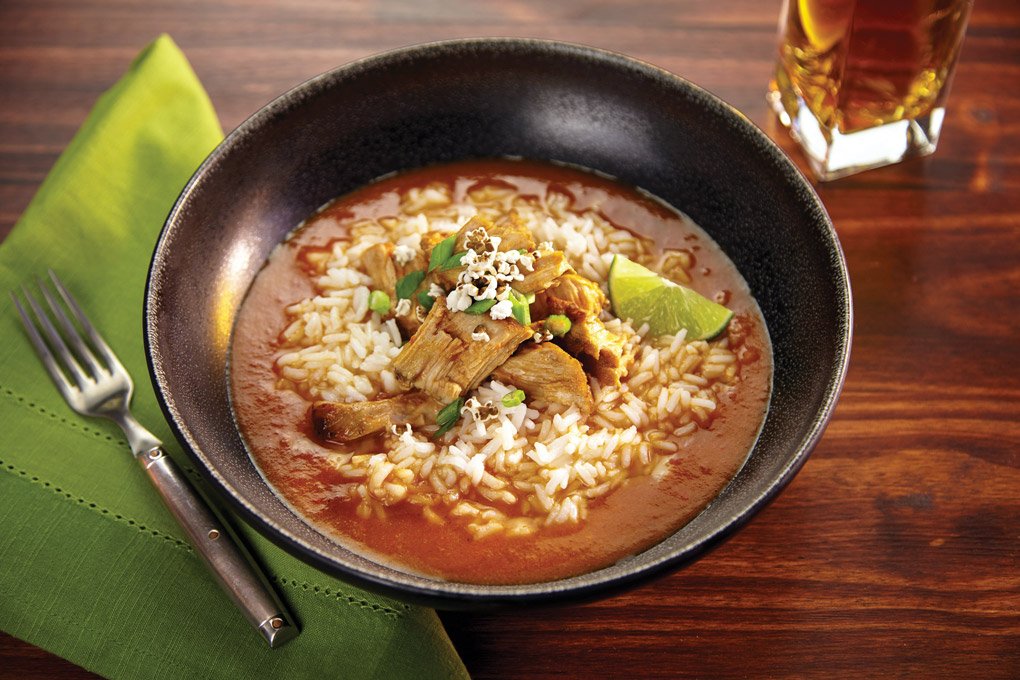
Blending Regional Flavors: The Rise of Fusion Cuisine
Fusion cuisine is another significant trend that has emerged as a result of globalization. By blending the flavors, ingredients, and techniques from different regions, chefs around the world have created entirely new culinary experiences that blend the old and the new. The global availability of ingredients and cooking techniques has led to a blending of cultures, and this fusion is evident in many modern dishes.
In cities like New York, London, and Sydney, you can find dishes that combine the flavors of different cultures. Tacos with Asian-style fillings, sushi with Latin American ingredients, and pizzas with Indian spices are just a few examples of how traditional dishes have evolved in the face of globalization. Fusion cuisine often takes traditional ingredients and reimagines them in a way that appeals to modern palates, combining familiar tastes in unexpected ways.
While fusion cuisine can lead to exciting new flavors and experiences, it has also raised concerns about the authenticity of traditional dishes. Some argue that the blending of ingredients and techniques from different cultures dilutes the essence of the original dish, leading to a loss of cultural identity. For instance, some people believe that fusion sushi, which incorporates non-Japanese ingredients like cream cheese or avocado, is an alteration that strays too far from the traditional form of sushi.
On the other hand, many chefs and food enthusiasts embrace the creativity of fusion cuisine, viewing it as an evolution of culinary traditions rather than a destruction of them. They argue that food, like any art form, is constantly changing, and fusion cuisine represents the merging of diverse cultural influences in ways that reflect the world we live in today.
The Impact on Local Food Culture
As globalization continues to influence food, the impact on local food cultures has been mixed. On one hand, the exposure to global cuisines has enriched local food traditions by introducing new ingredients, techniques, and ideas. In many parts of the world, people have become more adventurous in their culinary choices, embracing a wider variety of flavors and experimenting with fusion dishes.
However, there is also a concern that the rise of global food chains and the standardization of flavors may lead to the erosion of regional culinary traditions. In some cases, local food markets and small, family-run restaurants have struggled to compete with the efficiency and consistency of global chains. This has led to the homogenization of food culture, with traditional dishes and local ingredients being replaced by mass-produced alternatives.
In response to these changes, many chefs and food advocates have turned to movements that emphasize the importance of preserving traditional cooking methods and ingredients. Slow food, for example, is a movement that promotes local, sustainable food practices, focusing on preserving the flavors and techniques that make regional cuisines unique. By supporting local farmers and traditional cooking methods, slow food advocates aim to counter the effects of globalization and ensure that traditional dishes continue to thrive in the face of modern influences.
Conclusion: A Double-Edged Sword
Globalization has undeniably changed the way we experience food, from the introduction of new ingredients and cooking techniques to the rise of fast food and fusion cuisine. These changes have enriched our culinary landscape, offering new flavors and experiences that were once unimaginable. At the same time, globalization has raised concerns about the preservation of traditional dishes and regional food cultures.
The challenge moving forward will be finding a balance between embracing the exciting possibilities offered by globalization and preserving the authenticity of traditional dishes. While fusion cuisine and fast food have their place, it is crucial to ensure that the rich tapestry of regional flavors and cooking traditions is not lost in the process. Whether through movements like slow food or efforts to support local food systems, there are ways to protect the unique tastes that have defined cuisines for generations.