




Kimchi is more than just a spicy, tangy side dish—it’s a centuries-old tradition, an integral part of Korean cuisine, and a superfood that packs a punch when it comes to health benefits. Whether you’re familiar with its distinctive flavors or new to the concept, there’s much more to kimchi than meets the eye. From its fermentation process to the range of nutrients and probiotics it offers, kimchi has earned its place among the healthiest foods you can add to your diet. But what is it that makes kimchi stand out as a “superfood”? Let’s dive deeper into the benefits of kimchi and uncover the science behind its status.
1. The Power of Fermentation
The first thing that sets kimchi apart from many other foods is its fermentation process. Kimchi is made by fermenting vegetables—usually napa cabbage, radish, or cucumbers—along with a mixture of spices like chili flakes, garlic, ginger, and fish sauce. This fermentation process, similar to how yogurt or sauerkraut is made, transforms the ingredients into a powerhouse of health benefits.
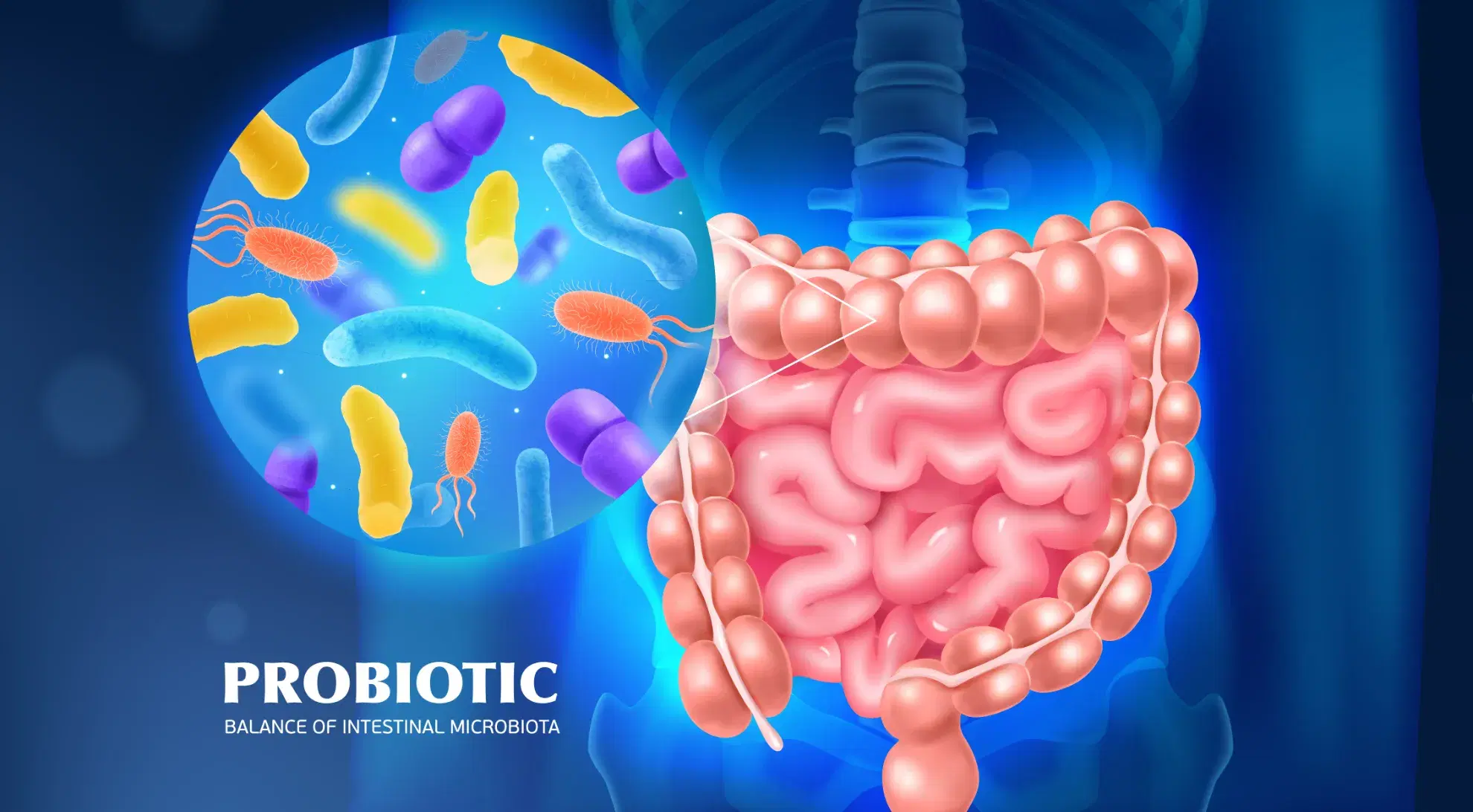
Fermented foods are known for containing beneficial bacteria called probiotics, which play a vital role in gut health. Probiotics are live microorganisms that contribute to a balanced gut microbiome, which is linked to improved digestion, immune function, and even mental health. When you eat kimchi, you’re essentially ingesting these healthy bacteria, which can help regulate your gut, prevent harmful bacteria from growing, and aid in the breakdown of food.
Probiotic Power
Probiotics are not a new health trend; they’ve been used for centuries in different cultures to promote digestive health. However, the specific strains found in kimchi—such as Lactobacillus and Bifidobacterium—are particularly effective at supporting gut health. Studies suggest that these probiotics may help alleviate conditions like irritable bowel syndrome (IBS), constipation, and diarrhea. Additionally, a healthy gut microbiome is associated with better immunity, meaning kimchi can help strengthen your body’s natural defense system.
2. Rich in Nutrients
Kimchi isn’t just a one-trick pony when it comes to its fermentation benefits—it’s also packed with a wide array of nutrients that contribute to its status as a superfood. Let’s take a closer look at some of the key nutrients kimchi brings to the table.
Vitamins
Kimchi is a great source of several essential vitamins, including vitamin A, vitamin C, and various B vitamins. Vitamin A is crucial for maintaining healthy vision, skin, and immune function. Meanwhile, vitamin C is a powerful antioxidant that helps protect cells from oxidative stress, supports immune health, and aids in collagen formation for healthy skin.
Minerals
In addition to vitamins, kimchi is rich in minerals such as calcium, iron, and potassium. Calcium is essential for maintaining strong bones and teeth, while iron plays a critical role in red blood cell production and energy levels. Potassium is important for maintaining fluid balance, regulating blood pressure, and supporting muscle function.
Fiber
The vegetables used in kimchi, such as napa cabbage, radish, and garlic, are naturally high in dietary fiber. Fiber is crucial for maintaining digestive health by promoting regular bowel movements and preventing constipation. It also helps regulate blood sugar levels, control cholesterol, and promote satiety, making kimchi a great food for anyone looking to maintain a healthy weight.
3. Anti-inflammatory and Antioxidant Properties
One of the most exciting aspects of kimchi’s health benefits is its potential to fight inflammation and oxidative stress, both of which play a role in the development of chronic diseases such as heart disease, diabetes, and cancer.
Anti-inflammatory Effects
Chronic inflammation is associated with a number of health issues, from arthritis to cardiovascular disease. Certain ingredients in kimchi, such as garlic and ginger, have natural anti-inflammatory properties. Garlic contains compounds like allicin that are known to reduce inflammation in the body. Similarly, ginger has been shown to lower inflammatory markers, which may help reduce the risk of chronic inflammatory diseases.
Antioxidants
Kimchi also contains various antioxidants, which help combat oxidative stress. Oxidative stress occurs when there’s an imbalance between free radicals (unstable molecules) and antioxidants in the body, leading to cell damage and contributing to the aging process and the development of diseases. The vegetables and spices used in kimchi, such as chili peppers and garlic, contain antioxidants like flavonoids and carotenoids, which can help neutralize free radicals and protect the body from cellular damage.
4. Weight Management and Metabolic Health
Kimchi may also support weight management and metabolic health, making it an excellent addition to any balanced diet. Several studies have shown that kimchi may help reduce body fat and improve markers of metabolic health, such as blood sugar and cholesterol levels.
Fat Loss and Obesity Prevention
One of the reasons kimchi might be beneficial for weight management is because of its ability to promote fat loss. A study published in the Journal of Medicinal Food found that kimchi consumption was associated with a decrease in body fat percentage in overweight individuals. The fermentation process in kimchi increases the bioavailability of certain compounds that may help regulate fat metabolism.
Blood Sugar Control
Kimchi may also help regulate blood sugar levels. The fiber content in kimchi slows the absorption of sugar into the bloodstream, preventing blood sugar spikes and crashes. Additionally, some studies suggest that kimchi may improve insulin sensitivity, which is important for preventing and managing type 2 diabetes.
Cholesterol Regulation

Another benefit of kimchi is its potential to lower cholesterol levels. A study published in the Journal of Nutrition found that kimchi consumption was linked to a reduction in total cholesterol and LDL (bad) cholesterol levels. This makes kimchi a heart-healthy food that may help reduce the risk of cardiovascular disease.
5. Supports Immune Health
Kimchi has long been known for its immune-boosting properties. The combination of probiotics, antioxidants, and essential nutrients in kimchi helps to support a healthy immune system. A balanced gut microbiome, which is achieved by consuming fermented foods like kimchi, is essential for the proper functioning of the immune system.
Immune-Boosting Compounds
In addition to probiotics, kimchi contains immune-boosting compounds such as vitamin C and beta-glucans. Vitamin C is well-known for its role in supporting immune function by enhancing the production of white blood cells, which fight off infections. Beta-glucans, found in fermented foods like kimchi, are natural compounds that help activate immune cells and enhance the body’s defense against pathogens.
6. Mental Health Benefits
Believe it or not, the health of your gut might be connected to your mental health. This is due to the gut-brain axis, a communication pathway between the gut and the brain. Emerging research has shown that a balanced gut microbiome can influence mood, stress levels, and even cognitive function.
Gut-Brain Connection
Probiotics, which are abundant in kimchi, may have a positive effect on mental health by regulating the gut-brain axis. Some studies suggest that the consumption of fermented foods like kimchi can reduce symptoms of depression and anxiety by promoting the growth of beneficial gut bacteria. While more research is needed, early findings indicate that fermented foods can have a positive influence on mental well-being.
7. Easy to Incorporate into Your Diet
One of the best things about kimchi is how easy it is to incorporate into your daily meals. It’s incredibly versatile and can be eaten as a side dish, mixed into soups, or added to rice and noodle dishes. Kimchi is also delicious when paired with protein-rich foods like eggs or tofu. If you’re looking for a way to make your meals more nutritious and flavorful, kimchi is an excellent option.
Kimchi in Your Diet
You can enjoy kimchi in many different ways:
- Kimchi Bokkeumbap (Kimchi Fried Rice): A Korean comfort food made with rice, kimchi, vegetables, and a fried egg.
- Kimchi Stew (Kimchi Jjigae): A hearty stew made with kimchi, tofu, and pork or beef.
- Kimchi Tacos: A fusion dish where kimchi is used as a topping for tacos, adding a spicy and tangy twist.
- Kimchi as a Condiment: Use kimchi as a condiment on burgers, sandwiches, or salads for an extra burst of flavor and nutrition.
Conclusion
Kimchi is much more than just a spicy condiment—it’s a superfood with a wide range of health benefits. From improving digestion and boosting immunity to supporting heart health and managing weight, kimchi offers something for everyone. The fermentation process not only enhances its nutritional value but also provides a host of probiotics that promote gut health and overall well-being. With its rich nutrient profile, anti-inflammatory effects, and potential for improving mental health, kimchi truly deserves its title as a superfood. So, next time you reach for that jar of kimchi, know that you’re not just indulging in a delicious dish—you’re nourishing your body in ways you may not even realize.