



In recent years, collagen has made its way from the medical world to the kitchens of trendsetters, health enthusiasts, and Michelin-star chefs alike. Once a lesser-known ingredient, collagen now appears in everything from bone broth to smoothies, and its popularity continues to rise as a wellness booster and culinary marvel. But why has collagen become such a culinary staple, and what role does it play in modern cuisine? This article explores the fascinating journey of collagen, its culinary uses, and its impact on health, texture, and flavor in today’s food world.
What is Collagen?
Collagen is the most abundant protein in the human body, comprising about 30% of the body’s total protein content. It serves as the primary structural component of connective tissues like skin, bones, tendons, and cartilage. In culinary terms, collagen is often derived from animal sources, particularly from the bones, skin, and connective tissues of animals like cows, pigs, and chickens. When heated, collagen breaks down into gelatin, a substance with unique properties that makes it ideal for certain cooking techniques.
The scientific explanation is simple: collagen is a long, fibrous protein composed of amino acids like glycine, proline, and hydroxyproline. These amino acids, when extracted and processed, form gelatin, which is the key to collagen’s culinary magic. Gelatin has the ability to thicken, set, and create a smooth texture in dishes—making it a vital ingredient in creating rich, velvety textures that elevate dishes.
Collagen in the Modern Kitchen
1. Bone Broth: The Collagen Powerhouse
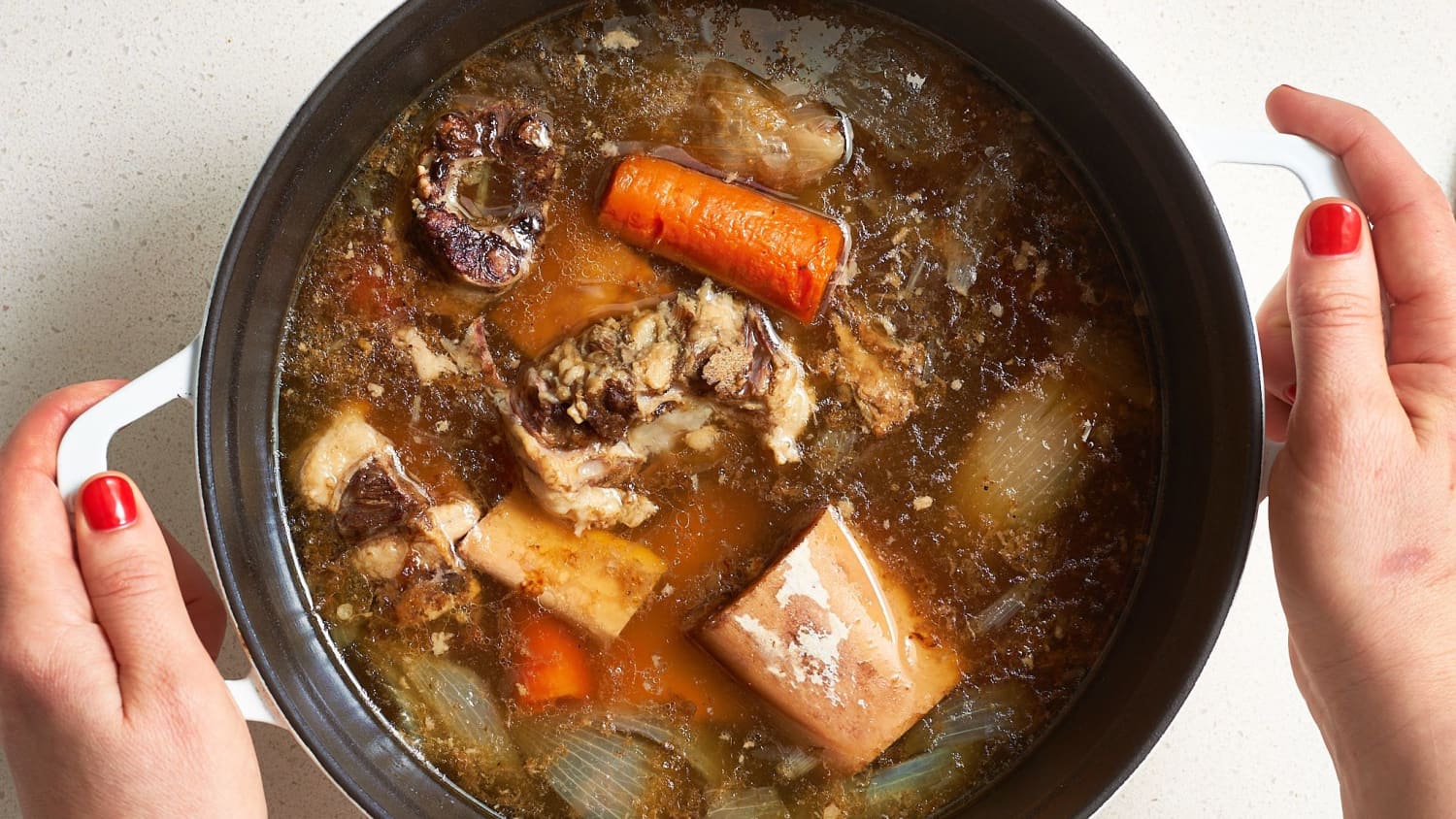
Bone broth has been around for centuries, but it has become a bona fide trend in the modern culinary world, especially as the focus on health-conscious eating has gained traction. Bone broth is made by simmering bones (often with connective tissue) in water for extended periods, which extracts the collagen from the bones and turns it into gelatin. This results in a nutrient-dense liquid packed with minerals, amino acids, and collagen.
The slow cooking process ensures that collagen is broken down into gelatin, which imparts a rich, silky texture to the broth. The result is not only a deeply satisfying savory drink but also a natural source of collagen, which is said to support skin elasticity, joint health, and digestive function. It’s no surprise that bone broth has become a trendy, nutrient-packed addition to modern menus.
2. Gelatin: Collagen’s Transformative Power
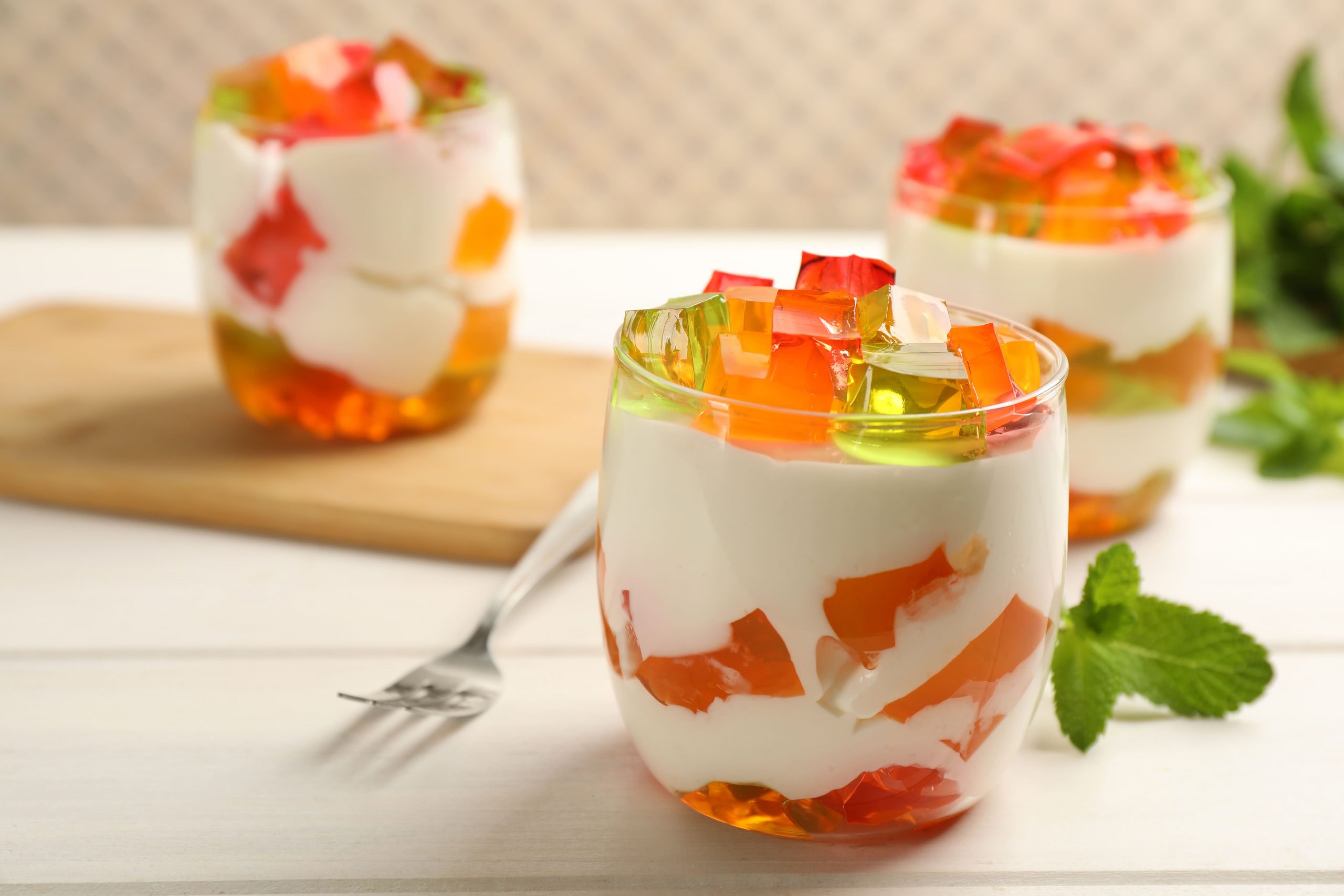
Gelatin, derived from collagen, is widely used in modern desserts, such as jellies, marshmallows, and gummy candies. Its ability to set liquids and create a firm texture has made it indispensable in the dessert world. But gelatin is also being used in savory dishes like aspic and terrines, offering an innovative way to elevate food with both texture and flavor.
In contemporary cooking, gelatin isn’t limited to just gelatinous treats. It is often used as a stabilizer in sauces, ice creams, and emulsions. Gelatin’s ability to act as a gelling agent makes it useful in everything from foams to mousses, where it helps create light, airy textures without sacrificing creaminess.
3. Collagen Peptides: The New Superfood
Collagen peptides have emerged as a modern culinary ingredient, especially in the realm of health and wellness. These are smaller, more easily digestible forms of collagen that have been hydrolyzed to break down the protein into smaller chains of amino acids. Collagen peptides dissolve easily in both hot and cold liquids, making them an easy addition to smoothies, coffees, and teas.
Many health-conscious individuals add collagen peptides to their diets because of their supposed benefits for skin, hair, nails, and joints. The growing market for collagen-based supplements has led to an influx of products designed to incorporate collagen into daily diets, ranging from collagen protein bars to collagen-infused water.
In the culinary world, collagen peptides are becoming increasingly common in high-end health-focused dishes and drinks. They can be found in protein-packed smoothies, energy bites, or even mixed into recipes like pancakes and granola bars. The versatility and ease of use of collagen peptides make them an appealing ingredient for those looking to boost their collagen intake without any complicated preparation.
4. The Rise of Plant-Based Collagen Alternatives
While collagen has traditionally been sourced from animals, modern trends in plant-based eating have led to the development of plant-based collagen alternatives. These alternatives don’t contain actual collagen but are designed to support the body’s collagen production through plant-derived ingredients like vitamin C, amino acids, and antioxidants. These alternatives are becoming increasingly popular in vegan and vegetarian cuisine, offering a solution for those who prefer not to consume animal products but still want the benefits associated with collagen.
Collagen-boosting plant-based ingredients, such as spirulina, acerola cherries, and bamboo extract, are often incorporated into smoothies, baked goods, and even protein powders. These alternatives aren’t direct replacements for collagen, but they encourage the body’s natural collagen production. The demand for plant-based solutions shows how modern cuisine is adapting to a broader spectrum of dietary preferences.
5. Collagen in Fine Dining

Collagen isn’t just reserved for health-conscious dishes; it also plays a key role in fine dining and avant-garde cuisine. Innovative chefs use collagen in unconventional ways to achieve extraordinary textures and flavors in high-end dishes. For instance, collagen-rich cuts of meat, like oxtail and short ribs, are slow-cooked to perfection, releasing collagen and creating a melt-in-your-mouth experience.
In modern gastronomy, gelatin and collagen are used to create molecular gastronomy dishes, where gelatin is transformed into liquid nitrogen ice cream or foamy emulsions. The manipulation of texture and the transformation of ingredients like collagen into something surprising and delightful are key elements in fine dining. Collagen’s ability to transform from a liquid to a solid and back again offers endless possibilities for culinary creativity.
6. Collagen in Savory Dishes
While gelatin is often associated with desserts, collagen also plays an essential role in savory cooking. For example, in French cuisine, dishes like consommé and terrine often rely on gelatin to maintain their structure and texture. These dishes demonstrate how collagen can elevate even the simplest of ingredients by enhancing mouthfeel and providing a satisfying richness.
In addition to its role in soups and broths, collagen is used in modern cuisine to enrich stocks, gravies, and sauces. Chefs often use gelatin-based reductions or collagen-rich stocks to create deeply flavorful sauces that cling to proteins or vegetables, adding layers of complexity to the dish.
The Health Benefits of Collagen
As collagen continues to infiltrate the world of modern cuisine, its health benefits are often cited as a major selling point. While much of the research on collagen’s benefits is still ongoing, studies suggest that collagen supplementation may promote healthy skin, joints, and hair. As collagen production naturally declines with age, consuming collagen-rich foods or supplements is thought to help replenish the body’s stores, potentially improving skin elasticity, reducing wrinkles, and supporting joint mobility.
Moreover, collagen contains the amino acids that support gut health, particularly glycine, which is known for its anti-inflammatory properties. Collagen’s positive effects on skin health have made it particularly popular in beauty circles, with many incorporating collagen into their diets in the hopes of achieving smoother skin, stronger hair, and healthier nails.
Conclusion
Collagen has undoubtedly earned its place in modern cuisine. From bone broth to collagen peptides, the versatility of this protein allows it to be used in everything from health-focused smoothies to gourmet fine dining. As both a functional ingredient and a health trend, collagen enhances the texture and flavor of dishes, while also offering potential health benefits. The growing interest in collagen-rich foods reflects a broader trend toward nutritious, holistic eating that supports the body from the inside out.
As our understanding of collagen deepens and its applications in the kitchen continue to evolve, it’s clear that this powerhouse protein is more than just a passing fad. It’s here to stay, playing a vital role in both health-conscious cuisine and innovative culinary creations.