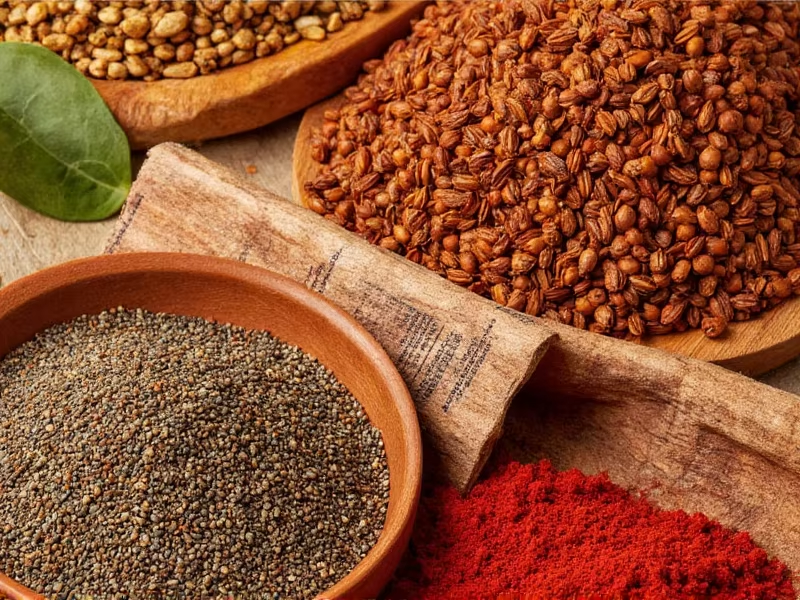




In the world of gastronomy, spices are not merely ingredients; they are the very soul of a dish. Spices have the remarkable ability to transcend borders and cultures, creating distinctive flavors that define culinary traditions. The influence of local spices goes beyond taste; it shapes the history, culture, and even identity of a region. From the fiery heat of chilies in Southeast Asia to the fragrant warmth of cinnamon in the Middle East, each spice tells a story about the land from which it comes. But how exactly do local spices shape the unique flavor profiles of dishes? This article will explore the intricate relationship between local spices and the flavor identities of regional cuisines, shedding light on how these elements work together to create unforgettable meals.
The Essence of Local Spices
Local spices are integral to a dish’s flavor profile because they are often derived from the surrounding environment. Climate, soil, and indigenous plants all play a role in determining which spices are grown and used in a given region. These spices are more than just flavor enhancers; they are products of centuries of adaptation to local conditions, both climatic and cultural.
For example, in India, spices such as turmeric, cumin, coriander, and cardamom are not only key to the region’s flavor but are also deeply tied to the nation’s rich agricultural history. These spices are grown across the Indian subcontinent, each region cultivating its own specific varieties. The combination of spices used in Indian cuisine—often in complex, multilayered blends—serves as a testament to the land’s diverse ecosystems and cultural influences.
In contrast, the Mediterranean basin, with its mild climate and proximity to the sea, boasts a different set of spices. Herbs like rosemary, thyme, oregano, and basil are commonly found in Mediterranean dishes. These herbs reflect the temperate environment of the region and its long history of trade with neighboring cultures. The balance of freshness and earthiness in these herbs complements the Mediterranean diet, which emphasizes fresh vegetables, seafood, and olive oil.
The Role of Local Spices in Flavor Balance
Every cuisine relies on a careful balance of flavors—sweet, sour, salty, bitter, and umami. Local spices play a crucial role in balancing these tastes, often providing the necessary elements to either intensify or temper certain flavors. For instance, in Thai cuisine, the use of lemongrass, galangal, and kaffir lime leaves adds an aromatic and citrusy brightness that balances the richness of coconut milk and the heat of bird’s eye chilies. This interplay between herbs and spices creates a harmonious profile that excites the palate and gives each dish a unique character.
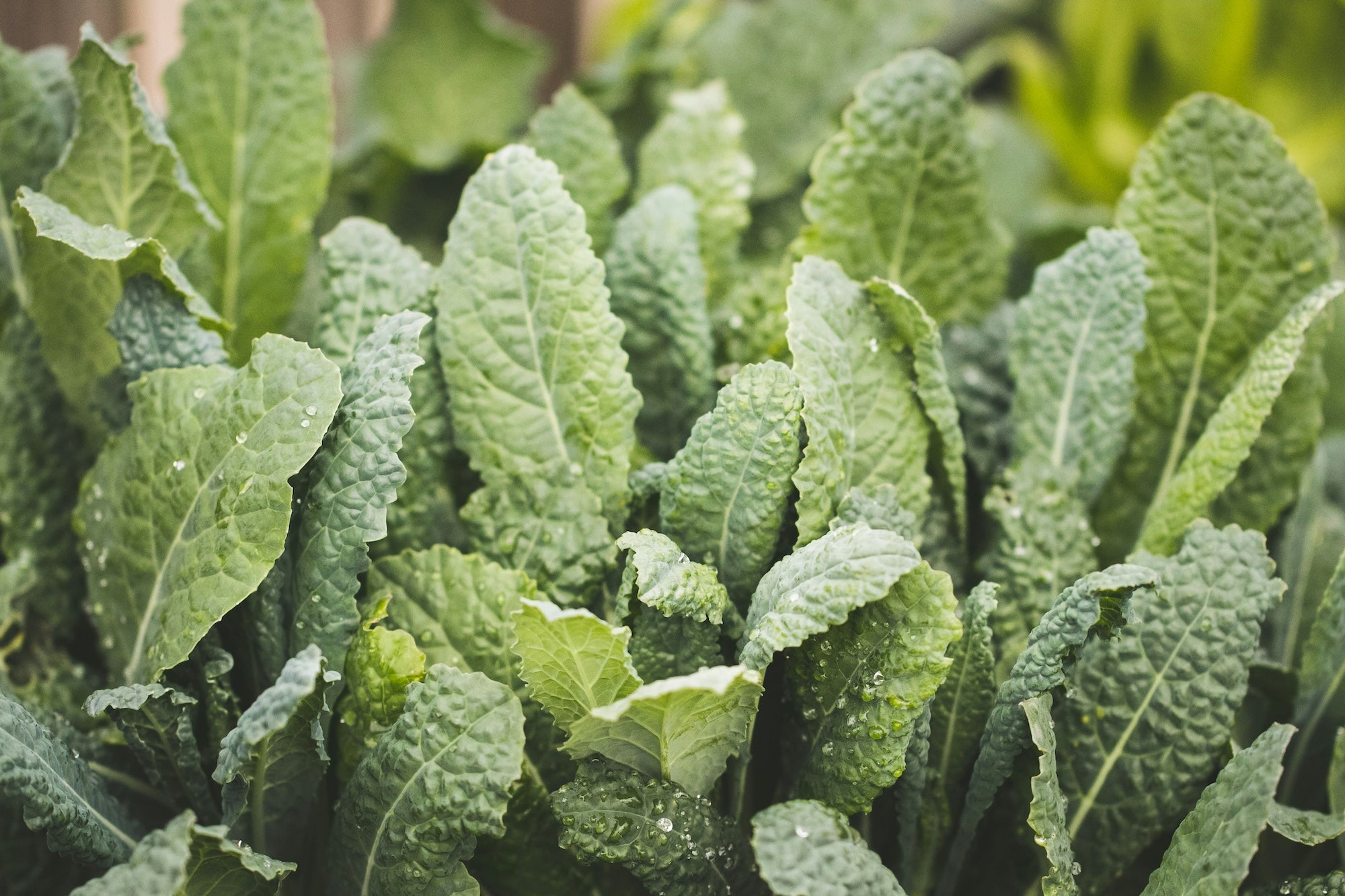
Similarly, in Moroccan cooking, spices like saffron, cumin, cinnamon, and coriander are used in delicate proportions to bring together the sweet and savory elements of the dish. Tagine, a famous North African stew, is a perfect example of how local spices create a flavor profile that is both complex and comforting. The subtlety of cinnamon, combined with the warmth of cumin and the slight bitterness of coriander, produces a dish that is neither too sweet nor too spicy, but rather a beautiful, balanced fusion of flavors.
Spices also provide depth to the savory profile of a dish. Consider the use of smoked paprika and garlic in Spanish cuisine, particularly in dishes like paella or chorizo. These spices bring a depth of smokiness and earthiness that elevates the flavors of other ingredients, such as seafood or meats. The inclusion of local chili peppers, such as the chipotle in Mexican cooking, adds another layer of complexity to the flavor profile by infusing the dish with both heat and smokiness.
The Science Behind Spice Pairing
Understanding how local spices shape a dish’s flavor profile goes beyond cultural and historical context; it also involves chemistry. The compounds in spices interact with our taste buds and olfactory senses, creating a complex sensory experience. The science of spice pairing involves understanding how different chemical compounds—such as essential oils, phenols, alkaloids, and terpenes—work together to create harmony in flavor.
For example, capsaicin, the compound that gives chili peppers their heat, triggers pain receptors in the mouth, creating a sensation of heat or spiciness. When combined with the sweetness of sugar or the richness of fats (like coconut milk or cream), capsaicin’s intensity is softened, allowing for a more balanced and enjoyable experience. This is why chili peppers are often paired with sweet ingredients like pineapple or mango in Caribbean and Southeast Asian cuisines.
Similarly, in Indian cooking, the presence of turmeric, with its earthy bitterness, is often tempered by the addition of sweet ingredients such as raisins or dried fruits. The bitterness of the turmeric is balanced by the sweetness, creating a more complex and well-rounded flavor profile. This interplay between spices and other ingredients highlights the skillful use of local spices to achieve flavor harmony.
Regional Spice Blends and Their Signature Dishes
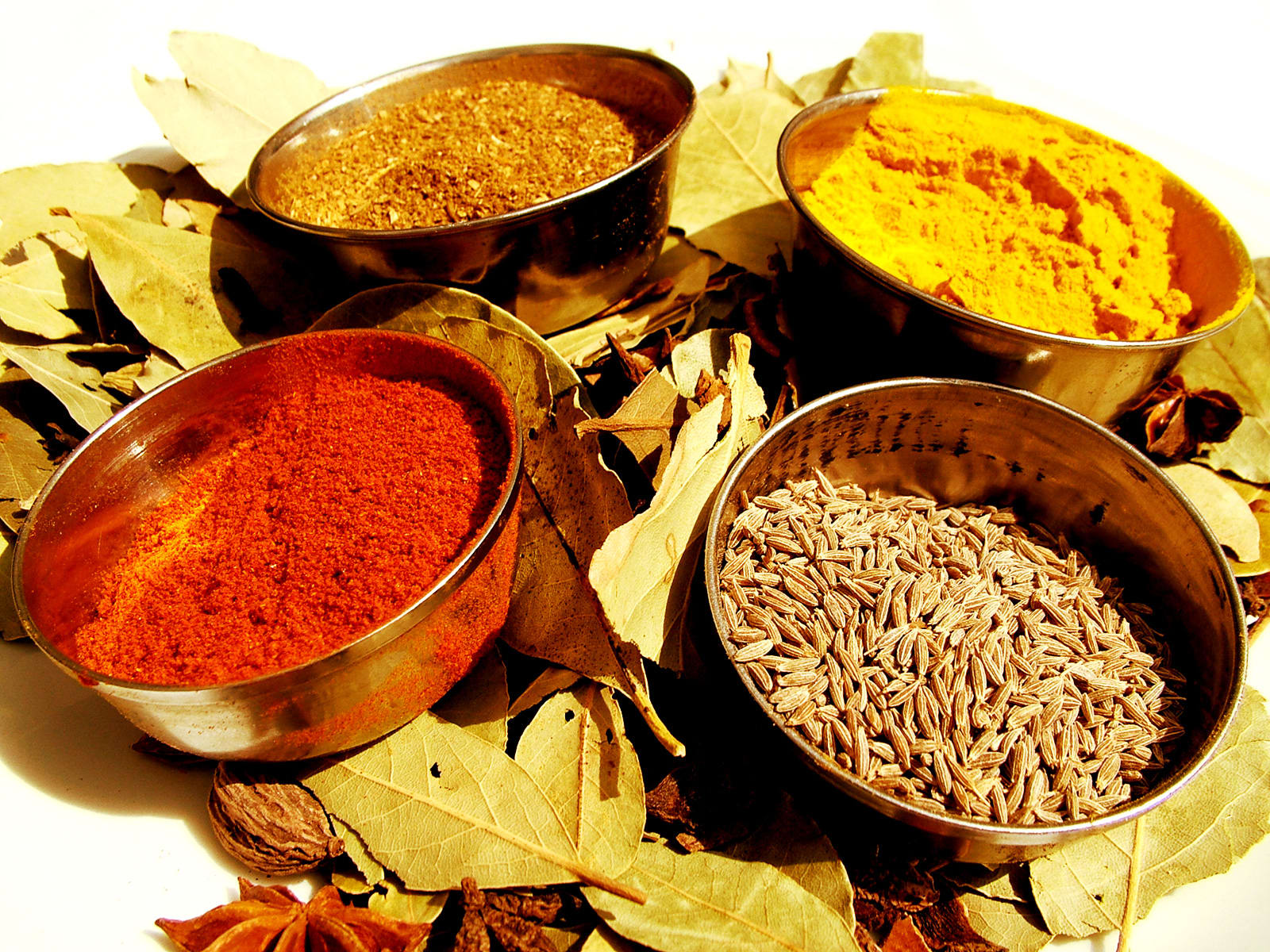
Many regions around the world have developed signature spice blends that encapsulate the essence of their local cuisine. These blends are often carefully crafted over generations, with each spice carefully chosen to enhance the flavors of the dishes they accompany. These blends are not just combinations of spices but represent the culinary identity of a region.
One of the most famous spice blends is garam masala, a staple in Indian cooking. This aromatic mixture of spices—often including cumin, coriander, cardamom, cloves, cinnamon, and black pepper—varies from region to region and even household to household. The combination of warm, sweet, and spicy elements creates a flavor profile that is rich and complex, lending depth to curries, stews, and rice dishes. Garam masala is so integral to Indian cuisine that it often symbolizes the heart of Indian cooking itself, its composition reflecting the diversity of the country’s regions and their culinary traditions.
Similarly, the Moroccan spice blend known as ras el hanout is a hallmark of North African cuisine. This blend combines spices such as cumin, coriander, turmeric, cinnamon, and paprika, among others. It is a versatile seasoning that can be used in a wide range of dishes, from tagines to grilled meats. The name “ras el hanout” translates to “head of the shop,” indicating that it is often the most prized and complex blend a spice merchant offers. Each version of ras el hanout is unique, based on the region and the merchant’s personal recipe, making it a truly local and highly regarded spice mix.
In the Middle East, za’atar is another beloved spice blend. This mix of thyme, sumac, sesame seeds, and salt is used in everything from flatbreads to meats, and it is a defining flavor of Levantine cuisine. Za’atar’s balance of herbal, tangy, and nutty flavors gives it a distinctive character, one that reflects the landscapes of the Middle East—sun-soaked, earthy, and fragrant.
The Influence of Local Spices on Global Dishes
Local spices not only shape regional dishes but have also had a profound influence on global cuisines. The historical movement of spices, through trade routes like the Silk Road and the spice trade between Europe, Asia, and Africa, has spread these unique flavor profiles far beyond their places of origin. Many popular global dishes, such as curry, paella, and chili con carne, are shaped by the local spices used in their regions of origin but have evolved over time through cultural exchanges.
For instance, curry, which originated in India, is now a beloved dish in many parts of the world, from the United Kingdom to Japan. While the base of curry is often built on a combination of spices like turmeric, cumin, coriander, and garam masala, its flavor profile has adapted to local tastes and ingredients. In the UK, curry has been transformed into a variety of forms, such as the milder chicken tikka masala, which is spiced with a slightly sweeter flavor profile to cater to British palates. In Japan, curry powder is a little milder and often combined with ingredients like apples to add sweetness.
In Latin American cuisine, the use of local chili peppers—such as jalapeños, serranos, and habaneros—has shaped the region’s bold, spicy flavors. Dishes like Mexican mole and Peruvian ceviche rely heavily on chili peppers to bring heat and complexity. As these dishes traveled across the globe, the flavor profiles shifted based on the availability of local chili varieties, showing the adaptability of spices and how they can mold the identity of a dish, no matter where it’s made.
Conclusion
Local spices are the unsung heroes of many culinary traditions, transforming simple ingredients into dishes that are packed with history, culture, and complex flavor. From the spices that define Indian curries to the herbs that characterize Mediterranean dishes, the unique flavor profiles of regional cuisines are deeply intertwined with the land’s spices. Whether it’s the fiery heat of chilies or the warm embrace of cinnamon, local spices give a dish its soul. They are a living expression of the land, its people, and its history, contributing not only to flavor but to the very identity of the dishes they inhabit.
As we continue to explore and experiment with global cuisines, we come to appreciate how these local spices help tell the story of a region’s culture, its past, and its evolving culinary traditions. So next time you enjoy a dish, take a moment to consider the spices that made it possible—the flavors, the stories, and the rich history they carry.