




Food is a universal language—whether it’s a spicy curry from India, a fresh sushi roll from Japan, or a simple plate of pasta from Italy, food brings people together across borders. But what is it that makes some local dishes transcend regional boundaries and become beloved worldwide? How do certain meals, once specific to a small community, gain global recognition, while others remain confined to their place of origin?
In this exploration, we will delve into the reasons why some local dishes have the power to become global favorites. From globalization and cultural exchanges to changing consumer habits and social media’s influence, a variety of factors contribute to the global success of these culinary delights.
1. Cultural Exchange and Globalization: The Spark of Culinary Movement
The most obvious factor behind the global reach of certain dishes is globalization—the process by which people, ideas, and cultures become interconnected. Over the past few decades, as the world has become increasingly interconnected, cultural exchange has flourished. People travel more than ever, bringing back ideas, traditions, and yes, recipes.
Culinary traditions that were once isolated to a particular country or region now have a broader audience, thanks to easier travel, online communication, and immigration. For instance, Chinese food was primarily enjoyed in China until the 19th century, when Chinese immigrants brought their recipes with them to other parts of the world. The dishes, like chop suey and dim sum, have since become staples in many countries.
Similarly, the global spread of Italian cuisine, particularly pizza and pasta, began when Italian immigrants took their dishes to countries like the United States in the late 19th and early 20th centuries. Now, pizza is universally adored, with variations of it being served in every corner of the globe. Globalization, with its emphasis on interconnectedness and the movement of people and ideas, provides the fertile ground for local dishes to blossom into international icons.
2. Adaptability: The Key to Winning Hearts Worldwide
A critical characteristic of globally popular dishes is their adaptability. For a dish to make the leap from a regional delight to a global favorite, it needs to be flexible enough to appeal to different tastes, dietary preferences, and cultural norms. This flexibility allows a dish to evolve, incorporating local ingredients and flavors while retaining its essential identity.
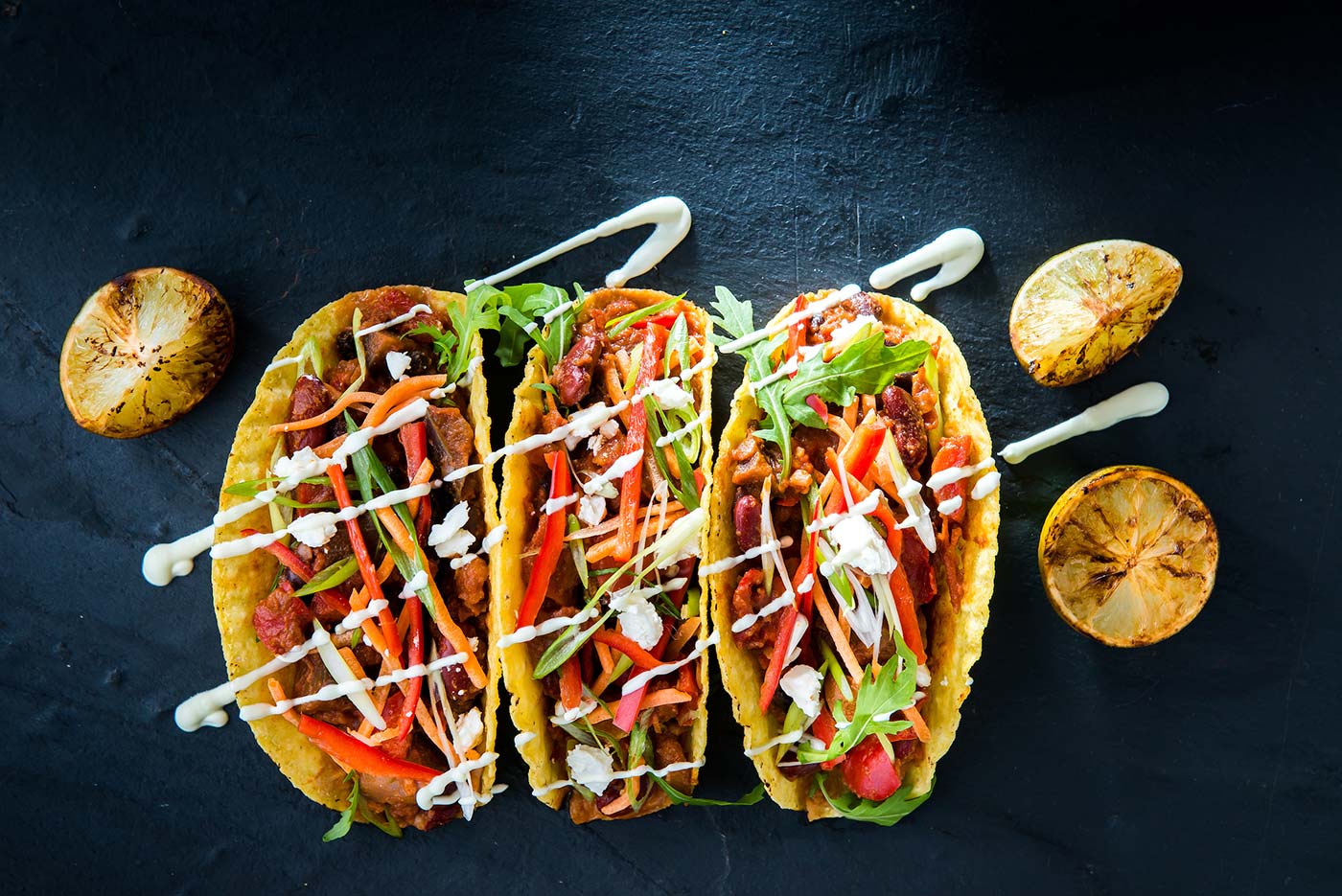
Take tacos, for instance. Originally from Mexico, the taco has been embraced by countries across the globe, from the U.S. to Japan. While the basic structure of a taco—tortilla, filling, and toppings—remains the same, people have found countless ways to adapt it to local tastes. In the U.S., tacos may come with ground beef, cheddar cheese, and sour cream, while in Korea, you might find tacos filled with bulgogi (marinated beef) and kimchi.
The ability to modify a dish while maintaining its core elements allows it to resonate with people from diverse backgrounds. A dish that can cater to vegetarian, vegan, gluten-free, or even halal diets will find a wider audience. This versatility is one of the reasons why local dishes like burgers, sushi, and curry have been able to become so globally pervasive.
3. Social Media and Food Trends: Accelerating the Spread
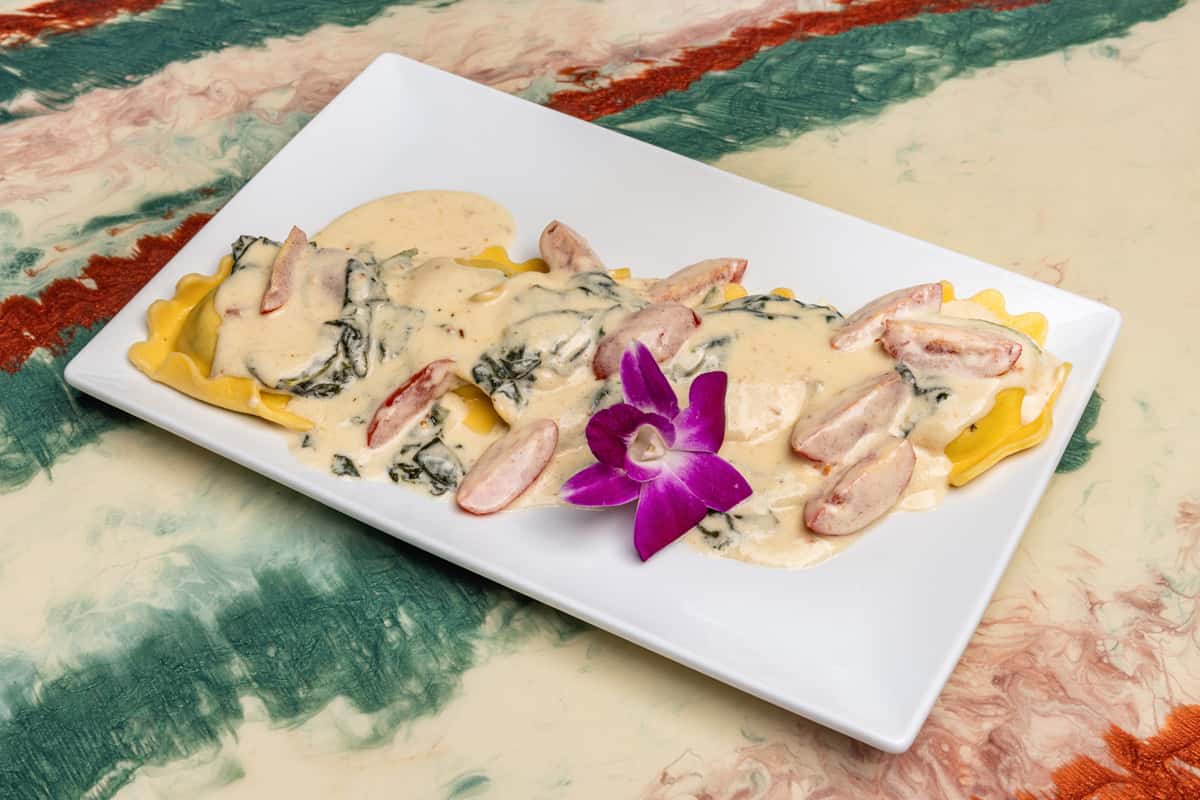
In the digital age, social media plays an enormous role in shaping food trends and helping local dishes gain global attention. Platforms like Instagram, TikTok, and YouTube have turned food into not just a necessity, but an experience. Stunning photos of beautifully plated dishes, quick recipe videos, and food challenges have turned eating into a form of entertainment.
Food trends spread like wildfire thanks to viral content. For example, in 2017, the “ramen burger,” a burger where the buns are replaced with ramen noodles, took off in New York City after being featured on Instagram. Similarly, bubble tea (originally from Taiwan) exploded in popularity worldwide, largely due to social media buzz and influencers promoting it.
The “Instagrammability” of food also plays a role in making local dishes global favorites. People want to share their experiences, and visually appealing dishes—whether it’s a colorful bowl of acai, an intricately layered cake, or a unique local dish—are more likely to be photographed and shared. This not only spreads the dish’s appeal but also encourages others to try it.
4. Flavor Profiles: The Irresistible Appeal of Certain Tastes
One of the key factors that determine whether a dish will go global is its flavor profile. Some taste experiences resonate universally, as they strike a balance between sweetness, saltiness, bitterness, and umami. Foods with complex, layered flavors often capture people’s attention, as they provide an experience rather than just nourishment.
Japanese sushi, for example, appeals to the global palate with its delicate balance of flavors and textures. The combination of fresh fish, vinegary rice, and the subtle heat of wasabi makes sushi a unique, satisfying culinary experience. Sushi also taps into the global trend toward fresh, healthy eating, making it an appealing choice for many health-conscious individuals.
Similarly, Indian curries are rich in flavor complexity, with a perfect blend of spices that provide warmth, depth, and a little bit of heat. The popularity of curry around the world can be attributed to its satisfying, hearty nature and the ability to adjust the spice level according to individual preferences.
Dishes that offer a unique yet familiar taste, balancing rich, comforting elements with a hint of exoticism, are likely to have a lasting impact on global food culture.
5. The Role of Food Tourism: Eating Like a Local
Another significant factor in the global popularity of local dishes is food tourism—the practice of traveling to experience the authentic cuisine of a destination. As people become more interested in experiencing cultures through their food, local dishes take on a kind of iconic status.
Take Italy, for example. Tourists flock to Italy not only for its art, history, and landscapes but for the opportunity to savor its regional specialties—whether it’s pizza in Naples, pasta in Rome, or gelato in Florence. The rise of food tourism has fueled the global appeal of Italian food, as travelers bring back the recipes and share their experiences with others.
In some cases, local dishes gain global recognition because they are tied to a specific country’s identity or cultural significance. Think of France’s croissants, Spain’s paella, or Thailand’s Pad Thai. These dishes not only taste incredible but also evoke a sense of place, which makes them all the more enticing to a global audience looking to experience authentic flavors.
6. Celebrity Chefs and the Influence of Media
The power of media—especially the influence of celebrity chefs—cannot be underestimated when it comes to the globalization of food. Figures like Gordon Ramsay, Anthony Bourdain, and Jamie Oliver have not only elevated the profile of certain dishes but have also made global culinary exploration accessible to a wide audience.
When chefs travel the world and feature local dishes on television shows like “Parts Unknown” or “MasterChef,” they bring attention to regional foods that might otherwise remain underappreciated outside their home country. Bourdain, for example, helped popularize street food culture, showcasing dishes like Vietnamese pho, Malaysian laksa, and Filipino adobo on a global stage.
Celebrity chefs also play a significant role in promoting fusion cuisine—dishes that combine elements from different culinary traditions. This blending of flavors can lead to the creation of globally popular dishes that feel both exotic and familiar, making them more approachable to a broader audience.
7. Sustainability and Health Consciousness: The Modern Twist
As the world becomes increasingly aware of the need for sustainable food practices and healthier eating habits, many local dishes are gaining global attention for their health benefits. In the past decade, the rise of plant-based and clean eating movements has led many people to embrace cuisines that emphasize fresh ingredients, light cooking techniques, and minimal use of processed foods.
Mediterranean cuisine, which is known for its use of fresh vegetables, olive oil, lean meats, and fish, has been embraced globally as a healthy, sustainable eating style. Similarly, Japanese cuisine—particularly its focus on rice, seafood, and vegetables—has become synonymous with longevity and well-being. As more people seek healthy alternatives to heavy, processed foods, these regional diets are quickly becoming global favorites.
8. The Power of Nostalgia and Comfort
Food is deeply tied to emotions, and many of the local dishes that have gained global popularity are comfort foods that evoke feelings of nostalgia, familiarity, and warmth. In times of uncertainty or stress, people often turn to food that reminds them of home or offers emotional comfort.
In the U.S., mac and cheese has become a beloved comfort food not just because of its creamy texture and cheesy flavor but because it’s tied to childhood memories and family gatherings. Similarly, the spread of comfort foods like ramen, pho, and dumplings can be attributed to their ability to provide solace, warmth, and a sense of belonging.
Conclusion: The Universal Nature of Food
The rise of certain local dishes to global fame is a complex and multifaceted phenomenon. From cultural exchange and globalization to the power of social media and food trends, several forces come into play in making a regional dish a worldwide favorite. Whether through their adaptability, flavor profile, or emotional connection, these dishes resonate with people across the globe. The ongoing evolution of food culture, fueled by innovation, tourism, and media, ensures that new culinary delights will continue to emerge, enriching our global palate.
As we continue to explore the world through its cuisines, one thing remains certain: the love for food is universal. And as long as there are flavors to savor and stories to tell, local dishes will continue to become global favorites.