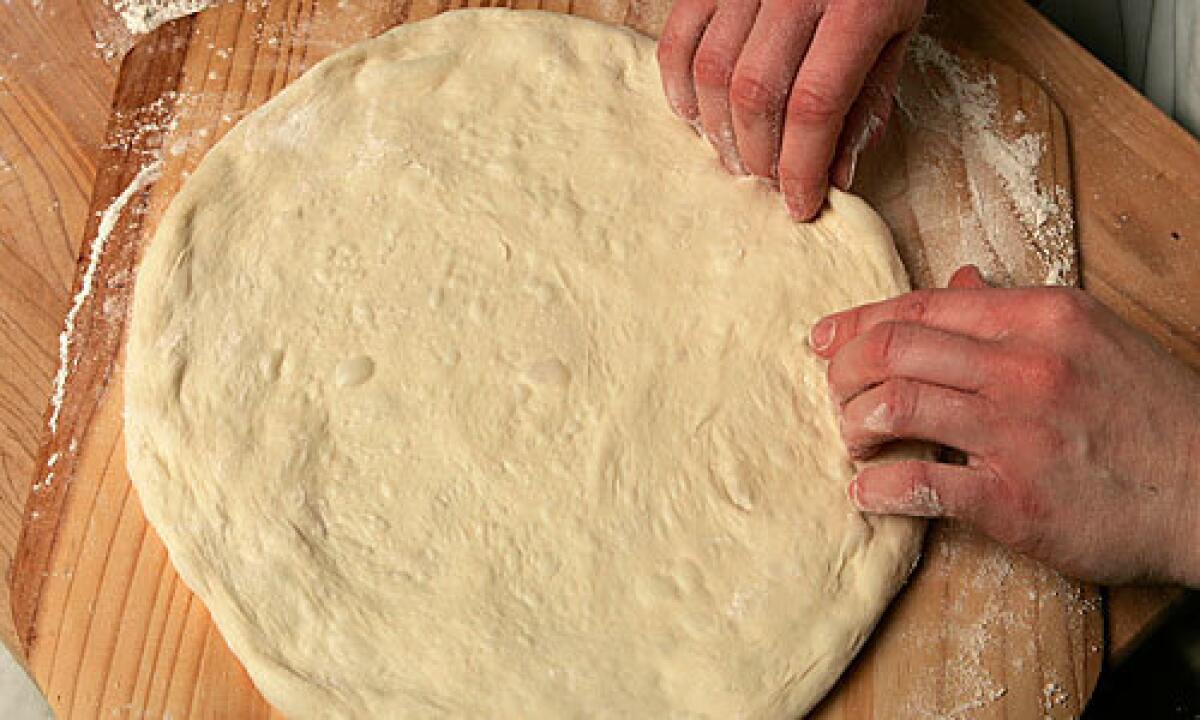




When it comes to baking, whether you’re making bread, pizza, or pastries, one step is universally important: letting the dough rest before you bake it. While it might seem like an optional part of the process, resting the dough is essential for the development of texture, flavor, and overall quality of the final product. Understanding why this step matters can make the difference between a good recipe and a great one. So, let’s dive into the science and magic behind dough resting and explore why this seemingly small step is key to your baking success.
1. The Science of Resting Dough: Gluten Relaxation
The first reason why resting dough is crucial is because it allows the gluten in the dough to relax. Gluten, a protein found in wheat flour, is responsible for the dough’s structure and elasticity. When you mix the dough, the gluten strands are activated, forming a network that holds the dough together. This gives bread its chewy texture and allows it to rise.
However, after kneading, the gluten network is tight and tense, which makes the dough feel stiff and hard to work with. By letting the dough rest, the gluten relaxes and becomes more pliable. This relaxed dough is much easier to shape, stretch, and roll out, which is especially important for pizza dough, pastry dough, and bread loaves. Without this rest period, your dough could be too tough to shape or result in a dense, uneven final product.
2. Allowing for Fermentation and Rising
Resting dough is also crucial for fermentation, a process in which yeast (or other leavening agents) consumes sugars and releases carbon dioxide. This carbon dioxide is what makes the dough rise, creating the airy pockets that give bread its light, fluffy texture.
During the resting phase, particularly in the case of yeast doughs, the yeast has time to do its work. The dough will expand as the carbon dioxide is trapped inside, causing it to rise and become light. If you skip this resting period, the yeast won’t have enough time to produce the necessary gas, and your dough may remain dense or fail to rise properly.
Moreover, resting dough at a cool temperature (such as in the refrigerator) allows for a slower fermentation process, which results in more complex flavors. This slow fermentation period gives the dough more time to develop subtle, rich flavors as the yeast breaks down sugars in the flour. Fast fermentation might give you a quicker result, but the flavor profile will often be one-dimensional compared to dough that has rested and risen slowly.
3. Improving Flavor and Texture
The resting period is also essential for developing a deeper, richer flavor in dough. During fermentation, enzymes break down the starches in the flour into simpler sugars, which are then fermented by the yeast. This process creates a wide range of flavor compounds, including organic acids, alcohols, and esters, all of which contribute to the flavor complexity of your dough.
For example, when making pizza dough or bread, resting allows the flavors to develop over time, leading to a more nuanced taste in the final baked product. You’ll notice that dough that has rested for several hours or overnight often has a tangy, slightly sour taste—especially when a small amount of sourdough starter or a long fermentation period is involved.
:max_bytes(150000):strip_icc()/Pizza_Dough_004-3ceb2364f309460f843a446288e398e9.jpg)
Additionally, the resting phase gives the dough the opportunity to improve in texture. The longer the dough rests, the more time the flour has to absorb moisture, resulting in a softer, more elastic texture. This is particularly important for delicate pastries, where a well-rested dough will have a lighter, flakier texture once baked.
4. Dough Hydration: The Key to Better Dough Consistency
Another important factor in resting dough is hydration. Flour absorbs water at different rates depending on its type, and when dough is mixed and kneaded, the water doesn’t always get absorbed evenly. Resting allows the flour to fully hydrate, leading to a smoother, more even consistency throughout the dough.
When dough rests, the water spreads evenly throughout the flour, creating a uniform texture. This is especially important for recipes with a higher hydration content, like pizza dough or focaccia, where the dough can otherwise feel sticky or uneven. Resting ensures that the water has fully absorbed into the flour, resulting in dough that is easier to handle and shape.
5. The Effect on Dough Shaping and Stretching
Whether you’re making pizza, bread, or croissants, resting dough makes shaping and stretching much easier. After a few minutes of resting, dough will feel much more pliable and less likely to spring back when you try to stretch or roll it out. Without this rest period, the dough will often resist stretching, leading to uneven shapes or tears.
This is especially important for pizza dough, which needs to be stretched into a thin, even layer. A well-rested dough will be less likely to shrink back into a ball, making it easier to shape into the perfect crust. The same applies to pastry dough—whether you’re making puff pastry, croissants, or pie crusts, resting allows the layers to relax, creating a flaky, tender final product.
6. Preventing Overworking the Dough
Another reason to let dough rest is to prevent overworking it. Kneading the dough too much or too aggressively can lead to an overly tough or dense result, especially if you’re working with delicate doughs. Resting gives the dough time to relax between kneading sessions, ensuring that you don’t overwork it, which could lead to a heavy or tough texture.
When making bread or pizza, you can knead the dough for a few minutes, then let it rest before kneading again. This intermittent kneading and resting allow the dough to become smooth and elastic without requiring constant muscle work, resulting in a more tender final product.
7. The Resting Time: How Long Is Enough?
:max_bytes(150000):strip_icc()/__opt__aboutcom__coeus__resources__content_migration__serious_eats__seriouseats.com__images__2014__09__20140922-bread-proofing-vicky-wasik-7-82593e9813424acd858e4bf94b82a564.jpg)
The length of time you let dough rest depends on the type of dough and the recipe you’re following. For most yeasted doughs, a resting time of 1 to 2 hours at room temperature is sufficient for the dough to rise and develop flavor. For slow-fermentation recipes, such as those used for sourdough or artisan bread, you may need to rest the dough in the refrigerator for several hours or overnight.
Short resting periods can be effective for quick breads or pizza dough, but longer resting periods are typically better for deep flavor and texture development. As a rule of thumb, the longer you can let the dough rest, the more complex and flavorful the final result will be.
8. Room Temperature vs. Cold Fermentation
Resting dough at room temperature is the most common method, especially when you’re in a hurry. However, some bakers swear by cold fermentation, which involves resting the dough in the refrigerator for an extended period. Cold fermentation slows down the yeast activity, allowing for a more controlled and slower rise. This method is particularly popular for pizza dough, as it develops a chewy texture and complex flavor over time.
If you’re planning to rest dough overnight, cold fermentation is a great option. Just be sure to give the dough enough time to warm up slightly before working with it, as cold dough can be difficult to shape or stretch.
9. Resting Dough and Pizza Making
Resting dough is especially important for pizza making. The elasticity of pizza dough comes from the way the gluten relaxes during the resting period. If you don’t let your pizza dough rest long enough, it will be harder to stretch into a thin, even crust. A rested dough is much easier to shape into a large round pizza and will yield a much lighter, more airy crust once baked.
Additionally, resting pizza dough improves the flavor. The fermentation process that happens during resting leads to the creation of carbon dioxide and flavor compounds that contribute to the crispy, flavorful crust that we all love.
10. Resting Dough for Pastries
Pastry doughs, such as those used for croissants, puff pastry, or pie crusts, benefit from resting even more. In these recipes, the dough is typically made with butter or other fats that need time to chill and firm up. Resting the dough helps prevent the fats from melting too quickly, ensuring the dough holds its shape while baking.
For pastries like croissants, resting the dough between folding and rolling steps creates those signature layers of dough and butter. This process is essential for achieving the flakiness and delicate texture that defines pastries.
Conclusion: A Step You Can’t Skip
Resting dough is more than just a time filler—it’s an essential step that contributes to the texture, flavor, and overall success of your baking. Whether you’re making bread, pizza, or pastry, giving your dough time to relax and rise will yield better results and make the dough easier to handle. So next time you’re baking, remember: patience is key. Letting your dough rest will reward you with a lighter, more flavorful product, and it’s the kind of detail that sets good bakers apart from great ones.