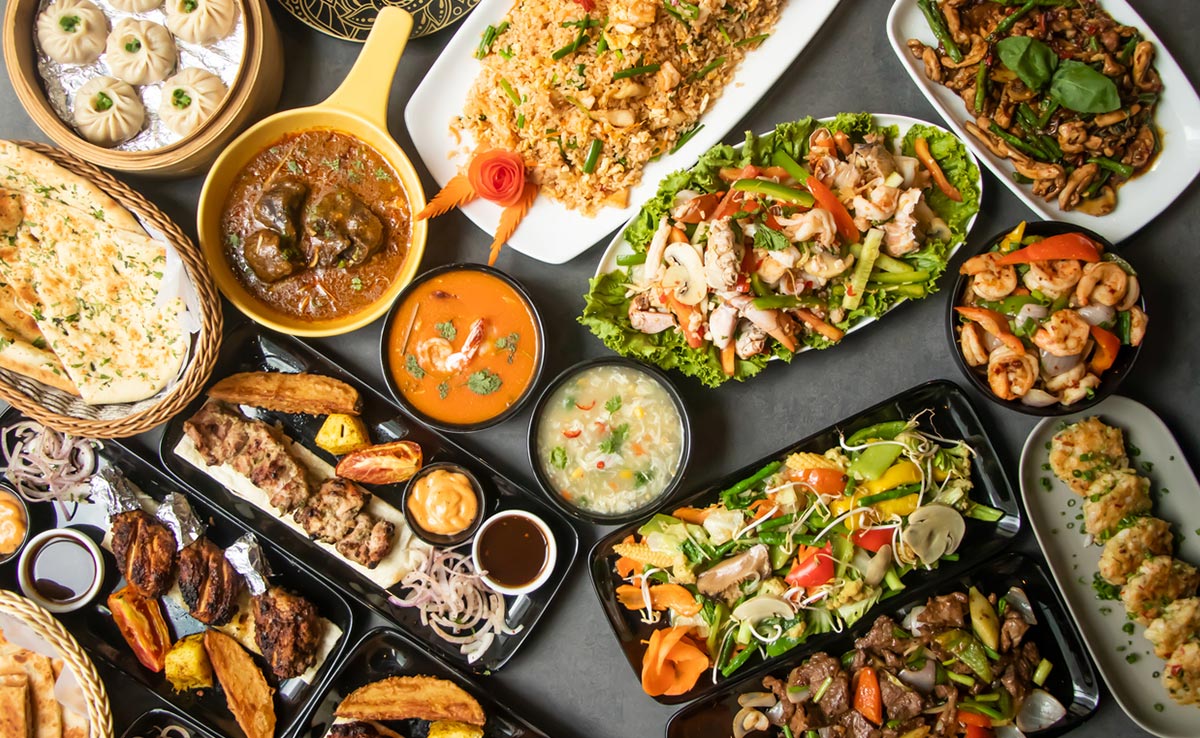




Food, in its many forms, does more than simply sustain us—it tells the story of who we are, where we come from, and how we interact with the world around us. Local cuisine, deeply intertwined with culture, history, and geography, serves as a reflection of regional identity. Whether it’s the fiery spices of Sichuan cuisine or the comforting richness of Southern American cooking, each dish carries with it a sense of place, offering a taste of a region’s unique culture and traditions. The link between local cuisine and regional identity goes beyond mere ingredients; it’s about how food helps shape the way people think, feel, and relate to each other.
1. The Historical Roots of Local Cuisine
Local cuisine is often deeply connected to a region’s history, and in many cases, the evolution of culinary traditions mirrors the historical development of a place. Take the example of Italy, where each region offers a distinct culinary experience shaped by its past. Northern Italy, influenced by the rich agricultural land, features hearty, butter-based dishes, while the south, influenced by Arab, Greek, and Spanish occupations, tends to feature a stronger emphasis on olive oil, tomatoes, and spices. Similarly, in the United States, Southern cuisine—often associated with comfort food—was shaped by the diverse cultural influences brought over by enslaved Africans, Native Americans, and European settlers. Through food, these histories live on, preserved not only in recipes but also in the ways they are cooked and enjoyed.
2. Geography and Climate Influence Culinary Practices
A region’s geography and climate play a crucial role in shaping its culinary identity. Local ingredients, what grows and what doesn’t, dictate the food that is prepared in a particular area. For example, coastal regions naturally rely heavily on seafood as a primary source of protein, such as in the Mediterranean or the Pacific Northwest in the United States. In contrast, landlocked areas may focus more on grains and livestock.
Take the case of Japan’s Hokkaido region. The cold, snowy climate and fertile volcanic soil make it an ideal place for producing dairy, vegetables, and grains. As a result, the regional cuisine—rich in dairy products and heartier dishes—differs significantly from the lighter, rice-based dishes found in the warmer and milder climate of Okinawa.
In regions where growing seasons are short, as in Scandinavian countries, preservation techniques like pickling, smoking, and fermenting became not just practical but also part of the culinary identity. The use of fermented foods, such as sauerkraut in Germany or kimchi in Korea, is tied to both necessity and regional identity.
3. Cuisine as Cultural Expression
Food is an integral part of cultural expression, and through the preparation and consumption of local cuisine, people demonstrate their heritage and express pride in their regional roots. Culinary traditions are passed down from generation to generation, helping to maintain a strong cultural identity. For example, the elaborate process of making mole in Mexico or the preparation of sushi in Japan is not simply about the final dish—it’s a ritual that involves communal effort, time, and patience, linking the present to the past.
In countries like India, regional identities are often shaped by religion, caste, and social class, which influence how food is prepared and consumed. Vegetarianism, for instance, is common in many parts of India due to Hindu and Jain religious practices. In contrast, in coastal areas like Kerala, seafood is a staple, influenced by the region’s large Christian population and its historical trading connections with the Portuguese and Arabs.

In many cases, local cuisine is also a way of reclaiming or asserting cultural identity, particularly in regions that have experienced colonialism or other forms of domination. The revival of traditional cooking practices in places like Peru, where indigenous foods like quinoa and corn are celebrated, or in Africa, where indigenous grains and vegetables are being brought back into mainstream diets, represents a reclaiming of cultural power.
4. The Role of Cuisine in Social Identity
Cuisine is not just a reflection of regional identity but also of social identity. It’s often tied to class, ethnicity, and social status. What people eat—and how they eat it—can signify much about their place in society. This is particularly noticeable in regions where food has historically been a marker of social stratification. In France, for example, haute cuisine has long been associated with the elite, while simpler, regional dishes represent the more working-class and rural populations.
Social identity also plays a role in shaping what foods are considered “authentic.” Authenticity is often used as a tool to assert cultural pride, particularly in a globalized world where food can be easily commodified and homogenized. For example, in Italy, there is often a great deal of pride in making pasta by hand or cooking risotto in a particular way, even though these dishes have evolved in different regions. The act of preparing food in a traditional manner becomes an expression of local pride, often connected to a sense of resistance against outside influences, such as mass-produced fast food.
In addition, food customs—such as dining rituals, communal eating, or certain etiquette—serve as an important aspect of how identity is formed and maintained within a community. In regions where large family meals are the norm, like in many parts of the Mediterranean or the Middle East, food becomes a bonding experience that reinforces communal ties and a shared regional identity.
5. Food as a Symbol of Regional Unity and Diversity
While local cuisine often fosters a sense of regional unity, it also serves to highlight regional diversity. Within a single country, culinary traditions can differ dramatically from one area to another, showcasing the rich tapestry of cultural influences that exist. This diversity within national cuisine is particularly evident in countries like China, India, or the United States, where food varies widely between regions, yet all contribute to the larger national identity.

For instance, Chinese food varies significantly by region. Sichuan cuisine is known for its bold, spicy flavors and the unique numbing sensation from Sichuan peppercorns, while Cantonese cuisine focuses more on subtle flavors and fresh ingredients. In India, the regional food differences are even more pronounced: the spiced curries of the North contrast with the coconut-rich dishes of the South. These regional differences are celebrated, often through food festivals or culinary tourism, which highlights the importance of local identity within the broader national context.
In countries like the United States, food has long been a way to celebrate both regional and ethnic identities. Regional barbecue styles in the U.S. are not only a source of pride for their respective areas—whether it’s Kansas City, Texas, or the Carolinas—but they also reflect the cultural history of the region, from the influence of indigenous cooking practices to the impact of slavery and the migration of different cultural groups.
6. Globalization, Fusion, and the Evolution of Regional Cuisine
In the modern era, the forces of globalization have had a significant impact on local cuisines, and this has created both opportunities and challenges for regional identities. While traditional food practices may be diluted by the influx of fast food and mass-produced items, globalization has also created new possibilities for the spread and adaptation of regional cuisines. The concept of “fusion cuisine,” where elements from different culinary traditions are combined, reflects the blending of cultures in a globalized world. Dishes like sushi burritos or taco salads are perfect examples of how local ingredients and culinary techniques are being incorporated into new forms that appeal to broader, more global tastes.
While fusion cuisine often involves mixing ingredients and techniques from different regions, some argue that this trend undermines regional authenticity and identity. Others, however, view it as a natural evolution of culinary traditions—a reflection of how food cultures adapt and change over time. In this context, the idea of “authenticity” becomes less about adhering to a fixed set of practices and more about the continuous transformation of food in response to shifting social, economic, and political landscapes.
7. Food and Regional Tourism
One of the key drivers of interest in local cuisine today is the rise of culinary tourism. Travelers are increasingly seeking out authentic food experiences that allow them to connect with the culture and traditions of the places they visit. Local dishes, prepared in their place of origin, are often considered one of the most significant ways to understand a region’s history and identity.
For instance, the region of Provence in France draws tourists not only for its picturesque landscapes but also for its rich culinary traditions, which feature fresh herbs, olive oil, and locally sourced ingredients. Similarly, the street food culture in cities like Bangkok or Mexico City is a major draw for tourists eager to experience the true taste of these places. This growing interest in local food has helped bring regional identities to the forefront of the global stage, ensuring that culinary traditions continue to thrive in an ever-globalizing world.
Conclusion
Local cuisine and regional identity are intimately linked. Food is more than just sustenance; it is a powerful symbol of culture, history, and community. The flavors of a region, the dishes passed down through generations, and the way food brings people together all contribute to the shaping of a region’s identity. As globalization continues to impact the food landscape, it will be interesting to see how these regional culinary traditions evolve, adapt, and continue to serve as markers of identity in an increasingly interconnected world.