



Spices are among humanity’s oldest companions. Long before refrigeration, before written language in many regions, before the idea of “fine dining,” spices shaped how people ate, traded, healed, worshiped, and celebrated. Yet across cultures and centuries, an intriguing pattern appears again and again: some spices are used daily, while others are carefully saved for festivals, ceremonies, feasts, and moments of deep significance.
Why is saffron brought out for weddings, not weekdays? Why does nutmeg appear in holiday desserts rather than everyday porridge? Why do certain spice jars seem to wait patiently for birthdays, religious rituals, or once-a-year meals?
The answer is not simple, and that is what makes it fascinating. The reservation of certain spices for special occasions is the result of economics, geography, chemistry, psychology, religion, social signaling, and even human memory. These aromatic substances are not just flavorings; they are symbols, storytellers, and cultural timekeepers.
This article explores the layered reasons behind why certain spices have historically—and still today—been reserved for special occasions, revealing how rarity, labor, sensory impact, and meaning intertwine to elevate spices from kitchen staples to ceremonial treasures.
1. Spices as More Than Flavor
Before asking why some spices are reserved, we must understand what spices represent.
A spice is not merely an ingredient. It is:
- A preserved fragment of a plant’s most intense expression
- A concentration of aroma, color, and chemistry
- A product of labor, climate, time, and risk
Unlike grains or vegetables, spices rarely provide calories. Their value lies almost entirely in sensory and symbolic impact. Because they are unnecessary for survival but transformative in experience, spices naturally become associated with luxury, celebration, and meaning.
This non-essential yet powerful role is the foundation of their ceremonial status.
2. Rarity and the Economics of Desire
2.1 Geographic Limits
Historically, many prized spices could only grow in very specific regions:
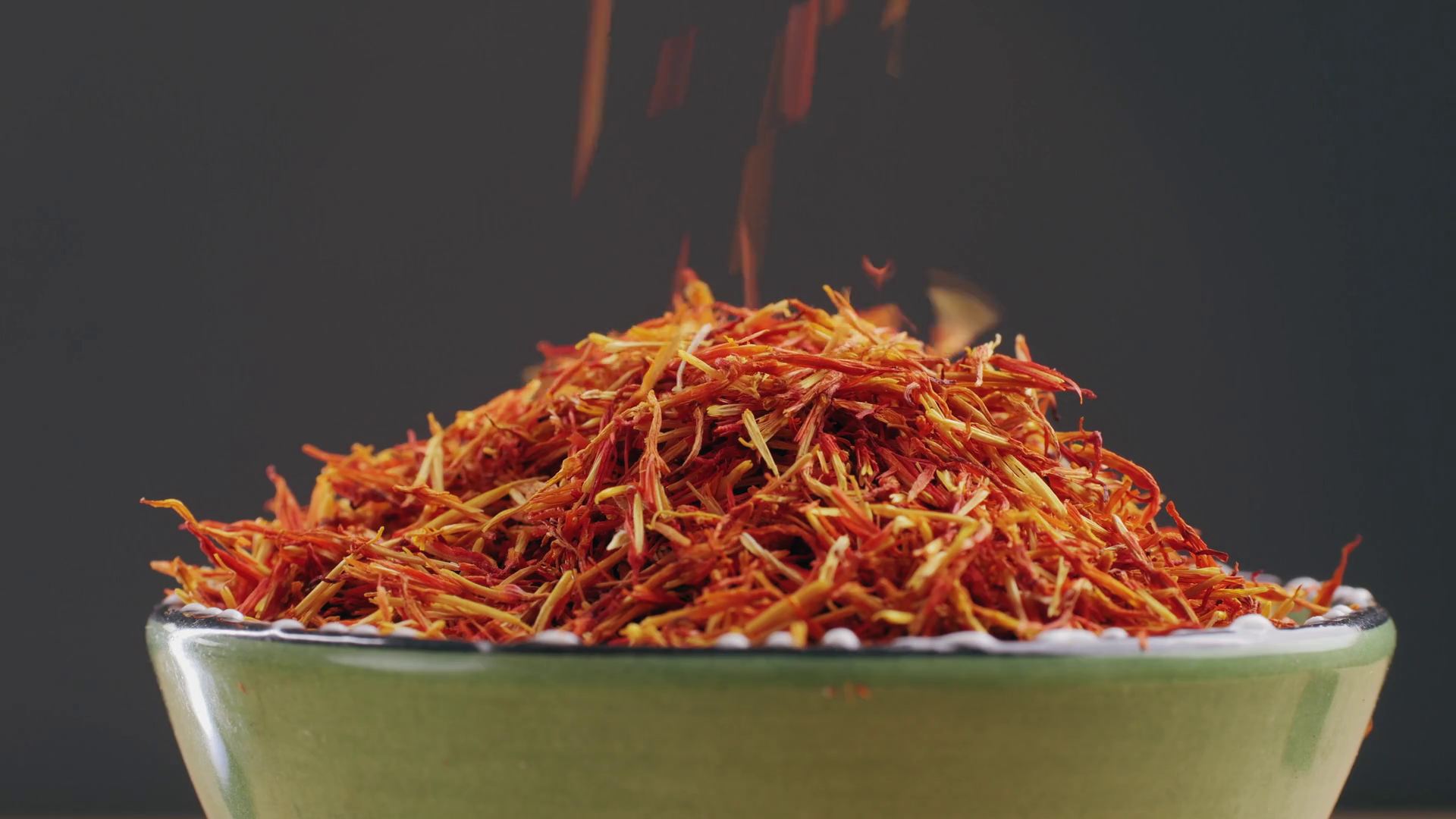
- Saffron thrives in limited climates and must be harvested by hand.
- Cloves once grew only in a small cluster of islands.
- Vanilla originated in Mesoamerica and required specialized pollination.
- Cardamom demands tropical forests and careful curing.
When an ingredient can only come from far away, it becomes rare by default. Distance alone turned spices into luxuries.
2.2 Labor-Intensive Harvesting
Some spices are astonishingly difficult to produce:
- Tens of thousands of saffron flowers yield just one kilogram of threads.
- Nutmeg requires years before trees bear fruit.
- Cinnamon involves stripping, fermenting, drying, and rolling bark.
High labor costs meant high value. In many societies, everyday use would have been impractical or irresponsible. Saving these spices for special moments was not indulgence—it was economic logic.
2.3 Risk and Loss
Spices were vulnerable to:
- Spoilage during long journeys
- Theft and piracy
- Weather disasters
- Political conflict
Every spoonful represented risk already taken and survived. Using such ingredients casually would have felt wasteful, even disrespectful.
3. Sensory Power: Why Strong Flavors Signal Importance
3.1 Intensity as a Marker of Occasion
Special occasions demand sensory distinction. Strong aromas and vivid colors instantly separate a feast from a routine meal.
Spices excel at this:
- Saffron turns food golden.
- Cloves and cinnamon perfume entire rooms.
- Star anise and cardamom linger long after the meal ends.
Because spices can dominate the senses, they are perfectly suited to marking moments as different.
3.2 Memory and Emotional Anchoring
The human brain strongly links smell with memory. When a spice is used only once or twice a year, it becomes emotionally powerful.
A single aroma can evoke:
- Childhood holidays
- Family gatherings
- Religious rituals
- Major life transitions
By limiting when a spice appears, cultures ensure that its scent remains special, never diluted by overexposure.
4. Social Signaling and Status
4.1 Spices as Visible Wealth
Historically, serving rare spices communicated status without words. A host who flavored dishes with expensive spices demonstrated:
- Access to trade networks
- Financial security
- Cultural knowledge
This silent communication mattered deeply in hierarchical societies.
4.2 Hospitality and Honor
In many cultures, special spices were reserved for guests, not family members. This practice reinforced social bonds:
- The guest receives the best.
- The host shows generosity.
- The meal becomes an event, not a necessity.
Using premium spices only for honored occasions elevated hospitality into a moral and social act.
5. Religious and Ritual Significance
5.1 Sacred Aromas
Across religions, spices are tied to the sacred:
- Frankincense and myrrh in spiritual rituals
- Cinnamon and cassia in ancient anointing oils
- Saffron in temple offerings
Aromatic substances were believed to bridge the human and divine, carrying prayers through scent.
5.2 Purity and Preparation
Many religious traditions restrict certain spices to rituals because they symbolize:
- Purity
- Renewal
- Sacrifice
- Divine favor
Using these spices casually would diminish their spiritual potency.
5.3 Calendars of Flavor
Religious calendars often dictate when certain foods—and therefore spices—may appear. Annual festivals become the only moment to taste specific combinations, reinforcing both faith and anticipation.
6. Preservation, Storage, and Time
6.1 Fragility of Aromatics
Spices lose potency over time. In pre-modern storage conditions, this was a serious concern.
Using spices sparingly ensured that:
- Aromas remained strong
- Supplies lasted longer
- Special occasions truly tasted special
6.2 Seasonal Logic
Many special occasions align with harvest cycles or climatic transitions. Spices helped:
- Preserve food
- Warm the body in cold seasons
- Balance heavy celebratory meals
Their use was strategic as well as symbolic.
7. Cultural Inheritance and Culinary Rules
7.1 Tradition as a Regulator
Once a spice becomes associated with an occasion, tradition enforces the rule.
People often cannot explain why a spice is reserved—only that it is. Culinary rules are passed down intact, long after their original economic or logistical reasons disappear.
7.2 Fear of Dilution
There is often resistance to everyday use of ceremonial spices because of a fear that it will:
- Cheapen tradition
- Erode cultural identity
- Flatten emotional impact
Scarcity, even artificial scarcity, protects meaning.
8. Colonial History and Power Dynamics
8.1 Spices and Global Control
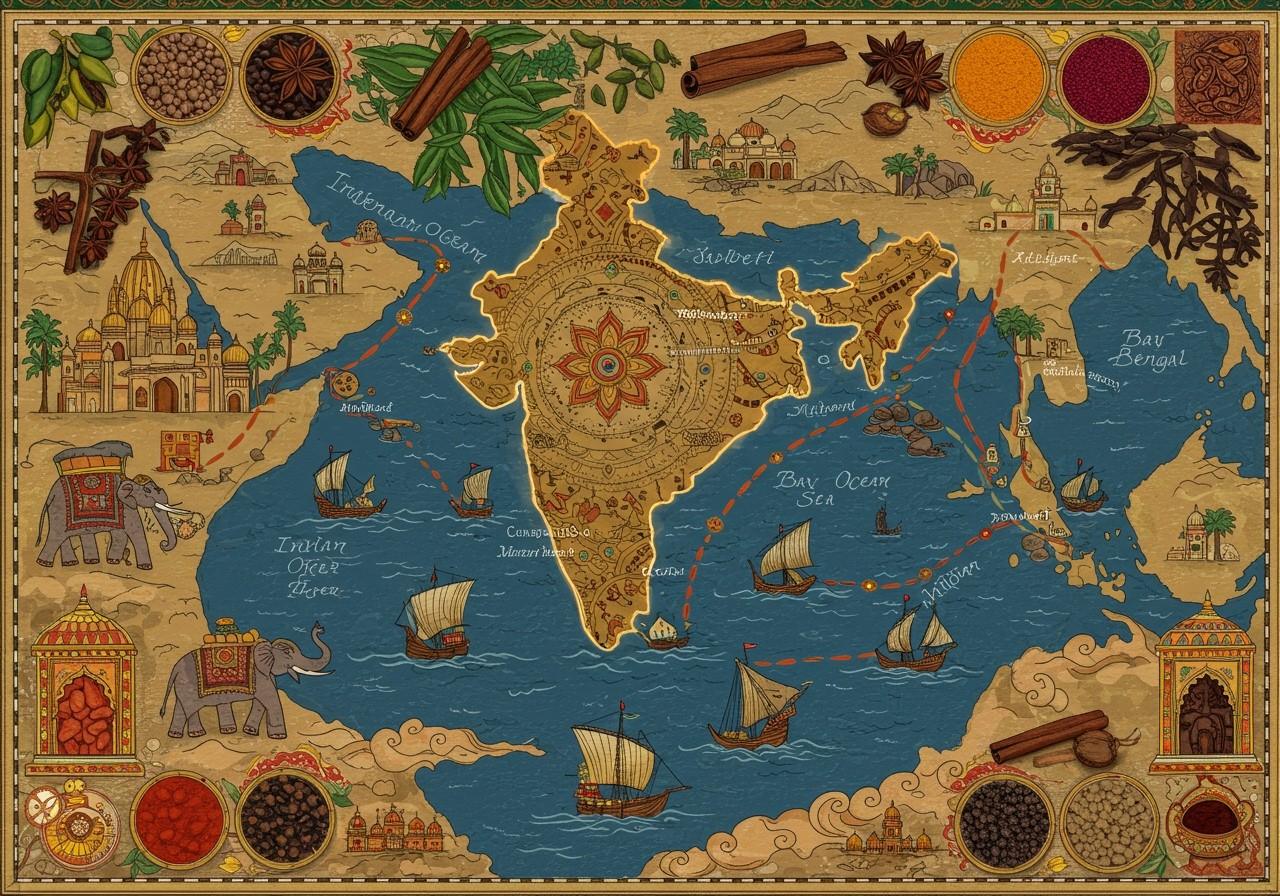
The global spice trade reshaped the world. Empires rose and fell over pepper, nutmeg, and cloves.
Colonial powers restricted access, controlled supply, and inflated value. For colonized regions, spices often became:
- Export goods rather than everyday foods
- Symbols of loss and exploitation
Ironically, people living where spices grew often used them less frequently than those who controlled trade routes.
8.2 Post-Colonial Reclamation
In modern times, some cultures deliberately reserve spices for special occasions as an act of preservation—protecting culinary identity from mass consumption and commercialization.
9. Psychology of Anticipation
9.1 Waiting Makes Flavor Better
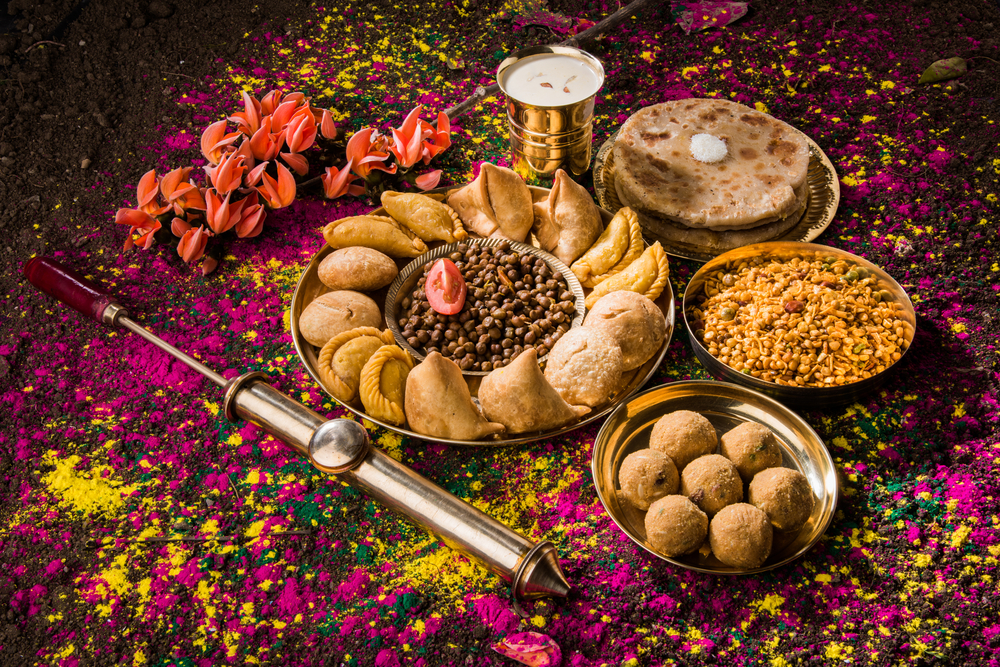
Anticipation intensifies pleasure. When people wait months for a particular dish or spice combination, the eventual experience feels richer.
This psychological effect explains why:
- Holiday foods taste better than they objectively are
- Rare spices feel more luxurious
- Ritual meals remain emotionally charged
9.2 Contrast Creates Meaning
Without contrast, nothing feels special. Everyday spices create a baseline. Reserved spices break the pattern, creating emotional spikes in the culinary calendar.
10. Case Studies of Celebratory Spices
10.1 Saffron: Gold in Threads
Used in weddings, festivals, and ceremonial dishes across regions, saffron represents:
- Wealth
- Fertility
- Joy
Its color alone makes it unsuitable for subtle, everyday meals. Saffron demands attention—and respect.
10.2 Nutmeg and Cinnamon: Warmth and Celebration
Often tied to winter holidays, these spices evoke:
- Comfort
- Abundance
- Protection from cold
Their sweetness and warmth align naturally with celebratory desserts and drinks.
10.3 Cardamom: Hospitality and Refinement
Cardamom often appears in special teas, desserts, and breads served to guests. Its complex aroma suggests care, patience, and refinement.
11. Modern Abundance and Changing Meanings
11.1 Accessibility Without Meaning?
Today, most spices are widely available and affordable. Yet many remain reserved for special occasions.
Why?
Because meaning does not disappear when scarcity does. Cultural memory lingers.
11.2 Conscious Limitation
Some modern cooks deliberately limit spice use to:
- Preserve tradition
- Create emotional anchors
- Resist culinary monotony
Scarcity has become psychological rather than economic.
12. Spices as Timekeepers
Spices quietly structure time.
They tell us:
- When the year is ending
- When celebration begins
- When mourning is appropriate
- When joy is permitted
By reserving certain spices, cultures turn flavor into a calendar.
13. The Emotional Weight of Aroma
A spice used daily becomes invisible. A spice used sparingly becomes emotional.
This is why opening a jar of a rarely used spice can feel ceremonial in itself. The aroma carries years, faces, voices, and moments.
The spice is not just seasoning food—it seasons memory.
14. Professional Kitchens and Ritual Restraint
Even in haute cuisine, restraint remains powerful.
Top chefs often reserve specific spices for signature dishes or seasonal menus, understanding that:
- Overuse dulls impact
- Rarity builds identity
- Expectation enhances experience
Professional practice mirrors ancient tradition.
15. When Everyday Becomes Special Again
Interestingly, some cultures intentionally break tradition by using ceremonial spices daily—as an act of joy, abundance, or resistance to hardship.
This reminds us that rules around spices are not fixed. They evolve with values.
Yet even then, the spice retains its weight. Its history cannot be erased.
16. Conclusion: Why Spices Wait
Certain spices are reserved for special occasions because they carry more than flavor.
They carry:
- Labor and distance
- Memory and meaning
- Status and generosity
- Faith and identity
By waiting in the cupboard, they accumulate power. By appearing rarely, they remain unforgettable.
In a world of constant availability, the decision to wait—to reserve, to honor, to anticipate—is itself a form of respect. And so, when the jar is finally opened and the aroma released, the moment becomes larger than the meal.
It becomes a celebration.