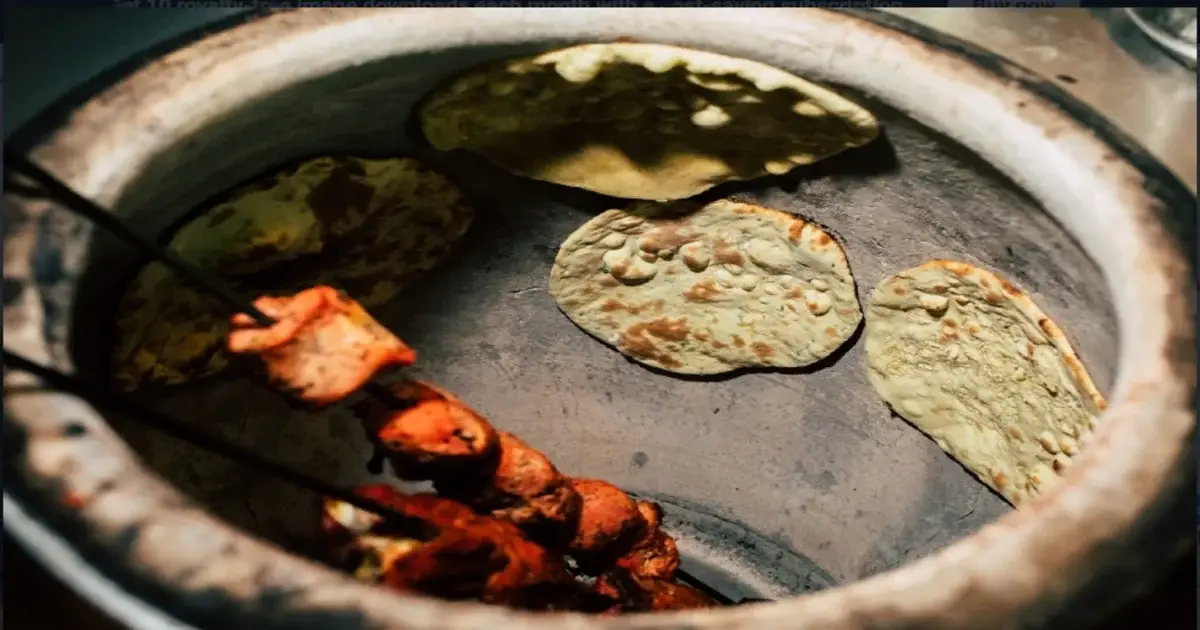




In the evolving world of culinary arts, the marriage of tradition and innovation has given birth to a new generation of modern gourmet dishes. These contemporary masterpieces are not just the result of creative experimentation but are deeply rooted in centuries-old techniques, ingredients, and cultural practices. The interplay between tradition and modernity offers a fascinating glimpse into how chefs around the world preserve culinary heritage while pushing the boundaries of flavor, texture, and presentation.
This article explores the ways in which tradition continues to shape modern gourmet dishes. We will examine the influence of regional cooking methods, time-honored ingredients, and cultural significance on contemporary gastronomy. From the resurgence of ancient grains to the subtle twists on classic French techniques, tradition is not simply preserved—it is reinterpreted, reimagined, and rejuvenated to create food that is both nostalgic and avant-garde.
The Essence of Tradition in Gourmet Cuisine
Tradition in cuisine refers to the techniques, ingredients, and culinary philosophies passed down through generations, often tied to a specific region or culture. While many of these methods originated centuries ago, they continue to inform modern gourmet cuisine in profound ways. The essence of traditional cooking lies in its respect for local ingredients, seasonality, and the mastery of cooking techniques that have been refined over time. Modern chefs, while incorporating contemporary tools and trends, are often heavily inspired by these age-old foundations.
In the context of gourmet cooking, tradition serves as a starting point for exploration. It provides a historical framework that modern chefs can both honor and reinterpret. For instance, classic French techniques like sous-vide, which was perfected in the 1970s, have become synonymous with fine dining, yet its origins are grounded in traditional French cuisine. Similarly, Italian regional pasta-making methods still influence contemporary pasta dishes, but these are often given new life through innovative ingredients, shapes, or cooking methods.
Time-Honored Ingredients in Modern Cuisine
One of the most notable ways in which tradition shapes modern dishes is through the use of traditional ingredients. Regional staples, which may have been overlooked in mainstream cooking for decades, are now making a strong comeback on gourmet menus.
Ancient grains such as quinoa, farro, and freekeh have seen a resurgence in recent years. Once considered simple peasant foods, these grains are now found in some of the world’s finest restaurants, thanks to their robust flavors and nutritional value. Similarly, heirloom vegetables—varieties that have been cultivated for centuries—are being reintroduced by chefs eager to preserve the diversity of flavors that they offer. Ingredients like heirloom tomatoes, black garlic, and wild mushrooms are not just fashionable—they bring with them a depth of flavor and a connection to the land.
Furthermore, traditional meats such as lamb, venison, and duck, which were once common in European kitchens, have found a renewed place on contemporary gourmet menus. The revival of foraged foods, including wild herbs and edible flowers, is another example of how chefs are looking to the past to create new and exciting dishes.
Regional Cooking Techniques
In the world of modern gourmet cuisine, traditional cooking methods often take center stage. Techniques such as smoking, pickling, fermenting, and braising, which have been passed down through generations, are now frequently used in avant-garde ways.

Smoking, for instance, was once a method of preservation, but today it is employed to impart unique flavors to a variety of dishes, from meats to vegetables. Chefs experiment with different types of wood and even employ modern equipment like smoke guns to recreate these flavors in unexpected contexts.
Pickling and fermentation are also having a moment. These preservation techniques, traditionally used to extend the shelf life of vegetables and fruits, are now seen as a way to add complexity to a dish. A simple bowl of pickled cucumbers can be transformed into a gourmet experience when paired with the right textures, flavors, and presentation.
Braising is another method that has been embraced by contemporary chefs. While it has long been associated with comfort food and rustic, home-style cooking, modern interpretations of braised dishes are elevated through the use of high-quality ingredients and innovative plating techniques.
The Art of Presentation
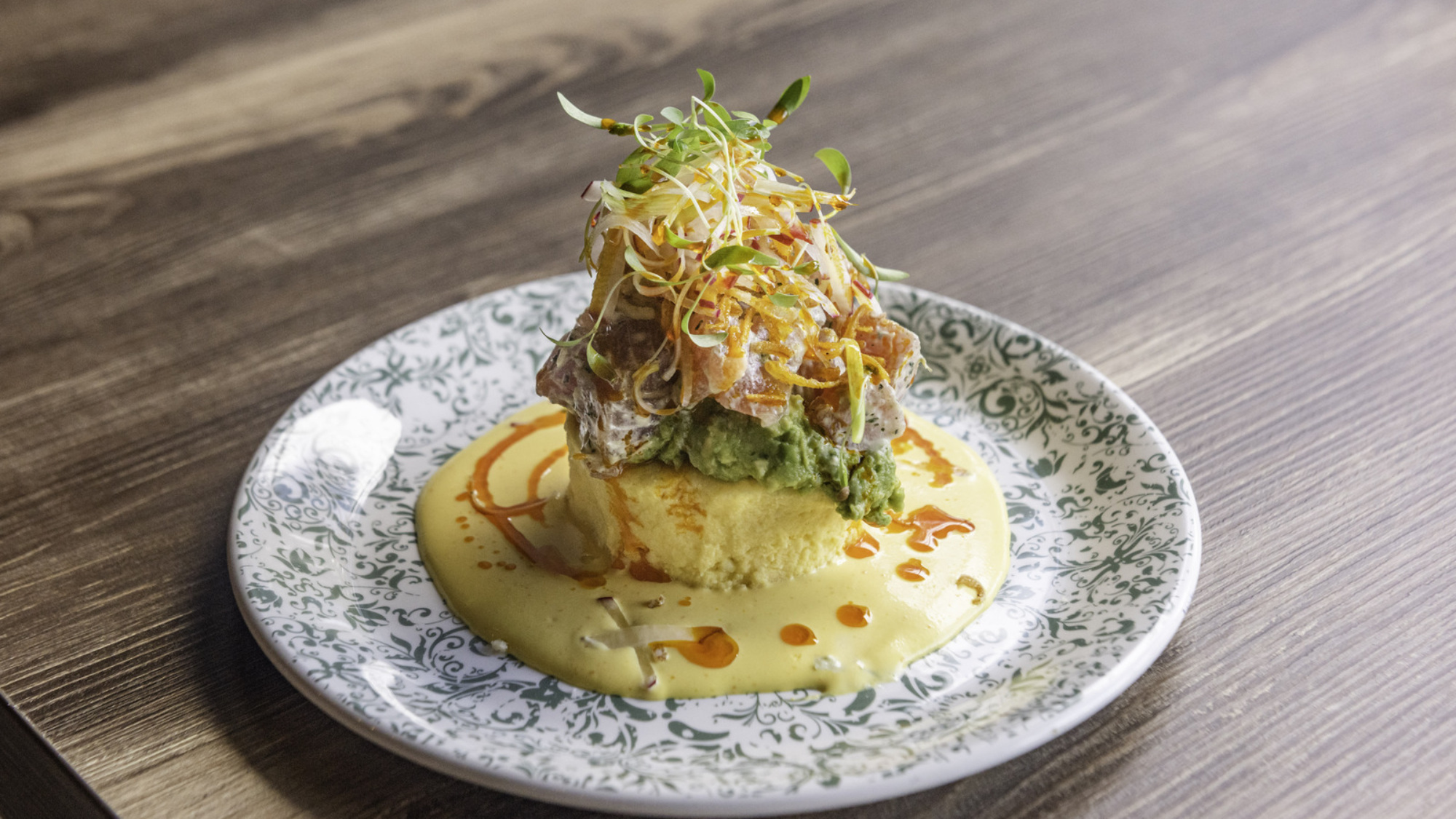
The way food is presented is as much a part of tradition as the ingredients and techniques used to prepare it. The influence of cultural artistry on the presentation of food has become a hallmark of modern gourmet dishes. The intricate plating techniques that we see today are often derived from centuries of culinary practices rooted in Asian, European, and Middle Eastern cultures.
For example, Japanese kaiseki, a traditional multi-course meal, places a heavy emphasis on the aesthetic arrangement of food. The balance of colors, textures, and the relationship between each dish is just as important as the flavors themselves. This philosophy has filtered into modern fine dining, where chefs spend hours perfecting the visual appeal of each plate. What once may have been seen as a decorative afterthought is now a vital aspect of the dining experience.
In French haute cuisine, the art of sauce-making—dating back to the 17th century—continues to influence how sauces are constructed in contemporary kitchens. Chefs now use these traditional sauces as a base to create new, refined versions that complement modern ingredients and techniques.
The Influence of Global Fusion
One of the most exciting ways tradition shapes modern gourmet cuisine is through the lens of fusion. In today’s world, chefs have the ability to draw inspiration from an incredibly diverse range of cultures, combining techniques and ingredients from different parts of the globe to create something entirely new.
Take the example of Mexican and French culinary traditions. The use of rich sauces and slow-cooked meats in French cuisine can be found in contemporary Mexican fine dining, where sous-vide techniques and delicate, precise plating are applied to traditional ingredients like mole and carnitas. In the same vein, Japanese flavors have become a staple in modern French kitchens, with chefs incorporating miso, wasabi, and seaweed into their otherwise classic French dishes. This intersection of cultures results in the creation of fusion dishes that maintain the soul of their traditional counterparts while offering a fresh, innovative take.
Chefs who embrace this cross-cultural approach are not simply looking for new flavor combinations; they are telling stories through their food. A dish may invoke the flavors of Italy’s Amalfi Coast, the spices of India, and the cooking techniques of Spain—all while respecting the culinary traditions from which they originated.
The Resurgence of Minimalism
Though many modern chefs embrace fusion and innovation, there has also been a movement towards minimalism, where the focus shifts back to the purity of ingredients. This approach is rooted in traditional culinary philosophies that prioritize simplicity and quality over complexity. Dishes in this vein often feature a single ingredient or a small selection of carefully chosen components, all expertly prepared to showcase their natural flavors.
This minimalist trend is seen in many high-end restaurants where dishes might highlight the inherent flavors of a single vegetable, fish, or piece of meat. Think of a perfectly seared piece of wild salmon, paired with a small amount of seasonal herbs and a simple citrus dressing. The elegance of such dishes lies in their restraint—by returning to the basics, chefs are able to celebrate ingredients in their truest, most unadulterated form.
Sustainability and the Revival of Ancient Practices
Today, sustainability is one of the driving forces behind many culinary trends, and traditional methods of farming and food production are being revisited to reduce environmental impact. Concepts like regenerative agriculture, foraging, and nose-to-tail eating are bringing chefs back to the land in a way that echoes older, more sustainable practices.
For example, the use of wild-caught fish and pasture-raised meats speaks to traditional practices that honor the animals and the environment. This return to sourcing food in a more mindful, sustainable way is not just a trend—it’s a direct response to the environmental challenges of the modern world.
Similarly, fermentation—an ancient preservation technique—is now being embraced for its health benefits and its ability to extend the shelf life of food without the use of artificial preservatives. Kombucha, kimchi, and other fermented foods are not only gaining popularity for their taste but for their role in supporting gut health, offering a modern take on an age-old practice.
Conclusion: Tradition as a Foundation for Innovation
The influence of tradition in modern gourmet dishes cannot be overstated. It provides the foundation upon which chefs can build their creative visions, blending the wisdom of the past with the possibilities of the future. As chefs continue to experiment with new technologies, flavors, and presentation styles, the threads of tradition remain woven into the fabric of fine dining.
The world of gourmet cuisine is not just about pushing boundaries—it’s about understanding and respecting the past. Whether through the use of ancient grains, the revival of forgotten techniques, or the reimagining of classic dishes, tradition remains the heart of modern gourmet cooking. It serves as a reminder that the best dishes are not just created—they are evolved, refined, and passed down through time.