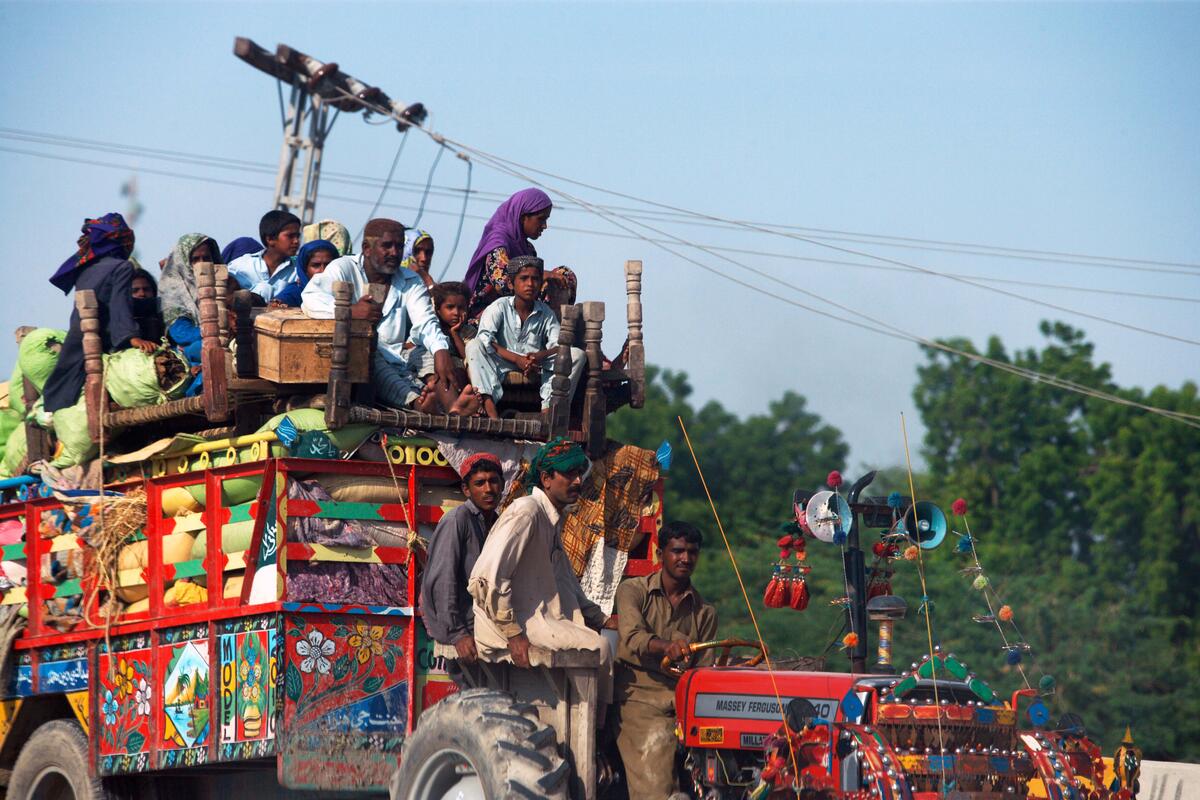




Migration is an age-old phenomenon that shapes not only the demographic and cultural landscapes of nations but also leaves an indelible mark on culinary traditions. As people move, they carry with them not only their possessions, but also their foodways—the customs, recipes, and eating habits that define their culture. Food, in this context, becomes both a memory and a bridge to the past, a symbol of survival and adaptation in new lands, and a dynamic tool for storytelling that transcends borders. But how, exactly, can food tell the story of migration?
In this exploration, we delve into the powerful relationship between food and migration, examining how the movement of people across the globe has led to the fusion of culinary traditions, the persistence of cultural identities, and the reshaping of local food systems. Through the lens of food, migration unfolds as an intricate narrative of human resilience, creativity, and connection.
1. Food as a Vessel of Memory and Identity
For many migrants, food is more than just sustenance—it is a profound link to their homeland. When someone leaves their native country, they may lose their familiar surroundings, but they retain the ability to recreate the taste of home. This can be seen in the diaspora communities around the world, where traditional recipes and ingredients are passed down from one generation to the next, preserving cultural identities and providing a sense of continuity in a foreign land.
The act of preparing and sharing traditional dishes serves as a form of cultural resistance. It allows migrants to assert their presence and heritage in a new environment, even when other aspects of their identity may be questioned or marginalized. For instance, immigrant families in the United States might continue to prepare dishes such as tamales, pho, or falafel—foods that anchor them to their roots while also offering a connection to others in their community who share similar culinary practices.
2. The Evolution of Culinary Traditions in New Contexts
Migration often leads to the transformation of food traditions. As migrants encounter new climates, landscapes, and ingredients, their cooking practices evolve. They adapt their recipes, substituting local ingredients for those they can no longer find, and incorporating new techniques learned from their new surroundings.
Consider the impact of migration on Italian cuisine in the United States. Italian immigrants, especially those who arrived in the late 19th and early 20th centuries, faced shortages of key ingredients like olive oil, cured meats, and fresh vegetables. To overcome these challenges, they began incorporating locally available foods such as tomatoes and cheese, giving rise to the beloved American pizza and pasta dishes we know today.
Similarly, when Indian immigrants brought their culinary traditions to the UK, they adapted their flavors to suit the British palate, resulting in the birth of the now-iconic “Chicken Tikka Masala.” This dish is a prime example of how migration leads to the fusion of cultures—blending Indian spices with a sauce that caters to British tastes. The dish became so popular that it was eventually touted as one of Britain’s national dishes, illustrating how migration and food can shape not only individual identities but national ones as well.

3. Food as a Form of Resistance and Empowerment
Migration can be a painful and disorienting experience. Many migrants face hardships, from legal barriers to social exclusion. In such contexts, food can serve as a form of resistance. The act of maintaining traditional food practices becomes a way to hold onto cultural heritage and assert pride in one’s origins. It’s an assertion of agency, a way to claim a space for oneself in a new, often hostile, environment.
For example, African slaves brought to the Americas carried with them a rich culinary heritage that eventually influenced the development of Southern cuisine in the United States. Dishes like gumbo, jambalaya, and collard greens are not only culinary staples but also powerful symbols of cultural survival and adaptation. These foods were often created from ingredients that were available under duress, using methods of preparation that reflected both resourcefulness and a deep connection to African traditions.
Likewise, in the case of refugees fleeing conflict zones, food plays an essential role in maintaining dignity and a sense of home. A Syrian refugee might make a simple dish of kibbeh or hummus, not just for nourishment, but as an act of remembering and resisting the erasure of their culture. In this way, food is not only a tool for survival but also a form of cultural preservation in the face of displacement.
4. The Role of Globalization in Food Migration
As migration patterns have become increasingly global, so too has the movement of food. What began as a personal, familial exchange of recipes has blossomed into a global phenomenon, with cuisines from every corner of the earth now available in cities around the world. Globalization has made it easier for migrants to access ingredients from their homeland, but it has also created a fusion of culinary influences that transcend geographical boundaries.
The explosion of food markets, restaurants, and food trucks offering cuisines from diverse cultures is a testament to this global food exchange. Sushi in Los Angeles, tacos in Tokyo, curry in London—these examples reflect not just migration, but the permeable boundaries of culinary traditions in the modern world. However, this is a two-way street. Local foods, too, travel far beyond their country of origin. American fast food chains, for example, have made their mark across the globe, creating a dynamic interaction between global and local food systems.
In this globalized world, migration accelerates the process of culinary cross-pollination. The exchange of recipes, cooking techniques, and ingredients shapes not only individual diets but also cultural norms and social relations. This complex web of culinary interactions tells the story of migration in a world that is becoming ever more interconnected.
5. Food as a Bridge Between Cultures

One of the most powerful aspects of food in the context of migration is its ability to build bridges between different cultures. While food can be a source of comfort for migrants who wish to maintain their identity, it can also serve as a medium through which they share their culture with others. A dish from another country becomes an introduction, an invitation to learn, to understand, and to appreciate something new.
In cities with significant immigrant populations, food markets and festivals become vibrant cultural hubs where people can experience different cultures firsthand. The annual Lunar New Year celebrations in Chinatowns around the world, or the food stalls at a Middle Eastern festival, are prime examples of how food facilitates cultural exchange. Through food, migrants invite others into their world, sharing not just a meal, but a piece of their history, values, and identity.
Food also offers the opportunity for non-migrants to explore and understand other cultures in a visceral, tangible way. The rise of food tourism—where travelers seek out authentic local dishes and street food—is a direct response to this curiosity. By tasting the flavors of another country, people engage with migration stories, even if they don’t realize it.
6. The Future of Migration and Food
As we look toward the future, food will continue to play a central role in the narrative of migration. With the ongoing rise in global migration, the movement of people and food will inevitably intensify. New waves of migrants will bring fresh influences to the global food scene, and current culinary traditions will continue to evolve as they intersect with new cultural influences.
Simultaneously, the globalization of food systems presents challenges. Local food systems are being threatened by the forces of global trade, industrial agriculture, and climate change. As migrants adapt to new environments, they may also need to grapple with the availability of familiar foods, leading to the creation of new food networks, including ethnic grocery stores, pop-up markets, and online platforms that connect diaspora communities with the ingredients they need to maintain their culinary heritage.
In the future, food will remain one of the most accessible and relatable ways for people to connect with one another across cultural and national divides. It will continue to be a powerful tool for migrants to tell their stories, share their experiences, and shape the world’s evolving culinary landscape.
7. Conclusion: Food as the Heartbeat of Migration
Food, as a fundamental aspect of human life, has always been a critical part of migration. It reflects the journeys people undertake, the challenges they face, and the ways in which they adapt to new environments. It serves as a tangible link between the past and the present, a symbol of survival, and a way for people to stay connected to their roots.
From the creation of new dishes that blend ingredients and cooking techniques from different cultures, to the persistence of traditional recipes passed down through generations, food tells the story of migration in ways that words alone cannot. It is a living, evolving narrative—a reminder that no matter where people come from, the act of sharing a meal is a universal experience that binds us all together.
Food is not just about sustenance. It is about culture, memory, and identity. It is a tool for resistance, a bridge between cultures, and a source of empowerment for those who seek to preserve their heritage while navigating the complexities of life in a new land. Ultimately, food has the power to tell the story of migration—not just as a historical event, but as a continuing and ever-changing narrative that shapes the world we live in today.