



The world of beer is vast, rich with history, culture, and an ever-growing diversity of flavors. One of the most common questions that beer enthusiasts, novices, and even casual drinkers often ask is: Can you really taste the difference between locally brewed and mass-produced beer? While some might argue that it’s all about preference, others may swear by the unique qualities of craft beers that small local breweries produce. So, let’s dive deep into this intriguing question, analyzing the factors that shape the taste of beer and explore the fundamental differences between locally brewed and mass-produced varieties.
Understanding the Basics: What’s in Your Beer?
Before getting into the specifics of local versus mass-produced beers, let’s first break down what makes up a beer. Beer is primarily made of four key ingredients: water, barley (or another grain), hops, and yeast. Each of these components contributes to the beer’s overall taste, mouthfeel, and aroma.
- Water is the base and its mineral content plays a crucial role in shaping the beer’s profile.
- Barley is responsible for the malt flavor, which ranges from sweet to toasty or nutty depending on how it’s treated.
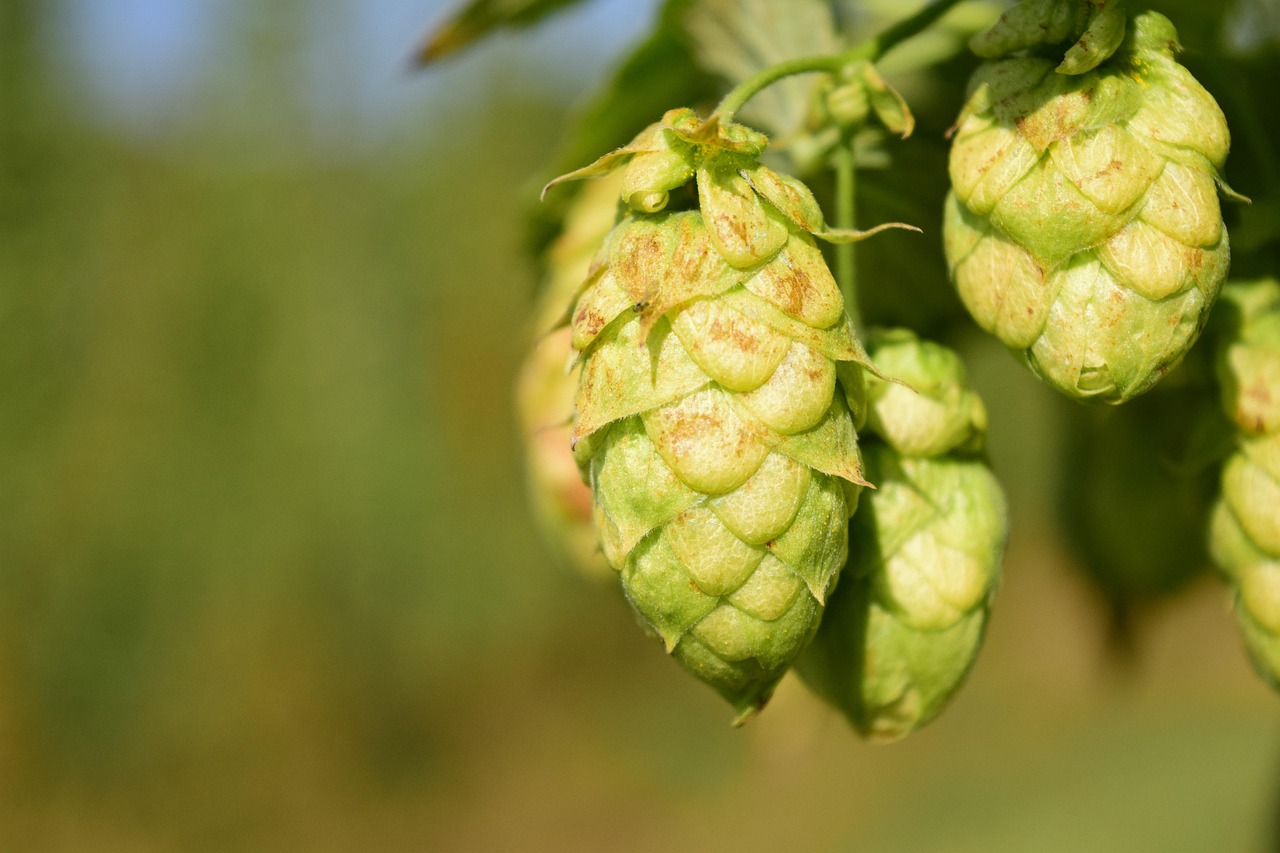
- Hops impart bitterness to balance out the sweetness from the malt and also contribute floral, piney, or citrusy notes.
- Yeast is the microorganism responsible for fermentation, creating alcohol and producing flavors ranging from fruity to spicy, depending on the strain.
The magic lies in how each of these ingredients is handled. The process of brewing, fermentation, and the final touch of packaging can all influence the final taste.
What Is Locally Brewed Beer?
Locally brewed beer is produced by smaller, independent breweries often in small batches. These breweries emphasize quality over quantity, using traditional methods and sometimes locally sourced ingredients. The brewing process can vary significantly from one brewery to another, as they often experiment with different hops, yeasts, and other ingredients to create unique flavors. Local brewers tend to prioritize freshness, and the lack of mass distribution means their beer is generally consumed soon after production, contributing to a more vibrant and direct taste experience.
The charm of locally brewed beer also lies in the craftsmanship of the brewers. These smaller operations often produce a wider variety of beer styles, from hop-heavy IPAs to rich stouts and experimental brews with quirky flavor profiles.
Mass-Produced Beer: A Different Animal
On the other hand, mass-produced beer is typically created by large-scale breweries that prioritize consistency, efficiency, and cost-effectiveness. These beers are designed to be widely accessible and appeal to the tastes of a broad audience. The main goal of mass-produced beer is to produce a product that is affordable, has a long shelf life, and tastes the same no matter where or when it’s consumed.
The brewing process in large breweries is highly automated, with little room for the kind of artisanal experimentation that characterizes local brewing. Ingredients are often sourced from large suppliers, and in many cases, the beer is made to be light, crisp, and easy-drinking, with a clean, neutral profile that doesn’t have too many bold flavors.
The Key Differences in Taste: Locally Brewed vs Mass-Produced

1. Freshness and Flavor Complexity
One of the most noticeable differences between locally brewed and mass-produced beer is freshness. Locally brewed beer is often consumed quickly, meaning it’s typically fresher than mass-produced beer that may have spent weeks or even months in warehouses, distribution centers, and store shelves before reaching the consumer.
The freshness of local beer contributes to a more vibrant flavor profile. You’re likely to notice bolder hop flavors, a more distinct malt sweetness, and sometimes a more robust yeast character. In contrast, mass-produced beer can often taste more “neutral,” as the ingredients are often standardized to achieve a flavor that will appeal to the broadest audience.
Locally brewed beers also tend to have more complex flavor profiles. With craft breweries experimenting with new hops, exotic ingredients, and unique brewing techniques, their beers often have layers of flavor—citrus, caramel, spices, or even tropical fruits. These nuances may be subtle but can really set a local brew apart from a mass-market counterpart, which often focuses on being clean, light, and inoffensive.
2. Mouthfeel and Body
The body of a beer refers to its weight, thickness, and how it feels in your mouth. Mass-produced beers are typically lighter in body, with a smooth, crisp finish that appeals to those who want a refreshing beverage that doesn’t linger too long on the palate.
Locally brewed beers, however, often feature a wider range of mouthfeel experiences. Depending on the style and ingredients, these beers can be full-bodied, creamy, or even dense. Stouts, porters, and certain IPAs, for example, may have a thicker mouthfeel with more substantial carbonation. On the other hand, lighter local beers like pilsners or wheat beers might offer a delicate body, yet still feel more “alive” compared to the often thin and watery texture of mass-produced options.
3. Hop Flavor and Bitterness
Hops play a critical role in the flavor and aroma of beer. Mass-produced beers typically use a small amount of hops, just enough to provide a faint bitterness and some very mild hop notes. This restrained hop usage ensures that the beer is palatable to a wide range of people, but it also means that the beer lacks the complexity and depth of flavor that come with more aggressive hop profiles.
Local breweries, on the other hand, often embrace bold hop flavors. American IPAs, in particular, are known for their intense hop bitterness and punchy citrus or pine notes. Some local brewers even use a combination of hops from different regions or craft new hop varieties to achieve unique aromas and flavors.
The bitterness in locally brewed beers is also more varied. While mass-produced beers have a standard level of bitterness, local brews may offer a hop-forward beer that ranges from mildly bitter to aggressively hoppy, with a variety of flavors such as grapefruit, pine, or floral characteristics.

4. Consistency vs. Innovation
Mass-produced beers are all about consistency. Whether you’re drinking a Budweiser in New York, Tokyo, or London, it’s going to taste the same. This level of consistency is achieved through highly controlled brewing processes, automation, and a limited variety of ingredients.
In contrast, local breweries thrive on innovation. Brewers often experiment with new ingredients, brewing techniques, and styles. While they do maintain certain signature recipes, there’s a lot more room for variation in local brewing. You might encounter seasonal releases, limited-edition brews, or one-time experiments that aren’t available elsewhere.
For beer drinkers who enjoy a new experience with each sip, locally brewed beer offers something fresh and different every time.
5. Ingredients and Sourcing
Mass-produced beers tend to use cheaper ingredients, sourced from large-scale suppliers to keep costs low. These ingredients may include adjuncts like rice or corn, which are added to lighten the body and reduce costs. While this results in a lighter beer with a simpler taste, it can also lead to a somewhat watered-down or flat experience.
Local breweries, however, often pride themselves on using high-quality, often locally sourced ingredients. You might find that the barley is grown within a few miles of the brewery, or that they incorporate unusual fruits, spices, or even herbs in the brewing process. This approach elevates the flavor, adding complexity and character to the beer.
The Role of Personal Preference
At the end of the day, whether you prefer locally brewed or mass-produced beer is largely a matter of personal taste. Some beer drinkers love the smooth, clean flavor of mass-produced beer—it’s dependable and refreshing, perfect for hot summer days or casual drinking. Others may crave the depth and creativity of a locally brewed beer, enjoying the adventure of trying something new and unique with every visit to their local brewery.
Beer culture today is diverse, with many people switching between both types depending on the occasion. A backyard barbecue might call for a cold, light lager from a mass brewer, while a night out at a pub might lead you to try an experimental IPA from a local craft brewery.
Can You Tell the Difference?
Yes, you can. And it’s not just in taste, but in experience. Local beers often offer a richer and more complex array of flavors, textures, and aromas, while mass-produced beers provide consistency and reliability. The two are not better or worse than each other; they serve different needs and desires in the world of beer.
So next time you find yourself at the bar or perusing your local bottle shop, try both. Sample a few different local brews and a mass-produced option. Pay attention to how the beers make you feel and whether the taste lingers. Because while both types of beers share the same basic ingredients, the way they’re made and experienced is what truly sets them apart.