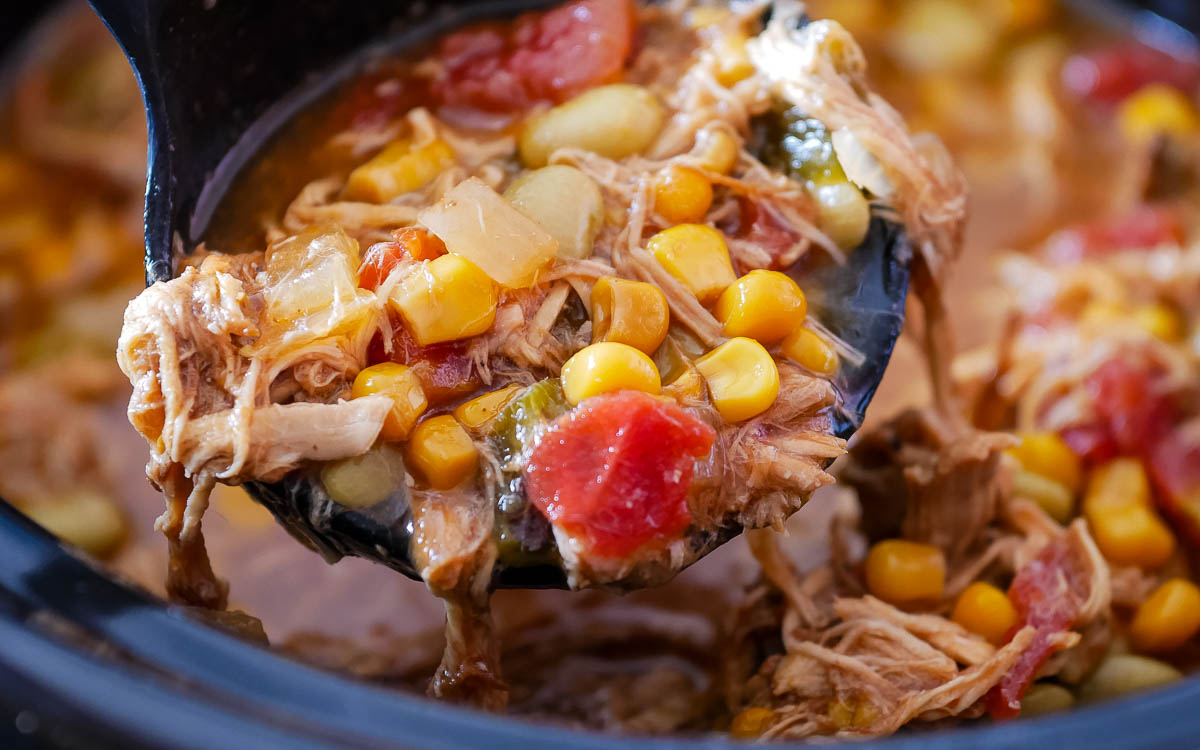




Comfort food—these words alone conjure up images of hearty meals, rich flavors, and the nostalgic warmth of home. They are the foods that soothe, satisfy, and transport us to a place of emotional and physical comfort, often tied to specific regions, cultures, and personal histories. But what makes these comfort foods so irresistibly comforting? It’s not just the flavors, but also the secret ingredients that give them that extra layer of depth, making them feel uniquely tied to a place or a family tradition.
In this exploration, we’ll dive into the secret ingredients of regional comfort foods from around the world. From the Southern U.S. to the Mediterranean, these dishes are more than just recipes—they’re stories, cultural legacies, and a symbol of home. Let’s uncover the hidden gems that make these regional specialties so comforting and unforgettable.
1. Southern Comfort: The Richness of Grits, Biscuits, and Fried Chicken
When you think of Southern comfort food, it’s hard not to picture crispy fried chicken, buttery biscuits, and creamy grits. These dishes are the epitome of Southern hospitality and have become icons of American comfort food. But what sets them apart?
The Secret Ingredient: Buttermilk.
Buttermilk plays a crucial role in many Southern dishes. When making fried chicken, it’s often used as a marinade, infusing the chicken with a tangy flavor and helping to tenderize the meat. The acidity of buttermilk also reacts with the flour and spices, resulting in a crispier, golden crust. In biscuits, buttermilk adds a light and airy texture, while its slightly sour flavor balances the richness of the butter.
Buttermilk is also used in the preparation of cornbread and grits, imparting a distinct richness and complexity. It’s a simple ingredient that elevates Southern dishes to the next level of comfort and satisfaction.
2. Italian Comfort: The Heart of Pasta and Risotto
Italian comfort food isn’t just about food—it’s about family, tradition, and the joy of sharing a meal. Whether it’s a steaming bowl of pasta or a creamy risotto, these dishes bring people together with their rich flavors and comforting textures.
The Secret Ingredient: Parmigiano-Reggiano (Parmesan Cheese).
While many Italian comfort foods rely on basic, simple ingredients, the secret to elevating these dishes lies in Parmigiano-Reggiano, the gold standard of cheeses. This cheese, with its nutty, umami flavor, is often grated over pasta, risotto, and soups, adding an unmistakable depth of flavor. The aging process of Parmigiano-Reggiano gives it a complex taste, perfect for enriching both savory and creamy dishes.
In a classic dish like Risotto alla Milanese, a generous amount of this cheese is stirred in at the end, creating a silky, velvety finish that enhances the dish’s richness. Similarly, a sprinkle of Parmesan brings depth to even the simplest of pasta dishes, transforming a plate of spaghetti into something extraordinary.

3. Japanese Comfort: Umami in Every Bite
In Japan, comfort food is often about balance—light yet satisfying meals that nourish the body and soul. Dishes like Ramen, Katsu Curry, and Okonomiyaki have become beloved staples, offering a perfect blend of flavors and textures.
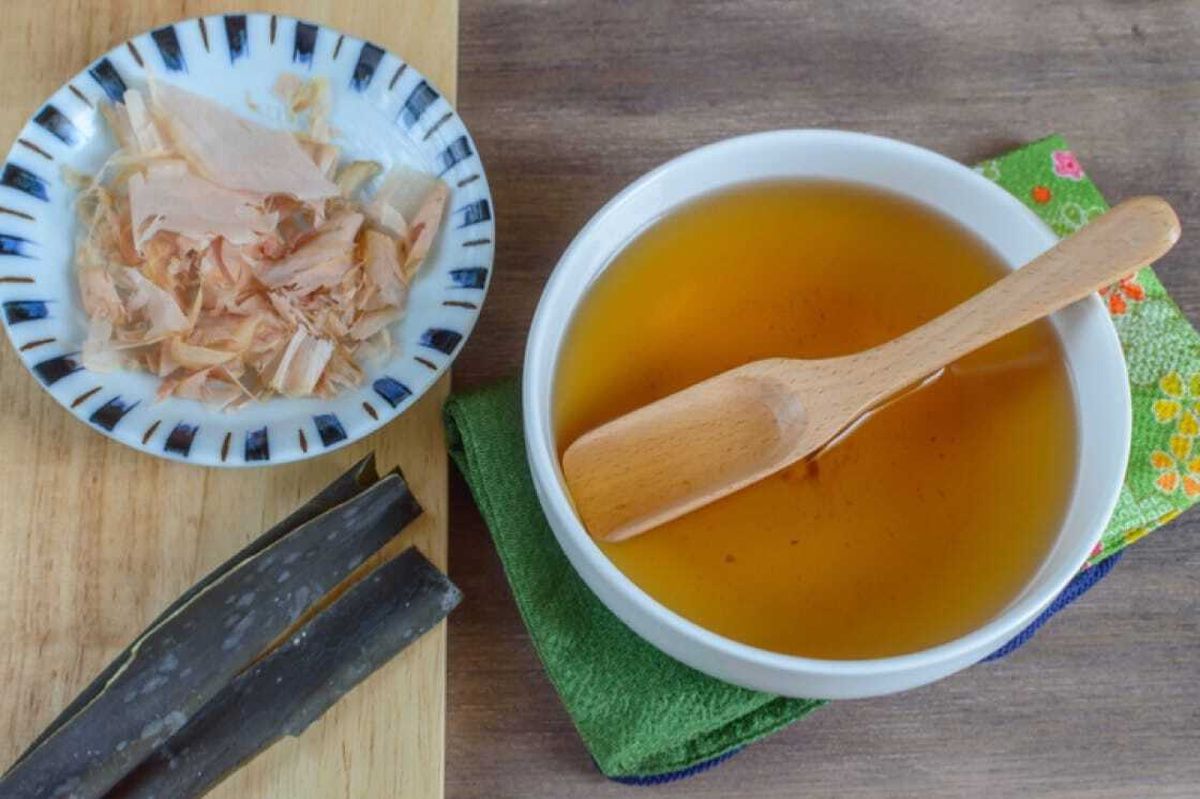
The Secret Ingredient: Dashi.
Dashi is the cornerstone of many Japanese comfort foods. This umami-rich stock is made from kombu (seaweed) and bonito flakes (dried fish), which together create a deep, savory base that enhances the flavors of everything from soups to stews to sauces.
In Ramen, dashi infuses the broth with a deep, complex flavor, often complemented by soy sauce or miso. In Katsu Curry, it serves as the foundation of the curry sauce, giving it a rich umami profile that complements the crispy breaded pork or chicken. Even in simple dishes like Miso Soup, dashi adds an irreplaceable layer of flavor that turns an otherwise humble meal into a comforting experience.
4. Mexican Comfort: A Fiesta of Flavors
Mexican comfort food is all about vibrant, bold flavors—spicy, savory, and sometimes sweet. From tacos and enchiladas to tamales and pozole, these dishes reflect the country’s rich cultural history and its diverse regional ingredients.
The Secret Ingredient: Chilies.
Chilies are the heart and soul of Mexican cuisine, and they take center stage in many comfort foods. Whether they’re used fresh, dried, roasted, or ground into a paste, chilies infuse dishes with a unique combination of heat, smokiness, and earthy flavor. The use of Ancho, Pasilla, and Guajillo chilies in sauces like mole and salsas transforms the simplest of dishes into a complex, multi-layered experience.
In Pozole, a traditional soup made with hominy and pork or chicken, dried chilies are simmered to create a deep, rich broth that brings comfort in every bite. In Enchiladas, the chili sauce is the key to binding together the layers of corn tortillas, meat, and cheese, creating a dish that’s both comforting and satisfying.
5. Indian Comfort: The Boldness of Spices
Indian cuisine is synonymous with complex spice blends that are both comforting and invigorating. Whether it’s the creamy richness of Butter Chicken, the fragrant warmth of Biryani, or the comforting simplicity of Dal, the secret ingredient in Indian comfort food is the careful balance of spices.
The Secret Ingredient: Garam Masala.
Garam Masala, a blend of ground spices such as cinnamon, cardamom, cloves, cumin, and coriander, is the quintessential ingredient in many Indian comfort foods. This fragrant spice mix adds depth, warmth, and complexity to dishes, making them incredibly satisfying.
In Butter Chicken, Garam Masala is used to season the sauce, adding a comforting richness that perfectly balances the creamy tomato base. Similarly, in Biryani, the spices infuse the rice with a rich aroma, while the meat absorbs all the flavors of the spices, creating a comforting yet flavorful meal.
6. Middle Eastern Comfort: The Magic of Slow-Cooked Meals
Middle Eastern comfort food is characterized by slow-cooked stews, rich rice dishes, and aromatic spices. From Kebabs and Hummus to Shawarma and Fattoush, the food is rich in flavors and traditions.
The Secret Ingredient: Sumac.
Sumac, a tangy, lemony spice, plays a vital role in Middle Eastern cooking. It adds a bright, zesty note to dishes, balancing the richness of slow-cooked meats and the creaminess of dips. In Fattoush, a traditional Lebanese salad, Sumac is sprinkled over the greens and crispy pita, bringing a burst of tartness that cuts through the other flavors.
In Shawarma, a blend of spices—including Sumac—coats the meat, creating a tangy and savory crust when it’s grilled or roasted. This spice not only adds flavor but also enhances the comfort of the dish, turning it into a warm, satisfying meal.
7. French Comfort: The Art of Simple Elegance
French cuisine is often thought of as luxurious, but when it comes to comfort food, the French excel at making simple dishes feel elegant. From Coq au Vin and Ratatouille to Croque Monsieur and Soupe à l’Oignon, these dishes highlight the beauty of rustic, slow-cooked meals.
The Secret Ingredient: Herbs de Provence.
Herbs de Provence is a fragrant blend of dried herbs—lavender, rosemary, thyme, and oregano—essential in French comfort food. This aromatic mix adds an earthy, herby flavor to stews and roasts, transforming even the simplest dishes into a sensory experience.
In Coq au Vin, the herbs infuse the wine and stock, imparting a depth of flavor that makes the chicken melt in your mouth. Similarly, in Ratatouille, the herbs complement the fresh vegetables, creating a dish that’s both wholesome and comforting.
Conclusion: Comfort Food Beyond the Recipe
Comfort food isn’t just about the ingredients—it’s about the emotions they evoke. The secret ingredients in these regional dishes may vary, but the essence remains the same: they are designed to nourish the body and the soul, creating a sense of belonging and warmth. Whether it’s the tangy buttermilk in Southern fried chicken or the umami-rich dashi in Japanese ramen, these hidden elements turn everyday meals into memorable experiences.
The magic of comfort food lies in its ability to connect us to our roots, our memories, and our communities. It’s a reminder that food, at its best, is more than just sustenance—it’s a way of feeling at home, no matter where you are.