


When it comes to creating art, the surface you choose can dramatically influence the final product. Among the many mediums available, canvas and wood stand out as two of the most common choices for painters. But is painting on wood easier than on canvas? To answer this, we need to examine the characteristics, advantages, and challenges of each surface. Whether you’re a seasoned artist or a beginner exploring your options, understanding the unique qualities of these materials will help you make an informed decision for your next project.
1. Understanding Canvas and Wood as Painting Surfaces
Canvas has been a staple of the art world for centuries, widely known for its versatility, texture, and adaptability. Traditionally made from linen or cotton, it is a flexible and porous surface. Canvas is typically stretched over a wooden frame (or “stretcher bars”), which gives it tension and structure.
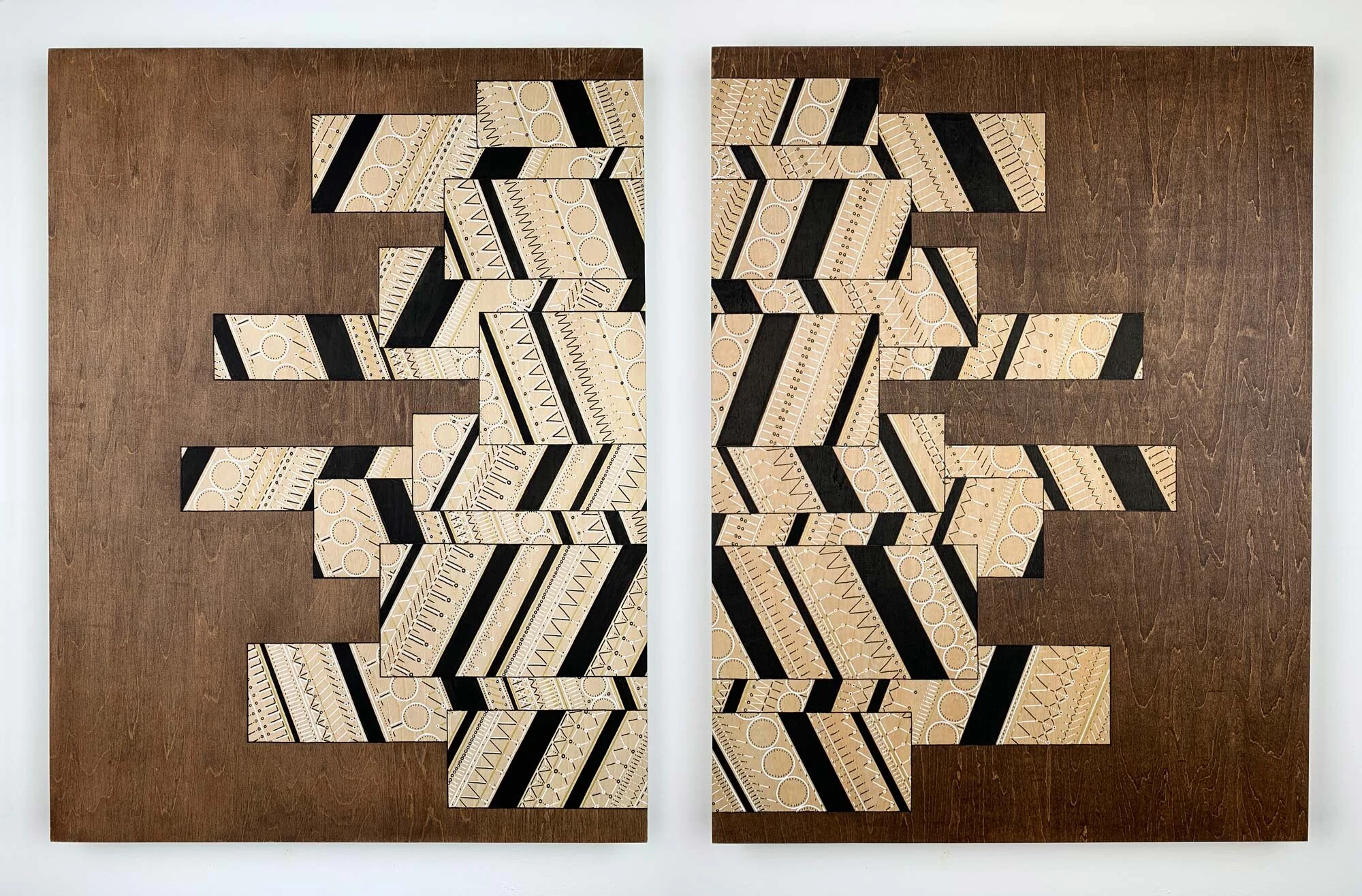
Wood, on the other hand, has a much more solid and rigid texture. The grain of the wood can be visible in the finished artwork, giving the painting a unique character. Wood panels are often used in fine art and have a long history, especially in the Renaissance period. Artists can use a variety of wood types, but birch, maple, and oak are the most common.
2. Texture: Smooth vs. Rough
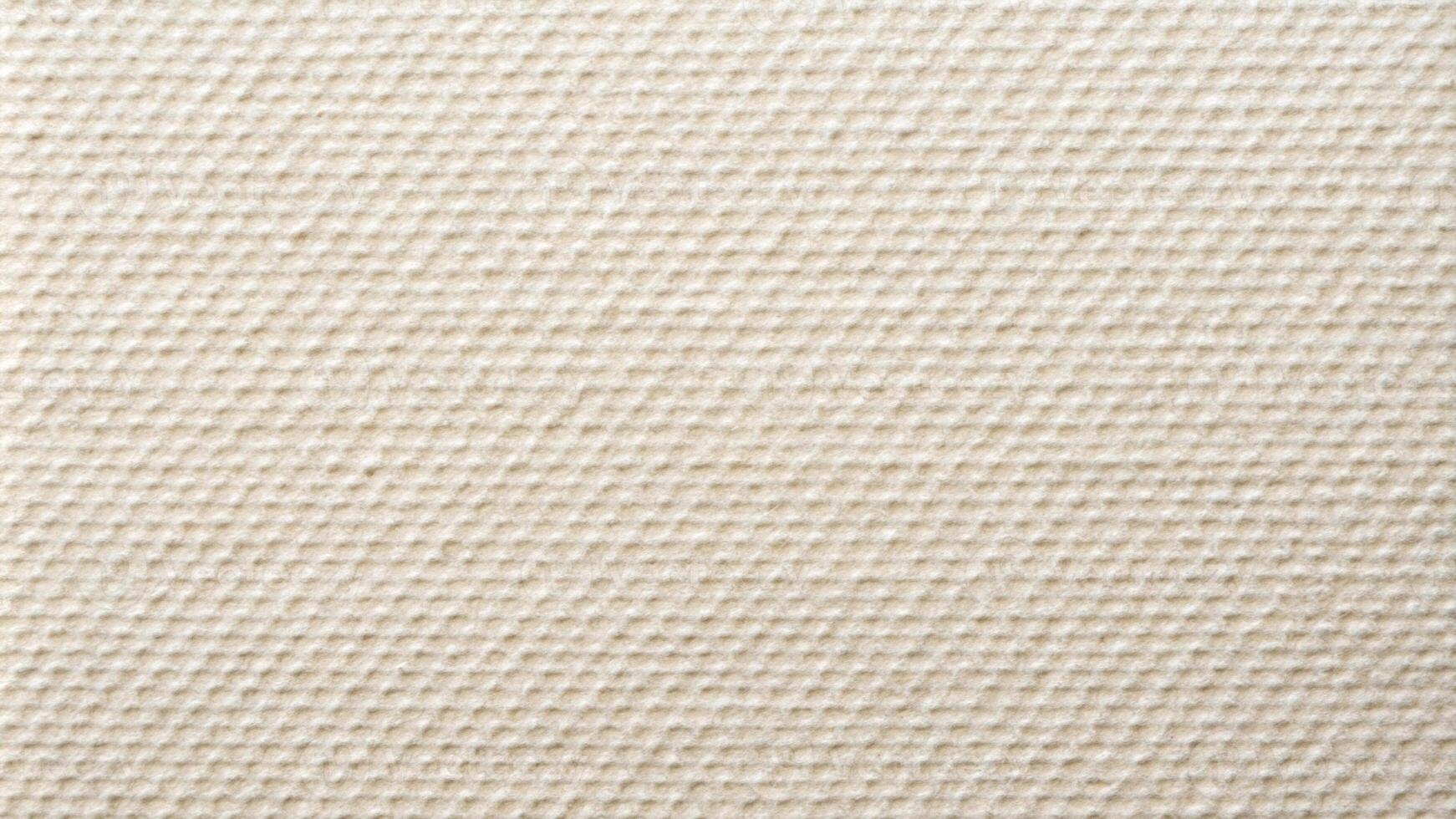
One of the first things you’ll notice when comparing canvas and wood is the texture. Canvas generally has a rough or pebbled texture, depending on how it’s stretched. This texture can give your painting a lot of tactile depth, which is a feature many artists appreciate. However, the texture can also be a challenge for artists who are looking to achieve fine details or smooth gradients.
Wood, by contrast, offers a much smoother surface, especially when sanded down. This smoothness makes it ideal for artists who want a flawless, uninterrupted base. There’s no inherent texture unless you intentionally create one through techniques like impasto or texture mediums. Additionally, the natural grain of the wood can subtly enhance the painting, especially with techniques like wood burning or staining.
3. Absorbency: How the Surface Absorbs Paint
Another important factor to consider is how the surface absorbs paint. Canvas is absorbent, especially when primed with gesso, which helps seal the fabric and prevent the paint from soaking in too much. However, even with gesso, canvas will still soak up some paint, which can affect the opacity and finish of your work. Some artists find this helpful for creating textured effects, while others prefer a less absorbent surface.
Wood, on the other hand, has a very different absorbency profile. Wood is much less porous than canvas, so it doesn’t soak in paint as readily. This means that the paint sits more on the surface, making it easier to achieve rich, smooth layers with a glossy finish. However, this can also be a double-edged sword—if the wood isn’t sealed properly, the paint may sit unevenly, leading to streaks or blotches.
4. Durability and Longevity
When it comes to durability, both surfaces have their own strengths and weaknesses. Canvas is relatively flexible, which means it can sometimes warp or stretch over time, especially if it’s exposed to environmental factors like humidity or heat. However, if well cared for, canvas can last for centuries. Artists often varnish their work for additional protection.
Wood is much sturdier and less prone to warping, making it a great option for those seeking long-lasting works of art. However, wood can still be vulnerable to cracking, especially if it is not sealed or treated properly. Over time, wood can expand and contract based on changes in temperature and humidity, which might cause issues for your painting. The benefit, though, is that wood can hold up to heavier applications of paint, making it less likely to sag or buckle under the pressure.
5. Ease of Use: Canvas or Wood?
When considering whether painting on wood is easier than on canvas, it’s important to consider the working experience. Canvas is flexible and forgiving. It gives artists the freedom to move and manipulate the paint without worrying too much about surface imperfections. If you make a mistake, it’s easy to adjust by adding another layer of paint or gesso.
However, working on wood requires a bit more care and preparation. Before starting, you’ll need to make sure the surface is sanded smooth, sealed, and primed to prevent paint absorption and ensure an even application. This extra prep work can be both a benefit and a challenge. Once the surface is properly prepared, though, the painting process can feel more like working on a traditional, solid foundation, allowing for greater control and precision.
6. The Aesthetic Appeal: Which Looks Better?
Aesthetic appeal is subjective, of course, but the materials you use can influence the overall appearance of your work. Canvas has a light, airy feel that many artists love. The natural texture can give a painting a sense of movement or raw energy. The lightness of canvas also allows the work to have a certain fluidity, especially when working with oil or acrylic paints.
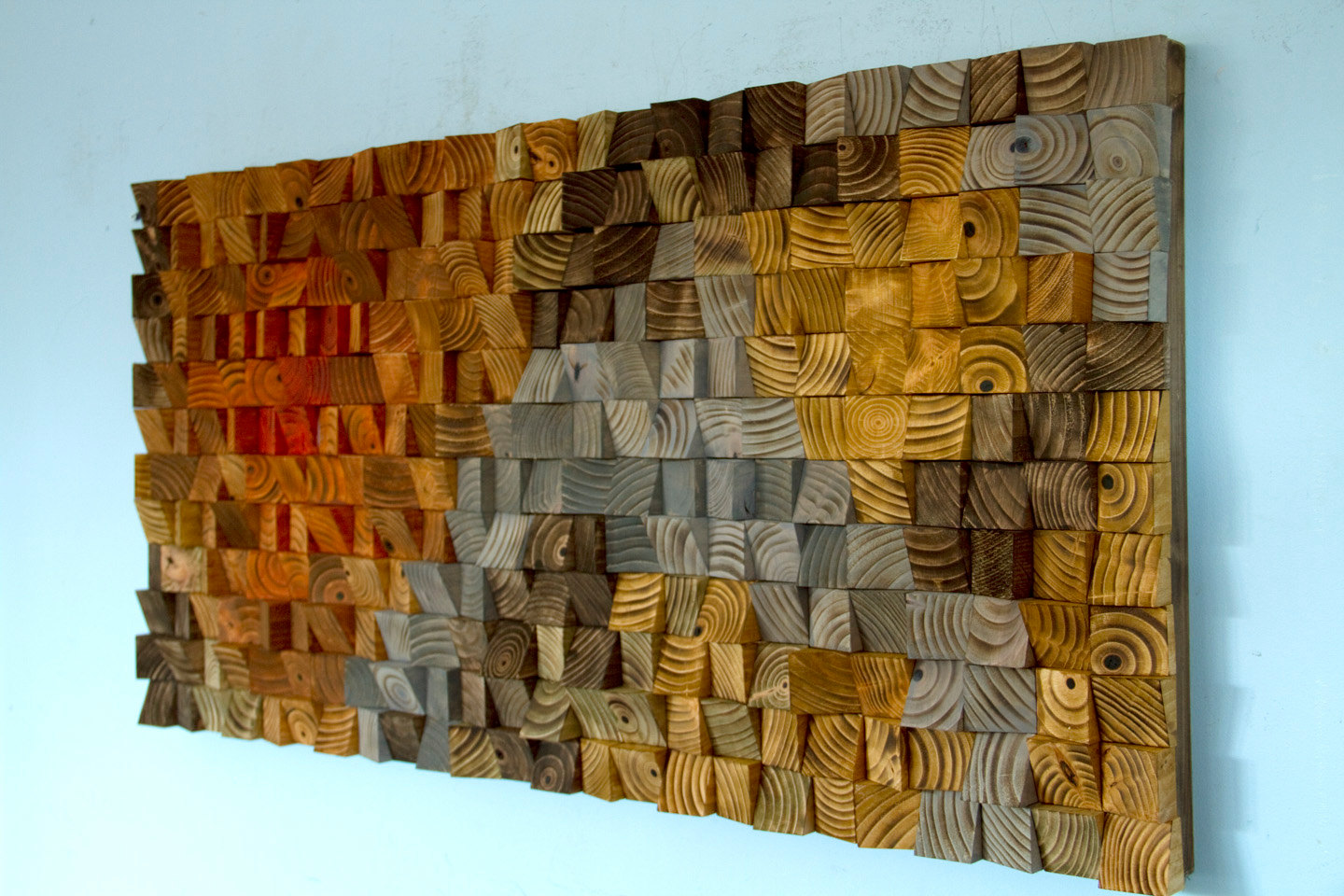
Wood, on the other hand, provides a more earthy, grounded appearance. The grain of the wood adds a sense of depth and texture to the painting that canvas cannot replicate. The rigidity of the wood also offers a certain stability, which can enhance the way colors appear, making them more saturated and vivid. Many artists favor the natural beauty of wood as a backdrop for their work, especially in contemporary and abstract styles.
7. The Cost Factor
When comparing canvas to wood, there’s no clear-cut winner in terms of cost, as prices vary depending on the quality and source of the materials. Canvas can be relatively inexpensive, especially if you’re working with cotton, but linen canvas tends to be much more expensive. Pre-stretched canvas can also increase the cost, though it saves time on setup.
Wood, on the other hand, can be more expensive, especially if you opt for high-quality wood panels or hardwood. However, wooden panels are usually durable and can be used for multiple works of art, making them a cost-effective investment for serious painters. While wood might require more preparation in terms of sanding and priming, many artists feel that the investment is worthwhile for the unique results they can achieve.
8. Practical Applications for Canvas and Wood
Both canvas and wood have practical applications depending on your artistic goals. If you’re an artist who works primarily with portraiture or detailed imagery, you might prefer canvas for its flexibility and forgiving texture. It also works well for larger-scale works, as you can stretch a canvas over a large frame.
Wood, however, is perfect for artists who prefer a more architectural or structural approach. Whether you’re painting a series of abstract works or experimenting with mixed media, wood panels provide a solid foundation that holds up well to experimental techniques. Additionally, wood is great for textural effects, such as carving, burning, or distressing the surface to create visual interest.
9. Famous Artists and Their Surface Preferences
Throughout history, many well-known artists have had their preferences when it comes to surfaces. Leonardo da Vinci, for instance, preferred wood panels for some of his most famous works, such as the Mona Lisa. In contrast, Vincent van Gogh is well-known for his expressive use of canvas to convey emotion and energy in his brushstrokes.
Today, artists like Mark Rothko and Jackson Pollock favored canvas because of its ability to support large-scale, gestural works. However, many contemporary artists are revisiting wood for its unique aesthetic and texture. Shantell Martin and Maya Hayuk are examples of artists who have used wood panels to create vibrant, geometric pieces with a clean finish.
10. Conclusion: Which Surface Is Right for You?
In the end, the choice between painting on wood or canvas is a personal one. Both surfaces offer unique advantages, and neither can be strictly defined as “easier” than the other. Canvas may be easier for beginners or artists who prioritize flexibility and speed, while wood offers a more structured, durable base for those who want precision and depth.
Ultimately, your decision will depend on the type of artwork you wish to create, the techniques you prefer, and the materials that inspire you most. Whether you choose wood or canvas, both are incredible mediums with centuries of artistic history behind them. Explore, experiment, and let your creativity flourish on whichever surface you choose!