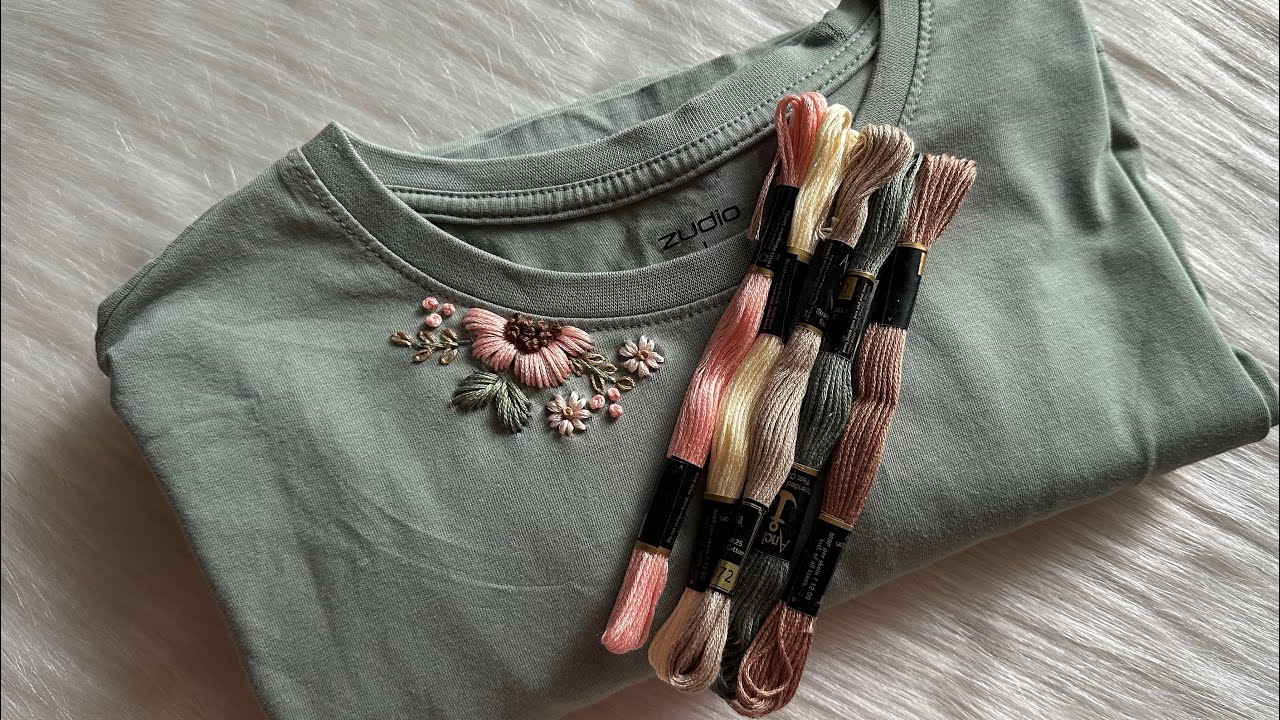




Embroidery, often seen as a traditional craft, has experienced a resurgence in recent years as people rediscover its unique appeal. Beyond the surface of colorful threads and intricate designs lies a world of mental health benefits. While many might initially view DIY embroidery as just a creative hobby, it offers a wealth of hidden advantages that can significantly improve mental well-being. In this article, we will explore these benefits and understand why this timeless art form has become an essential tool for many seeking relief from the stresses of modern life.
1. A Mindful Escape from Daily Stress
In today’s fast-paced world, stress is nearly unavoidable. Work pressures, personal responsibilities, and digital overload all contribute to an overwhelming sense of anxiety. Engaging in DIY embroidery provides a much-needed break from these external pressures. By focusing on a simple, repetitive task like stitching, individuals enter a meditative state that helps calm the mind.
The rhythmic nature of embroidery allows the mind to focus on the task at hand, which in turn encourages mindfulness. Mindfulness—defined as the practice of being fully present in the moment—has been shown to lower stress levels and promote emotional regulation. Embroidery, with its focus on tiny, deliberate movements and the satisfaction of watching your work come together, naturally fosters this state of presence.
2. Enhanced Creativity and Problem-Solving
While embroidery may seem like an art form limited to design, it also offers an opportunity to exercise problem-solving and creativity. Each stitch involves decisions about color, texture, and pattern. For those who embark on freeform embroidery, the sky is the limit. This freedom fosters creative thinking and allows individuals to engage their brains in unique ways.
Creativity is not just an outlet for artistic expression; it also plays a significant role in mental health. Engaging in creative activities has been linked to a reduction in negative emotions such as anxiety and depression. When we allow ourselves to explore and innovate, we release dopamine—the brain’s “feel-good” chemical. Over time, regularly engaging in such creative acts can help improve overall cognitive function and emotional resilience.
3. A Sense of Accomplishment
One of the most profound benefits of DIY embroidery is the sense of accomplishment it provides. Each completed project, whether it’s a small patch or an elaborate design, offers a tangible result that can be admired and displayed. This sense of achievement is not only satisfying but can also boost self-esteem and confidence.
For individuals struggling with feelings of inadequacy or low self-worth, embroidery offers a way to counteract these negative thoughts. The simple act of creating something beautiful, even if it’s just for oneself, can serve as a reminder of personal capabilities and strengths. Over time, these small successes accumulate, contributing to a more positive self-image and a stronger sense of personal value.
4. Improved Focus and Concentration
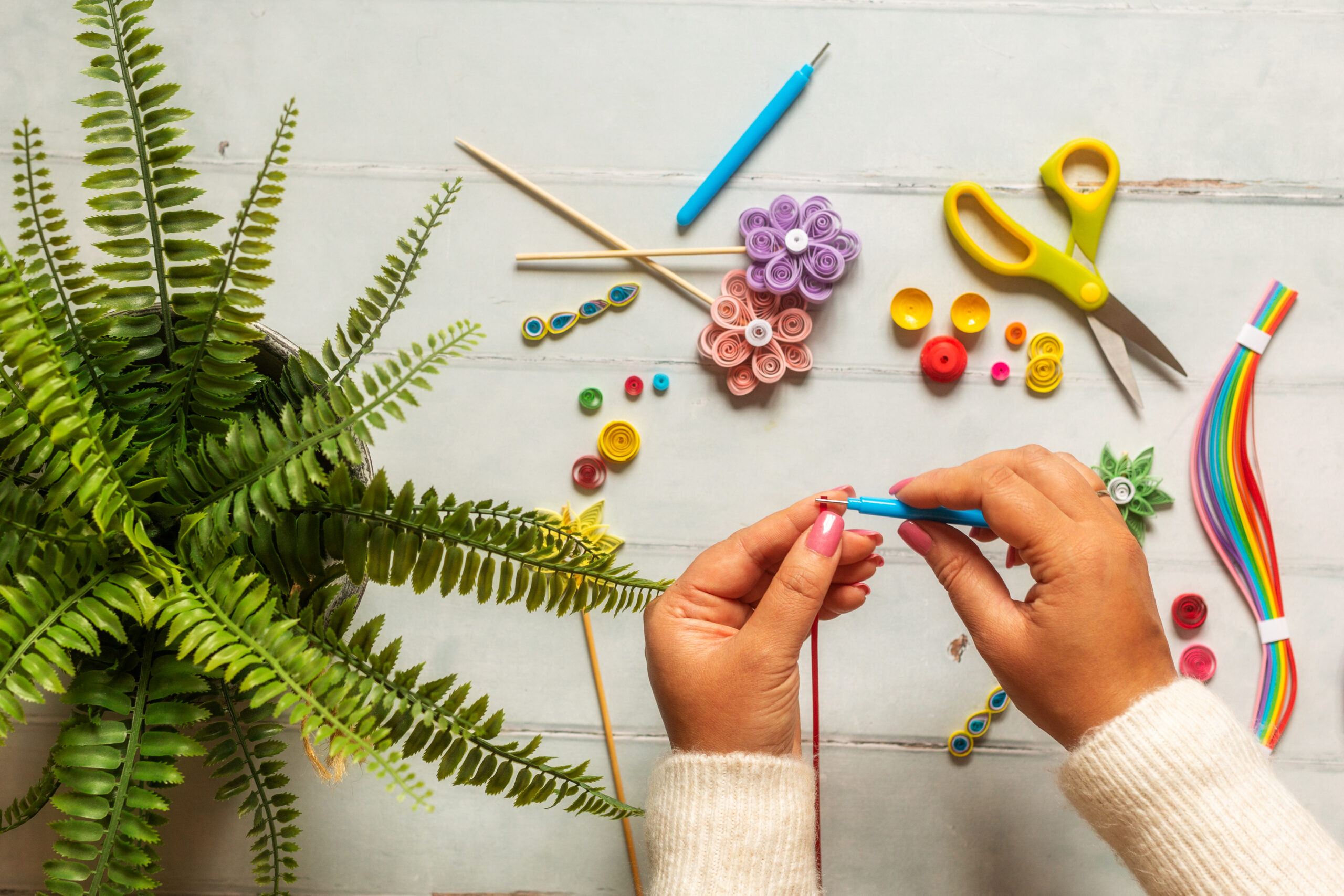
In an age of constant distractions, focusing on a single task can be a challenge. Embroidery demands attention to detail, precision, and patience—all of which help train the brain to stay focused for extended periods. Unlike more passive activities like watching television or scrolling through social media, embroidery requires active participation and mental engagement.
The focus required for embroidery can improve cognitive skills such as memory, concentration, and attention span. Over time, as one becomes more adept at handling intricate stitches and patterns, these benefits extend to other areas of life, including work and personal relationships. For those dealing with ADHD or other attention-related difficulties, embroidery may serve as a therapeutic tool to improve focus and executive function.
5. Stress Reduction Through Routine
Creating a routine is one of the most effective ways to manage stress. DIY embroidery provides an opportunity to establish a calming ritual, whether it’s in the morning with a cup of tea or during a quiet evening at home. The act of sitting down with a needle and thread offers a consistent moment of peace amidst the chaos of daily life.
Routine, when practiced mindfully, can provide a sense of stability and predictability. This can be especially valuable for individuals who experience high levels of stress or anxiety, as it offers a reliable and soothing activity that can be turned to whenever needed. The process of embroidery, with its focus on incremental progress, helps create a positive sense of structure without feeling rushed or pressured.
6. Emotional Expression Through Art
For many, the act of creating is a form of emotional release. Embroidery provides a safe and subtle way to express emotions that might be difficult to put into words. Whether it’s through color choices, patterns, or the overall design, embroidery can be a reflection of one’s inner world. It offers a non-verbal outlet for feelings such as sadness, frustration, joy, or even hope.
Art therapy has long been recognized for its positive impact on mental health, helping individuals process complex emotions and find healing. Embroidery can serve as a gentler form of self-expression, where the focus is not on the end product but on the process itself. This form of emotional release can bring catharsis, helping to alleviate feelings of tension or emotional blockages.
7. Social Connection Through Shared Interest
While embroidery is often an individual activity, it also offers opportunities for social connection. Many people find comfort in sharing their projects, whether through social media platforms or local embroidery groups. The craft’s resurgence has created an online community where individuals can exchange tips, support each other’s progress, and showcase their creations.
For those who struggle with feelings of isolation or loneliness, participating in a shared interest can create a sense of belonging and community. These interactions, even if digital, offer the chance to connect with others who understand the mental health benefits of embroidery and can offer encouragement. This support network can be crucial in combating feelings of isolation, anxiety, or depression.
8. Relief from Anxiety and Depression
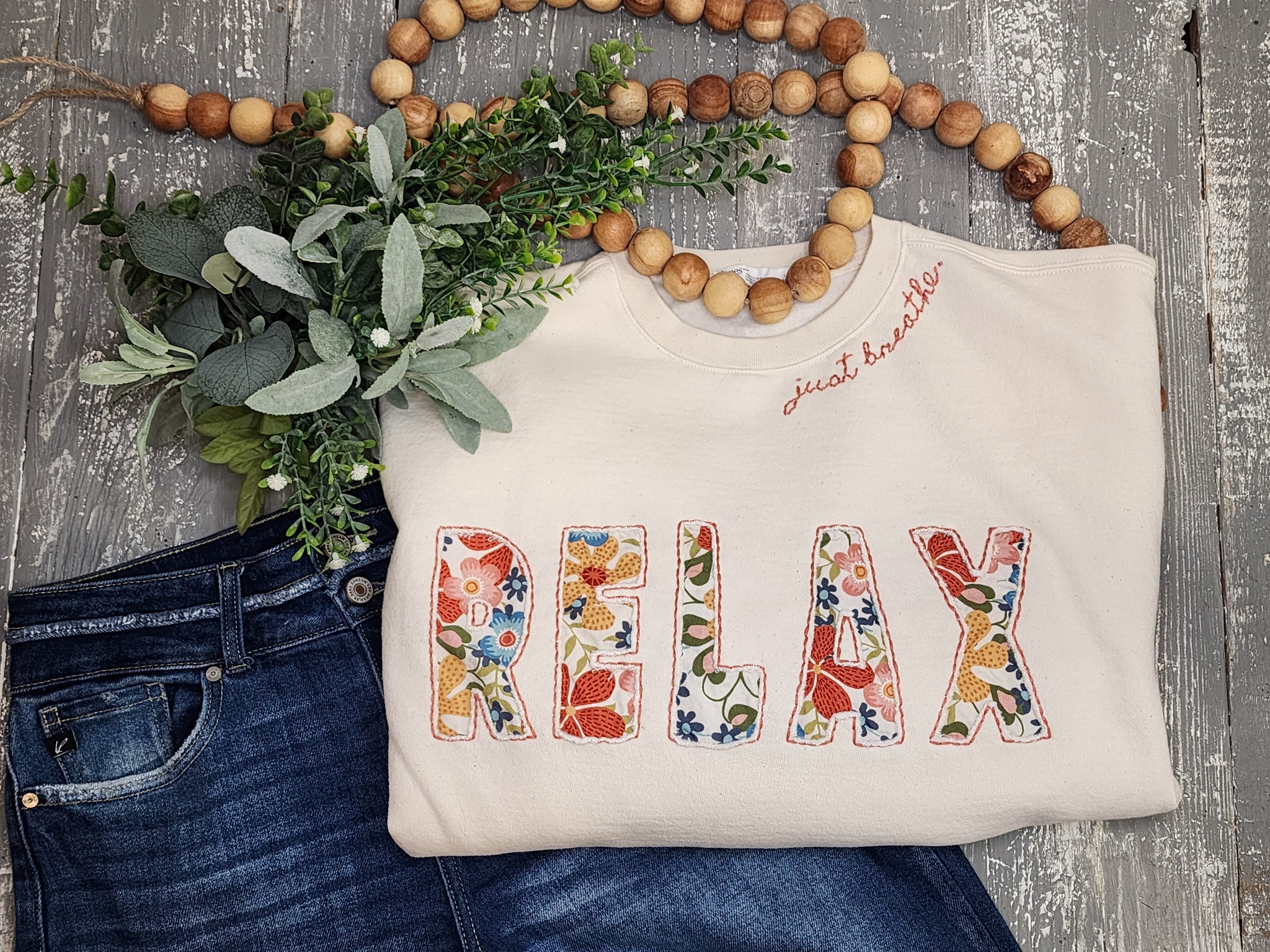
Embroidery, like many other creative activities, has been shown to help reduce symptoms of anxiety and depression. The repetitive motion of stitching, coupled with the focus required, can act as a form of distraction from negative thoughts. In fact, the act of engaging in a repetitive task that requires focus is often referred to as “distraction therapy,” which can help calm an anxious mind.
Studies have shown that mindfulness and creative activities can be effective in reducing symptoms of both anxiety and depression. Embroidery provides a low-pressure way to engage with these therapeutic techniques, as it does not require any previous skill or experience to reap the benefits. Over time, the combination of mindfulness, creativity, and accomplishment can significantly contribute to emotional well-being.
9. Healing Through Color and Texture
Color psychology suggests that colors have a direct impact on mood. The bright, vibrant hues often used in embroidery can evoke positive feelings and stimulate emotional healing. Choosing colors that resonate personally can be a way to connect with one’s emotions and foster a sense of balance.
Texture, too, plays a crucial role in emotional well-being. The tactile nature of embroidery—feeling the thread move through the fabric, watching the stitches take shape—provides a sensory experience that can be both grounding and soothing. This physical engagement with materials can have a calming effect on the nervous system, further enhancing the mental health benefits of embroidery.
10. Physical Relaxation and Stress Relief
While mental health is the primary focus when discussing the benefits of DIY embroidery, it also has physical benefits. The act of embroidering, with its focused hand movements, promotes relaxation in the body. Many people report feeling less tension in their shoulders, neck, and wrists after a session of stitching. This physical release can be particularly helpful for individuals who experience stress-related muscle tension or chronic pain.
Additionally, the calming effects of embroidery can help lower blood pressure and reduce the physical symptoms associated with anxiety. By promoting relaxation in both the mind and body, embroidery becomes a holistic practice that addresses both emotional and physical well-being.
Conclusion
The hidden benefits of DIY embroidery for mental health are abundant. From providing a mindful escape to boosting creativity and improving focus, embroidery is a therapeutic practice that offers far more than just a finished product. By incorporating embroidery into daily life, individuals can experience a wide range of mental health benefits, from emotional expression to stress relief and improved social connection. It is a hobby that not only enhances creativity but also nurtures emotional well-being, making it a powerful tool for mental health.
Whether you’re seeking a way to calm your mind, express your emotions, or connect with others, DIY embroidery is a craft that provides both therapeutic and artistic value. With each stitch, you are not only creating art but also nurturing your mental health, making it a truly holistic and rewarding activity.