



In our ever-evolving world of health and wellness, the debate between artificial and natural sweeteners is as sweet as it is sour. From sugar-free sodas to low-calorie snacks, the rise of artificial sweeteners has dramatically altered how we consume sweets. But are these synthetic substitutes for sugar really the better option? Or is there something about natural sweeteners that makes them the safer, more reliable choice?
In this article, we’ll dig deep into the world of sweeteners, comparing the benefits and risks of both artificial and natural alternatives. We’ll explore how they affect your health, the environment, and your taste buds. So, whether you’re trying to cut back on sugar, lose weight, or simply make healthier choices, this article will help you decide if you can trust artificial sweeteners over their natural counterparts.
1. What Are Artificial Sweeteners?
Artificial sweeteners are sugar substitutes that are synthesized in labs. These include well-known names like aspartame, sucralose (brand name: Splenda), saccharin, and acesulfame potassium. They are designed to mimic the sweetness of sugar without providing the calories.
Most artificial sweeteners are intensely sweet, so only small amounts are needed to achieve the desired level of sweetness. This makes them a popular choice for diet sodas, sugar-free gum, and low-calorie foods. Unlike sugar, which is metabolized by the body, artificial sweeteners often pass through the digestive system without being absorbed, contributing few or no calories.
Common Artificial Sweeteners:
- Aspartame: Often used in sugar-free products, it is about 200 times sweeter than sugar.
- Sucralose: A popular sweetener found in many diet drinks and foods, it’s about 600 times sweeter than sugar.
- Saccharin: One of the oldest artificial sweeteners, it’s around 300-500 times sweeter than sugar.
- Acesulfame K: A calorie-free sweetener, often found in combination with other sweeteners to improve taste.
2. What Are Natural Sweeteners?
Natural sweeteners are derived from plants or animals and are typically less processed than artificial ones. These include familiar ingredients like honey, maple syrup, stevia, and agave nectar. While they still contain sugar, they often come with additional beneficial compounds, such as antioxidants and vitamins, that artificial sweeteners lack.
Natural sweeteners, unlike their synthetic counterparts, are usually less concentrated in terms of sweetness. For example, stevia is about 50-300 times sweeter than sugar, but it also contains plant compounds that may offer health benefits. Maple syrup, while lower in sweetness, provides minerals like manganese and zinc that are not found in most artificial sweeteners.
Common Natural Sweeteners:
- Honey: Made by bees from flower nectar, honey contains small amounts of vitamins, minerals, and antioxidants.
- Maple Syrup: A natural product derived from the sap of sugar maple trees, it provides some micronutrients like manganese and calcium.
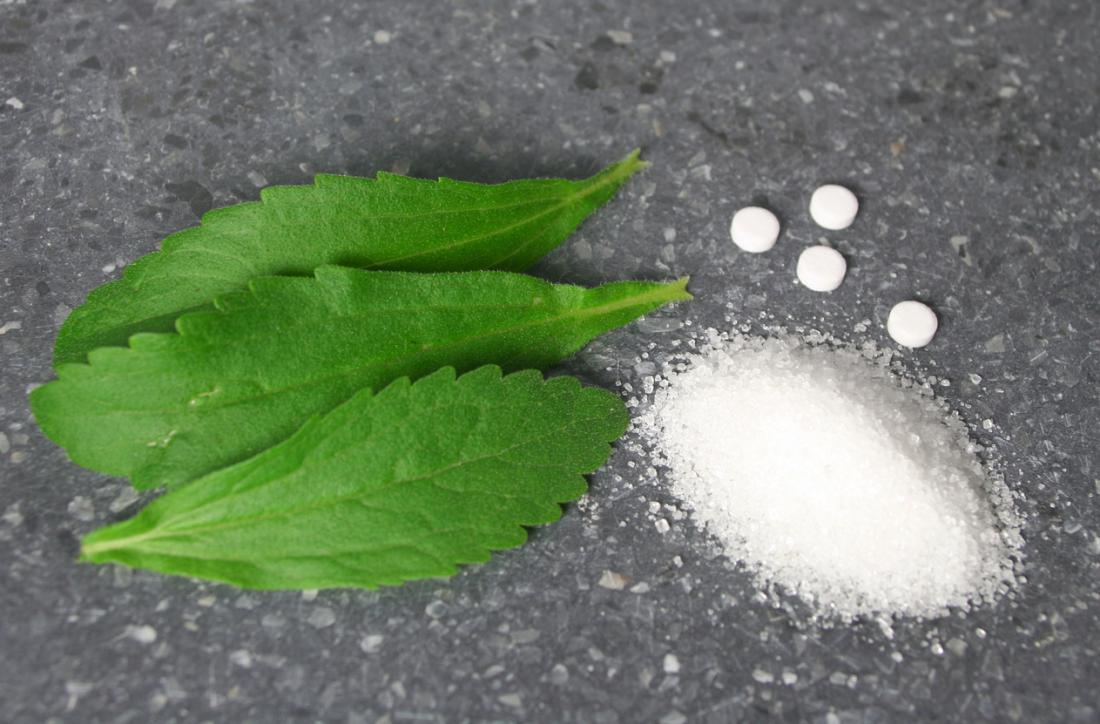
- Stevia: A zero-calorie sweetener derived from the leaves of the Stevia rebaudiana plant, known for its natural sweetness.
- Agave Nectar: Extracted from the agave plant, this sweetener is often marketed as a “healthier” alternative, although it’s high in fructose.
- Coconut Sugar: Derived from the sap of coconut palms, it’s lower on the glycemic index than table sugar but still contains sugar.
3. How Do Artificial Sweeteners Affect Your Health?
While artificial sweeteners are promoted as a way to reduce calorie intake and manage blood sugar levels, their health impacts are still a subject of debate. Some studies suggest that they can be safe when consumed in moderation, but others raise concerns about their long-term effects on health. Here’s what we know so far:
Gut Health and Metabolism

Some research suggests that artificial sweeteners could alter the gut microbiome—the collection of bacteria in our digestive system. A study published in Nature found that artificial sweeteners like aspartame and sucralose could disrupt the balance of gut bacteria, which may lead to metabolic issues like insulin resistance.
The implications of these changes are still unclear, but it’s possible that altering gut bacteria could contribute to weight gain, increased sugar cravings, or even digestive issues.
Cancer Concerns
For years, aspartame has been at the center of cancer-related debates. In the past, some studies on rats found a potential link between aspartame and certain types of cancer. However, large-scale reviews and the U.S. Food and Drug Administration (FDA) have consistently declared aspartame safe when consumed within established limits.
While no definitive link between artificial sweeteners and cancer has been proven, many health experts still recommend caution. It’s worth noting that artificial sweeteners are regulated by agencies like the FDA, who set acceptable daily intake limits to ensure they are safe for consumption.
Weight Loss and Sugar Cravings
Many people turn to artificial sweeteners in an attempt to lose weight, as they offer sweetness without calories. However, some research suggests that the use of these sweeteners may actually increase sugar cravings. This is because they do not provide the satisfaction that comes from consuming sugar, which could lead to overeating or binge eating on sugary foods.
There is also evidence suggesting that artificial sweeteners may have a paradoxical effect on appetite. A 2019 study published in Trends in Endocrinology and Metabolism showed that some artificial sweeteners could confuse the body’s appetite-regulation systems, making us crave more food overall.
4. How Do Natural Sweeteners Affect Your Health?
On the other hand, natural sweeteners come with their own set of advantages and disadvantages. Many of them contain nutrients and antioxidants, but they also tend to have higher calorie counts, which can be a concern if you’re trying to lose weight or control blood sugar.
Blood Sugar and Insulin Sensitivity
Natural sweeteners like honey and maple syrup still contain sugar, and their consumption can affect your blood sugar levels. However, many natural sweeteners, like stevia and monk fruit, have little to no effect on blood sugar, making them a good option for diabetics or those watching their carbohydrate intake.
For instance, stevia has been shown to lower blood sugar levels and improve insulin sensitivity in some studies, making it a preferable choice for those with diabetes or prediabetes.
Nutrient Content
One of the key selling points of natural sweeteners is the presence of nutrients. Honey, for example, contains trace amounts of vitamins, minerals, and antioxidants that are beneficial for health. Maple syrup contains manganese and zinc, while coconut sugar is high in potassium. These nutrients may offer added health benefits compared to the empty calories of refined sugar or artificial sweeteners.
However, it’s important to note that the amounts of these nutrients are relatively small, and consuming large quantities of natural sweeteners to benefit from their nutrients could lead to excess sugar intake.
Glycemic Index
The glycemic index (GI) measures how quickly a food raises blood sugar levels. Most natural sweeteners like honey and agave nectar have a lower GI than refined sugar, which means they may have less of an immediate impact on blood sugar. However, agave nectar is often criticized for its high fructose content, which can be harmful in large amounts, potentially leading to insulin resistance and fatty liver disease.
Natural sweeteners with a lower GI, like stevia or monk fruit, tend to have minimal effects on blood sugar, which is why they are often favored by those managing their glucose levels.
5. Artificial vs. Natural: Which Is Better?
So, which sweetener is better for you—artificial or natural? The answer isn’t as simple as a “yes” or “no.” Both types have their pros and cons, and which one is best depends on your individual health goals, lifestyle, and dietary needs.
Pros of Artificial Sweeteners:
- Low or No Calories: Ideal for those trying to reduce caloric intake or lose weight.
- No Blood Sugar Impact: Great for diabetics or those with insulin resistance.
- Convenience: Often easier to find in processed foods and drinks.
Cons of Artificial Sweeteners:
- Potential Health Risks: Long-term consumption could potentially affect gut health, metabolism, or even increase cancer risk (although evidence is inconclusive).
- Sugar Cravings: They may lead to overeating or cravings for real sugar.
- Not “Natural”: For those who prefer a more natural diet, artificial sweeteners may not feel like a safe choice.
Pros of Natural Sweeteners:
- Nutritional Benefits: Many contain antioxidants, vitamins, and minerals that can improve overall health.
- Lower Glycemic Index: Sweeteners like stevia and honey tend to have a lower GI, making them easier on blood sugar levels.
- Fewer Chemical Additives: Because natural sweeteners are less processed, they often contain fewer chemicals.
Cons of Natural Sweeteners:
- Higher in Calories: Most natural sweeteners contain sugar, which can add extra calories.
- May Still Affect Blood Sugar: While some natural sweeteners have a low glycemic index, others (like honey and agave) can cause blood sugar spikes.
- Less Sweet: They may require more product to achieve the desired sweetness, leading to a higher calorie intake.
6. Final Thoughts: Can You Trust Artificial Sweeteners Over Natural Ones?
Ultimately, the decision to trust artificial sweeteners over natural ones comes down to personal preference and health goals. If you’re looking for a calorie-free option and are monitoring your blood sugar levels, artificial sweeteners may be the better choice for you. On the other hand, if you prioritize natural, whole foods and want to enjoy the additional nutrients that come with natural sweeteners, then natural options like stevia, honey, or maple syrup may be your go-to.
Whichever path you choose, it’s important to consume sweeteners in moderation and remain mindful of how they fit into your overall diet. A balanced approach—using both artificial and natural sweeteners when appropriate—can offer the best of both worlds.