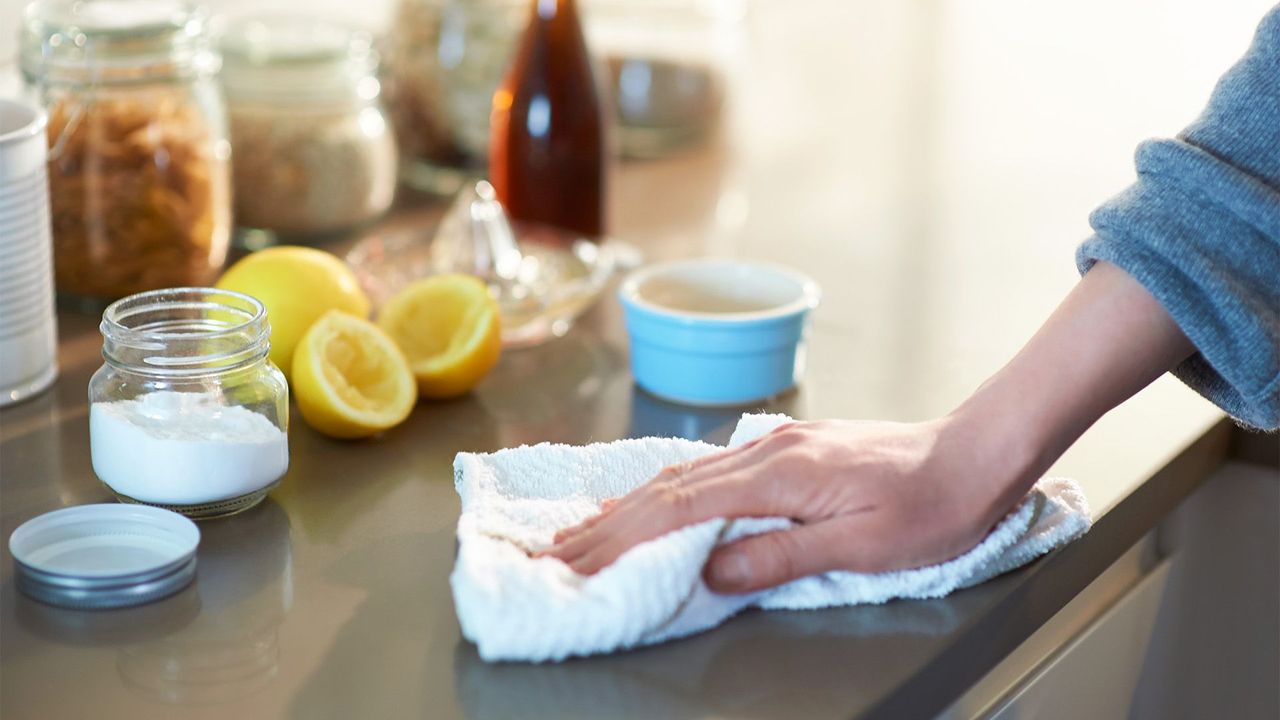




Baking soda, or sodium bicarbonate, has long been hailed as a versatile and eco-friendly solution for a range of household cleaning tasks, from scrubbing pots to freshening up the fridge. But is it truly the ultimate kitchen cleaner, as its widespread popularity suggests? In this article, we’ll explore the benefits, limitations, and practical uses of baking soda as a cleaner, and evaluate whether it really deserves its title as a kitchen cleaning powerhouse.
The All-Purpose Power of Baking Soda
Baking soda is not just for baking. It’s an affordable, non-toxic, and environmentally friendly substance that can do a surprising number of things. But how exactly does it work its magic in the kitchen?
1. Deodorizing Agent: The Freshness Factor
One of the most popular uses for baking soda in the kitchen is as a deodorizer. Whether it’s neutralizing the smells from trash cans, refrigerators, or the garbage disposal, baking soda absorbs and neutralizes odors rather than just masking them.
How does this work? Baking soda works through a chemical reaction where it reacts with acids and bases in the air. This neutralization process helps eliminate unwanted smells without the need for harsh chemicals. So, if your fridge smells a little funky, place an open box of baking soda inside. The box will absorb odors and keep your fridge smelling fresh for weeks. It’s a simple trick that saves you the hassle of dealing with overpowering, artificial scents from traditional air fresheners.
2. Cutting Through Grease: A Cleaner’s Best Friend
Baking soda shines when it comes to tackling kitchen grease. Whether you’re scrubbing your stovetop or wiping down greasy cabinets, its mild abrasiveness makes it effective in breaking down sticky oil and grease.
To use it, simply sprinkle a generous amount of baking soda on greasy surfaces, such as stove tops, oven hoods, or countertops. Add a little water to create a paste, and use a sponge or cloth to scrub away the grease. The abrasiveness helps lift the grease, while the gentle action ensures that surfaces aren’t damaged. For tougher jobs, like cleaning the oven or grill grates, you can leave the paste on for a few hours before scrubbing.
3. Cleaning Stainless Steel and Sinks
One of the trickiest materials to clean in the kitchen is stainless steel. Whether it’s your sink, refrigerator, or appliances, fingerprints and smudges can quickly make stainless steel surfaces look dirty. Fortunately, baking soda can help remove these marks without leaving scratches.
To clean stainless steel sinks or appliances, sprinkle a little baking soda directly onto the surface, then rub with a damp cloth in the direction of the grain. For stubborn spots, you can create a paste by mixing baking soda with water. Use a soft cloth to buff away the grime, and you’ll be left with a shiny, streak-free surface. Additionally, using baking soda helps eliminate any lingering odors in the sink or appliances.
4. Dealing with Hard Water Stains
Hard water stains are a common nuisance in kitchens, especially in sinks, faucets, and dishwashers. These stains can be tough to remove with conventional cleaning products, but baking soda comes to the rescue again. Its abrasive texture helps to scrub away mineral deposits, while its alkaline nature breaks down the minerals that cause the stains.

To clean hard water stains, make a paste of baking soda and water, and apply it to the affected area. Let it sit for a few minutes to break down the buildup, then scrub with a sponge or cloth. With a little elbow grease, the stains should lift, leaving your kitchen sparkling clean.
5. Cleaning Grimy Kitchen Cabinets
Kitchen cabinets often accumulate grime from cooking oils, food splatters, and everyday use. Over time, this can build up and make your cabinets look dull and dirty. Baking soda can be used to gently scrub away this residue without damaging the finish of your cabinets.
To clean kitchen cabinets with baking soda, mix it with warm water to create a paste. Apply the paste to the cabinets, and use a soft cloth or sponge to scrub in circular motions. Baking soda will lift grease and grime while restoring the natural shine of your cabinetry.
6. Unclogging Drains
Clogged drains are another common issue in the kitchen, especially when grease, food particles, and soap scum build up in pipes. While there are plenty of chemical drain cleaners available, they can be harsh on your pipes and the environment. Baking soda offers a more natural solution.
To unclog a drain, pour about half a cup of baking soda down the drain, followed by a cup of vinegar. The combination of these two ingredients creates a fizzy reaction that helps to break down the clog. After the fizzing subsides, flush the drain with hot water to clear away the debris. For particularly stubborn clogs, you can repeat the process or let it sit overnight.
7. Polishing Silverware
Silverware, especially when used daily, can lose its luster over time. Baking soda can be used to restore the shine to silver cutlery and serveware.
To polish silverware, make a paste with baking soda and water. Apply it to the tarnished areas with a soft cloth or sponge, gently rubbing in circular motions. Rinse the silverware with warm water, then dry it with a soft cloth. Your silver will shine like new.
8. Cleaning the Microwave
Microwaves can quickly accumulate food splatters, grease, and stains, making them look less than appealing. While you could use commercial microwave cleaners, baking soda offers a more natural solution. It helps to lift stains and odors without using harsh chemicals.
To clean a microwave with baking soda, mix a tablespoon of baking soda with a cup of water in a microwave-safe bowl. Microwave the solution for about 3 minutes to create steam that will loosen any grime. Afterward, use a cloth to wipe down the inside of the microwave, and you’ll be left with a clean, odor-free appliance.
9. Freshening Up the Dishwasher
A dishwasher is constantly exposed to food residue, soap scum, and mineral buildup. To keep your dishwasher clean and fresh, use baking soda to eliminate odors and residue.
To freshen your dishwasher, sprinkle a small amount of baking soda on the bottom of the empty dishwasher and run a short cycle on the hottest setting. This will help to neutralize any odors and clean any leftover soap scum or food particles from the machine.
The Limitations of Baking Soda
While baking soda is undeniably a versatile and powerful cleaner, it’s not always the best option for every cleaning task. Here are a few limitations to keep in mind:
1. Not Effective for All Stains
Baking soda excels at tackling grease, grime, and odors, but it may not be effective against more stubborn stains, such as wine spills or deep-set discoloration. In such cases, you may need to use specialized cleaners or stain removers to achieve the desired results.
2. Can Be Abrasive
While baking soda is generally safe to use on most kitchen surfaces, its mild abrasiveness can damage delicate finishes, such as marble or granite countertops. Always test it on a small, inconspicuous area before using it on the entire surface.
3. May Not Work on Heavy-duty Jobs
For heavy-duty cleaning tasks, such as removing mold or mildew, you may need a stronger cleaning solution than baking soda. In these cases, bleach or a specialized cleaner may be necessary to get the job done.
4. Needs Elbow Grease
While baking soda does a great job at cutting through grease and grime, it often requires a little more physical effort than using a commercial cleaner. If you’re looking for a quick fix, baking soda might not always be the most convenient choice.
Is Baking Soda the Ultimate Kitchen Cleaner?
The short answer is that, while baking soda is incredibly effective for many kitchen cleaning tasks, it may not be the ultimate cleaner in every situation. It certainly deserves its place as a go-to, all-purpose cleaner, but it’s not always the best solution for every type of mess.
For everyday tasks like deodorizing, scrubbing grease, or cleaning surfaces, baking soda is a fantastic option. It’s safe, affordable, and eco-friendly, making it a top choice for many households. However, for tougher stains, specialized cleaning needs, or very delicate surfaces, you may need to turn to more targeted solutions.
Ultimately, baking soda’s versatility and gentle nature make it a staple in many kitchens, but whether it’s the ultimate cleaner depends on your cleaning needs and the specific task at hand. As part of a balanced cleaning arsenal, baking soda certainly holds its ground as a top-tier kitchen cleaner, but it’s not a one-size-fits-all solution.