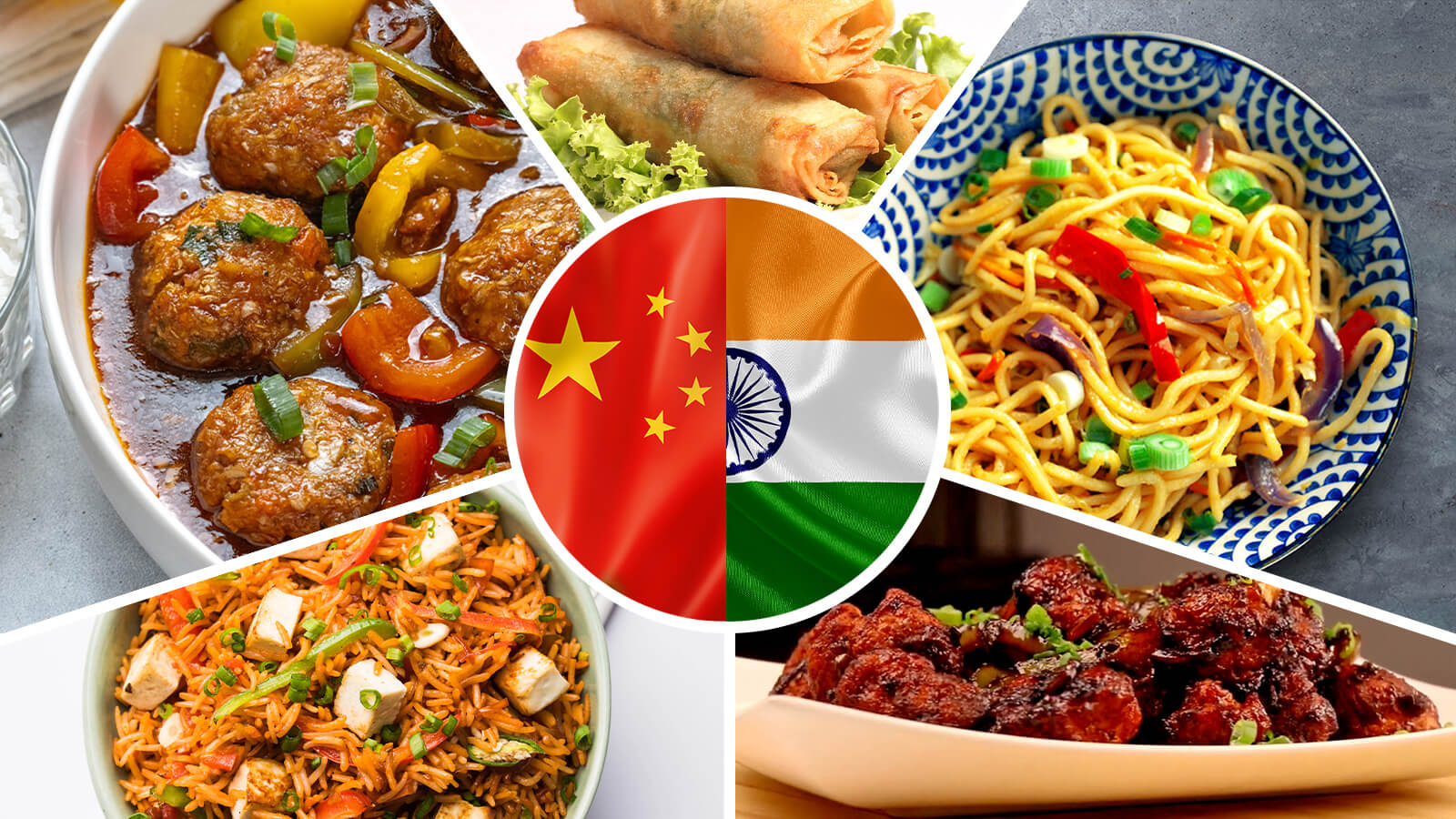




The world of food is an exciting, ever-evolving landscape where different cultures, traditions, and ingredients converge. In recent years, the fusion of global ingredients with local recipes has become a culinary phenomenon that both excites food lovers and challenges traditional culinary boundaries. The blending of global influences into local cooking is not just a trend; it’s a revolution that redefines the way we approach food, flavor, and culture. But what happens when ingredients from around the world meet the centuries-old recipes from our own backyards? Let’s explore the culinary magic and complexity of this meeting point.
The Global Kitchen: A Melting Pot of Ingredients
Global ingredients are those that transcend borders—ingredients that are used in kitchens worldwide, from the creamy richness of olive oil to the fiery heat of chili peppers, from the comforting presence of rice to the bright notes of citrus. These ingredients bring a new dimension to local dishes, adding layers of complexity and flavor. For chefs and home cooks alike, the availability of ingredients from all over the world has revolutionized cooking.
In a world where the international food supply chain is more interconnected than ever before, global ingredients are as accessible as ever. The humble avocado, native to Mexico, has made its way to breakfast plates in every corner of the globe, while spices like cumin, turmeric, and cardamom are regulars in kitchens far from their places of origin. The internet and international trade have made ingredients like miso, sriracha, and tahini a staple in places that may never have tasted them before.
This accessibility is not only expanding the horizons of chefs but also changing how we think about flavor profiles, textures, and cooking methods. Where once regional ingredients were seen as the backbone of local cuisine, now they are being infused with a variety of global influences, creating entirely new and often surprising results.
Local Recipes: A Taste of Heritage
Local recipes are the embodiment of tradition, culture, and history. Every region has its unique culinary heritage, shaped by geography, climate, and the resources available to its people. These recipes have been passed down through generations, often carried by families, communities, and cultures that hold them dear. Local recipes, whether it’s a hearty Irish stew, a fragrant Moroccan tagine, or an Italian pasta dish, reflect the essence of the place from which they originated.
However, as global ingredients start finding their way into kitchens worldwide, local recipes are being reinterpreted in ways that highlight both the past and the present. This blending of local heritage with international influences can take many forms. It might mean adding global spices to a classic dish, using international cooking techniques to reinterpret local food traditions, or simply swapping one ingredient for another that brings a new flavor or texture.
At the heart of this blending is the idea of adaptability. Local recipes, like the cultures they represent, have always evolved in response to changing times. The introduction of global ingredients into local recipes is simply another chapter in their ongoing story of evolution.
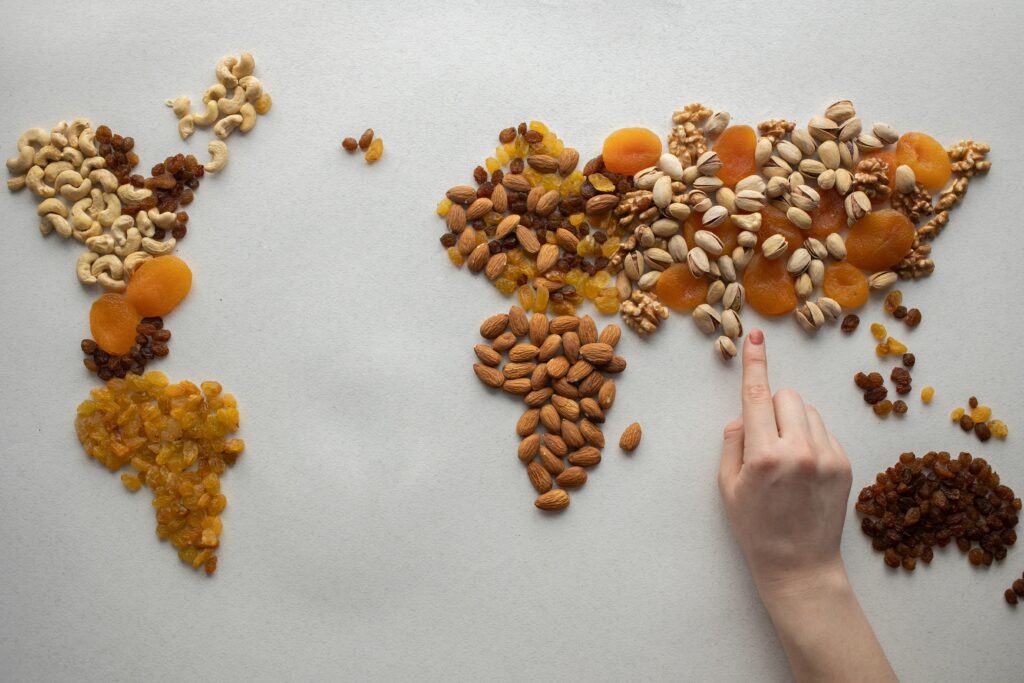
The Art of Fusion: Finding Harmony Between Global and Local
When global ingredients meet local recipes, the outcome is often a beautiful marriage of tradition and innovation. Fusion cuisine, the culinary art of combining elements from different food cultures, has gained significant popularity in the past few decades. At its core, fusion is about experimentation, balance, and respect for both the ingredients and the recipes.
One key challenge in fusion cooking is achieving balance. The essence of a dish can often be overshadowed if too many global ingredients are added, or if they are introduced in a way that feels forced or unnatural. The secret lies in understanding the flavors of both the local recipe and the global ingredients, and finding ways to blend them in a way that respects both.
Take the example of sushi, a Japanese classic. Traditionally, sushi is made using fresh fish, rice, and seaweed. But now, you’ll find sushi rolls that incorporate global ingredients like cream cheese, avocado, or even spicy mayo—ingredients that might seem out of place in a traditional sushi recipe. The beauty of these combinations lies in the way they elevate the dish without taking away from its essential character. The creamy texture of avocado complements the fresh fish, while the spicy mayo adds a kick that enhances the overall experience.
Similarly, Mexican cuisine has seen the introduction of global ingredients like quinoa, kale, and coconut milk, which are now often used in modern takes on traditional dishes like tacos or enchiladas. These additions not only give the dishes a fresh twist but also cater to the growing demand for healthier, plant-based options without compromising on the flavor.
The Flavor of Innovation: How Global Ingredients Impact Local Recipes
Global ingredients bring new flavors, textures, and techniques that challenge local cooks to push boundaries and rethink what’s possible. Ingredients like miso, which is traditionally used in Japanese cuisine, bring a fermented, umami-rich depth to any dish. In the right hands, miso can be used to enhance soups, marinades, dressings, or even to add complexity to dessert recipes like miso-flavored chocolate.
Likewise, global spices—cumin from the Middle East, saffron from Persia, cinnamon from Sri Lanka—add an exotic touch to local dishes, bringing with them a sense of adventure and experimentation. Think about the explosion of Middle Eastern spices in European and American kitchens. It’s not just about throwing spices into a dish but about learning how to layer them to create a unique flavor profile.
In fact, the use of global ingredients can often take a local recipe in a new direction. Take the classic French onion soup, for example. Traditionally made with caramelized onions, beef broth, and Gruyère cheese, a modern twist might incorporate miso for a deeper umami flavor or a drizzle of truffle oil for an extra layer of sophistication. These small tweaks, brought about by global ingredients, create a fusion of old and new, preserving the soul of the dish while giving it a contemporary flair.
The Rise of Plant-Based and Alternative Ingredients

As sustainability and health-conscious eating continue to gain importance, global ingredients have also played a significant role in the growing demand for plant-based and alternative foods. Ingredients like jackfruit, often used in Indian and Southeast Asian cuisines, have found their way into plant-based versions of traditional dishes like pulled pork sandwiches and tacos. Similarly, ingredients like tempeh (fermented soybeans) and nutritional yeast, staples in vegan and vegetarian diets, have become more common in various cuisines worldwide.
Incorporating such ingredients into local recipes not only caters to dietary trends but also creates a more sustainable and health-conscious approach to cooking. Whether it’s using coconut milk in a creamy pasta dish instead of heavy cream or swapping traditional meats for plant-based alternatives, global ingredients allow chefs to experiment with more environmentally friendly and health-focused options.
Global Ingredients, Local Identity, and Cultural Preservation
While the rise of global ingredients in local recipes is often seen as a celebration of innovation, it also raises questions about cultural identity and the preservation of traditional cooking. With the constant blending of global and local flavors, there is a concern that some traditional recipes might lose their authenticity or be overshadowed by modern, international trends.
Yet, this fusion of cultures and ingredients does not have to mean the end of local culinary traditions. Instead, it can be seen as a dynamic way to ensure that local recipes continue to thrive in an ever-changing world. By embracing global ingredients, local recipes have the potential to evolve and adapt, remaining relevant and exciting without losing their cultural roots. It’s not about erasing the past but about making room for new influences while respecting the essence of tradition.
For example, in places like Mexico, the introduction of ingredients such as sushi-grade fish, avocado, or even quinoa into traditional Mexican dishes doesn’t erase the identity of Mexican cuisine. Rather, it strengthens the idea that food is a living, breathing entity that reflects the world’s diverse influences while maintaining a core connection to its origins.
A Culinary Future Full of Possibilities
Looking ahead, the fusion of global ingredients with local recipes offers endless possibilities. As travel, communication, and trade continue to grow, the exchange of culinary ideas and ingredients will only increase. We are likely to see even more innovative combinations of flavors, textures, and cooking methods that blur the lines between cultures and challenge traditional norms.
Moreover, as the demand for sustainability, health-conscious eating, and plant-based diets rises, the global-local fusion will likely become an even more important part of the culinary landscape. As chefs experiment with new ingredients and techniques, they will continue to forge new paths that not only offer exciting flavor combinations but also challenge our ideas of what food can be.
The meeting of global ingredients and local recipes is a culinary journey, a blending of tradition and modernity, old and new, local and global. It is a testament to food’s power to unite and inspire, to transcend borders, and to reflect the changing world around us. Through fusion cuisine, we learn that while ingredients may be global, the way we use them is deeply personal, cultural, and uniquely ours.