


Beverages are more than just liquids we drink for hydration or taste; they often represent the heart and soul of a region. Throughout history, local beverages have played significant cultural, social, and economic roles, transcending mere refreshment to become symbols of identity, pride, and tradition. From the strong coffee of Italy to the distinctive teas of China, local drinks have a unique place in both the hearts of locals and the imaginations of visitors. But what exactly makes a local beverage an icon of a region? The answer lies in the deep connection between drink, people, history, and the land itself.
1. Historical Roots: A Beverage Steeped in Tradition
One of the most essential factors in the rise of a beverage to icon status is its deep historical roots. The longer a beverage has been around, the more it becomes interwoven with the cultural identity of its region. For instance, sake is much more than just a traditional Japanese rice wine. It has existed for over a thousand years and plays an essential part in ceremonies, rituals, and festivals. The very process of making sake, its unique ingredients, and the methods passed down through generations reflect the cultural sophistication of Japan. As a result, sake has evolved from an agricultural by-product to a symbol of Japanese craftsmanship, spirituality, and social life.
Similarly, the evolution of espresso in Italy is a testament to the country’s relationship with coffee. Though coffee originally made its way from the Middle East, it was in Italy where the coffee culture truly flourished, particularly with the invention of the espresso machine in the early 20th century. The espresso became not just a drink, but a lifestyle—a quick but indulgent experience tied to social interactions, cafés, and the Italian pace of life.
2. Connection to the Land and Local Ingredients
A local beverage’s status as an icon is often linked to its geographical location and the ingredients that come from that land. Whether it’s the tequila made from blue agave plants in Mexico or the rum crafted from sugarcane in the Caribbean, these beverages are intrinsically tied to the environment in which they’re produced. The land, climate, and agricultural practices dictate the qualities and flavors of the drink, making it unique to its region.
Take, for example, the case of French wine. The distinctive terroir (a French term used to describe the environment in which the wine is produced) is the backbone of French winemaking, with specific regions producing varietals that reflect the soil, climate, and even the people who have cultivated the land for centuries. Burgundy, Bordeaux, and Champagne have become synonymous with the particular wines they produce, and the production of these wines is not just a business—it’s a deep-rooted cultural heritage that ties each region to its beverage.
In this sense, a local beverage can act as a natural extension of the landscape itself, almost as if the drink embodies the essence of the region. Locally grown grains, fruits, herbs, and spices—whether used to make beer, cider, or spirits—help to create a product that speaks to the uniqueness of its environment. The close relationship between region and product is what makes many beverages iconic.
3. Craftsmanship: Mastering the Art of Beverage Creation
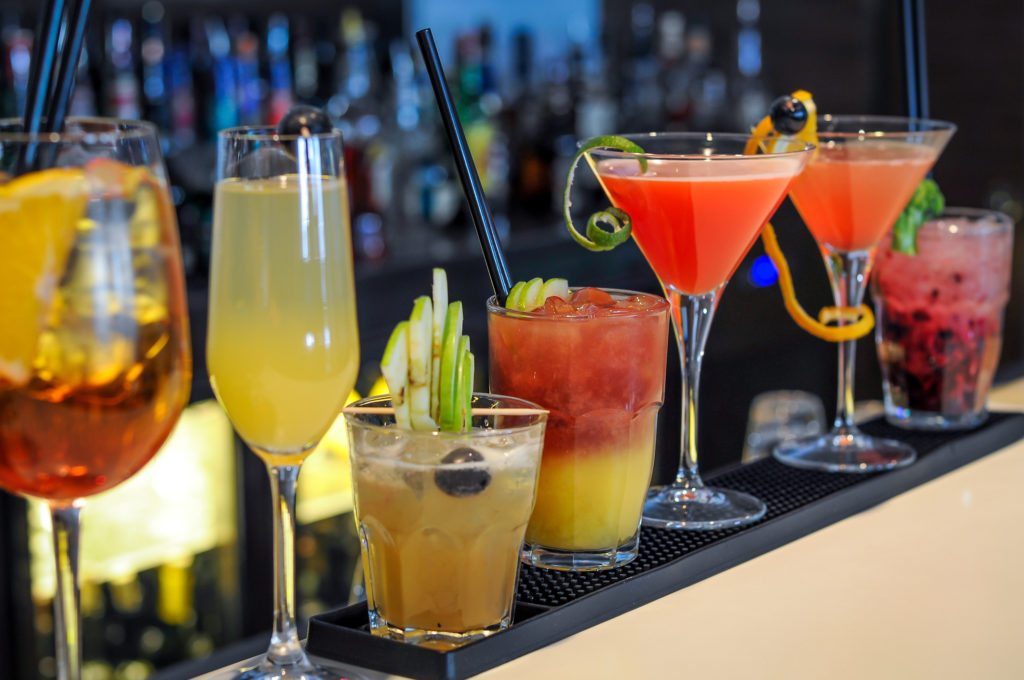
Another element that propels a beverage to iconic status is the level of craftsmanship and expertise that goes into its creation. This is where the mastery of technique, whether it’s brewing, distilling, fermenting, or blending, elevates the beverage from a simple drink to a cultural treasure. It’s not just about having the right ingredients but also knowing how to manipulate them to create something extraordinary.
Consider the tradition of whiskey distilling in Scotland. The expertise that goes into creating a bottle of Scotch is legendary. Each distillery has its own blend, method, and aging process, often passed down through generations. The craft of whiskey-making requires immense attention to detail, and it’s this artisanal approach that has turned Scotch whisky into a global icon. The same can be said for the production of traditional French Champagne, where the meticulous care given to every step—ranging from the harvest of the grapes to the final bottling—has made the sparkling wine synonymous with celebration and luxury.
Craftsmanship also contributes to a sense of pride within the community. Local producers, whether they’re brewing beer in the Czech Republic or creating mezcal in Oaxaca, Mexico, often see their beverages as part of a cultural legacy. It’s this sense of mastery and pride in production that creates an emotional attachment to the drink, making it an enduring symbol of the region.
4. Cultural Significance: More Than Just a Drink
For a beverage to become an icon of a region, it must transcend its role as a simple refreshment. It becomes something more—an emblem of cultural practices, values, and communal identity. Local drinks often become part of rituals, social gatherings, and even religious ceremonies. In many cultures, the act of drinking a particular beverage is a form of expression, a gesture that signifies belonging to a group or community.
The Japanese tea ceremony is a perfect example of this cultural significance. While green tea is consumed casually throughout Japan, the ceremonial preparation and drinking of matcha tea represents far more than just enjoying a hot beverage. It’s a deeply spiritual practice rooted in Zen Buddhism, where every action is performed with mindfulness and attention to detail. The tea ceremony is an expression of respect, discipline, and harmony, with matcha being at the center of this cultural practice.
Similarly, chai in India is not simply a beverage; it is a key part of daily life. Whether served in a street stall or at home, chai is the drink that brings people together. In social settings, the sharing of chai has become a symbol of hospitality, warmth, and connection. It’s often accompanied by lively conversations, jokes, and exchanges, thus becoming a representation of Indian social life.
Many local beverages also carry spiritual and symbolic meanings. In Mexico, for example, the traditional hot chocolate, often spiced with chili, is not just a drink but a connection to ancient Mesoamerican cultures. The cacao bean was revered by the Aztecs and Mayans, and today, drinking chocolate can still carry an air of cultural reverence, especially when prepared in the traditional manner.
5. Social and Economic Influence: A Beverage of Exchange
Local beverages often play an important role in local economies, both as a source of income and as a product of export. Some drinks, such as Italian espresso or Cuban rum, have gone on to become global products. Yet, they still retain their regional identity, both as a mark of quality and as an emblem of the region’s cultural output.
The beer culture of Belgium is a prime example. While Belgian beers are now enjoyed around the world, they remain deeply tied to their local regions, with each town and village having its own signature brews. Belgian beers are made using time-honored methods, and many are still brewed by monks in abbeys that have been producing beer for centuries. The export of these beverages has helped to spread the region’s culture worldwide, but it also bolsters local economies and supports small-scale craft breweries that keep alive centuries-old traditions.

Additionally, local beverages often play a role in tourism. Regions known for iconic drinks frequently attract visitors seeking an authentic taste of the local culture. Whether it’s the tequila distilleries in Mexico, the whiskey tastings in Scotland, or the wine tours in Tuscany, local beverages become a primary reason for people to travel. The economic impact of this can be substantial, with entire industries built around the production, marketing, and distribution of these regional drinks.
6. Modern Trends and Innovations
Even though the historical and cultural aspects of a beverage often elevate it to icon status, modern innovations have also contributed to the continued relevance of these drinks. The craft beer movement, for example, has revitalized the beer culture in many countries, including the U.S. While the production of beer in the U.S. was once dominated by large, industrial breweries, the craft beer renaissance has seen a return to local ingredients, small-batch brewing, and unique flavors. This movement has allowed new regional styles of beer to emerge, often based on long-forgotten recipes or modern reinterpretations of traditional drinks.
Similarly, the global interest in health and wellness has led to a resurgence of interest in beverages like kombucha, which hails from East Asia. As consumers become more health-conscious, traditional drinks that are natural, probiotic, and less processed are gaining popularity worldwide. The combination of health trends with deep cultural roots makes beverages like kombucha an example of how the old and new can coexist.
Even more recently, the rise of artisanal coffee shops around the world has further cemented coffee’s iconic status in various regions. Cities like Melbourne, Sydney, and Portland have developed their own distinct coffee cultures, where local baristas experiment with new brewing methods and beans sourced from sustainable farms, infusing modernity with tradition.
Conclusion
Local beverages transcend the simple role of refreshment to become powerful symbols of a region’s history, culture, and identity. Whether it’s the timeless elegance of French wine, the social ritual of Japanese tea, or the celebratory spirit of Mexican tequila, these drinks tell stories of craftsmanship, heritage, and pride. A local beverage becomes an icon when it encapsulates the essence of a place—its landscape, people, and traditions—and when it holds a place of significance within the broader social, cultural, and economic framework of that region. Ultimately, these beverages are more than just drinks; they are expressions of identity that carry the past into the present and, in many cases, the future.