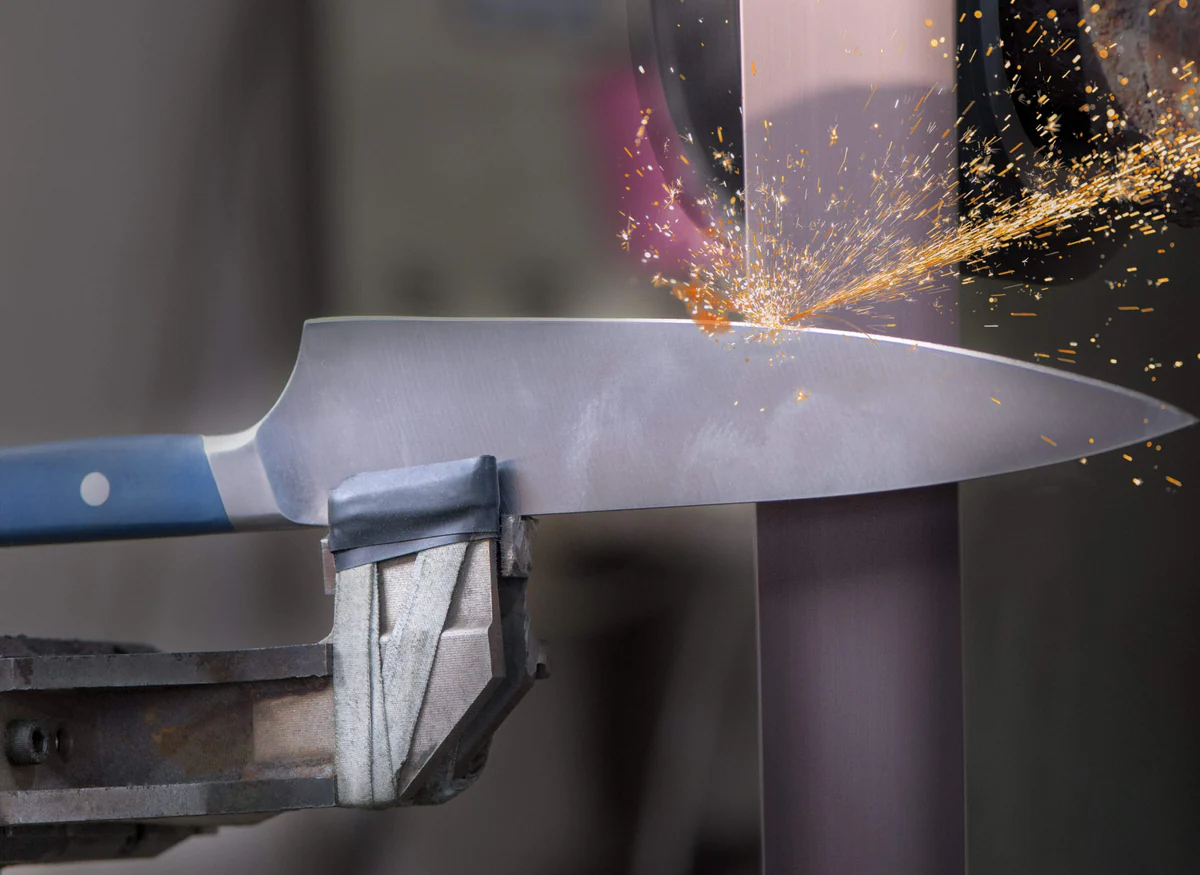



In the culinary world, few tools are as essential as the chef’s knife. A sharp knife is often seen as a chef’s best friend, but what exactly makes it such a vital part of cooking? Whether in a professional kitchen or at home, the choice of knife can dramatically influence the outcome of a dish, the safety of the cook, and the overall efficiency of the process. But why is it that chefs insist on using sharp knives? To answer that, we need to dive into the science of sharpness, the art of cooking, and the psychology behind culinary efficiency.
1. Precision and Efficiency: The Art of Cutting
One of the primary reasons chefs use sharp knives is for the precision and efficiency they bring to the cutting process. Sharp blades make clean cuts, which are essential for slicing, dicing, and chopping ingredients in a controlled manner. When a knife is sharp, it can slice through foods like tomatoes, herbs, and delicate proteins without crushing or bruising them, preserving their texture and flavor.
In a busy professional kitchen, time is often of the essence. A sharp knife significantly speeds up prep work, allowing chefs to work quickly without the need for excessive force. The sharper the knife, the less energy needed to cut through food. This means that chefs can work for longer periods without tiring, which is particularly important during long shifts or when preparing large quantities of food.
2. Safety First: A Sharp Knife is Safer
It may seem counterintuitive, but a sharp knife is actually safer than a dull one. This is because a dull knife requires more force to cut through food, increasing the likelihood of the blade slipping and causing an accidental cut. On the other hand, a sharp knife glides through the food with minimal resistance, giving the chef more control over the blade and reducing the risk of injury.
Dull knives also tend to cause the food to slip, especially when cutting smooth-skinned items like tomatoes or onions. This lack of control can lead to the knife veering off course, potentially causing cuts on the chef’s hands or fingers. Therefore, a sharp knife is not just a tool for better performance; it’s a tool for maintaining safety in the kitchen.
3. Quality of the Cut: Preserving the Integrity of Ingredients
The sharpness of a knife directly affects the quality of the cuts it makes. With a sharp edge, chefs can make precise cuts that preserve the natural structure and integrity of the ingredients. This is particularly important when working with vegetables, fruits, and herbs, as a clean cut will help maintain their crispness, flavor, and nutritional value. For example, when cutting herbs with a dull knife, the cell walls of the leaves can be torn, releasing unwanted juices and causing the herbs to wilt quickly.
In contrast, a sharp knife creates smooth, clean cuts that help preserve the cell structure of the ingredients, ensuring they remain fresh longer and retain their original flavors. This is especially important in fine dining and high-end restaurants, where presentation and flavor are paramount.
4. The Science Behind Sharpness: How It Works
To understand why sharp knives are so effective, it’s important to consider the science of sharpness. A sharp knife has a fine, thin edge that allows it to easily slice through food. This is because the edge of the knife is made up of a series of microscopic teeth that interlock with the food. The sharper the knife, the smaller and finer these teeth are, allowing them to slice through food with precision and ease.
:max_bytes(150000):strip_icc()/Knife-Cuts-Fine-Julienne-FT-BLOG0123-5756ade2c15c4b79b27c4f61291fba8d.jpg)
A dull knife, on the other hand, has a wider, more rounded edge that doesn’t interact with the food as effectively. Instead of slicing, it crushes and tears the ingredients, leading to less efficient cuts and a less precise result. Over time, even the sharpest knives will dull slightly as the microscopic teeth wear down, which is why regular sharpening is necessary to maintain optimal performance.
5. Improved Cooking Techniques: From Julienne to Mincing
Sharp knives open up a wide range of cooking techniques that rely on precise cuts. Take julienning, for example, which involves cutting vegetables into thin matchstick-like pieces. Achieving uniform, thin pieces is virtually impossible with a dull knife, as it will cause the vegetables to squish or tear instead of cutting cleanly. The same goes for tasks like mincing garlic or shallots, where finely chopping the ingredients is essential to releasing their full flavor.
Other techniques, like chiffonade (thinly slicing herbs into ribbons) or brunoise (cutting vegetables into tiny cubes), also require sharp knives to achieve the desired results. For chefs who specialize in intricate dishes or who work with a variety of ingredients, a sharp knife is a tool of necessity.
6. The Psychological Aspect: Confidence and Comfort
Beyond the practical reasons for using a sharp knife, there’s also a psychological element to consider. Chefs develop a sense of comfort and confidence when using a well-maintained sharp knife. The knife becomes an extension of their hand, allowing them to make swift, fluid movements without hesitation. This is especially important in high-pressure kitchen environments, where quick decisions and fast actions can make all the difference.
Using a sharp knife also gives chefs the satisfaction of knowing they are working with the best tool for the job. This confidence translates into a smoother, more enjoyable cooking experience, as chefs are able to focus more on the creativity and artistry of their dishes rather than struggling with a tool that doesn’t perform well.
7. Durability and Longevity of Sharp Knives
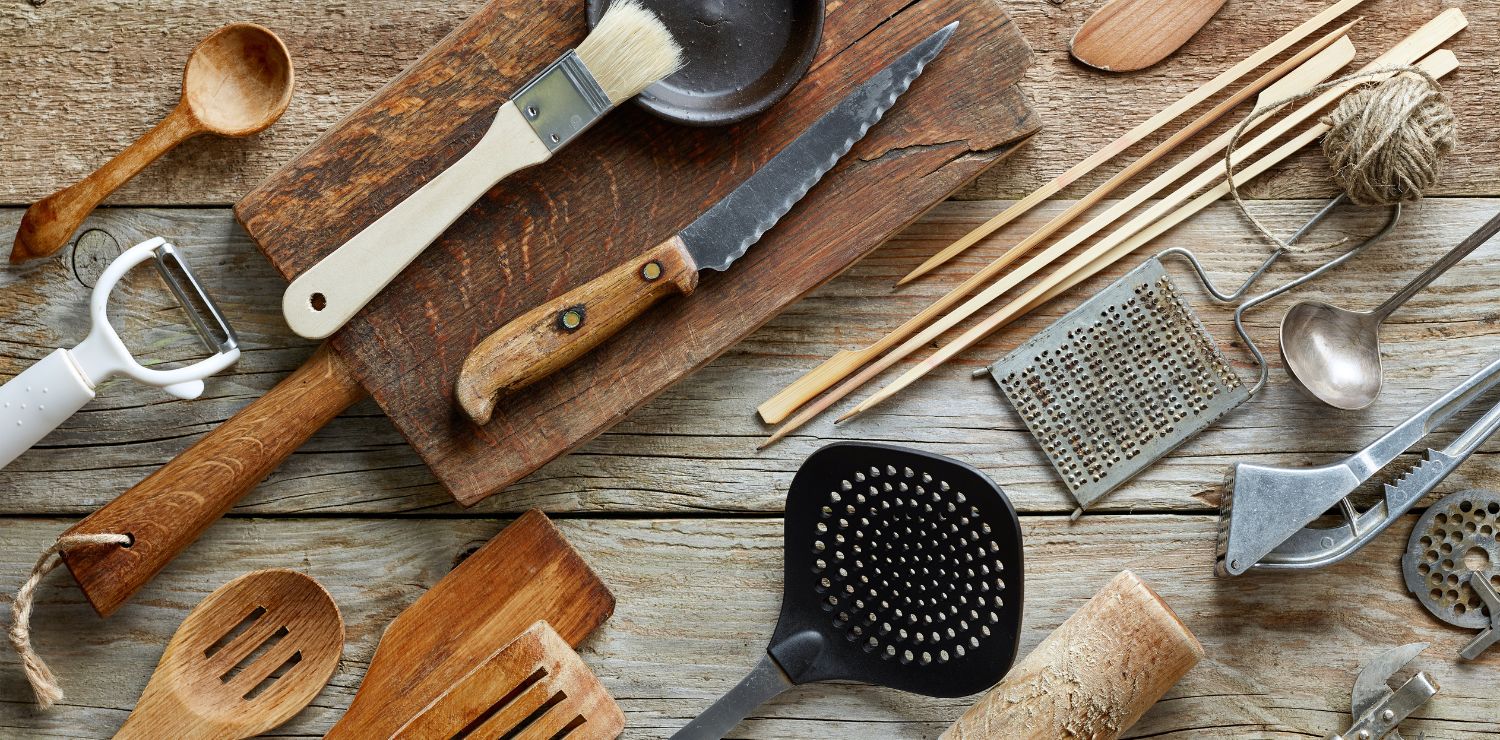
While it’s important to regularly maintain a sharp knife, the investment in a high-quality knife that can hold its edge over time is worth it. A good chef’s knife, when properly cared for, can last for many years, providing consistent performance throughout its lifespan. Knives made from high-carbon stainless steel or Damascus steel, for instance, tend to stay sharper for longer and are less prone to rust and corrosion.
Regular honing, which involves realigning the blade’s edge, and occasional sharpening will keep the knife in top condition. This means chefs don’t have to worry about their knives losing performance during long shifts or frequent use, ensuring they can always rely on their tools.
8. Cultural and Historical Significance of Knives in Cooking
The use of knives in cooking has a deep cultural and historical significance. In many cuisines, the knife is not just a tool but a symbol of craftsmanship and skill. For example, in Japanese cooking, the art of using a knife is taken to an almost spiritual level, with different types of knives designed for specific tasks, such as the Yanagiba for slicing sushi and the Deba for filleting fish. The sharpness and maintenance of these knives are central to the chef’s ability to produce high-quality food.
Similarly, in French cuisine, the emphasis on using sharp knives is integral to the precision and technique involved in classic cooking methods, such as mise en place, where every ingredient is prepared and organized in a precise manner before cooking begins. The sharpness of the knife is key to achieving this level of detail and organization in the kitchen.
9. Caring for Your Knife: Tips and Maintenance
To maintain a sharp knife, chefs must adopt proper care techniques. This includes using a cutting board made from soft materials, such as wood or plastic, to prevent the blade from dulling too quickly. It’s also important to avoid using the knife on hard surfaces, like glass or metal, as this can chip or blunt the edge.
Regular honing is crucial to maintaining the knife’s sharpness. Honing realigns the microscopic teeth on the blade, keeping it sharp for longer periods. Sharpening, on the other hand, removes material from the blade to restore its edge when it has become too dull. It’s recommended to have a professional sharpening done every six months to a year, depending on how frequently the knife is used.
10. Conclusion: The Essential Role of Sharp Knives in the Kitchen
In the fast-paced, high-stakes environment of a professional kitchen, a sharp knife is much more than just a tool; it is a fundamental aspect of a chef’s success. It enhances precision, safety, efficiency, and the overall quality of food, making it an indispensable item in any kitchen. Whether chopping vegetables, filleting fish, or slicing meat, the sharp knife allows chefs to work with confidence, creating dishes that are both visually stunning and delicious.
Ultimately, the knife is a symbol of skill and mastery in the culinary world. By using a sharp knife, chefs honor the ingredients they work with, the art of cooking, and the traditions that have been passed down through generations. As a result, the importance of maintaining a sharp knife cannot be overstated—it is a key to unlocking the full potential of any dish.