



The world of home décor is constantly evolving, with trends shifting from one style to another. Among the many different trends that come and go, some stand out due to their unique qualities and versatility. One such trend that has been making waves in recent years is macrame, an art form that, though centuries old, has experienced a renaissance, particularly in the realm of home decor. But the question arises: Is macrame the new knitting for home décor?
In this article, we will explore macrame’s journey from a craft largely associated with the 1970s to its present-day resurgence. We’ll compare it to knitting, examine the reasons behind its popularity, and analyze how macrame has carved out its place in modern interior design.
The Resurgence of Macrame: A Craft Reborn
Macrame is far from a new concept. In fact, its origins date back to the 13th century, when Arab weavers used knots to create intricate patterns for decorative textiles. However, it wasn’t until the 1970s that macrame gained significant popularity in the Western world, where it was adopted as a DIY craft for creating everything from wall hangings to plant hangers. While the popularity of macrame faded in the decades that followed, the craft has recently seen a dramatic revival.
The resurgence of macrame can be attributed to several factors, including the growing desire for handmade, sustainable products, as well as the increasing interest in boho-chic and rustic aesthetics. In the age of mass production, consumers are looking for unique pieces that reflect their personal style and values, and macrame fits the bill perfectly.
What makes macrame particularly appealing is its versatility. It can be used to create everything from intricate wall art to elegant table runners, throw pillows, and even furniture. This adaptability has helped it gain traction as an essential element in contemporary home décor.
Comparing Macrame and Knitting: The Craft Battle
While both macrame and knitting involve the use of string or yarn, the techniques and final products differ significantly. Here’s a breakdown of how these two crafts compare:
Technique: Knots vs. Stitches
The most fundamental difference between macrame and knitting is the technique used to create the designs. In macrame, intricate patterns are formed through knots, while in knitting, loops of yarn are interwoven to create fabric. The skill and creativity involved in both crafts are undeniably high, but the execution is quite different.
Macrame uses various types of knots, such as square knots, lark’s head knots, and spiral knots, to build patterns. This knotting process can be more time-consuming than knitting, but it also allows for a greater degree of complexity and texture in the designs.
Knitting, on the other hand, tends to produce softer, more flexible fabric that can be used for clothing or blankets. Knitted items often have a looser, more flowing quality due to the way the yarn is woven. While macrame may be more rigid and structured, knitting offers greater elasticity.
Aesthetic: Boho Chic vs. Cozy Comfort
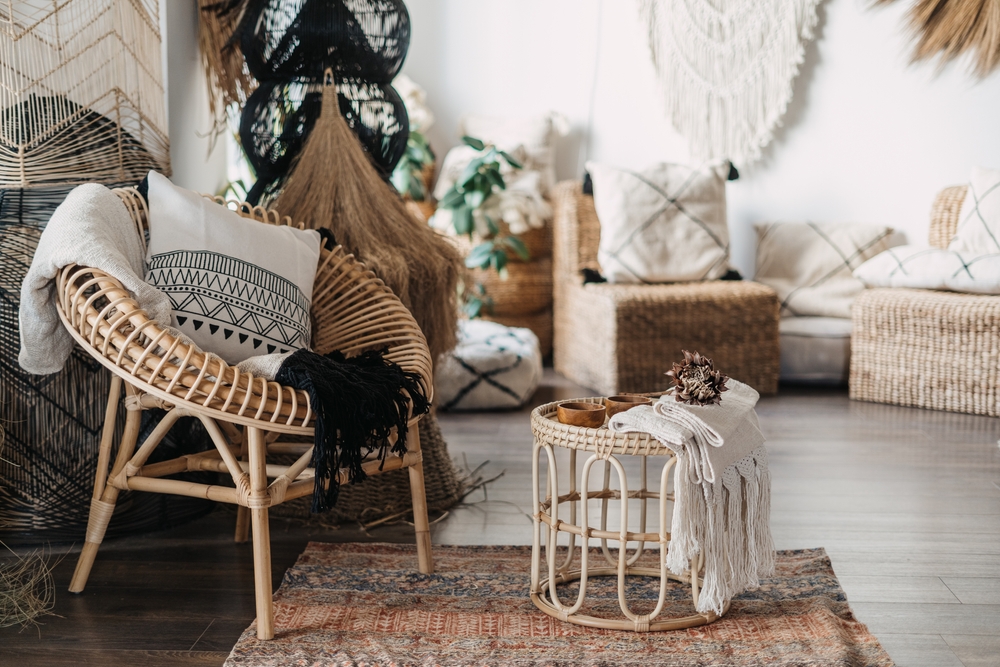
When it comes to the aesthetic qualities of macrame and knitting, both offer a distinct vibe. Macrame is synonymous with bohemian and rustic styles, evoking a sense of artisanal craftsmanship and earthy charm. It’s often associated with minimalistic, yet cozy, home décor, adding a touch of texture to modern or vintage-inspired interiors.
Knitting, on the other hand, is more closely linked with warmth and comfort. Knitted items, like chunky blankets and woolen scarves, have a cozy, inviting feel that’s hard to beat. It’s the craft that brings to mind cozy nights by the fireplace and winter weather. While knitting can certainly be used to create beautiful home décor, its aesthetic leans more toward comfort and softness than the intricate designs of macrame.
The Process: Patience vs. Rhythm
One of the most significant differences between macrame and knitting is the process itself. Knitting requires a steady rhythm, and many knitters find the repetitive nature of the craft to be meditative. The act of creating stitches and building up a piece of fabric can be calming, and knitting has a certain flow to it that many people enjoy.
Macrame, on the other hand, often requires more patience and precision. The process of knotting each piece of string to create a specific pattern can be time-consuming, especially when working on large-scale projects like wall hangings or plant hangers. For those who appreciate the meditative nature of repetitive tasks, macrame can also be calming, but it demands a higher level of attention to detail.
Durability and Functionality
In terms of functionality, knitting tends to produce softer, more flexible items that can be worn or draped. While knitting is perfect for creating textiles that need to stretch or wrap around the body, macrame excels in creating structural, decorative elements that hold their shape.
Macrame’s durability is one of the reasons it works so well for home décor. The knots used in macrame create a sturdy fabric that can be used for things like plant hangers, wall art, or even furniture. Its rigidity makes it ideal for creating statement pieces that won’t lose their shape over time. Knitted items, while still functional, may not have the same structural integrity, especially if they are made from softer materials like cotton or wool.
Why Is Macrame So Popular Today?
So, why is macrame seeing such a surge in popularity right now? The answer lies in several key trends that have emerged over the past decade.
1. The Appeal of Sustainable, Handmade Goods
In an era dominated by fast fashion and mass production, there has been a shift toward more sustainable, handmade goods. People are increasingly valuing craftsmanship and uniqueness in the products they purchase, and macrame fits perfectly into this movement. Handmade macrame pieces often tell a story, and they allow individuals to bring a piece of artistry into their homes.
2. The Rise of Boho Chic and Minimalist Design
The boho-chic aesthetic has been a dominant trend in interior design for several years. This style emphasizes natural materials, earthy tones, and artisanal craftsmanship—all qualities that macrame embodies. Macrame’s intricate patterns and texture add a sense of depth and character to minimalist spaces, creating a sense of warmth and individuality.
At the same time, macrame also appeals to the minimalist trend, which emphasizes simplicity and the beauty of natural materials. Whether it’s a small macrame wall hanging or a large-scale piece, the craft’s ability to blend seamlessly with a variety of interior styles makes it a popular choice among homeowners and designers alike.
3. The DIY Revolution
Another reason macrame has gained so much traction in recent years is the rise of DIY culture. Platforms like Pinterest, Instagram, and YouTube have made it easier than ever for people to learn new skills and create their own décor. Macrame, with its relatively simple techniques, is an accessible craft for beginners, and its popularity as a DIY project has skyrocketed. People enjoy the satisfaction of creating something beautiful with their own hands, and macrame offers the perfect opportunity to do just that.
4. The Versatility of Macrame in Home Décor
Macrame can be used to create a wide range of home décor items, from wall hangings and plant hangers to table runners and even furniture. This versatility makes it an appealing choice for interior designers and homeowners alike. Macrame allows for a high degree of customization, as each piece can be tailored to suit the individual’s taste and the overall style of the space.
From modern, minimalist spaces to bohemian-inspired interiors, macrame can be adapted to fit any design aesthetic. Whether it’s a large statement piece or a smaller, more subtle touch, macrame adds texture, depth, and visual interest to any room.
5. Stress Relief and Mindfulness
In an age where stress and anxiety are at the forefront of many people’s minds, crafts like macrame and knitting provide a much-needed escape. The repetitive, rhythmic motions of knotting or stitching can help to quiet the mind and promote relaxation. Macrame, like knitting, offers a meditative quality that can be a form of mindfulness, providing a creative outlet that allows people to focus on the present moment.
Macrame in Modern Interior Design: Examples and Inspiration
Macrame has become a go-to material for interior designers who want to add a touch of texture and visual interest to a space. Whether it’s an elegant macrame wall hanging, a functional plant hanger, or a statement light fixture, macrame is being used in all kinds of creative ways to enhance home décor.
Here are a few examples of how macrame is being used in modern interiors:
Macrame Wall Hangings
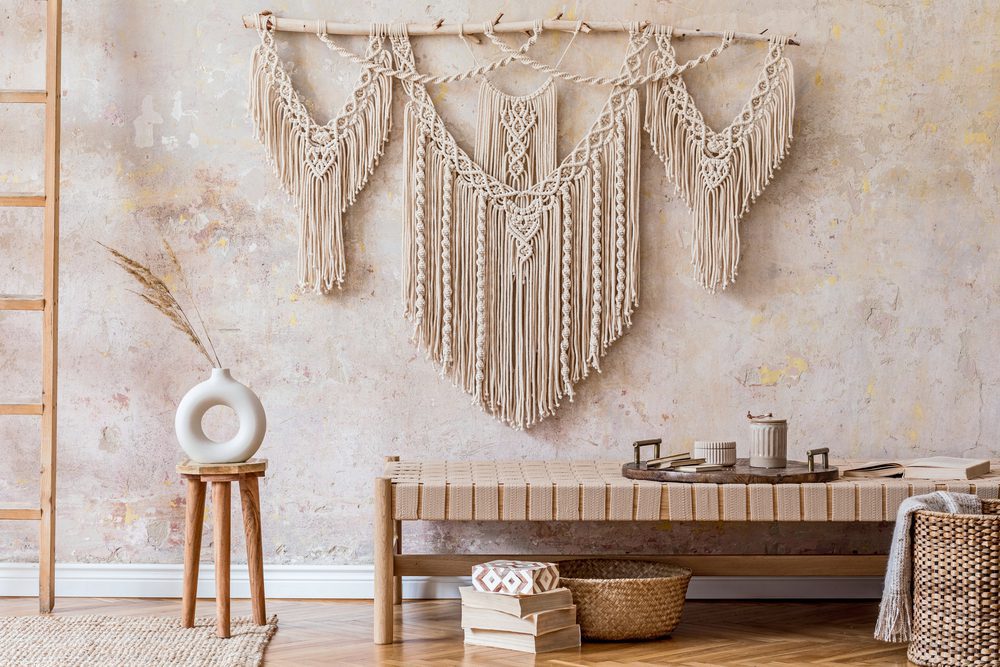
Macrame wall hangings are perhaps the most iconic use of the craft in home décor. These pieces can range from small, intricate designs to large-scale installations that dominate an entire wall. Macrame wall hangings can add texture, color, and personality to any space, making them ideal for living rooms, bedrooms, or even entryways.
Macrame Plant Hangers
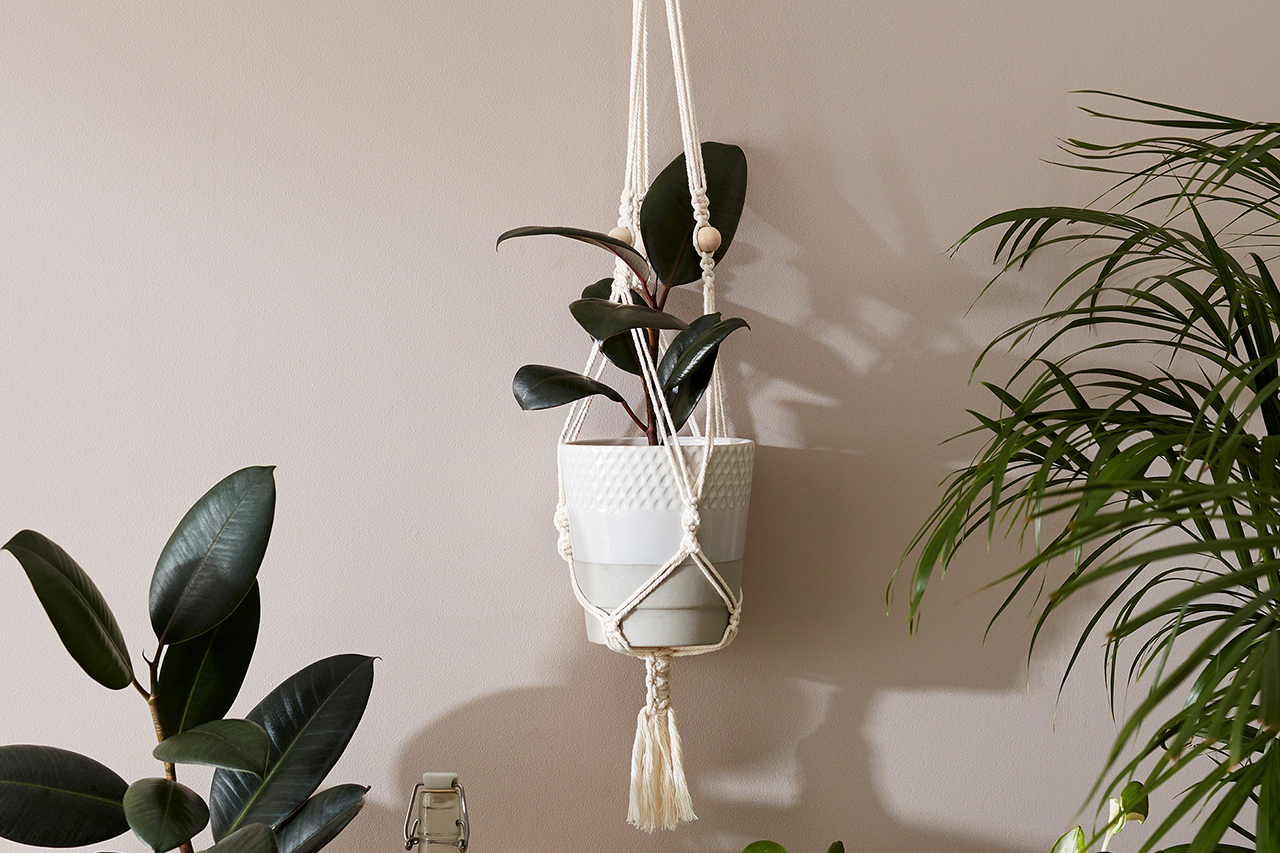
Another popular use for macrame is in the creation of plant hangers. Macrame plant hangers are a great way to display greenery in a stylish and space-saving way. Whether it’s a single plant or a collection of potted plants, macrame hangers provide a chic and eco-friendly solution for showcasing indoor plants.
Macrame Furniture
Macrame is even making its way into furniture design. From macrame chairs and poufs to intricately knotted ottomans, this craft is being used to create unique, functional furniture pieces that add both style and comfort to a space.
Conclusion: A Timeless Craft with Endless Potential
So, is macrame the new knitting for home décor? In many ways, it is. While knitting and macrame are distinct crafts with different techniques, both have found their place in modern home décor. Macrame’s versatility, texture, and artisanal appeal have made it a beloved trend in recent years, and its resurgence shows no signs of slowing down. Whether you’re a seasoned crafter or a DIY novice, macrame offers endless possibilities for enhancing your home and expressing your creativity.
The combination of its ancient origins and modern appeal makes macrame a timeless craft that will continue to evolve and inspire generations to come. So, the next time you’re looking to add a touch of texture and charm to your space, consider reaching for some cord and trying your hand at macrame—it might just be the perfect DIY project to elevate your home décor.