



In the vast world of home decoration, creativity is the ultimate currency. While many people rely on expensive furniture, handcrafted ceramics, or intricate textiles, a growing number of design enthusiasts are turning to something far more accessible: paper and cardboard. At first glance, it may seem improbable—how could something as humble as paper or cardboard transform a living space into an inspiring, cozy, or even elegant environment? Yet, with the right techniques, imagination, and a bit of patience, paper and cardboard can be more than just crafting materials—they can become the backbone of unique, eco-friendly, and surprisingly sophisticated home decor.
In this article, we will explore the endless possibilities of using paper and cardboard for home decor. From practical furniture and wall art to whimsical accents and storage solutions, you’ll see that your home’s potential is only limited by your creativity. We will cover materials, techniques, safety considerations, aesthetic principles, and tips for achieving professional results.
Why Paper and Cardboard?
Before diving into ideas and techniques, it’s important to understand why paper and cardboard deserve a place in the world of home decor.
- Sustainability: In an era of environmental consciousness, repurposing paper and cardboard contributes to reducing waste. Many designers and DIY enthusiasts choose these materials to craft eco-friendly decor without compromising on style.
- Affordability: Unlike traditional home furnishings, paper and cardboard are inexpensive and widely available. This makes experimenting with design accessible to almost everyone.
- Lightweight and Versatile: Paper and cardboard are lightweight, easy to cut, fold, shape, and layer. They can be molded into 3D forms, layered for structural strength, or even combined with other materials like fabric, paint, or varnish to enhance durability.
- Creative Freedom: The malleability of these materials allows for bold experimentation. From geometric sculptures to intricate wall panels, the possibilities are virtually limitless.
- Customizability: You can match colors, patterns, and textures to any interior style, whether modern, rustic, minimalist, or eclectic. Paper and cardboard respond beautifully to paints, inks, and even metallic foils.
Materials and Tools
To create professional-looking home decor from paper and cardboard, having the right materials and tools is essential. Here’s a concise guide:
Materials:
- Cardboard sheets (single-ply or double-ply, depending on strength needed)
- Craft paper (colored, textured, patterned)
- Kraft paper or recycled brown paper
- Corrugated cardboard for structural projects
- Paper mache pulp for sculptural designs
- Adhesives: PVA glue, hot glue, double-sided tape
- Paints: acrylic, watercolor, or spray paints
- Finishing: varnish, mod podge, or clear sealant for durability
Tools:
- Cutting tools: utility knife, craft knife, scissors
- Ruler and measuring tape
- Pencil and markers
- Bone folder or scoring tool for folding
- Brushes, sponges, and rollers for paint
- Clamps or weights for holding pieces while drying
The key is balancing precision with creativity. While rough, spontaneous cuts can produce a rustic charm, accuracy is necessary for furniture, shelving, or wall installations.
Paper and Cardboard Furniture: A Practical Possibility
One of the most surprising applications of paper and cardboard in home decor is furniture creation. With the right techniques, cardboard can be transformed into pieces that are not only visually appealing but also structurally functional.
1. Cardboard Shelves and Storage Units
Cardboard shelves rely on layered construction and clever folding techniques. By stacking multiple sheets and reinforcing edges, you can create units capable of supporting light to medium weights.
Techniques:
- Layering: Glue multiple sheets together, aligning edges perfectly, to increase thickness.
- Honeycomb Panels: Cut and assemble cardboard into a honeycomb grid for exceptional strength.
- Edge Folding: Fold edges inward to form structural frames, reducing sagging under weight.
These shelves are perfect for displaying decorative objects, storing books, or organizing craft materials. With paint, wallpaper, or paper overlays, they can blend seamlessly with any interior theme.
2. Tables and Desks
While cardboard may not replace solid wood for heavy-duty tables, small desks, coffee tables, and side tables are well within its scope. Triangular and accordion structures can enhance stability. Paper mache coatings or varnished layers provide additional durability and a smooth surface for writing or placing items.

3. Seating Solutions
Creating chairs or stools from cardboard requires a focus on geometry and load distribution. Designs often employ interlocking slats or folded triangular supports. Surprisingly, such seating can support adult weight if constructed thoughtfully. Adding cushions or padded paper layers increases comfort while maintaining the artistic flair.
Wall Decor: Transforming Flat Surfaces
One of the most impactful ways to use paper and cardboard is for wall decor. Walls are vast, often underutilized canvases, and paper-based designs allow you to explore patterns, textures, and 3D effects without committing to permanent changes.
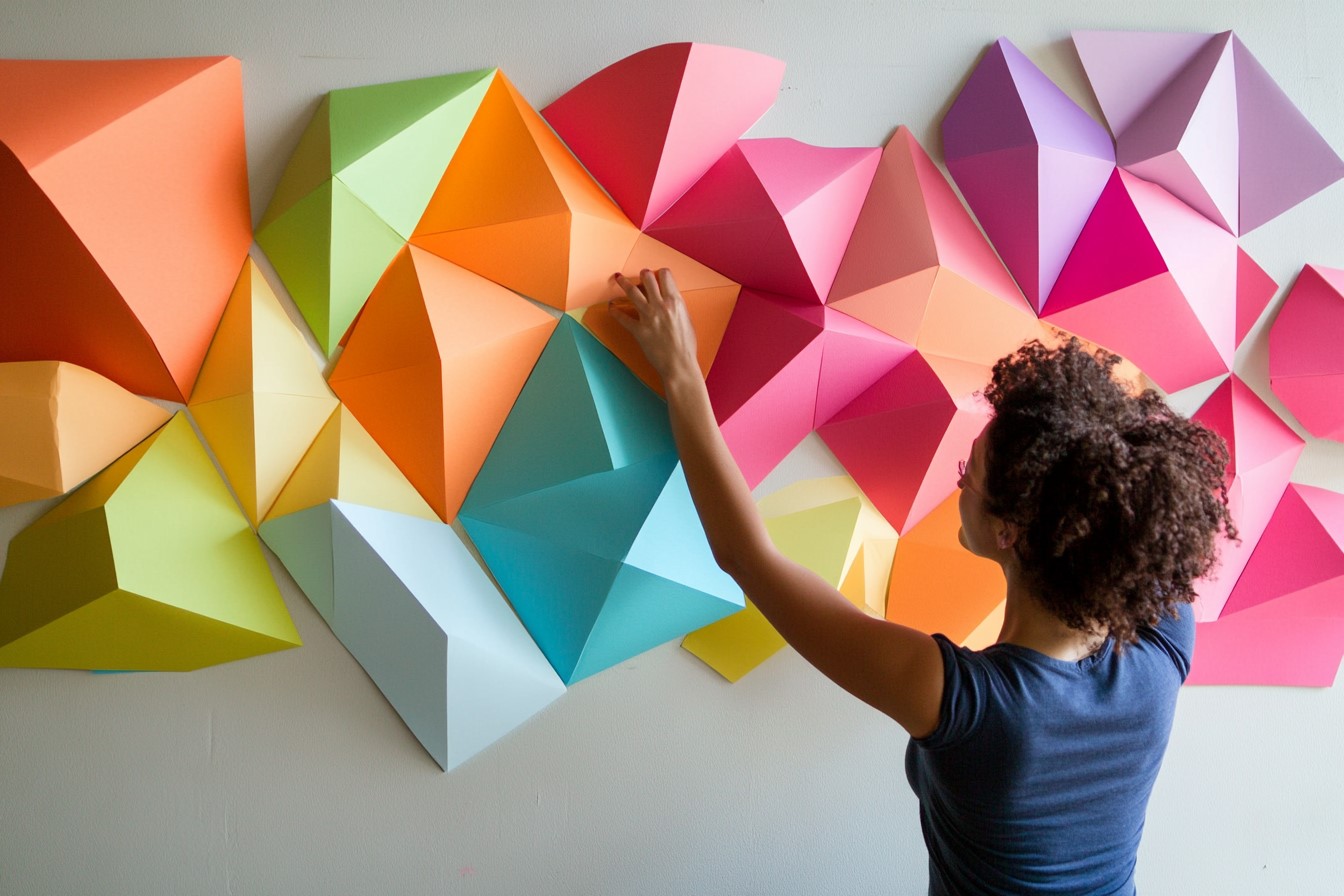
1. Paper Wall Panels
Create visually striking panels by layering or folding paper into geometric shapes. Popular approaches include:
- Origami-inspired designs: Triangles, hexagons, and stars add depth and visual interest.
- Layered silhouettes: Cut shapes and stack them to produce a shadow effect.
- Textured wallpaper: Glue torn or crumpled paper in patterns to simulate a tactile surface.
These panels can serve as feature walls, headboards, or room dividers, instantly transforming the ambiance.
2. Cardboard 3D Art
Cardboard can be sculpted into three-dimensional wall art. Examples include:
- Animal heads or masks
- Geometric art sculptures
- Abstract forms resembling natural elements like leaves or waves
Such designs provide a playful, gallery-like aesthetic. They also encourage experimentation with lighting, as shadows cast by raised surfaces add dynamic visual effects.
3. Framing and Shadow Boxes
Paper and cardboard make excellent custom frames or shadow boxes for photos, prints, or small memorabilia. The material can be painted, embossed, or decorated with layered paper for an artistic finish. These frames often appear more personal and artisanal compared to store-bought options.
Lighting and Lamps: Illuminating Creativity
Lighting is another area where paper and cardboard shine—literally. With careful design, these materials can diffuse light and produce warm, artistic atmospheres.
1. Paper Lampshades
Paper lampshades offer endless customization:
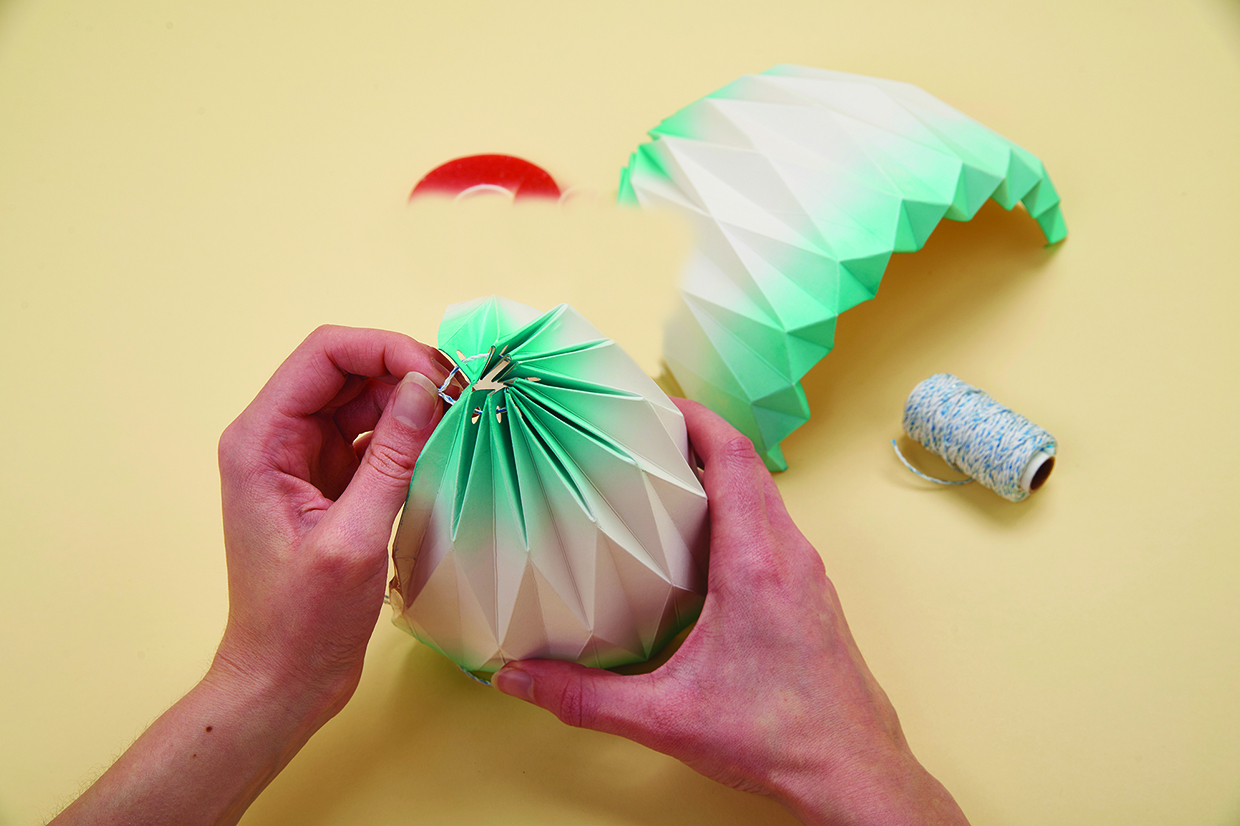
- Origami folds produce geometric patterns
- Laser-cut designs project intricate shadows
- Layered colored paper creates a stained-glass effect
Safety is key. Using LED bulbs reduces heat and minimizes fire risk. Paper lampshades can be used for table lamps, ceiling lights, or pendant lights.
2. Cardboard Lamp Bases
Cardboard structures can also support lamps. Reinforced cylinders, folded bases, or honeycomb panels can provide stable platforms for lighting fixtures. Coating the cardboard with sealant ensures durability and prevents warping.
Storage and Organization
Organizational solutions are both practical and aesthetic. Cardboard and paper allow for bespoke storage tailored to your exact needs.
1. Drawer Organizers and Boxes
From desk organizers to closet dividers, cardboard boxes can be customized to fit your space. You can:
- Cover boxes with decorative paper
- Add handles or labels
- Stack modular units to optimize space
2. Hanging Storage
Paper-based pockets or folded wall organizers can hold mail, accessories, or craft supplies. Lightweight yet functional, these solutions add charm without consuming floor space.
Decorative Accents: Small Details, Big Impact
Even small objects can elevate a room. Paper and cardboard allow you to craft unique accents at minimal cost.
1. Sculptures and Figurines
Miniature sculptures, abstract figurines, or paper mache animals add personality to shelves, mantels, or tables. You can experiment with shapes, textures, and colors that match or contrast with your interior.
2. Seasonal Decor
Paper excels in creating seasonal decorations:
- Paper flowers for spring
- Origami pumpkins for fall
- Cardboard snowflakes for winter
- Handmade paper garlands for holidays
These accents are temporary, affordable, and reusable—perfect for eco-conscious homeowners.
3. Vases and Planters
While paper alone cannot hold water, cardboard vases or containers can hold potted plants. Coating them with wax, resin, or waterproof sealants allows safe use while maintaining an organic, hand-crafted look.
Techniques for Durability
Paper and cardboard are inherently fragile. To make decor last longer:
- Layering: Multiple sheets glued together significantly enhance strength.
- Reinforcing with frames: Thin wooden sticks, skewers, or internal cardboard braces prevent collapse.
- Sealing: Apply varnish, mod podge, or resin to protect surfaces from moisture and wear.
- Avoiding excess weight: Cardboard furniture is ideal for lightweight objects, decorations, or temporary use.
- Controlled environment: Keep away from excessive humidity or water to prevent warping.
Style and Aesthetic Considerations
Creating stylish home decor with paper and cardboard requires attention to design principles:
- Consistency: Stick to a color palette or pattern theme to avoid visual clutter.
- Balance: Mix flat surfaces with 3D elements for depth.
- Texture: Crumpled, folded, or embossed paper adds tactile richness.
- Scale: Large-scale installations make a statement, while small details create subtle charm.
- Integration: Match materials and finishes with existing furniture and color schemes.
Challenges and Solutions
Working with paper and cardboard isn’t without challenges:
- Fragility: Overcome by layering and sealing.
- Weight limits: Focus on decor and small furniture; reinforce if needed.
- Moisture sensitivity: Use protective coatings or avoid damp areas.
- Time investment: Intricate designs can be time-consuming but offer unique, personalized results.
Patience and careful planning transform these challenges into opportunities for innovation and creativity.
The Psychological and Artistic Value
Creating home decor from paper and cardboard isn’t just economical or eco-friendly—it’s profoundly rewarding:
- Mindfulness and relaxation: Crafting reduces stress and fosters concentration.
- Personalization: Handmade pieces reflect your tastes, ideas, and stories.
- Conversation starters: Unique designs spark curiosity and admiration from guests.
- Sustainability statement: Choosing these materials demonstrates environmental consciousness.
Case Studies: Inspiring Examples
- Geometric Wall Sculptures: Designers use triangular cardboard modules painted in gradient colors to create 3D wall art that becomes the room’s focal point.
- Origami Chandeliers: Carefully folded paper units combined with LED lights transform ceilings into luminous, sculptural installations.
- Honeycomb Shelving Units: Lightweight cardboard honeycombs serve as modular shelves in children’s rooms, blending functionality with playfulness.
- Paper Mache Planters: Handmade containers protect potted plants while adding an artistic, tactile charm to window sills.
Each example illustrates that paper and cardboard can be versatile, functional, and aesthetically compelling.
Final Thoughts
So, is it possible to create home decor with paper and cardboard only? Absolutely. With creativity, the right techniques, and thoughtful design, these humble materials can transcend their ordinary reputation and become essential elements of stylish, eco-friendly, and inspiring interiors. From furniture to wall art, lighting, storage, and decorative accents, paper and cardboard offer endless possibilities. They challenge conventional notions of durability and luxury, demonstrating that beauty, utility, and sustainability can coexist—even in the most unexpected forms.
Ultimately, the journey of creating with paper and cardboard is a testament to imagination and innovation. Every fold, cut, and layer is an opportunity to make your living space truly yours, unique, and delightfully handcrafted.