



Creating a wall hanging from natural materials is an incredibly fulfilling and environmentally conscious way to decorate your space. From bohemian-inspired creations to minimalist Scandinavian designs, there is an infinite range of possibilities when it comes to using elements found in nature to craft a unique piece for your home. The beauty of natural materials lies not only in their organic textures and earthy tones but also in the sustainable practice of repurposing raw materials that are abundant and often overlooked.
This guide will take you through the process of crafting a stunning wall hanging from natural materials, step by step. We will explore different materials, techniques, and creative ideas, all while highlighting the beauty and versatility of nature’s offerings. Whether you are an experienced craftsperson or a beginner, this project is accessible to anyone interested in the art of handmade décor.
Why Choose Natural Materials?
Before diving into the crafting process, let’s first explore why natural materials make such an appealing choice for home décor.
1. Sustainability
Using natural materials reduces the need for synthetic or mass-produced items, which often involve harmful chemicals and energy-intensive manufacturing processes. By repurposing or harvesting natural elements, you’re contributing to a greener, more sustainable future.
2. Aesthetic Appeal
Natural materials like wood, stone, cotton, jute, and leaves possess inherent beauty. Their textures, colors, and patterns bring warmth and authenticity to any space. Natural fibers have an organic feel that synthetic materials can’t replicate, offering a sense of tranquility and connection to the outdoors.
3. Craftsmanship
Crafting with natural materials often involves more mindful, hands-on work. The process encourages creativity and skill, which can be deeply rewarding. Each handmade piece tells a story, showcasing your craftsmanship and personal touch.
Materials You Can Use
There is no shortage of materials you can use to create a natural wall hanging. Below are some of the most popular choices, each offering its own texture, color, and character.
1. Wood
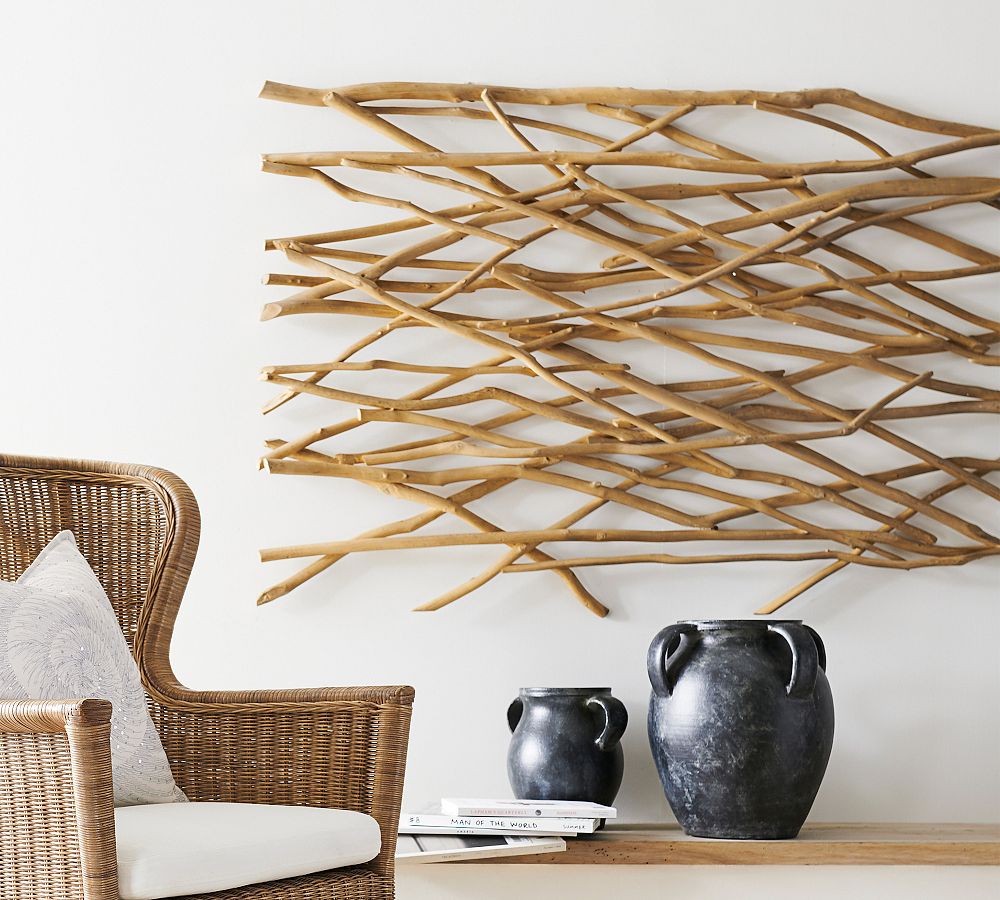
Wood is an incredibly versatile and sturdy material. You can use branches, driftwood, or wooden dowels as the base for your wall hanging. For added texture and depth, you can attach smaller wood pieces like slices or twigs. Driftwood, in particular, gives a rustic, coastal vibe and often comes in interesting shapes and weathered finishes.
2. Cotton Cord or Twine
Cotton cord is a popular choice for macramé wall hangings and is widely used in the boho and minimalist décor styles. It’s soft, easy to work with, and available in a range of thicknesses. Twine, often made from jute or hemp, adds a more rustic and earthy feel. Both options are eco-friendly, biodegradable, and give your wall hanging a handmade, textured look.
3. Feathers
Feathers add a unique, light, and airy element to any design. They can be used sparingly for an elegant, delicate touch or in abundance for a boho-style piece. You can find feathers in various colors, shapes, and sizes, from soft white feathers to vibrant, iridescent ones. Native cultures worldwide have used feathers in their art, symbolizing freedom, spirituality, and connection to nature.
4. Dried Flowers and Leaves
Dried flowers and leaves can create a natural, organic aesthetic when incorporated into a wall hanging. These materials bring texture and color to the piece, while also carrying a certain sense of nostalgia. Lavender, eucalyptus, pampas grass, and wheat are popular choices. To preserve their appearance, you can dry them yourself by hanging them upside down or purchasing pre-dried botanicals from craft stores.

5. Stones and Pebbles
Incorporating stones or pebbles into your wall hanging gives the piece a grounded, earthy quality. You can create a design by arranging stones in a specific pattern, or hang them individually on strings to create a cascading effect. Stone elements can also be used in combination with wood or leather, adding weight and balance to the overall structure.
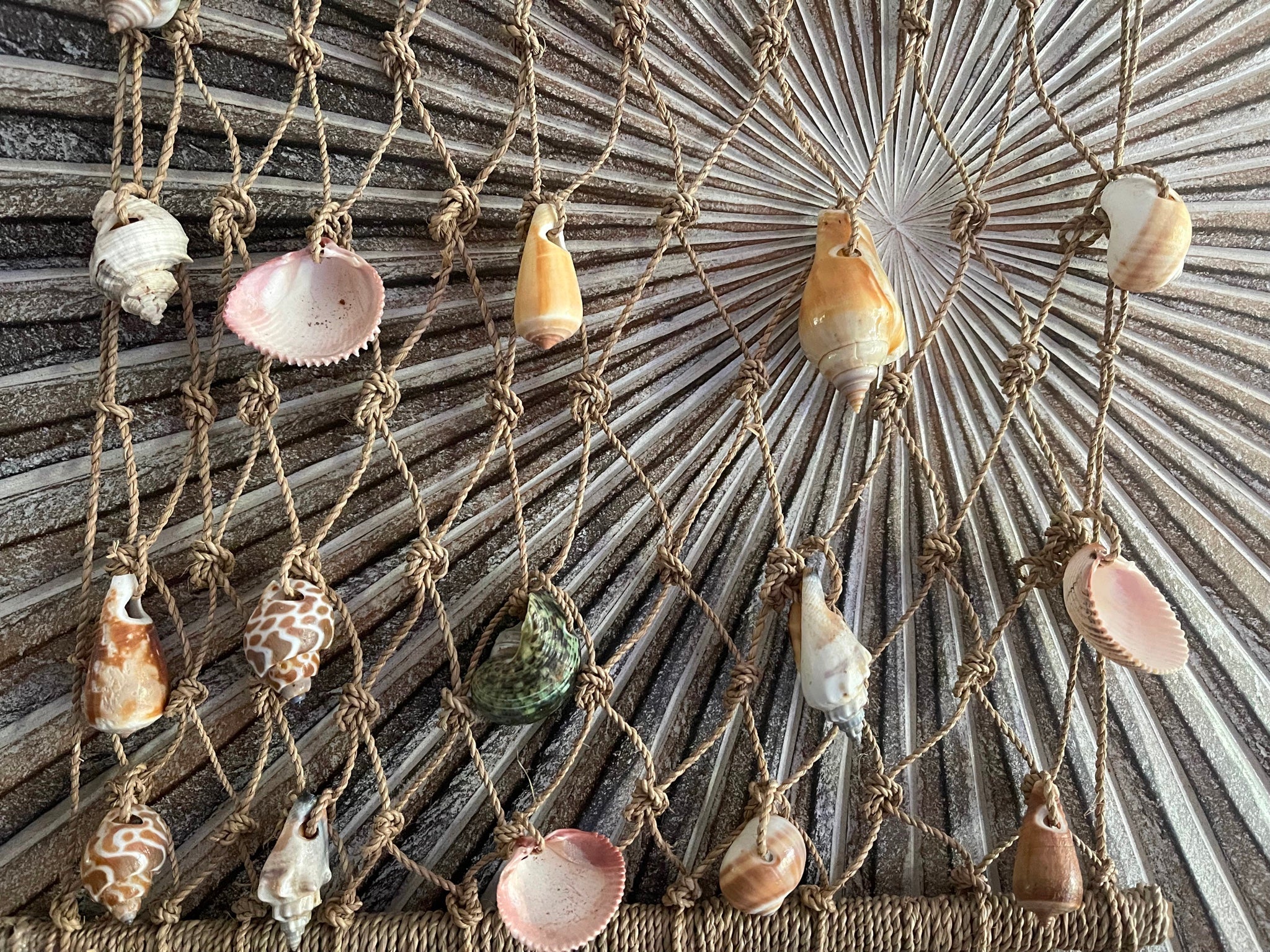
6. Shells
Shells, like feathers, bring a coastal or tropical vibe to your home. Whether you collect them from the beach or purchase them, they can be used to create a soft, calming display. You can string them together, create patterns, or attach them to a frame for a more structured piece. The reflective surfaces of shells can also add a touch of shimmer and elegance.
7. Bamboo
Bamboo is a fast-growing, sustainable material with a fresh, clean look. It’s particularly suited to minimalist or zen-inspired designs, offering clean lines and a natural, airy feel. You can use bamboo poles or thin strips to create geometric patterns, vertical hangings, or even integrate them with other materials like cotton cord or feathers.
Tools and Supplies You’ll Need
Before you start crafting your wall hanging, gather your materials and tools. Here’s a list of essential items you’ll need for the project:
- Scissors: For cutting cords, strings, and fabrics.
- Hot Glue Gun: Perfect for attaching smaller items like stones, shells, or dried flowers.
- Needle and Thread: Useful for sewing fabrics, attaching smaller elements, or creating woven patterns.
- Wooden Dowels or Driftwood: A sturdy base for your wall hanging.
- Twine, Rope, or Cotton Cord: These will form the bulk of your design.
- Feathers, Dried Flowers, Stones, Shells, or Beads: Decorative elements to enhance your piece.
- Drill or Hammer and Nails: If you need to secure anything onto a wooden base.
- Leather Strips or Cords: For adding an earthy, rugged texture.
Step-by-Step Guide to Crafting Your Wall Hanging
Now that you have your materials and tools ready, let’s go through the steps to create a beautiful and unique wall hanging from natural materials.
Step 1: Choose Your Design and Materials
The first step is to decide on the overall look and feel of your wall hanging. Do you want something minimalist or intricate? Light and airy or bold and rustic? Once you have an idea, select the materials that best fit your vision. For example, if you’re aiming for a coastal look, you might focus on driftwood, shells, and cotton cord. If you prefer a more earthy, rustic design, you may want to incorporate jute twine, dried flowers, and bamboo.
Step 2: Prepare Your Base
If you’re using wood as your base, like a wooden dowel or driftwood branch, begin by preparing it. Sand it down if necessary to smooth out rough edges, or leave it weathered for a more rustic appearance. You can also paint the wood if you want to add a pop of color. Make sure the base is secure and ready to hold the weight of your materials.
Step 3: Cut Your Cords
If you’re using cotton cord, jute, or any other type of string or twine, cut it to the desired lengths. For a macramé-style design, you will need multiple cords, each long enough to hang from the base. If you’re planning to create a woven design, consider how long each strand will need to be to achieve the right pattern.
Step 4: Attach Your Materials
Now comes the fun part—attaching your materials to the base! For a macramé piece, tie your cords to the base using various knotting techniques (such as square knots, larkshead knots, or spiral knots). If you’re simply hanging items like shells, feathers, or dried flowers, use a hot glue gun or needle and thread to attach them securely to the cords.
Consider the arrangement of your materials—do you want a symmetrical design or a more asymmetrical, free-flowing arrangement? Play with layering and positioning until you’re happy with the placement.
Step 5: Add Details and Embellishments
This is where you can get creative! Add small decorative elements like beads, stones, or small charms to the cords or as accents between the larger elements. You could also weave in small pieces of fabric for added texture or color. The more personalized your design, the more unique and special it will be.
Step 6: Finish and Hang
Once your wall hanging is complete, give it a once-over to make sure everything is securely fastened. Trim any loose cords or uneven lengths to ensure a clean, polished look. Then, use a hammer and nails or a wall hook to hang your piece in the desired spot. Be sure to check that the piece is balanced and securely fastened to avoid any accidents.
Creative Ideas for Wall Hanging Designs
If you’re looking for inspiration, here are a few ideas to spark your creativity:
1. Bohemian Macramé
Incorporate intricate knotting techniques with cotton cord or twine to create a boho-inspired wall hanging. Add feathers, beads, and colorful threads to give it a carefree, artsy feel. You can even integrate small sections of fabric or use plant fibers to bring in more texture.
2. Rustic Driftwood with Dried Flowers
A driftwood base paired with delicate dried flowers like lavender or pampas grass offers a rustic, natural look. Attach the flowers to the driftwood using twine or cotton cord, letting them drape down organically. This is perfect for a country-inspired home or a rustic cabin.
3. Stone Cascade
Create a cascading effect by attaching small pebbles or stones to strings, allowing them to fall in layers. This design evokes a sense of calm and connection to nature, perfect for a zen-inspired room or a minimalist space.
4. Geometric Bamboo
Bamboo can be used to create geometric, minimalist patterns for a modern aesthetic. Hang the bamboo strips vertically or horizontally, using natural cords to tie them together. This design works well in contemporary spaces where simplicity and clean lines are key.
5. Tropical Shells and Feathers
For a more tropical or coastal vibe, consider a design that incorporates shells, feathers, and pieces of driftwood. Arrange them in a symmetrical or asymmetrical pattern, and mix different textures for added interest. This design will bring a sense of calm and vacation-like ambiance to your home.
Conclusion
Crafting a wall hanging from natural materials is a rewarding and creative endeavor that allows you to connect with nature while enhancing the beauty of your living space. The process involves both mindfulness and craftsmanship, resulting in a piece of décor that is not only aesthetically pleasing but also a reflection of your personality and values. Whether you choose wood, cotton cord, feathers, or stones, the options are limitless. So, gather your materials, get inspired, and begin creating a unique wall hanging that brings nature’s beauty into your home.