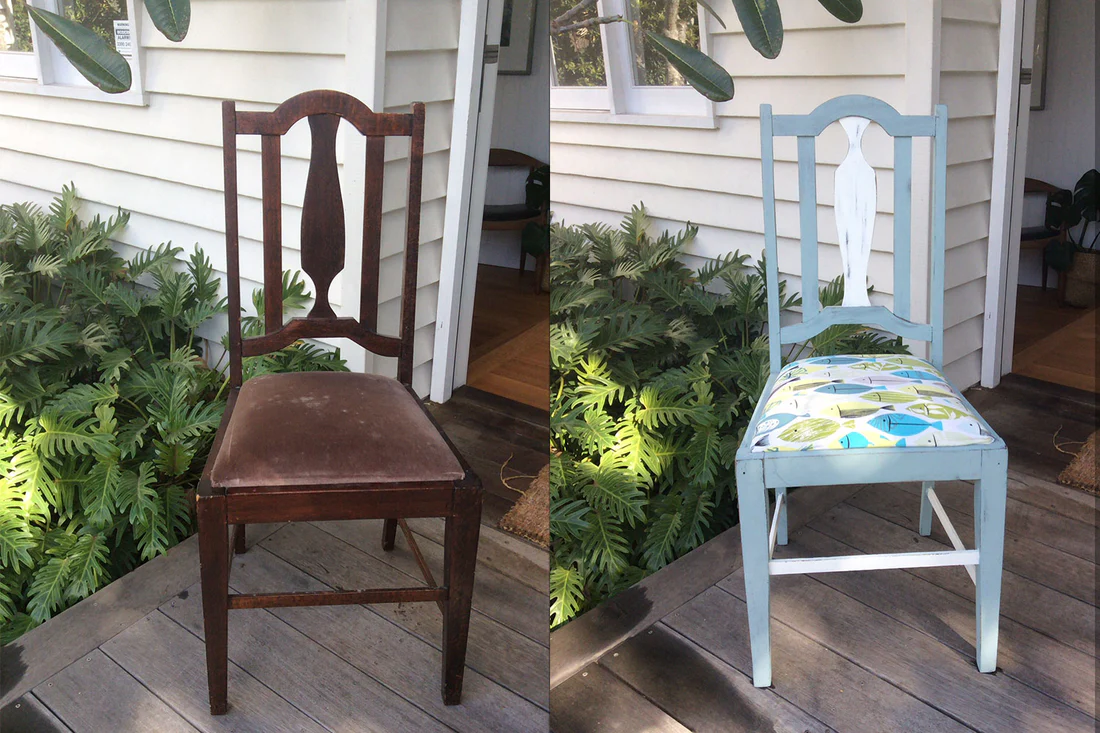




Upcycling old furniture has grown from a niche hobby into a celebrated form of creative expression, environmental activism, and personal fulfillment. In a world increasingly focused on sustainability, repurposing a tired, worn-out chair or a weathered dresser is no longer just a way to save money—it is a statement about values, aesthetics, and ingenuity. But why exactly does upcycling evoke such deep satisfaction, and why are so many people drawn to this seemingly simple practice?
In this comprehensive exploration, we will delve into the multifaceted reasons behind the joy and reward of furniture upcycling, from environmental impact and creative freedom to psychological benefits and the tactile satisfaction of working with your hands. By the end of this article, you will see why transforming the old into the new is not only practical but profoundly fulfilling.
1. Environmental Satisfaction: Saving More Than Just Money
At its core, upcycling is a powerful act of environmental stewardship. Every piece of furniture that is salvaged from a landfill prevents further waste and reduces the demand for new resources. Consider this: manufacturing a single wooden chair requires raw timber, energy for processing, transportation, and chemicals for finishes. By refurbishing an existing chair, you eliminate nearly all of these environmental costs.
This sense of contributing to the planet offers a unique type of satisfaction. Unlike passive acts like recycling, which are often abstract and removed from the individual’s immediate perception, upcycling is hands-on. You see the tangible transformation: a dusty, forgotten dresser becomes a statement piece, and that piece of furniture now has a prolonged life and purpose. The knowledge that you are actively reducing waste while enhancing beauty creates a powerful emotional reward loop.
2. Creative Expression: Turning Old into Art
Furniture upcycling is, in many ways, a canvas for creativity. Unlike painting on paper or digital art, you are reshaping an object that has history and character. Each scratch, dent, or faded spot tells a story, and your intervention adds a new chapter.
The creative possibilities are virtually limitless. You can strip a chair down to its raw wood, add vibrant paint patterns, stencil intricate designs, or combine multiple pieces into a hybrid creation. For those who thrive on innovation, upcycling provides a rare opportunity to blend design thinking, craftsmanship, and personal aesthetics.
Moreover, because furniture often occupies a functional space in our lives, the creative process has a dual purpose: aesthetic pleasure and utility. This dual impact amplifies the sense of reward. Unlike art that might hang on a wall, upcycled furniture is interactive. Every time you use or admire it, the satisfaction resurfaces.
3. Psychological Benefits: Mindfulness and Personal Growth
Beyond environmental and aesthetic rewards, upcycling has profound psychological benefits. The act of restoring or repurposing furniture requires focus, patience, and deliberate action—qualities closely associated with mindfulness. Engaging with wood, metal, and fabric can be meditative, providing an escape from digital distractions and mental clutter.
The process also nurtures problem-solving skills. How do you fix a wobbly leg? Can this drawer be converted into a shelf? What finishes complement the wood grain? Each decision reinforces confidence and creative thinking. Completing a project triggers a tangible sense of accomplishment. Unlike abstract goals, furniture restoration has a visible, functional outcome—a finished piece that embodies your effort, ingenuity, and taste.
4. Economic Advantages: Reward Without Overspending
While environmental and psychological benefits are often emphasized, upcycling also makes practical economic sense. Purchasing new furniture can be expensive, especially pieces with unique designs or quality materials. Refurbishing second-hand or discarded furniture allows you to obtain high-quality items at a fraction of the cost.
:strip_icc()/stylemaker-secret-white-den-b21ab396-d2636ff8d24449a99561054dc983475b.jpg)
Moreover, skillful upcycling can even become a source of income. Many people sell their transformed pieces online or at local craft fairs, turning a hobby into a micro-business. The satisfaction here is twofold: you not only save money but can also generate revenue while expressing creativity.
5. Historical and Emotional Connections
Old furniture often carries history—sometimes personal, sometimes cultural. An inherited dresser, a chair found at a flea market, or a salvaged barn table can connect you to the past in a deeply tangible way. Upcycling these pieces preserves their stories while giving them renewed relevance in modern life.
Emotional attachment enhances the rewarding feeling. You are not merely restoring furniture; you are honoring its history and forging a new identity for it. This intertwining of past and present creates a sense of continuity and legacy, rarely achieved through mass-produced items.
6. Hands-On Satisfaction: The Joy of Craftsmanship
In today’s digital world, physical, tactile experiences are increasingly rare. Sanding wood, hammering joints, or applying varnish provides a direct, sensory interaction with materials. This hands-on engagement is deeply satisfying in itself.
Working with furniture requires a combination of technical skill and intuition. The tactile knowledge you gain—how wood responds to sanding, how paint adheres, how joints can be reinforced—contributes to a sense of mastery. There’s a visceral joy in knowing that your own hands created something lasting and beautiful, something that will endure and be appreciated daily.
7. Social and Community Engagement
Upcycling often brings people together. Workshops, DIY meetups, online forums, and community markets create spaces for sharing skills, advice, and inspiration. The social dimension of upcycling extends the sense of reward: you are part of a larger movement toward sustainability, creativity, and resourcefulness.
Sharing your completed projects online or in person invites recognition and admiration, reinforcing motivation. Furthermore, teaching someone else the skills you’ve developed adds a mentorship dimension, amplifying the psychological and social rewards.
8. Environmental Design and Personal Space Transformation
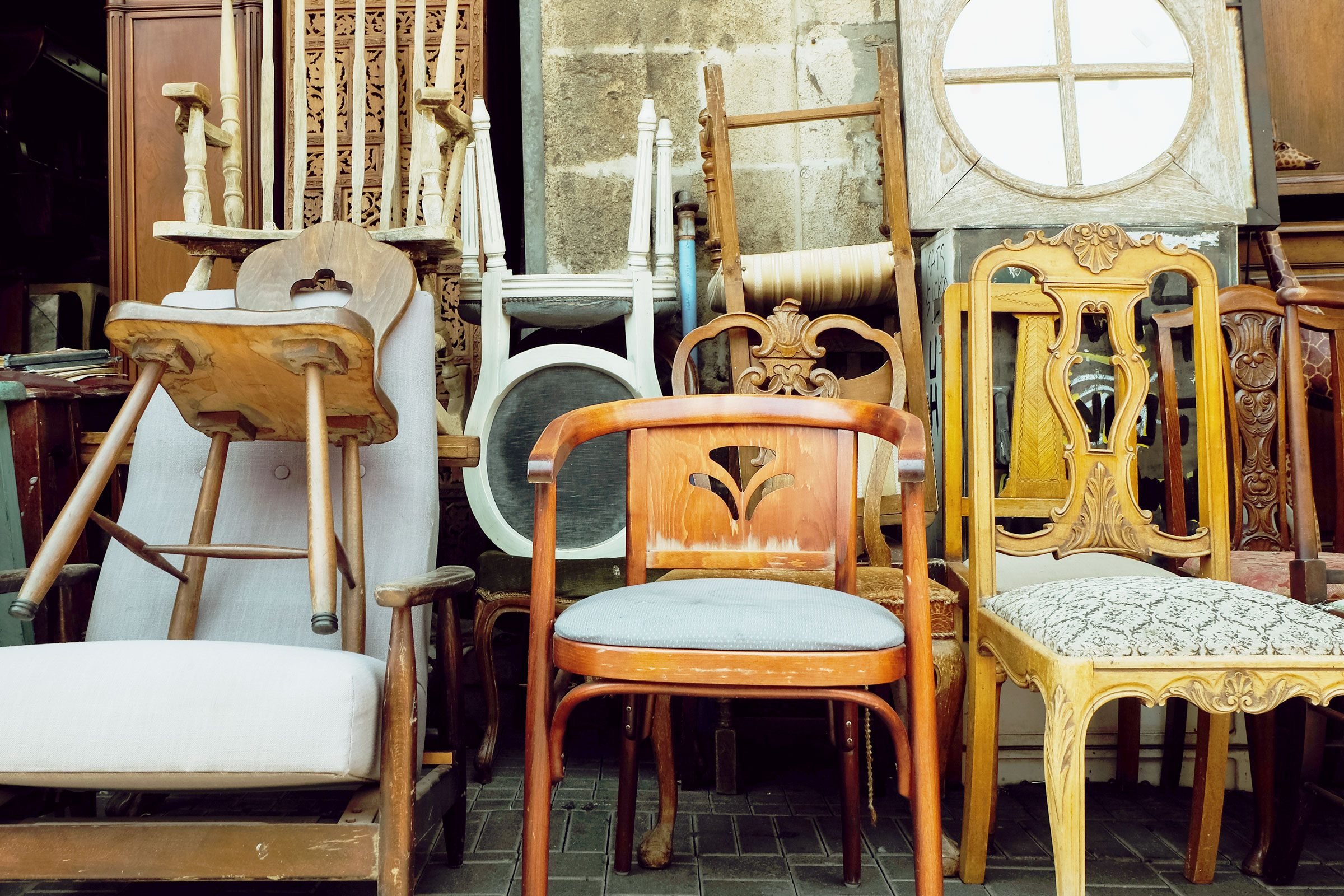
The spaces we inhabit profoundly affect our moods and productivity. By upcycling furniture, you not only save the environment but also shape your living space in a personalized, meaningful way. Customized furniture can transform a room into a reflection of your identity and values.
Unlike store-bought items, which may feel impersonal or generic, upcycled pieces bring personality, character, and uniqueness. This personalization fosters a sense of ownership and pride, making your home not just a functional space but a curated environment that inspires comfort and creativity.
9. Long-Term Value: Durability and Legacy
Upcycled furniture often emphasizes quality over quantity. Many discarded items are built to last with durable materials that mass-produced furniture cannot match. By restoring and improving these pieces, you extend their life for decades.
The sense of long-term value enhances the rewarding nature of upcycling. Each piece you transform becomes an heirloom in its own right, potentially carrying forward to the next generation. In contrast to disposable furniture, upcycled items embody longevity, sustainability, and meaningful investment.
10. The Joy of Problem-Solving and Innovation
Every upcycling project presents challenges. You might encounter broken joints, warped surfaces, missing hardware, or paint that refuses to adhere. These challenges ignite innovation.
Solving these problems requires technical knowledge, creativity, and sometimes unconventional thinking. Overcoming obstacles amplifies the sense of achievement and reinforces resilience. Each completed project becomes a testament to ingenuity and adaptability—qualities that extend beyond furniture into other areas of life.
11. Upcycling as a Lifestyle Philosophy
For many enthusiasts, upcycling transcends hobby or craft—it becomes a lifestyle. It reflects values such as sustainability, minimalism, resourcefulness, and creativity. Choosing to upcycle is a deliberate statement against consumer culture, wastefulness, and uniformity.
Living an upcycling lifestyle fosters mindfulness in consumption and instills respect for materials, craftsmanship, and history. The satisfaction derived from these ethical and philosophical dimensions often surpasses the purely aesthetic or practical benefits, embedding a profound sense of purpose into everyday life.
12. Conclusion: A Multifaceted Reward
The rewards of upcycling old furniture are multidimensional, encompassing environmental stewardship, creative expression, psychological fulfillment, economic advantage, historical preservation, craftsmanship satisfaction, social engagement, personalized living spaces, long-term value, problem-solving growth, and lifestyle alignment.
When you upcycle, you do far more than transform furniture—you transform experiences, spaces, and sometimes even your worldview. The joy comes from the combination of tangible results, personal growth, ethical alignment, and creative exploration. In a world dominated by mass production and disposability, upcycling old furniture is a rare act that blends art, utility, and conscience.
Every sanding stroke, every coat of paint, and every repaired joint carries a reward that is simultaneously personal, practical, and profound. In essence, the satisfaction of upcycling old furniture is as enduring as the pieces you bring back to life.