


Regional food festivals have become a global phenomenon, drawing not just food enthusiasts, but also travelers, historians, and even cultural scholars. At first glance, these festivals might appear to be simply about indulging in local delicacies and enjoying gastronomic delights. However, beneath the surface, they embody much more. These festivals are cultural celebrations that reflect history, traditions, community values, and even environmental sustainability. They serve as a platform to explore and celebrate regional identity, foster economic growth, and promote social cohesion. In this article, we will delve deeper into why regional food festivals are far more than just an opportunity to taste a variety of dishes.
The Cultural Fabric of Food
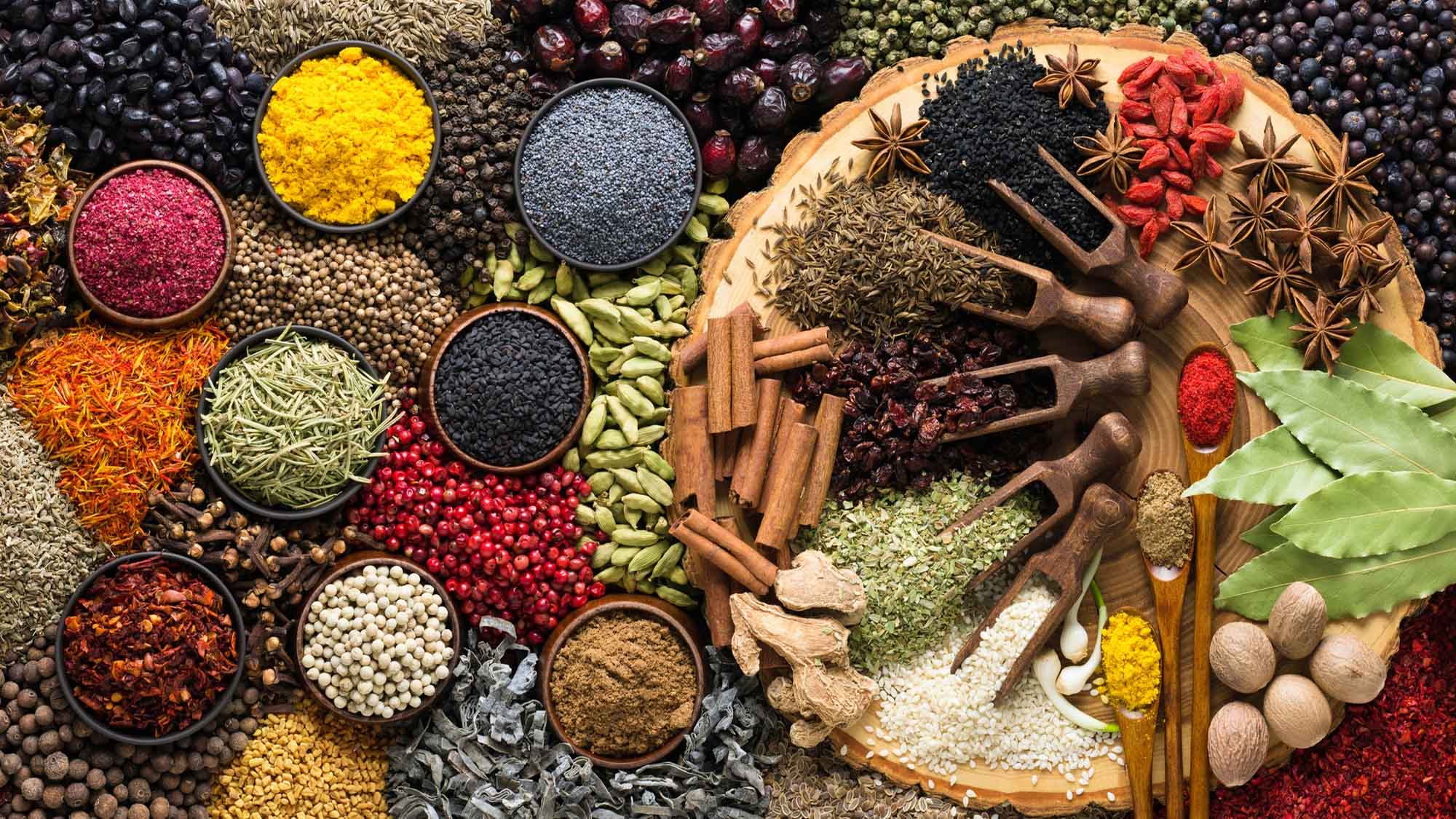
Food is inherently tied to culture. It carries with it the stories, rituals, and traditions of a people. Regional food festivals are a celebration of these culinary traditions, often passed down through generations. Whether it’s the intricate spice blends of Indian cuisine, the seafood specialties of coastal Mediterranean regions, or the hearty stews and slow-cooked dishes of the American South, every dish tells a story about the land, the climate, and the people who have shaped its preparation.
These festivals become more than a chance to eat; they become an immersion into the soul of a region. Take, for example, the famous Oktoberfest in Germany, which is about far more than just beer and pretzels. It showcases Bavarian customs, music, clothing (like lederhosen), and even the art of brewing beer, which has been perfected over centuries. For visitors, it is an opportunity to step into a living tradition, experiencing first-hand what makes that region distinct.
In this sense, regional food festivals serve as time capsules, preserving the flavors, techniques, and customs that might otherwise be lost to modern life. As such, they provide an invaluable opportunity to learn about and experience a culture in a way that no textbook or documentary could ever replicate.
Identity and Community Connection
One of the most compelling reasons regional food festivals are more than just about eating is the sense of identity they foster. These festivals are often a way for communities to showcase who they are, where they come from, and what makes them unique. It is a moment when the entire community can come together and celebrate shared history and heritage. Whether a small village or a major city, these festivals allow local traditions to take center stage and gain recognition from a broader audience.
Food has an emotional connection to people. For many, the dishes served at regional food festivals are tied to family gatherings, childhood memories, and local pride. Imagine the joy of an Italian-American who grew up in New York, savoring the same pasta dishes they remember their grandmother making. The experience is so much more than the food on the plate; it’s a bridge to personal and collective memories, a celebration of roots and belonging.
Moreover, regional food festivals also serve as a way to introduce younger generations to their cultural heritage. As younger people are increasingly exposed to global cuisine and fast food culture, these festivals offer an essential opportunity to reconnect them with their culinary heritage. It’s a way of saying, “This is who we are, and this is what we value.”
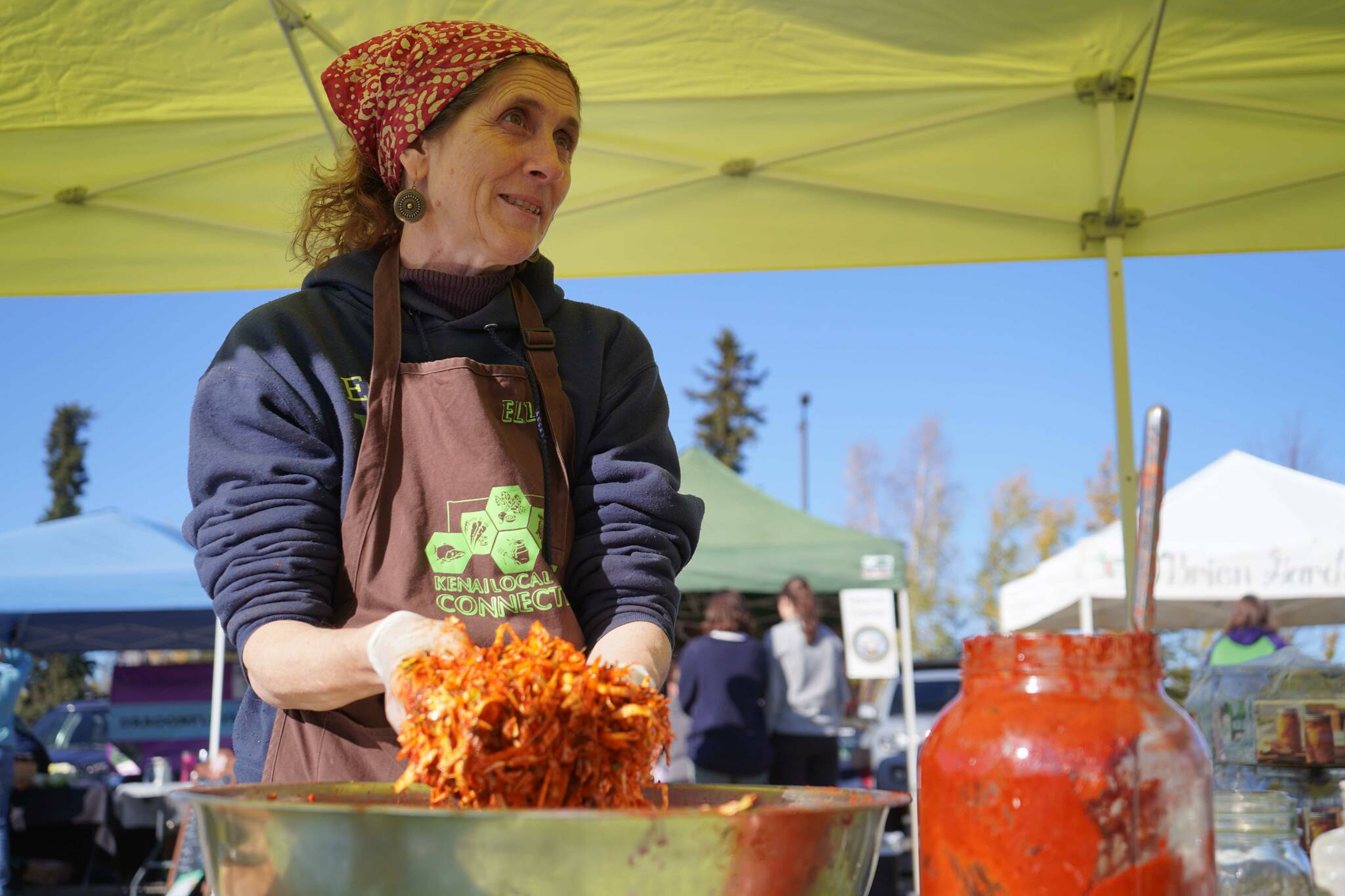
These festivals are also spaces for dialogue and interaction. For example, local vendors, chefs, and artisans can use food as a medium to share stories with attendees, educating them on the origins of the dishes and the significance of specific ingredients. This dialogue strengthens the social fabric, as people from diverse backgrounds come together, sharing not just food but experiences and values.
Economic Impact and Local Growth

Regional food festivals are also economic engines for the communities in which they are held. Beyond the immediate sales of food and beverages, these events boost tourism, create job opportunities, and support local businesses. Hotels, transportation services, and local artisans all benefit from the influx of visitors drawn to the festival. The economic ripple effect extends far beyond just the day of the event, with businesses seeing long-term gains as they gain exposure and build lasting relationships with tourists.
Moreover, local farmers and food producers benefit significantly from regional food festivals. These events often highlight locally sourced ingredients, supporting sustainable agriculture and encouraging the community to shop locally. By focusing on local food production, the festival becomes a platform for promoting sustainable practices, from organic farming to ethical food production, and it brings attention to regional specialties that might otherwise not receive widespread attention.
It’s important to note that regional food festivals also help preserve local food cultures by making them economically viable. As demand for local, authentic food experiences grows, communities are incentivized to maintain and grow the culinary traditions that distinguish them from others. This creates a self-reinforcing cycle: The more people engage with regional food, the more support it generates, helping to keep these traditions alive.
Environmental Sustainability and Regional Sourcing
With the increasing global awareness of environmental issues, many regional food festivals are also platforms for promoting sustainable and ethical food practices. By focusing on locally sourced ingredients and highlighting seasonal produce, these festivals advocate for sustainable agricultural practices that reduce carbon footprints and encourage biodiversity.
Food production, particularly in industrialized agriculture, is one of the leading causes of environmental degradation. Regional food festivals present a more sustainable alternative by supporting local farmers, reducing the need for long-distance food transportation, and encouraging the use of seasonal ingredients. This is a critical aspect of modern food movements, as consumers become more conscious of where their food comes from and how it’s produced.
The rise of “farm-to-table” dining has further cemented the role of food festivals in promoting environmental consciousness. Chefs at these festivals often collaborate with local farmers to create menus that showcase the best of what’s in season, offering a more sustainable alternative to mass-produced, heavily processed foods. Regional food festivals, by showcasing these efforts, can play a crucial role in shifting consumer habits and promoting a more sustainable, local approach to food production and consumption.
A Global Perspective: The International Appeal of Regional Food Festivals
Although regional food festivals have their roots in local traditions, they often have a much broader, global appeal. In today’s interconnected world, food travels just as quickly as people do. Travelers and foodies from all over the world seek out authentic culinary experiences that allow them to taste a region’s history, culture, and flavors.
Take the example of the annual International Festival of Gastronomy in France. This festival attracts visitors from across the globe to celebrate French culinary techniques, regional specialties, and local wines. While rooted in the traditions of France, the festival has become an international event, with people from all corners of the world coming together to appreciate the richness and diversity of French cuisine.
In many ways, regional food festivals highlight the universality of food as a form of expression. They show how, despite cultural differences, food has the power to bring people together. A food festival in India might showcase the rich diversity of Indian cuisine, but it will also attract people from around the world who are eager to learn, taste, and engage with a culture that is new to them. This cross-cultural exchange enriches both the participants and the visitors, fostering a greater understanding of global diversity.
A Feast for the Senses
The beauty of regional food festivals lies in their ability to engage all the senses. While the most obvious attraction is the food, regional festivals are full of sights, sounds, smells, and even tactile experiences that create a vibrant atmosphere. The sight of colorful dishes, the aroma of spices wafting through the air, the sounds of music and laughter, and the feel of a bustling crowd – all of these elements come together to create an unforgettable experience.
Vendors often set up booths that reflect the spirit of the region, with decorations that tell the story of the food and the culture behind it. Local musicians and performers add to the atmosphere, and the festival grounds are often alive with activity, creating an immersive experience. This multi-sensory environment makes food festivals feel like a living, breathing expression of a region’s heritage.
Conclusion: More Than Just a Meal
In conclusion, regional food festivals are much more than just an opportunity to eat. They serve as cultural showcases that celebrate history, identity, and community. They bring economic growth and foster a greater connection between people and the environment. They provide a platform for the exchange of ideas, promoting sustainability, local food sourcing, and ethical consumption. They are also sensory experiences that engage participants in a celebration of food and culture. Through food, these festivals offer a window into the heart of a region, allowing visitors to explore the deep cultural roots that shape the dishes they enjoy.
Whether you’re savoring a bowl of pho in Vietnam, biting into a freshly made taco in Mexico, or sipping a glass of wine in Italy, regional food festivals offer more than just a meal. They offer a journey into the very essence of a culture. So, next time you attend a food festival, remember that you’re not just filling your stomach – you’re experiencing a celebration of tradition, community, and the artistry that goes into every dish.