



In today’s world, where self-sufficiency, eco-conscious living, and creativity are more than just trends, the art of making your own soap has gained immense popularity. Soap-making isn’t just a craft; it’s a science, a sensory experience, and a pathway to understanding exactly what touches your skin. And the best part? You don’t need a chemistry degree or a kitchen full of exotic oils to start. With a few simple, easily accessible ingredients, you can craft luxurious, aromatic, and skin-loving soaps at home.
This guide will take you step by step through the process, explain the science behind soap-making, explore variations to customize your creations, and even touch on the art of packaging for gifting or personal enjoyment. Whether you are a beginner or someone with a creative streak looking for a new hobby, you’ll find everything you need to confidently make soap without complex ingredients.
Why Make Your Own Soap?
Before diving into the practicalities, it’s worth exploring why homemade soap is worth your time and effort. Commercial soaps, though convenient, often contain synthetic additives, harsh detergents, and preservatives that strip skin of natural oils. Homemade soap, on the other hand, allows complete control over what goes into it, giving you the ability to:
- Choose gentle, natural ingredients: You can select oils and butters suited to your skin type.
- Avoid harsh chemicals: No sulfates, parabens, or synthetic fragrances unless you choose them.
- Customize scent and texture: From silky smooth bars to exfoliating soaps with seeds and grains.
- Make eco-friendly products: Reduce packaging waste and use sustainably sourced ingredients.
- Enjoy a rewarding creative process: Crafting soap can be meditative and deeply satisfying.
Homemade soap is not just functional—it’s also a creative statement and a gift that carries care in every bar.
The Science of Soap in Simple Terms
At its core, soap-making is chemistry, but fear not: it’s chemistry that’s entirely manageable at home. Soap is created through saponification, a chemical reaction between fats (oils or butters) and a strong alkali (commonly sodium hydroxide, known as lye). The reaction produces soap and glycerin, the latter being naturally moisturizing.
Here’s the magic in layman’s terms: oils are made of long chains of fatty acids. When you mix them with lye, the fatty acids are “freed” to combine with sodium ions, creating soap molecules that can attract both oil and water. This is why soap can clean grease from your hands or dishes—it bridges the gap between water and oil.
The good news: you don’t need exotic oils or specialized lab equipment to make soap. Simple, kitchen-friendly oils like olive, coconut, and sunflower oil, combined with distilled water and lye, are all you need to get started.
Essential Ingredients for Simple Homemade Soap
Making soap at home without complex ingredients means keeping your list short, accessible, and safe. Here are the essentials:
- Oils and Fats: These are the backbone of soap. Common, easily found options include:
- Olive Oil: Gentle and moisturizing; ideal for sensitive skin.
- Coconut Oil: Adds hardness and a bubbly lather.
- Sunflower Oil: Light and nourishing; complements other oils.
- Shea or Cocoa Butter: Optional, for extra creaminess and luxury.
- Lye (Sodium Hydroxide): The alkali necessary for saponification. Though it sounds intimidating, lye is easy to work with if handled carefully. Always wear gloves and goggles.
- Water: Distilled water is preferred to avoid impurities.
- Optional Additives:
- Essential Oils: Lavender, peppermint, or tea tree for fragrance.
- Natural Colorants: Turmeric, cocoa, beetroot powder, or spirulina.
- Exfoliants: Oats, coffee grounds, poppy seeds.
These ingredients are simple, affordable, and available in most supermarkets or online stores.
Equipment You’ll Need
You don’t need a full laboratory. Your kitchen can double as a soap studio with a few carefully chosen tools:
- Heatproof bowls (glass or stainless steel)
- Digital kitchen scale (precision is key)
- Thermometer
- Silicone spatula
- Hand blender (optional but speeds up trace)
- Soap mold (silicone molds work best)
- Protective gloves and goggles
Safety is the only non-negotiable part: lye is caustic, so always measure carefully, avoid inhaling fumes, and never let it touch your skin directly.
:max_bytes(150000):strip_icc()/natural-handmade-soap-spa-478394013-d43b03ee7e35442caa301f9280796be4.jpg)
Step-by-Step Guide to Making Soap
Here’s a straightforward process for creating your first bar of soap:
Step 1: Prepare Your Workspace
Soap-making requires organization and safety. Lay out all ingredients and equipment, ensure good ventilation, and put on gloves and goggles. Cover your workspace with newspaper or a silicone mat for easy cleanup.
Step 2: Measure Your Ingredients
Accurate measurements are crucial. Use a digital scale to weigh oils and water. For beginners, a simple recipe is:
- 300g olive oil
- 150g coconut oil
- 100g sunflower oil
- 114g lye
- 300g distilled water
Always add lye to water, never the other way around, to avoid violent reactions.
Step 3: Mix Lye and Water
Carefully pour lye into water and stir until dissolved. The solution will heat up rapidly—this is normal. Allow it to cool to around 40–45°C (104–113°F).
Step 4: Heat and Combine Oils
Gently warm your oils until they reach a similar temperature as the lye solution. Once both are within 5°C of each other, you’re ready to combine.
Step 5: Combine and Blend
Slowly pour the lye solution into the oils. Use a hand blender or spatula to mix. You’re aiming for trace, a stage where the mixture thickens to a pudding-like consistency. This is when you can add optional fragrances, colorants, or exfoliants.
Step 6: Pour into Mold
Transfer the mixture into your mold, smooth the top with a spatula, and cover with a towel. Let it rest for 24–48 hours until solidified.
Step 7: Unmold and Cure
Once firm, remove your soap from the mold and cut into bars. Place them on a rack to cure for 4–6 weeks. This allows excess water to evaporate, ensuring a hard, long-lasting bar.
Customizing Your Soap: Creativity Without Complexity
Even with simple ingredients, you can create an endless variety of soaps. Here are some ideas:
Fragrance
- Citrus Blast: Lemon or orange essential oils
- Calming Lavender: Lavender oil and dried buds
- Herbal Garden: Rosemary and peppermint blend
Color
- Green: Matcha powder or spirulina
- Brown: Cocoa powder or coffee grounds
- Yellow: Turmeric or calendula petals
Texture
- Exfoliating: Oats, coffee grounds, or poppy seeds
- Creamy: Extra shea or cocoa butter
- Layered: Pour in stages for visually striking bars
Special Effects
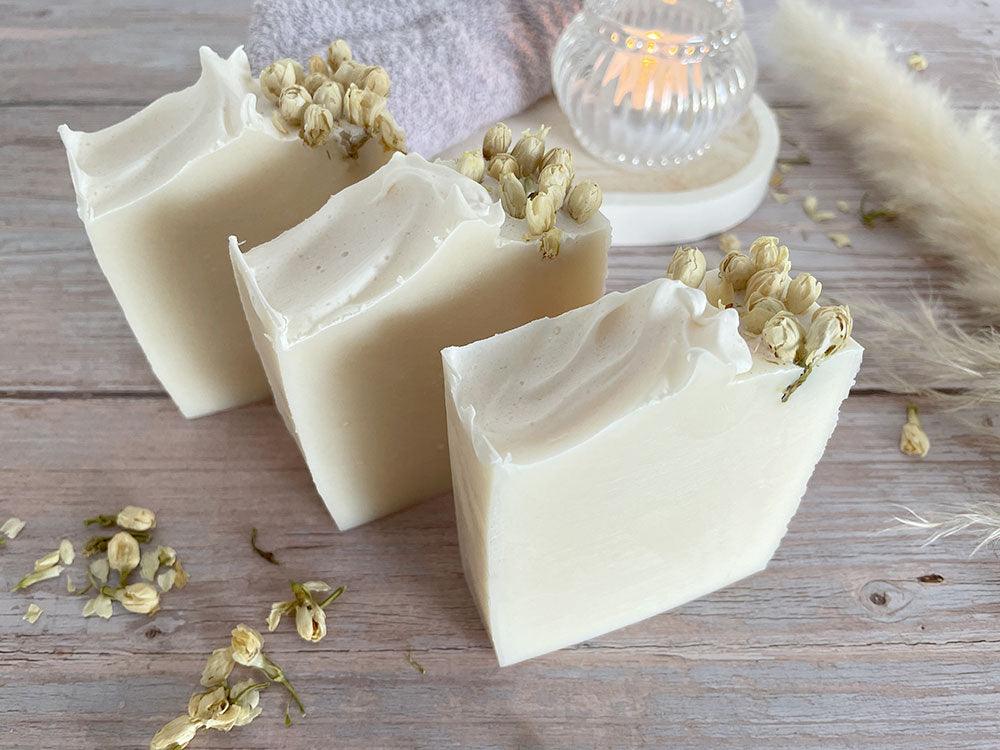
- Swirls: Achieved by gently folding two colors together at trace
- Marbling: Use a chopstick or skewer to create intricate patterns
- Embeds: Add small soap shapes into your bar for a playful design
Troubleshooting Common Issues
Even simple soap-making can go awry. Here’s how to handle common problems:
- Soap Doesn’t Hardening: Check lye-to-oil ratio; ensure curing time is sufficient.
- Separation: Blend longer until trace is achieved; stir gently.
- Cracks on Top: Often due to temperature fluctuations; insulate mold with towels.
- Rough Texture: Could be from adding additives too early; add gently at light trace.
Patience and careful measurement are the keys to success. Soap-making rewards precision and experimentation alike.
Safety Tips for Home Soap-Making
Working with lye is safe if you follow some simple precautions:
- Always wear gloves and goggles.
- Work in a ventilated area.
- Never pour water into lye; always lye into water.
- Keep vinegar nearby (to neutralize minor spills).
- Store lye in a safe, labeled container.
By respecting the chemical nature of lye, you ensure a safe and enjoyable soap-making experience.
Eco-Friendly and Skin-Friendly Tips
Homemade soap can be kinder to both the environment and your skin:
- Use biodegradable ingredients.
- Avoid synthetic dyes and fragrances.
- Reuse scraps by melting and reshaping.
- Choose sustainably sourced oils and butters.
- Package soaps in paper, fabric wraps, or reusable containers.
This approach makes your soap truly “green,” from ingredients to disposal.
Beyond the Basics: Advanced Ideas
Once comfortable with basic recipes, you can experiment further:
- Milk Soaps: Replace water with goat, cow, or plant-based milk.
- Herbal Infusions: Infuse oils with chamomile, calendula, or green tea for added benefits.
- Layered Soaps: Pour colored layers for a stunning visual effect.
- Glycerin Boost: Melt down glycerin-rich soap bases to enhance moisturization.
Even without complex chemistry, these variations elevate your soap to boutique-quality creations.
Soap-Making as a Lifestyle
Making soap at home is more than a hobby; it’s a lifestyle choice that emphasizes mindfulness, sustainability, and creativity. Each bar represents your personal touch, a blend of science and artistry. Over time, you’ll develop a deeper understanding of ingredients, textures, and skin care needs. Homemade soap connects you to centuries-old traditions while allowing modern customization.
It’s also deeply satisfying to share: gifts, party favors, or small business products made with simple ingredients can carry more meaning than store-bought alternatives.
Conclusion
The answer to the question posed in our title is a resounding yes: you can absolutely make your own soap without complex ingredients. A few oils, lye, water, and optional natural additives are all you need to start. The process is as much art as science, with endless opportunities for customization, creativity, and experimentation.
By making your own soap, you gain control over what touches your skin, reduce environmental impact, and engage in a rewarding, hands-on craft. With safety, patience, and a sense of adventure, you can create luxurious, nourishing, and beautiful soaps entirely at home.
Soap-making doesn’t have to be complicated to be extraordinary. Simple ingredients, thoughtful execution, and a dash of creativity are enough to produce products you’ll be proud to use and share. Every bar tells a story—yours.