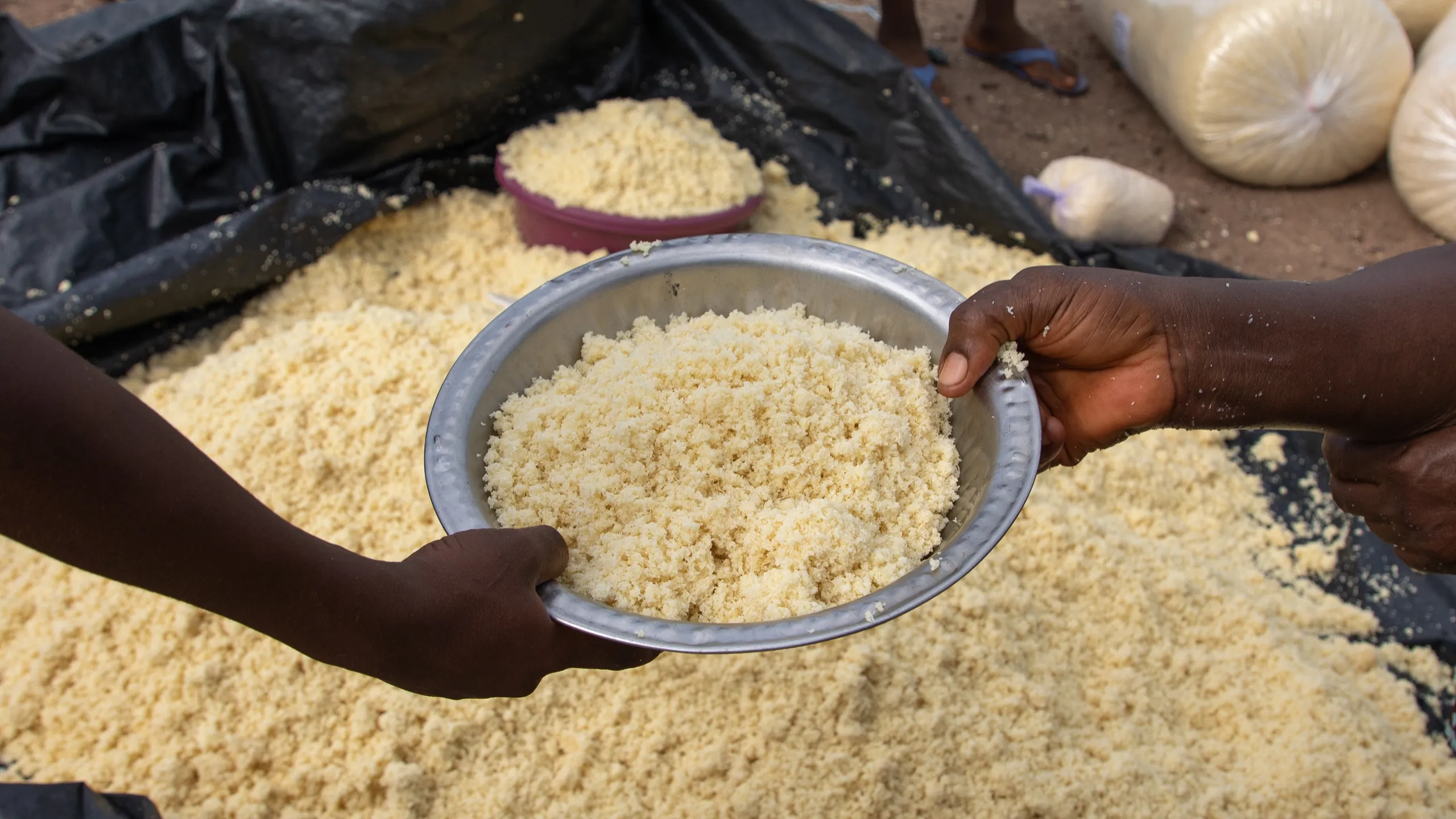




Food is not just sustenance; it is a lens through which we can glimpse the heart and soul of a culture, region, or nation. The ingredients, the preparation, the rituals surrounding meals—all tell a story that goes beyond taste. They reflect history, geography, climate, traditions, and the very identity of the people who created them. In this article, we will explore how food embodies the essence of a place, how it connects to history, geography, and culture, and how it can act as a bridge between past and present, tradition and innovation.
1. The Geographical Influence: Ingredients and Climate
The landscape and climate of a region have a profound impact on the food that originates there. A place’s geography dictates the types of crops that can be grown, the animals that can be raised, and the culinary practices that emerge. For instance, in coastal regions, seafood reigns supreme. Think of the delicate sushi of Japan, the rich seafood paellas of Spain, or the clam chowders of New England. These dishes are not arbitrary; they are the products of a deep connection between the land (or sea) and the people who inhabit it.
In contrast, in mountainous regions where agriculture is more challenging, foods may be heartier and more sustaining. For example, the Swiss, surrounded by the Alps, have perfected the art of cheese, with fondue being a national dish that reflects both resourcefulness and the local abundance of dairy. The cooler, alpine environment also explains the emphasis on rich, warming foods, perfect for the harsh winters.
The climate also impacts preservation techniques. For instance, pickling, curing, and fermenting are often methods of food preservation born out of necessity in areas with long winters. These methods, however, have transcended their practical roots to become essential elements of many culinary traditions. Kimchi, for example, originated in Korea as a way to preserve vegetables during the cold months, but today it is a beloved staple that defines Korean cuisine.
2. Historical Narratives: Colonization, Trade, and Cultural Exchange
The history of a region plays a crucial role in shaping its culinary identity. The movement of people, the conquests, and the global trade routes have all left their mark on the food of a place. A simple dish can embody centuries of historical change and exchange.
Take the example of the Caribbean. The indigenous Taino people introduced cassava, maize, and peppers to the islands. Later, African slaves brought with them their culinary practices, which blended with the cooking traditions of European colonizers, resulting in a fusion of flavors that defines Caribbean cuisine today. The famous dish jerk chicken, for instance, blends indigenous ingredients with African and European cooking methods.
Similarly, the cuisines of Southeast Asia reflect centuries of interaction with traders, colonial powers, and migrant communities. The vibrant curries of Thailand, the noodle soups of Vietnam, and the satays of Indonesia all owe their existence to a complex history of trade routes, foreign influences, and the melding of indigenous cooking practices with those from India, China, and beyond.
Even in places like Italy, food tells the story of invasions and migration. The use of spices like saffron in risotto, influenced by Arabic traders, or the widespread popularity of tomatoes, which were brought from the Americas, illustrate how the nation’s food reflects centuries of cultural exchange.
3. Cultural Identity and Tradition: Food as Heritage
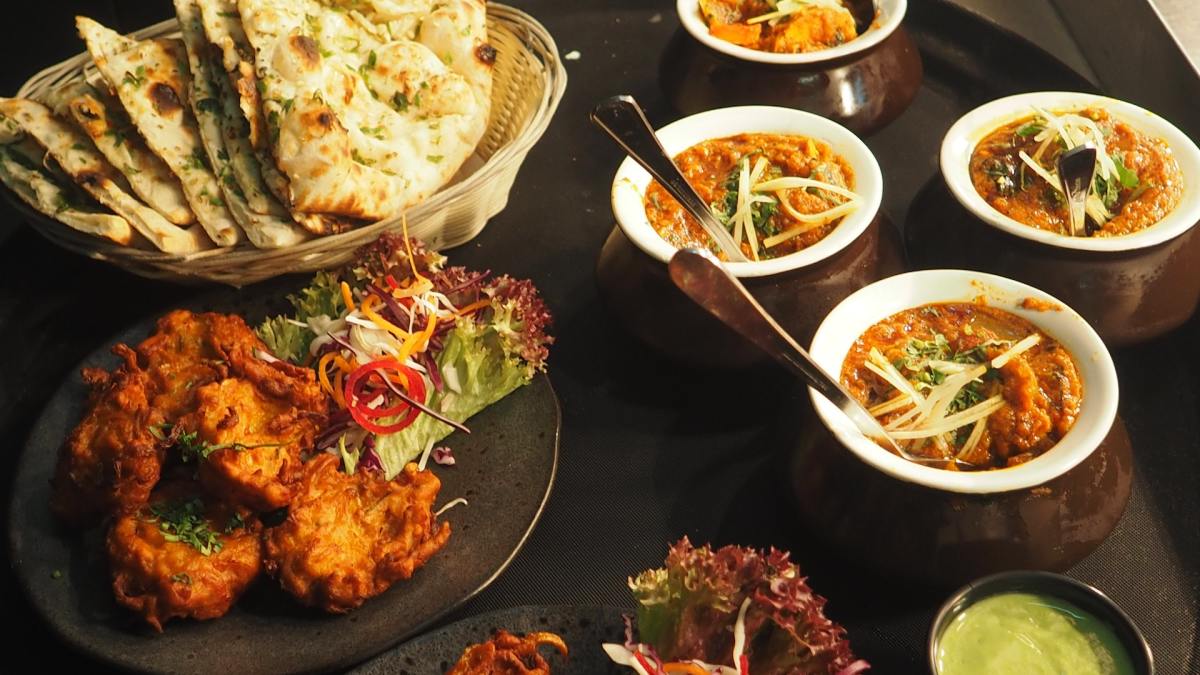
Food is often a means by which cultural identity is expressed and preserved. Many traditional dishes have remained unchanged for generations and are seen as symbols of national pride. In countries like Italy, France, and Mexico, food is not just a daily need but an essential part of cultural life and heritage.
In Italy, for example, the art of pasta-making is not only a culinary skill but a point of cultural pride. Each region has its unique types of pasta, and many of these dishes have been handed down through generations. From the rich ragù of Bologna to the delicate seafood pasta of Sicily, food in Italy is a tangible connection to local history and the land.
In Mexico, food is deeply intertwined with identity. Dishes like mole, tamales, and tortillas are central to Mexican culture and history. The indigenous ingredients like maize, beans, and chili peppers, which form the backbone of Mexican cuisine, have been cultivated for thousands of years and are a testament to the resilience and creativity of the people who have inhabited the region.
Food traditions also serve to reinforce communal bonds. In many cultures, meals are shared in large gatherings that extend beyond family to include friends and even strangers. In Ethiopia, for example, communal eating is a core part of the culture, with injera, a type of flatbread, used as a base to scoop up stews and vegetables. This act of sharing food binds people together and fosters a sense of belonging.
4. Rituals and Ceremonies: Food as Sacred
In many cultures, food is intertwined with religious rituals, festivals, and ceremonies. It is seen as sacred, a gift from the divine or a means to connect with ancestors and spirits. These rituals are not just about nourishment; they are about honoring the place, history, and people.
Take the example of Thanksgiving in the United States. While the origins of this holiday are rooted in colonial history, the foods associated with it—turkey, cranberry sauce, mashed potatoes—are deeply tied to the land and the harvest. The Thanksgiving meal serves as a reflection of the abundance of the land and a time for people to come together in gratitude.
In India, food plays a central role in religious and cultural observances. The festival of Diwali, for instance, is celebrated with a variety of sweet and savory dishes, each representing prosperity and good fortune. The preparation and sharing of these foods strengthen social bonds and pass down centuries-old culinary traditions.

Similarly, the concept of “breaking bread” is significant in many religious traditions, such as Christianity, Judaism, and Islam. Bread, as a symbol of sustenance and community, plays a crucial role in sacred rituals like the Eucharist or the breaking of the fast during Ramadan.
5. Modern Transformations: Globalization and Fusion Cuisine
In the modern world, the soul of a place is often expressed not just through traditional recipes but through new interpretations and fusions. Globalization has led to the spread of food from one region to another, resulting in new culinary hybrids that reflect the interconnectedness of today’s world.
Fusion cuisine, a blending of culinary traditions from different cultures, is an example of how food evolves in response to globalization. In cities like New York, London, and Tokyo, food from different parts of the world comes together to create innovative dishes that still retain echoes of their cultural origins. Korean tacos, for instance, are a fusion of Korean and Mexican cuisines, combining the flavors of marinated beef, kimchi, and taco shells.
While some purists might argue that fusion cuisine dilutes the authenticity of traditional foods, others believe that it is a natural evolution of culinary culture. After all, food has always been shaped by migration, trade, and experimentation. Today’s global food scene is no different, but it also opens new doors for creativity, allowing chefs to reinterpret old dishes in exciting ways.
6. Food as a Memory: Nostalgia and Connection
Food is also a keeper of memories. A dish can instantly transport someone to a specific place or moment in time. This is particularly true when it comes to comfort foods—the dishes that we turn to in times of stress, joy, or homesickness. A bowl of pho might remind a Vietnamese person of their childhood, just as a plate of spaghetti might evoke memories of Sunday dinners in an Italian household.
The connection between food and memory is powerful. The rituals of preparing a family recipe, the smell of a particular dish cooking, or the taste of a favorite meal can trigger nostalgia and reinforce our sense of identity. Food thus serves as a bridge between generations, a way of preserving the cultural and familial ties that bind people to their place of origin.
7. The Evolution of Local Flavors: Culinary Trends and Innovation
While food reflects the soul of a place, it is also a living, evolving entity. As societies change, so do their food traditions. From the rise of farm-to-table movements to the increasing interest in sustainable and locally sourced ingredients, food is constantly evolving to reflect contemporary values and concerns.
Culinary innovation is not confined to high-end restaurants. In many parts of the world, local food entrepreneurs are embracing sustainability and innovation, using modern techniques to reinterpret traditional recipes. This evolution is particularly visible in urban centers, where street food vendors and pop-up restaurants are gaining popularity and offering new takes on classic dishes.
At the same time, there is also a growing movement to preserve traditional foodways and protect culinary heritage. In regions like the Mediterranean, South Asia, and parts of Africa, there is increasing recognition of the importance of safeguarding traditional recipes, farming practices, and cooking techniques that define local identities.
Conclusion
Food is far more than just a means of nourishment; it is a cultural artifact that reflects the soul of a place. Through food, we can understand the geography, history, and identity of a region. Whether through the ingredients used, the traditions passed down, or the fusion of influences, food serves as both a reflection of a place’s past and a canvas for its future. In a world that is increasingly globalized and interconnected, food remains a powerful link to the places we come from, and a way to understand the diverse, complex cultures that make up our shared world.