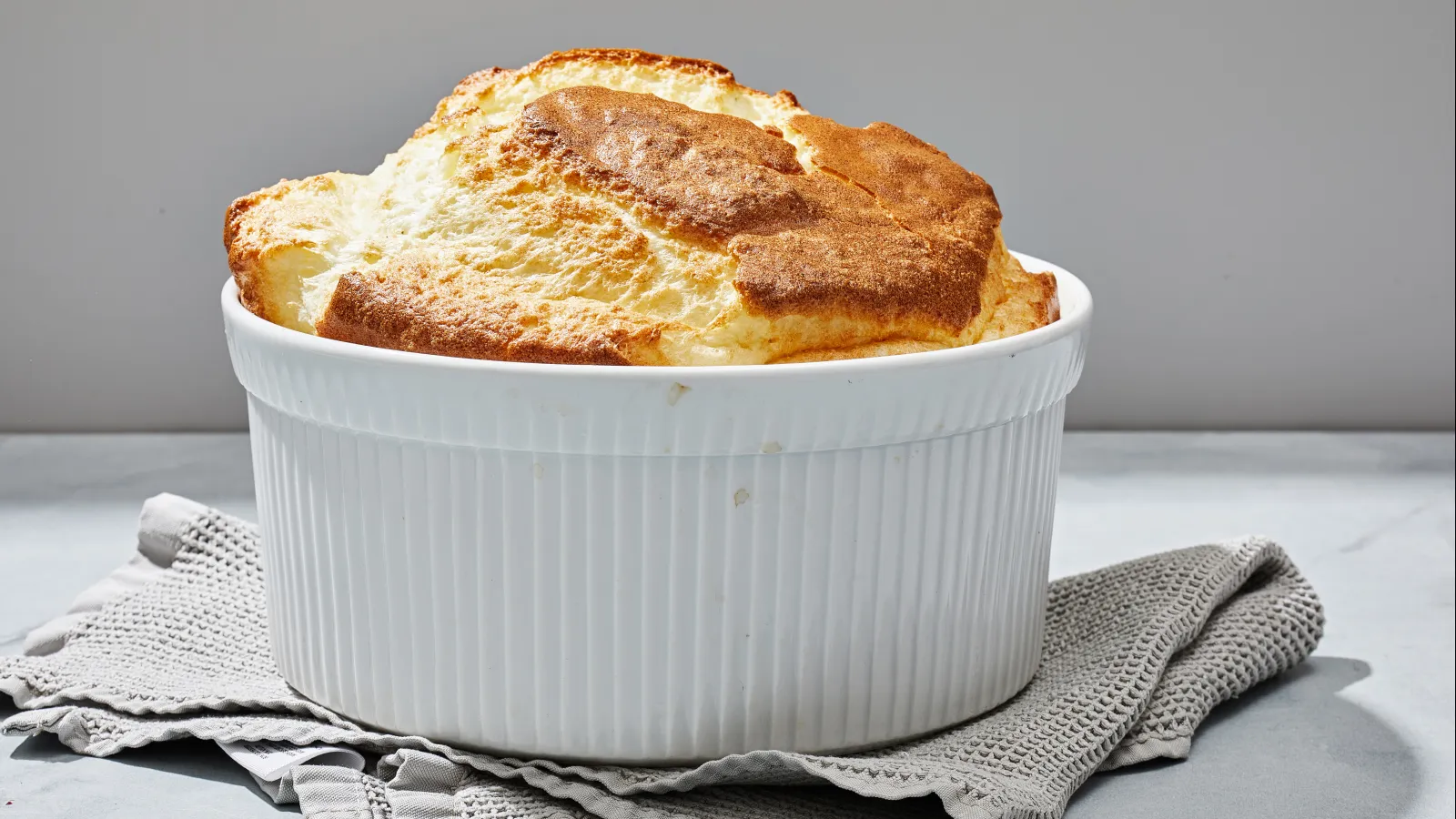




The soufflé, that towering delight that wows at the table with its light, airy texture and rich, irresistible flavor, holds a special place in the world of gastronomy. Yet, it’s a dish that strikes fear into the hearts of many home cooks. Why? Because of its fragile nature, its tendency to collapse when least expected, and the precision it demands. But fear not—perfecting a soufflé is within your reach. In this article, we’ll break down the key steps to mastering this iconic French dish, provide insider tips, and delve into the science behind the soufflé’s delicate rise.
The Classic Soufflé: A Brief Introduction
A soufflé is essentially a baked dish made from a flavorful base, usually a béchamel sauce (for savory soufflés) or a custard (for sweet soufflés), combined with whipped egg whites. The airy texture comes from the air trapped in the egg whites, which expand during baking, causing the soufflé to rise. The result is a light, cloud-like dish that can be served as a starter, main course, or dessert.
At its core, the soufflé is simple—egg whites, butter, flour, milk, seasoning, and flavorings—but its execution requires precision, timing, and technique. A minor slip in technique can lead to disaster, yet the reward for getting it right is immeasurable. With a delicate, golden-brown crust and a melt-in-your-mouth interior, the soufflé is one of the most elegant dishes you can prepare. But before you dive in, let’s uncover the secrets to creating a soufflé that is nothing short of spectacular.
Key Ingredients of a Soufflé
The first step in perfecting your soufflé is understanding its core ingredients and how they work together to create that flawless rise and texture.
1. Eggs: The Backbone of the Soufflé
Eggs are the star of the show, particularly the egg whites. When whipped to stiff peaks, egg whites trap air, which will expand during baking and cause the soufflé to rise. The yolks, on the other hand, provide richness and flavor to the base mixture. The freshness of eggs is paramount; older eggs can affect the stability of the meringue (the whipped egg whites) and make it harder to achieve the desired structure.
2. Butter: The Secret to Smoothness
Butter is the foundation of the soufflé’s rich, velvety texture. It’s used to grease the soufflé dish (ensuring a smooth rise) and as a key component in the béchamel or custard base. Use unsalted butter to have complete control over the seasoning of your soufflé.
3. Flour: A Touch of Structure
In savory soufflés, flour is combined with butter to form a roux, the basis of the béchamel sauce. In sweet soufflés, flour may not be needed, but in both cases, the flour acts as a stabilizer, giving the soufflé a slight structure and allowing it to rise without collapsing too quickly.
4. Milk or Cream: Creaminess and Moisture
The liquid component of the soufflé contributes to its rich, custardy interior. For savory soufflés, whole milk is typically used, but for sweet versions, heavy cream might be preferred to create a richer, smoother texture. The amount of liquid must be carefully balanced, as too much moisture can cause the soufflé to deflate.
5. Flavoring Agents: Enhancing Taste
The possibilities for flavoring a soufflé are endless. For savory versions, classic ingredients include cheese (gruyère, cheddar, or parmesan), herbs (like thyme, chives, or basil), and vegetables (spinach, mushrooms, or tomatoes). For sweet soufflés, chocolate, vanilla, citrus zest, or liqueurs like Grand Marnier add depth. The key is to balance the flavor intensity without overpowering the lightness of the soufflé.

6. Seasoning: A Pinch Goes a Long Way
The seasoning—usually salt and pepper in savory soufflés—helps to balance the richness of the butter and eggs. For sweet soufflés, a small amount of sugar, salt, or even a dash of vanilla extract can enhance the overall taste.
The Science Behind the Soufflé’s Rise
Understanding the science of a soufflé’s rise can help demystify the process and make it easier to execute successfully.
- The Role of Air in Egg Whites: The key to a soufflé’s lift is the egg whites, which trap air during whipping. As the soufflé bakes, the air pockets expand, causing the soufflé to rise. The proteins in the egg whites (mainly ovalbumin) stretch and firm up as they coagulate, holding the air in place and providing the structure necessary for the soufflé to maintain its height.
- The Effect of Heat: Heat causes the trapped air to expand, pushing the soufflé upward. However, this is a delicate balance. Too much heat can cause the soufflé to rise too quickly and then collapse, while too little heat will not generate enough lift.
- The Importance of Timing: Soufflés need to be baked just long enough to allow the egg whites to fully set and stabilize the rise. Overbaking causes the soufflé to dry out, while underbaking can result in a collapse as the structure isn’t solidified.
Perfecting the Technique: Step-by-Step
Now that we know the ingredients and the science, let’s get into the specifics of how to execute each step perfectly.
Step 1: Prepare the Dish
Start by buttering your soufflé dish. The key here is to use enough butter to create a smooth, even coating. After buttering, dust the inside of the dish with a light dusting of flour or grated cheese (for savory soufflés). This will help the soufflé rise evenly.
Step 2: Make the Base
In savory soufflés, the base is usually a béchamel sauce (butter, flour, and milk), to which flavorings like cheese or herbs are added. In sweet soufflés, the base is a custard made with egg yolks, milk, and sugar, sometimes thickened with a bit of flour or cornstarch.
Once the base is made, allow it to cool slightly before folding in the egg yolks. For sweet soufflés, you may also add melted chocolate or fruit puree at this stage.
Step 3: Whip the Egg Whites
To achieve perfectly whipped egg whites, they need to be free from any yolk or grease. Use a clean, dry bowl and whisk. Start beating at a low speed to incorporate air, then gradually increase the speed until stiff peaks form. A stiff peak means that when you lift the whisk, the peaks of egg white hold their shape but don’t flop over.

Step 4: Fold in the Egg Whites
This step is where many soufflés fall short. The key to folding in egg whites is to do so gently. You don’t want to deflate the whipped egg whites, as they are responsible for the soufflé’s rise. Use a large spatula to fold the egg whites into the base, being careful not to stir. The goal is to combine them without losing the airiness of the egg whites.
Step 5: Bake Immediately
Once the soufflé mixture is in the dish, don’t waste time. Immediately transfer it to the preheated oven. Soufflés should be baked in a hot, fully preheated oven, typically around 375°F (190°C). Bake until the soufflé has risen and the top is golden brown. The timing varies depending on the size and type of soufflé, but most soufflés take around 20 to 25 minutes.
Step 6: Serve Immediately
A soufflé is at its most magnificent the moment it leaves the oven. As it sits, it will slowly begin to deflate, so serve it as soon as possible. The crispy exterior will give way to the airy, creamy interior, and the flavor will be nothing short of divine.
Common Soufflé Pitfalls (And How to Avoid Them)
Even with the best preparation, things can go wrong. Here are some common mistakes and how to avoid them:
- Soufflé Falls Flat: This can happen if the egg whites are over- or under-beaten. Ensure the egg whites are whipped to stiff peaks. Also, avoid over-mixing the soufflé base with the egg whites.
- Uneven Rise: This can be caused by uneven greasing of the soufflé dish or insufficient folding of the egg whites into the base. Make sure the mixture is even and smooth before placing it in the oven.
- Overbaking: If the soufflé is left in the oven too long, it will dry out. Keep an eye on it and remove it when it has risen and turned golden brown.
Variations on the Classic Soufflé
Once you’ve mastered the classic version, try experimenting with different flavors and techniques:
- Cheese Soufflé: A rich, savory option made with a béchamel base and your favorite cheese—Gruyère, cheddar, or parmesan.
- Chocolate Soufflé: A decadent dessert version that uses a dark chocolate base, offering a smooth, melty center.
- Vegetable Soufflé: Incorporating seasonal vegetables like spinach, mushrooms, or asparagus into a savory soufflé adds flavor and texture.
- Fruit Soufflé: For a lighter dessert, try using pureed fruits like berries or citrus to flavor the soufflé.
Final Thoughts: A Soufflé Is a Work of Art
Perfecting a soufflé is both a science and an art. By understanding the role each ingredient plays, mastering the technique, and avoiding common mistakes, you can create a soufflé that is as impressive as it is delicious. Whether you’re preparing a savory starter or a sweet finale, the soufflé remains one of the most elegant dishes in the culinary world. With practice, patience, and attention to detail, you’ll soon be able to serve soufflés that rise high, remain firm, and leave your guests in awe.