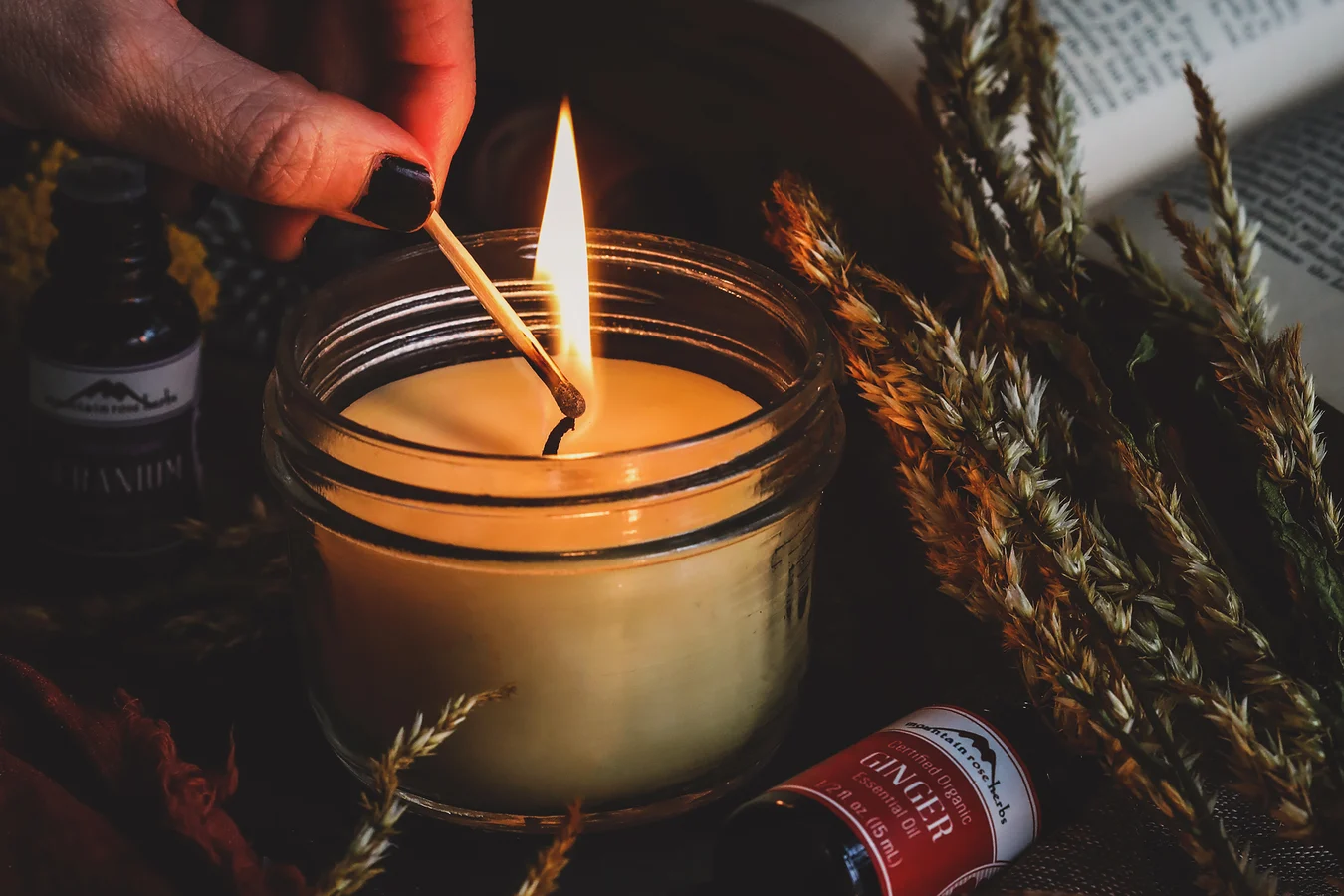




Making your own eco-friendly candles at home is a fun, sustainable, and creative project that not only allows you to personalize your ambiance but also helps reduce your carbon footprint. Unlike commercially made candles, homemade eco-friendly candles can be crafted with natural materials, ensuring that the air remains clean and the environment is protected. In this article, we will walk you through the entire process of making your own eco-friendly candles from scratch. This will include tips on choosing the best ingredients, the steps involved, and how to ensure your candles are both aesthetically pleasing and functional.
Why Choose Eco-Friendly Candles?
Before diving into the “how,” it’s important to understand why eco-friendly candles are a great choice.
1. Non-Toxic Materials
Many candles found on store shelves are made from paraffin wax, a byproduct of petroleum. When burned, paraffin candles release toxic chemicals like toluene and benzene into the air, which can contribute to poor indoor air quality. Eco-friendly candles, on the other hand, are made from renewable resources like soy wax, beeswax, and coconut wax, which are all non-toxic.
2. Better for the Environment
The materials used in eco-friendly candles are generally biodegradable and often sourced from sustainable practices. For example, soybeans are renewable and grow relatively quickly compared to petroleum products. Beeswax, another popular choice, is a natural byproduct of beekeeping, making it both sustainable and beneficial for local ecosystems.
3. Cleaner Burning
Eco-friendly candles burn cleaner and longer. Soy wax burns slower than paraffin, meaning your candle lasts longer and emits less soot, which can stain walls and furniture. This longer burn time also means less waste over time, adding to the overall sustainability of your home decor.
4. Customizable Fragrances and Colors
When you make your own eco-friendly candles, you can customize them to suit your taste. You can choose your favorite scents, mix different fragrances, and even color your candles to match your home decor. Making your own candles gives you the freedom to design a product that’s uniquely yours.
Materials You Will Need
1. Wax
The foundation of any candle is its wax. Here are the most common types of eco-friendly waxes used in homemade candles:
- Soy Wax: A popular choice because it’s renewable, biodegradable, and burns cleanly. It has a smooth texture and holds fragrance well.
- Beeswax: Known for its natural golden color, beeswax has a subtle, sweet scent. It also burns longer than most other waxes.
- Coconut Wax: Derived from coconut oil, coconut wax is highly sustainable and has a creamy texture that blends well with other waxes.
- Palm Wax: Derived from the fruit of palm trees, it’s a good option if you choose to support ethical and sustainable palm oil production.

2. Wicks
Wicks come in various sizes and materials, and the right wick is crucial for ensuring your candle burns properly. Cotton wicks are the most commonly used, but you can also find wicks made from wood or hemp. Choose a wick that matches the size of your candle and the type of wax you’re using.
3. Fragrance Oils or Essential Oils
If you want your candle to have a pleasant scent, you can add fragrance oils or essential oils. Essential oils are naturally derived and can provide therapeutic benefits, while fragrance oils offer a wider variety of scent options.
4. Dye (Optional)
For those who want a colorful touch, natural wax dyes are available. These dyes are typically made from plant-based ingredients and are non-toxic.
5. Containers or Molds
You’ll need something to pour your wax into. Glass jars, metal tins, and silicone molds are great choices. Choose a container that’s heat-resistant and sturdy enough to hold the melted wax without cracking or breaking.
6. Double Boiler
A double boiler is essential for melting your wax without overheating or burning it. If you don’t have a double boiler, you can use a heat-safe glass jar placed inside a pot of simmering water.
7. Thermometer
A thermometer helps ensure that your wax is at the right temperature before adding fragrance oils or pouring it into molds.
Step-by-Step Guide to Making Eco-Friendly Candles
Step 1: Prepare Your Workspace
Start by clearing a clean, flat workspace. Lay down newspaper or disposable tablecloths to catch any spills, and gather all your materials. You’ll want to ensure your containers or molds are clean and dry before starting.
Step 2: Measure Your Wax
Before you begin melting the wax, you’ll need to measure how much you’ll need. A general rule of thumb is to fill your container with wax to the desired level, then double that amount to account for shrinkage during the cooling process.
Step 3: Melt the Wax
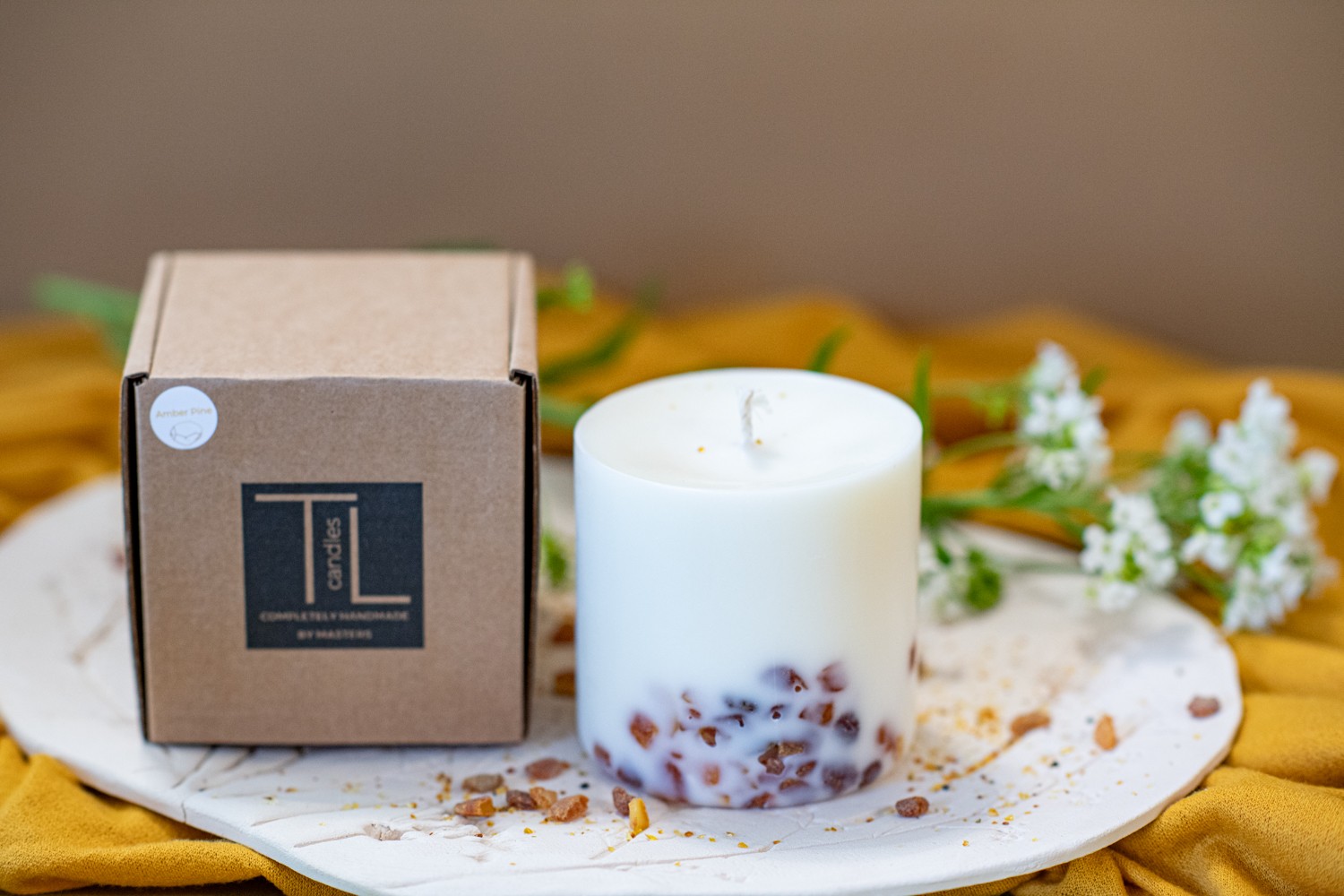
Place your wax in a double boiler and heat it slowly over medium heat. Stir occasionally to ensure even melting. The wax should be melted completely before proceeding to the next step. Be sure to keep the temperature under 185°F (85°C) to prevent it from overheating.
Step 4: Add Fragrance and Dye (Optional)
Once the wax is melted, you can add your fragrance oils or essential oils. Typically, you’ll want to add around 1 ounce of fragrance oil for every pound of wax. Stir gently to incorporate the oils into the wax.
If you’re using dye, add it now and stir until the color is evenly distributed. Always check the manufacturer’s recommendations for the appropriate amount of dye.
Step 5: Attach the Wick
While the wax is cooling slightly, attach the wick to the bottom of your container. You can use a wick sticker or a dab of melted wax to secure it in place. Ensure that the wick is centered and straight, as this will help the candle burn evenly later.
Step 6: Pour the Wax
Once the wax has cooled to around 130-140°F (55-60°C), carefully pour it into your container or mold. Leave a small gap (about half an inch) at the top of the container. Pour slowly to avoid bubbles, and make sure the wick stays centered.
Step 7: Allow the Candle to Cool
Let the candle sit undisturbed at room temperature for several hours or overnight. As it cools, you may notice a small dip around the wick. If this happens, simply reheat a small amount of wax and fill in the hole to create a smooth surface.
Step 8: Trim the Wick
Once the candle has completely cooled, trim the wick to about 1/4 inch above the surface of the wax. This will help the candle burn evenly and prevent excessive soot.
Step 9: Enjoy Your Eco-Friendly Candle!
Your candle is now ready to light! Enjoy the ambiance and soothing scent of your homemade eco-friendly candle.
Tips for Making Better Eco-Friendly Candles
- Use Sustainable Ingredients: Always source your wax and other materials from sustainable, eco-conscious suppliers. Look for certifications like the Rainforest Alliance for palm oil or the Non-GMO Project Verified label for soy wax.
- Candle Safety: Always place candles on a heat-resistant surface and keep them away from drafts, pets, and children. Never leave a burning candle unattended.
- Candle Care: To extend the life of your candle, trim the wick to 1/4 inch before each use and avoid burning the candle for more than 3-4 hours at a time.
- Repurpose Leftover Wax: If you have leftover wax from a previous candle, you can reuse it in your next batch. Simply melt it down and combine it with new wax to make a fresh candle.
Conclusion
Making your own eco-friendly candles is a satisfying and enjoyable experience that also benefits the environment. By using natural ingredients like soy, beeswax, or coconut wax, you can ensure that your candles are non-toxic and burn cleanly. Plus, you get to create a personalized, eco-conscious home decor item that reflects your taste and values. Whether you’re crafting candles as gifts, for yourself, or simply for fun, you’ll be proud of the sustainable choices you’ve made.