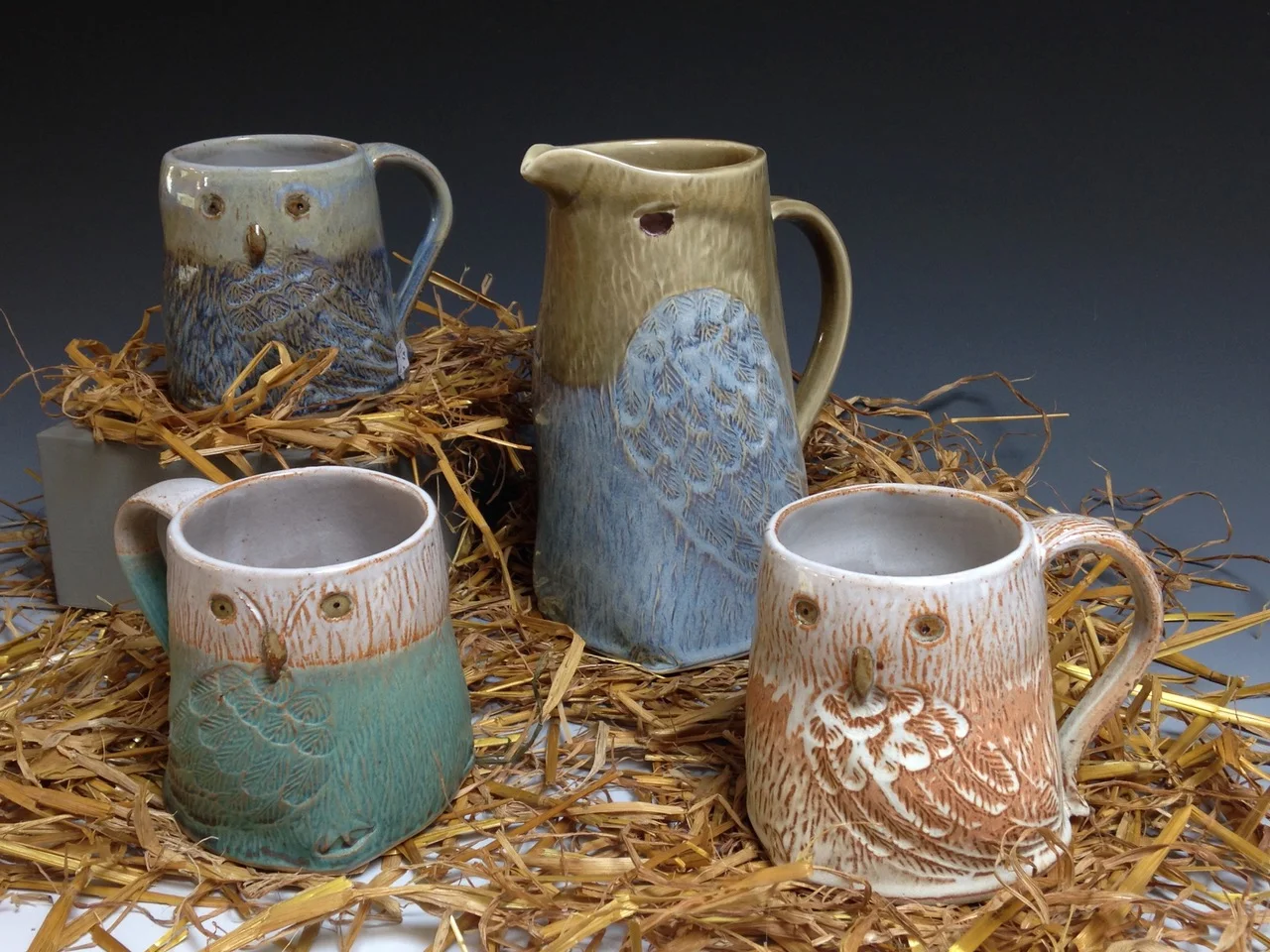




Pottery is one of the oldest and most beloved forms of craftsmanship, celebrated for its aesthetic beauty and functionality. When most people think of pottery, they likely envision the spinning wheel—an iconic image of hands shaping clay as it turns effortlessly. However, there’s more to pottery than just throwing clay on a wheel. In fact, some of the most beautiful, intricate pieces of pottery in the world have been crafted without the aid of a wheel.
Whether you’re a beginner looking to explore new techniques or a seasoned artist seeking new ways to express yourself, crafting pottery without a wheel opens up a world of creativity. In this article, we’ll delve into the various methods of hand-building pottery, the benefits of creating without a wheel, and how this ancient technique can still yield stunning results. Let’s uncover the artistry and beauty of wheel-free pottery!
The Allure of Hand-Built Pottery
The Timeless Craft of Hand-Building
Hand-building pottery is the process of shaping clay by hand without the use of a potter’s wheel. This method, which dates back thousands of years, offers an incredible range of possibilities and can lead to truly one-of-a-kind creations. While wheel-thrown pottery can have a smooth, symmetrical form, hand-built pottery has a certain organic, raw quality that many people find appealing.
By using basic hand-building techniques, potters can create a vast array of functional or decorative pieces such as mugs, vases, bowls, and sculptures. The beauty of hand-building lies in its flexibility. There are no rigid rules—just the potter, the clay, and the inspiration flowing through their fingers.
A Connection to the Clay
One of the main benefits of hand-building pottery is the direct connection it fosters between the artist and the clay. Without the mechanical assistance of a wheel, the potter’s hands become the primary tools, and every movement leaves a unique mark on the clay. This tactile interaction allows for a deeper understanding of the material and the process, creating a more personal and intimate experience.
For many artists, the absence of a wheel means they can focus on expressing themselves freely, without worrying about achieving perfect symmetry. This freedom can result in incredibly creative and personal works of art that feel more connected to the maker’s intentions.
Different Hand-Building Techniques
Hand-building pottery offers various techniques that allow artists to shape, mold, and refine their clay pieces in diverse ways. These methods can be used individually or combined to achieve the desired form and texture.
1. Pinch Potting
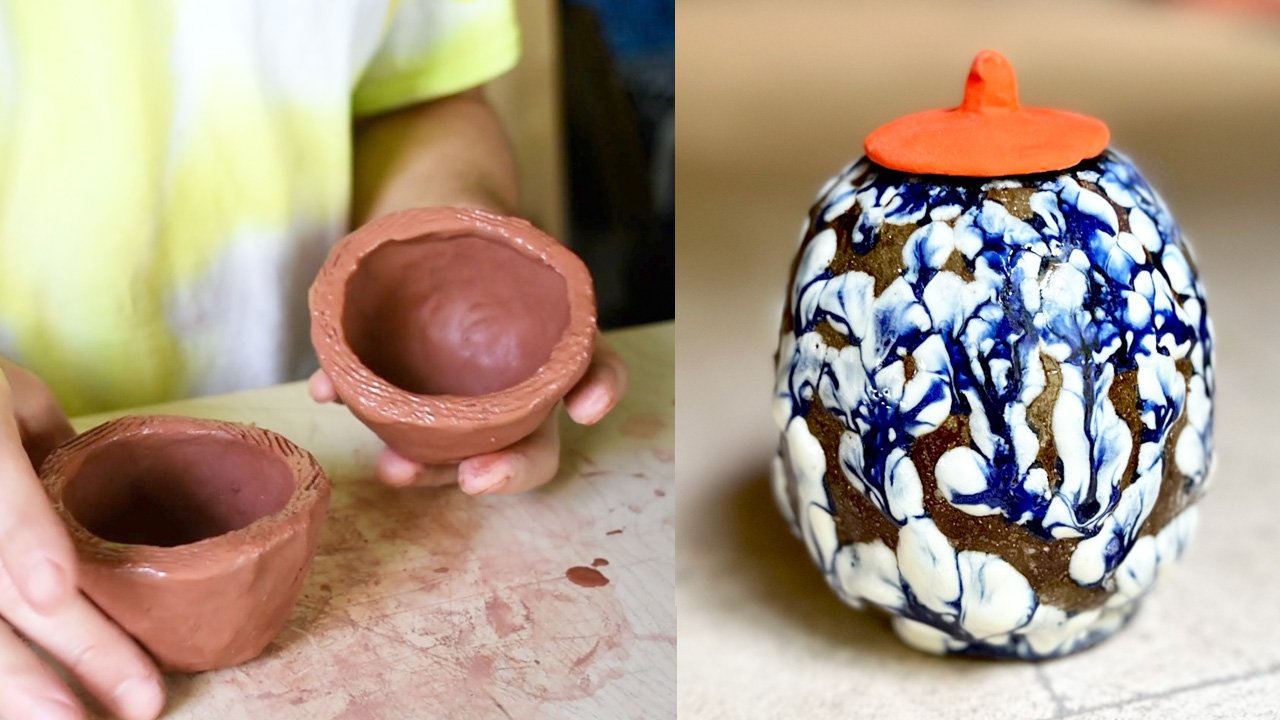
One of the simplest and most ancient hand-building techniques is pinch potting. To create a pinch pot, you start with a ball of clay and use your thumb to press into the center. As you gently pinch and rotate the clay, the walls begin to form. This method is ideal for beginners or those looking to create small, rounded shapes like bowls, cups, or containers.
Pinch pots are highly customizable. You can experiment with varying the thickness of the walls, adding texture by impressing patterns into the surface, or even attaching handles or other decorative elements. The beauty of pinch pots lies in their organic, natural forms.
2. Coiling
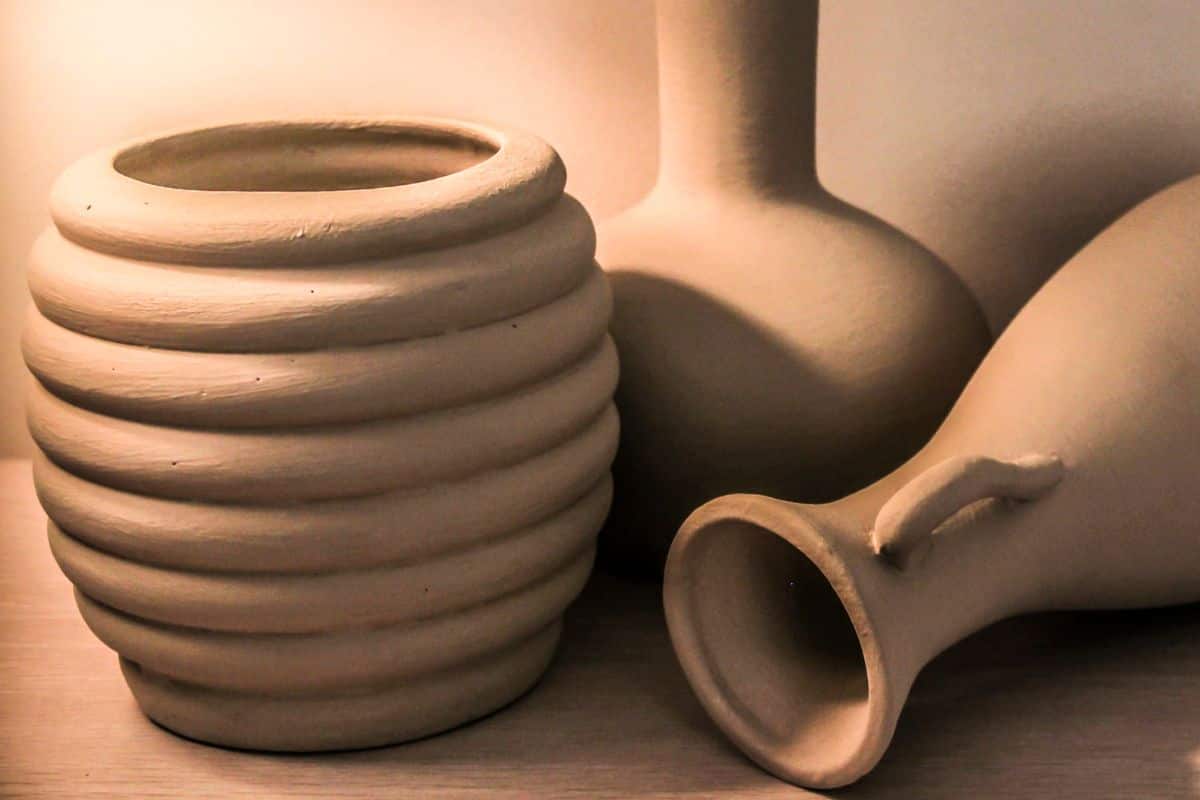
Coiling is another popular hand-building technique where long, rolled-out coils of clay are stacked on top of each other to form the walls of a piece. The coils are joined together by scoring (scratching) the surfaces and applying water to create a bond. This method is perfect for building taller, more intricate shapes, such as large vases, pots, and even sculptural pieces.
Coiling can produce wonderful texture, especially when the coils are left visible on the surface. You can smooth the coils for a sleek, uniform look, or leave them rough for a more rustic, textured appearance. Many potters enjoy experimenting with the height and curvature of coil-built pieces, often creating pieces that seem to defy gravity.
3. Slab Building
Slab building involves rolling out sheets or “slabs” of clay, which are then cut into shapes and joined together to form a piece. This technique is particularly useful for creating flat-sided pieces like tiles, boxes, or even sculptures. The slabs can be cut into geometric shapes or irregular forms, offering a range of creative possibilities.
Slab-built pottery often has clean lines and structured shapes, making it ideal for modern or minimalist designs. It’s also a great way to explore patterns and texture, as you can press stamps, leaves, or fabric into the slabs before assembling them.
4. Molding
Molding is a technique where clay is pressed into a mold to create a specific shape. This can be done by using a pre-existing mold (such as a plaster mold) or by creating a custom mold out of clay or other materials. Molding allows potters to replicate shapes and forms with great precision, making it ideal for creating multiples of a design, such as plates, bowls, or figurines.
While molding offers the benefit of consistency, it also provides opportunities for experimentation. Potters can alter the mold to produce different textures, shapes, and effects, adding unique elements to each piece.
5. Sculpting
While many hand-building techniques focus on functional pottery, sculpting is often used to create purely decorative pieces. Sculpture involves molding and shaping the clay into detailed figures, animals, abstract forms, or even intricate landscapes. Sculpting can be a time-consuming and highly skilled process, but it allows for boundless creativity.
Artists often incorporate various textures, glazes, and surface treatments to enhance their sculptures, creating dynamic, visually rich pieces. Sculpting can also be combined with other hand-building techniques, such as coiling or slab building, to create more complex works.
The Advantages of Crafting Without a Wheel
1. Creative Freedom
Without the constraints of a wheel, potters can fully embrace their creativity. The process of hand-building offers more control over the shape, texture, and surface of the pottery. You can work on a flat surface, build in layers, and experiment with different forms. The lack of symmetry or standardization can lead to more organic, free-flowing creations.
Hand-building also allows you to break the boundaries of traditional pottery. You don’t have to stick to functional items like bowls or cups—sculptural pieces, jewelry, or even mixed-media artworks are all possible through hand-building.
2. Less Equipment, Lower Costs
While a potter’s wheel is an essential tool for wheel-thrown pottery, hand-building doesn’t require as much equipment. You only need basic tools such as a rolling pin, wire cutter, rib tools, and perhaps some molds. For this reason, hand-building can be a more affordable option, particularly for beginners or those with limited space for equipment.
3. Ideal for Smaller Spaces
Unlike wheel-thrown pottery, which requires a dedicated area with space for the wheel and a lot of movement, hand-building can be done in small, compact spaces. You can easily set up a hand-building station on a table, and the process can be more quiet and meditative compared to the constant hum of a wheel.
For those who enjoy creating pottery at home, hand-building is a great way to practice without the need for specialized equipment or studio space.
4. Texture and Detail
One of the most exciting aspects of hand-building pottery is the opportunity to add texture and detail in ways that are difficult to achieve on the wheel. With hand-building, you can press patterns into the clay, carve intricate designs, and manipulate the surface in creative ways. This level of detail is particularly important for artists who want their pottery to tell a story or convey a specific emotion.
The tactile nature of hand-building also allows for greater individuality in each piece. No two pieces will be exactly the same, and that’s the beauty of the technique.
5. Therapeutic Process
Many potters find hand-building to be a therapeutic and meditative process. Shaping the clay with your hands can be calming and allow you to focus on the tactile sensations rather than worrying about precision or speed. For those who enjoy a slow, deliberate pace of creation, hand-building can be a highly rewarding and satisfying experience.
How to Get Started with Hand-Building Pottery
1. Gather Your Materials
To get started with hand-building pottery, you’ll need some basic materials:
- Clay: Choose a type of clay that suits your project. For beginners, earthenware clay is easy to work with and relatively forgiving.
- Tools: Basic hand-building tools include a rolling pin, a wire cutter for cutting slabs, and a rib tool for smoothing the clay. You’ll also need a small sponge and some carving tools for texture.
- Water: Keep a bowl of water nearby to moisten the clay as you work.
- A Surface to Work On: A clean, smooth surface such as a piece of plywood or a countertop is ideal for hand-building.
2. Start Simple
If you’re new to hand-building, it’s best to start with a simple technique like pinch potting. Create a small bowl or cup, experimenting with the texture and thickness of the walls. As you gain confidence, you can move on to more complex techniques like coiling and slab building.
3. Experiment with Texture
As you work, don’t be afraid to experiment with texture. Try pressing different objects like fabric, leaves, or stamps into the clay to create patterns. You can also carve, scrape, or burnish the surface to add unique effects to your piece.
4. Dry and Fire Your Work
Once you’ve finished your piece, allow it to dry slowly to prevent cracking. After it’s bone dry, it will need to be fired in a kiln to harden it. Make sure to glaze or decorate your pottery before firing if desired.
5. Learn and Grow
Pottery is a skill that takes time and practice. Don’t be discouraged if your first pieces don’t turn out as expected. Keep experimenting with different techniques, textures, and forms. Over time, you’ll develop your own unique style and approach to hand-building pottery.
Final Thoughts
Hand-building pottery is a wonderfully flexible and rewarding craft. While the potter’s wheel may be iconic, hand-building offers unique opportunities for creative expression, allowing for detailed textures, organic shapes, and personal connections to the clay. Whether you’re creating simple functional pieces or complex sculptures, hand-building can be an incredibly fulfilling way to explore the art of pottery.
So, can you craft beautiful pottery without a wheel? Absolutely! With patience, practice, and a little imagination, the possibilities are endless. Embrace the beauty of hand-building and discover the incredible artistry it can offer!