Creating abstract art can seem like a daunting task, especially when you see the complex, visually captivating works hanging in galleries or flooding social media feeds. But here’s the secret: you don’t need fancy equipment or endless years of formal training to create stunning abstract pieces. All it takes is a bit of creativity, some basic supplies, and the right mindset.
In this article, we’ll explore how you can produce bold, eye-catching abstract art using simple materials. Whether you’re a beginner or an experienced artist, these tips will help you unlock your inner creativity and transform basic supplies into extraordinary works of art.
1. Understanding Abstract Art: A Play on Form and Emotion
Before diving into the process, it’s important to understand what abstract art is all about. Unlike realism, which seeks to replicate the world around us in fine detail, abstract art focuses on colors, shapes, and forms that evoke emotions and ideas rather than trying to mimic life. It’s about expressing yourself through non-representational imagery.
One of the most important aspects of abstract art is that it doesn’t have to look like anything. This gives you the freedom to experiment, explore, and break traditional boundaries. Your work doesn’t need to follow any specific rules, and that’s what makes it so liberating.
2. Choosing the Right Supplies: Less Is More
You don’t need to buy expensive paints or specialized brushes to start creating. In fact, some of the most impressive abstract pieces are created with minimal supplies. Here are some basic materials you can use to get started:
Acrylic Paint
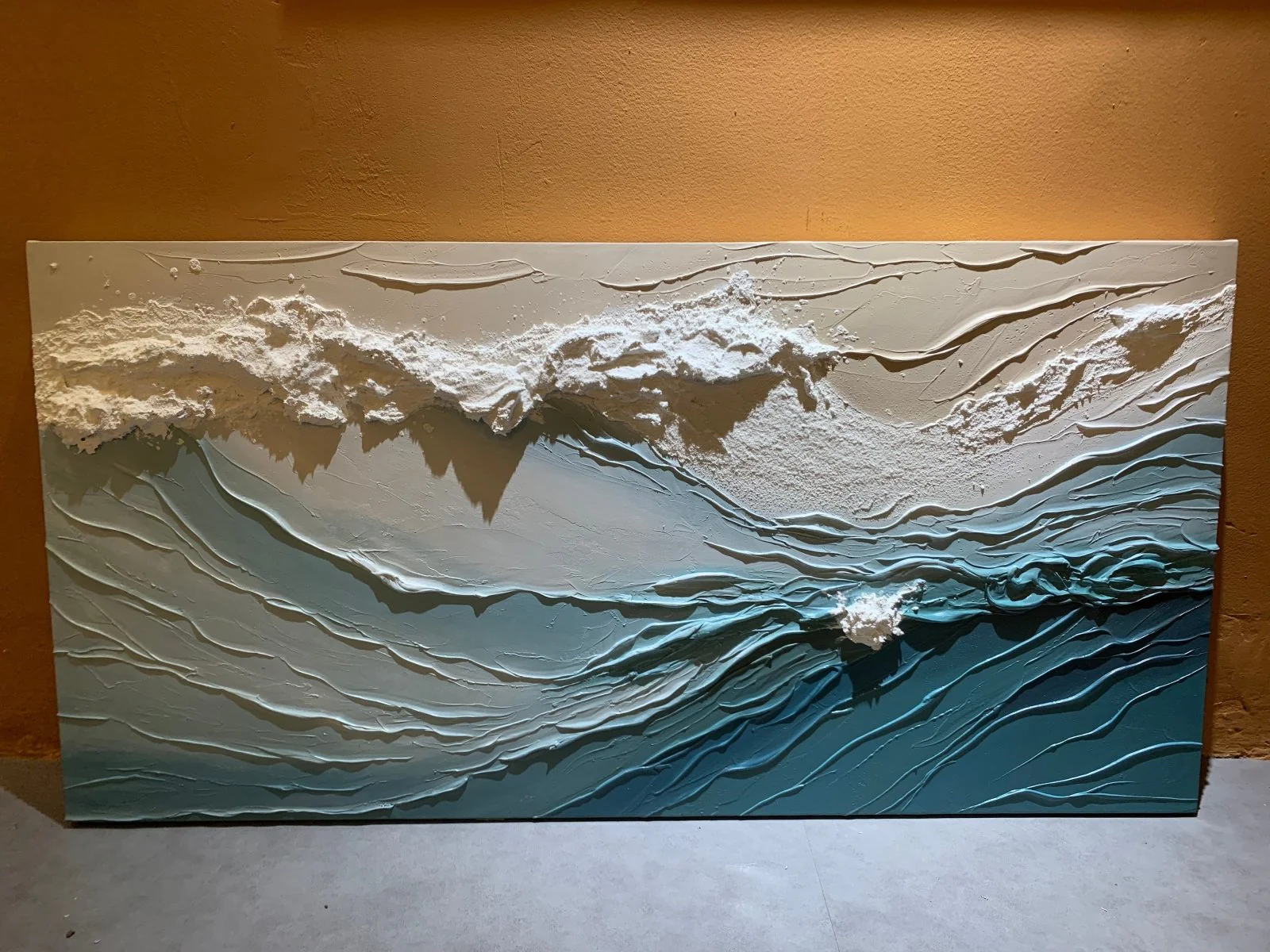
Acrylic paints are affordable, versatile, and dry quickly, making them perfect for abstract art. They can be used thick for textured effects or watered down for translucent layers. Their fast-drying nature allows you to work in layers, which is often crucial in abstract work.
Watercolor Paint
Watercolor is another great option. It creates soft, flowing effects that work wonderfully in abstract art. You can experiment with wet-on-wet or wet-on-dry techniques to create fluid, ethereal designs that draw the eye.
Markers or Oil Pastels
While not traditionally seen as abstract media, markers and oil pastels can help add bold lines, geometric shapes, and texture to your work. Their rich pigments and ability to layer on top of other materials make them an excellent tool in your abstract arsenal.
Basic Brushes
Investing in a set of inexpensive brushes can go a long way. Look for a variety of shapes and sizes, from small detail brushes to larger, broad ones. You can also experiment with unconventional tools like palette knives, sponges, or even your hands for a more tactile approach.
Paper or Canvas
For surfaces, choose either high-quality paper or a stretched canvas. The type of paper or canvas you select will influence how your medium interacts with the surface. Watercolor paper works best for watercolor, while canvas can handle thicker applications of acrylic paint.
Masking Tape or Stencils
To introduce controlled shapes, masking tape or stencils can help create clean edges and defined areas. This is useful for abstract designs that include geometric patterns or crisp lines.
Spray Paint or Ink
Spray paint can add dramatic splashes of color and texture to your abstract pieces. When combined with other mediums, spray paint allows you to create exciting effects and layers that add depth and interest.
Sponges and Rags
These simple tools can be used to smudge, blend, or even wipe away paint for softer edges or texture. Sponges are excellent for layering colors and achieving unique patterns.
3. Exploring Techniques: Let Your Imagination Run Wild
With just a few basic supplies, the possibilities for creating stunning abstract art are endless. Here are some techniques you can experiment with:
Layering
Abstract art thrives on layers. Layering different colors, textures, and materials allows you to build depth and create interest in your artwork. Acrylic paints are ideal for this technique, as they dry quickly and can be applied in multiple thin layers.
Start by painting a base color, then add additional layers using different colors or textures. You can also experiment with layering different mediums, such as ink, pastels, and spray paint, to add variety to your composition.
Color Blocking
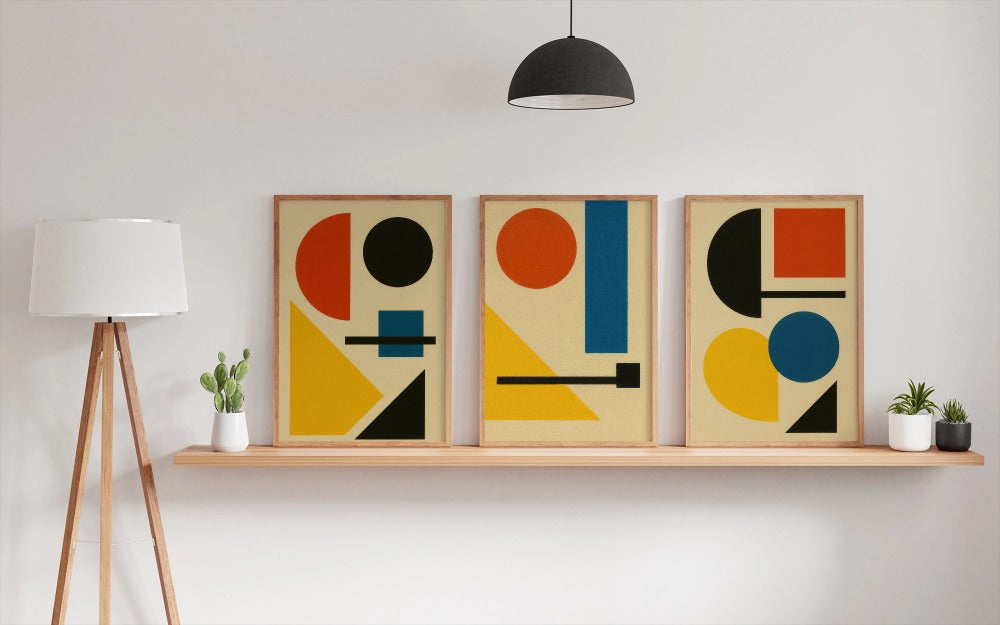
This technique involves creating distinct blocks of color that contrast with one another. You can use painter’s tape to create sharp edges or paint different sections of the canvas in bold, contrasting colors. The result is a striking visual effect where the colors interact with one another in unique ways.
Gestural Marks
Using your brushes (or hands), create free-flowing, energetic marks across the canvas. The focus here is on expression rather than precision. Let the brushstrokes move quickly, giving your piece a sense of movement and rhythm. This technique allows you to tap into your emotional energy and pour it directly onto the canvas.
Drip Painting
Inspired by Jackson Pollock, drip painting involves allowing paint to drip or pour freely onto the surface. This method creates organic, unpredictable patterns that are chaotic yet harmonious. You can experiment with different viscosities of paint—thicker paint will drip more slowly, while thinned paint will create more fluid, delicate lines.

Splatter and Spray
For a more dynamic approach, try splattering or spraying paint across the canvas. This can create both dramatic and subtle effects, depending on how much paint you use and how intensely you apply it. Spray paint or diluted acrylic paints work best for this technique.
Negative Space
In abstract art, the empty spaces are just as important as the filled spaces. Use negative space to add balance and harmony to your composition. By leaving sections of your canvas untouched or lightly painted, you can draw attention to specific areas and create a sense of contrast and tension in the artwork.
Texture and Mark Making
Experiment with adding texture to your painting. Use palette knives, sponges, or even rough materials like sand or fabric to create tactile surfaces. Texture adds visual interest and can make the piece more engaging to the viewer. You can also use tools to create marks in the paint, such as scratching or scoring the surface.
4. Color Theory: Choosing the Right Palette
Color is one of the most powerful elements in abstract art. The right combination of hues can evoke a wide range of emotions and responses. Here’s a brief guide to help you choose the right color palette for your abstract masterpiece:
Monochromatic
A monochromatic color palette uses various shades, tints, and tones of one color. This technique creates a harmonious and cohesive look. For example, you can use different shades of blue, from light sky blue to deep navy, to create depth and movement within your piece.
Complementary Colors
Complementary colors are those that sit opposite one another on the color wheel, like red and green or blue and orange. When placed next to each other, complementary colors create contrast and vibrancy. Experiment with these color combinations for a striking effect in your abstract work.
Analogous Colors
Analogous colors sit next to each other on the color wheel. For example, blue, green, and teal are analogous colors. Using these colors together creates a calming, unified composition that flows naturally.
Bold Contrasts
Don’t be afraid to use high-contrast colors. Bold combinations like black and white, or yellow and purple, can create dramatic visual tension that grabs attention. Abstract art often relies on such stark contrasts to create energy and impact.
5. Finding Your Voice: Letting Go of Perfectionism
One of the biggest challenges for many artists, especially beginners, is the desire for their work to be perfect. But abstract art is all about freedom and expression, and perfectionism can stifle creativity. Allow yourself to make mistakes, take risks, and explore new techniques without worrying about the outcome.
Trust your intuition as you work. If you feel drawn to a certain color or texture, go with it. If the painting feels “wrong,” try something new rather than sticking to a plan. Abstract art is all about discovery and spontaneity. The more you let go of control, the more your artwork will come to life.
6. Final Touches: Bringing Your Abstract Art to Completion
Once your artwork feels complete, step back and evaluate it from a distance. Often, abstract art takes on new meaning when viewed as a whole. You may find that a small addition of color or texture can elevate the piece, or perhaps the absence of a certain element makes the composition more balanced.
Don’t be afraid to adjust the work as needed. Abstract art is fluid, and sometimes it takes time for the piece to find its final form. Remember that your personal connection to the work is just as important as how it appears to others.