



When it comes to gourmet dining, many people may not realize that timing can be just as important as the ingredients or cooking techniques involved. Whether you’re indulging in a meticulously prepared dinner or enjoying a casual brunch, the time of day can significantly affect the overall experience. From the presentation of dishes to the pairing of wines and even the ambiance of a restaurant, various elements are impacted by the hour at which you dine. So, is there a perfect time of day to enjoy gourmet cuisine? Let’s explore this in greater detail, examining how timing influences everything from taste perception to mood.
The Psychology of Eating: How Time Affects Taste Perception
The first factor to consider is the psychology of eating. Humans are not only physical beings but emotional ones as well, and the timing of a meal often aligns with our daily rhythms and mental states. Studies have shown that our perception of taste can vary throughout the day, depending on factors such as hunger levels, energy, and even mood.
Morning: Brunch and Early Indulgence
Breakfast and brunch are arguably the most overlooked meals when it comes to gourmet dining, but they can be just as spectacular as any dinner. During the morning hours, your taste buds are fresh, having had a long period of rest since the night before. This can heighten your sensitivity to subtle flavors, which is why dishes like French toast with vanilla bean butter or eggs Benedict with hollandaise sauce can stand out so well.
Midday: The Power of Lunch
Lunchtime offers an ideal moment to enjoy more robust, but still refined, dishes. During the midday, the body is typically operating at peak efficiency, and most people have already settled into their daily rhythms. A gourmet lunch, especially one accompanied by wine or a light cocktail, provides the perfect opportunity to indulge without the pressure of the evening’s commitments. At lunch, lighter options, such as a delicate ceviche or a tuna tartare, may shine best. This is because, at this time, your body is still actively processing nutrients, making your palate more receptive to complex flavors.
Evening: The Height of Gourmet Dining
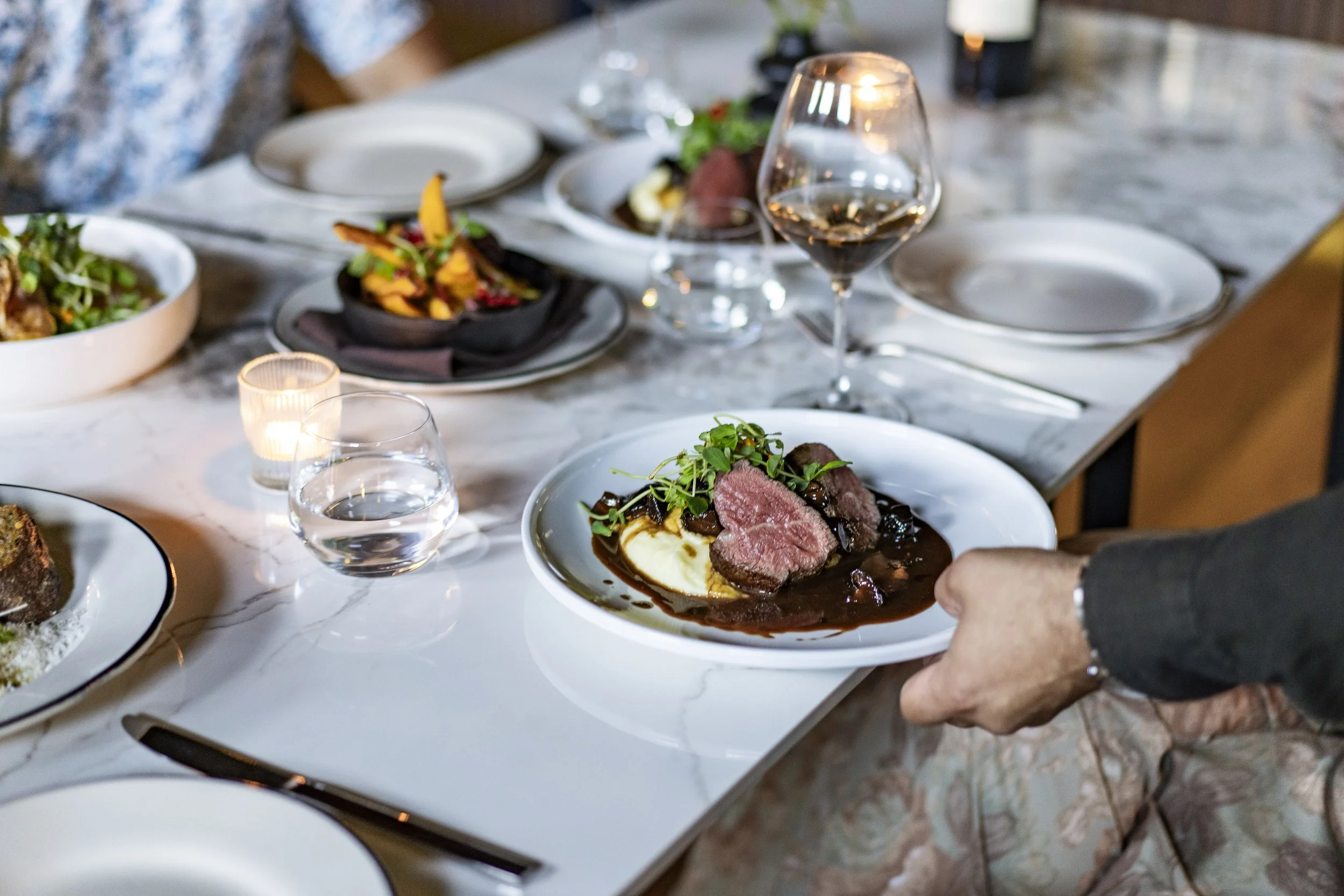
Dinner is, without a doubt, the most traditional time for gourmet dining. By this point in the day, your energy levels are likely to have dipped, but your senses have been finely tuned to appreciate the subtleties of a high-end meal. In the evening, the slower pace of life encourages a leisurely experience. From the presentation to the ambiance, everything about a gourmet dinner is designed to engage the senses fully.
Moreover, wine pairings play a crucial role during dinner. The rich, velvety reds or crisp whites that accompany sophisticated dishes can elevate the experience of dining. Whether it’s a luxurious foie gras appetizer or a slow-braised lamb shank, dinner offers the opportunity to savor the complexity of flavors. The time of day allows these ingredients to resonate more deeply, as the body has had a full day to digest and process food.
:max_bytes(150000):strip_icc()/KH_061824_MDWL0054-4b39abaff6654772b4ed5f6edacd0c60.jpg)
Late Night: A Different Kind of Luxury
For some, dining late into the evening can become a form of nocturnal indulgence. Think of a candle-lit evening where you enjoy a final bite of dessert, like dark chocolate mousse, after an entire evening of good conversation. Late-night dining often calls for more decadent and sweet indulgences, such as gourmet pastries or artisanal cheeses. The relaxed nature of late dining allows for a different kind of enjoyment compared to the structured timing of a regular meal.
The Influence of Light and Ambiance on Gourmet Dining
One of the most interesting aspects of gourmet dining is the environment in which it occurs. Lighting plays a critical role in shaping our dining experience. During the day, natural light floods dining spaces, which can bring out the colors and textures of a dish. Bright and airy, daytime meals often emphasize freshness, vibrancy, and health.
In contrast, evening dining typically occurs under artificial lighting, often dimmed or softened to create a romantic or intimate atmosphere. This type of setting tends to highlight richer, more opulent dishes. Think of a plate of seared scallops drizzled with a buttery sauce, or a perfectly seared steak paired with a glass of aged red wine. As the light dims, the focus shifts from the natural vibrancy of food to its indulgent textures and flavors.
Moreover, time influences the ambiance and mood of the restaurant or home where the meal takes place. A dinner setting is typically designed to be more immersive, with attention given to everything from the music to the decor. This creates an atmosphere that encourages diners to linger, savor each bite, and fully immerse themselves in the experience. Daytime meals, however, tend to be faster-paced and more casual, meaning there’s less emphasis on the overall atmosphere.
The Role of Seasonal Factors in Timing Your Meal
Seasonality also plays a pivotal role in determining the best time for gourmet meals. Certain foods, like fresh berries or chilled seafood, are best enjoyed in the warmer months and are often highlighted in brunches or lunches during these times. Winter months, on the other hand, call for rich, hearty dishes like slow-cooked stews, braised meats, or decadent desserts like molten lava cakes.
The time of year can dictate the types of gourmet dishes available, and this ties directly to when you might want to enjoy them. Think of the autumn months when hearty roasts and warm cocktails make for the perfect evening meal. Likewise, summer dining is synonymous with lighter fare, often suited to a midday picnic or a late-afternoon seafood platter.
Health Considerations: What’s the Best Time for You?
While there is no single “perfect” time of day for eating gourmet dishes that applies universally, it is important to consider how your body functions at various points during the day. For instance, some people are more sensitive to rich, heavy meals at night, while others may prefer lighter, vegetable-based meals in the early evening.
Your metabolic rate, which tends to slow down in the evening, can influence how well you digest certain foods. Some health experts argue that large, rich meals eaten late at night can interfere with sleep, while others suggest that lighter meals are more appropriate for late evenings. Ultimately, it’s a matter of personal preference, but for the sake of both taste and digestion, a well-timed, well-balanced gourmet meal can enhance your enjoyment.
Is There a “Best” Time for Gourmet Dishes?
The answer largely depends on personal preferences, the type of dish, and the dining experience you seek. However, there are certain advantages to dining at specific times of the day. For those who prefer to savor their food slowly and enjoy each bite, a leisurely dinner in the evening remains the ideal. But for those who crave freshness and lighter fare, a gourmet brunch or lunch could be the perfect opportunity.
Ultimately, timing is one of the many ingredients in the perfect gourmet experience. Whether you’re enjoying a rich dinner under the dim glow of candlelight or a light lunch filled with the freshness of the season, the time of day can make all the difference in the way you perceive and appreciate your food. So, the next time you plan a gourmet outing, consider the timing and mood—because there might just be a perfect time for eating gourmet dishes.